5 Best Analytics Tools for Fitness Data [Track Every Rep and Result]
Fitness data tells a powerful story about progress, performance, and long-term health. Modern fitness apps and analytics platforms collect valuable information from workouts, heart rate monitors, sleep trackers, smartwatches, and training sessions. Raw numbers alone do not provide much value, but the right analytics tool turns that information into clear insights that help users improve results and stay motivated.
A strong fitness analytics platform can reveal workout trends, recovery patterns, calorie expenditure, training intensity, and personal records. Athletes, coaches, and everyday fitness enthusiasts use these insights to make smarter decisions and build more effective training plans. Accurate reporting also helps identify strengths, track goals, and spot areas that need improvement.
This guide highlights five of the best analytics tools for fitness data. Each option offers unique features, powerful reporting capabilities, and user-friendly dashboards that make fitness tracking more meaningful. A better understanding of your data can lead to better workouts, stronger performance, and measurable progress over time.
5 Best Analytics Tools For Fitness Data
| Image | Title | Best For | Link |
|---|---|---|---|
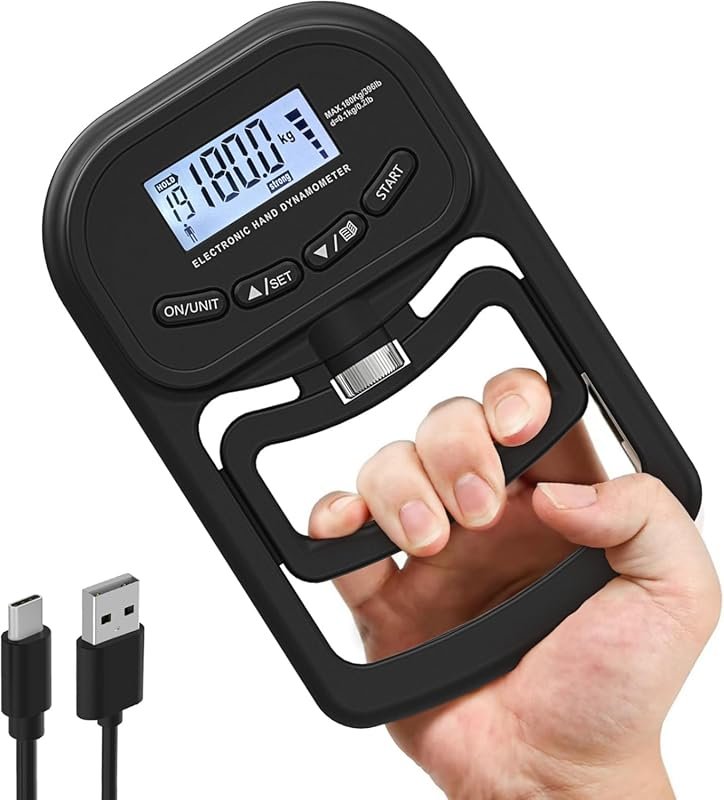 |
Grip Strength Electronic Hand Dynamometer | Precise grip strength tracking for athletic training and physical therapy. | View on Amazon |
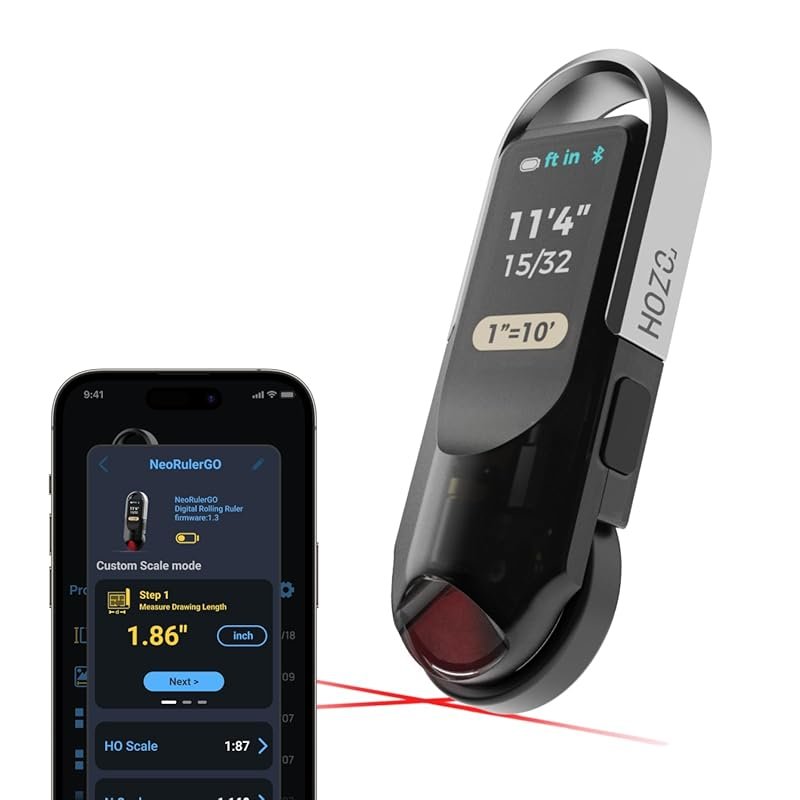 |
HOZO NeoRulerGO Digital Tape Measure | Measuring body dimensions and tracking physical transformation progress. | View on Amazon |
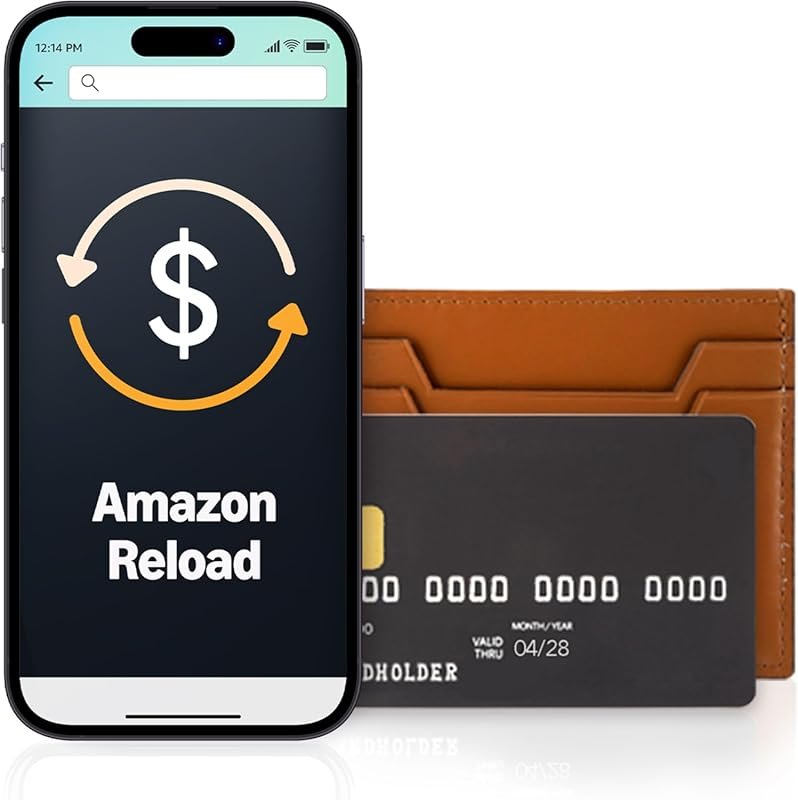 |
Amazon Gift Card Balance Reload | Managing your fitness budget and tracking supplement expenses. | View on Amazon |
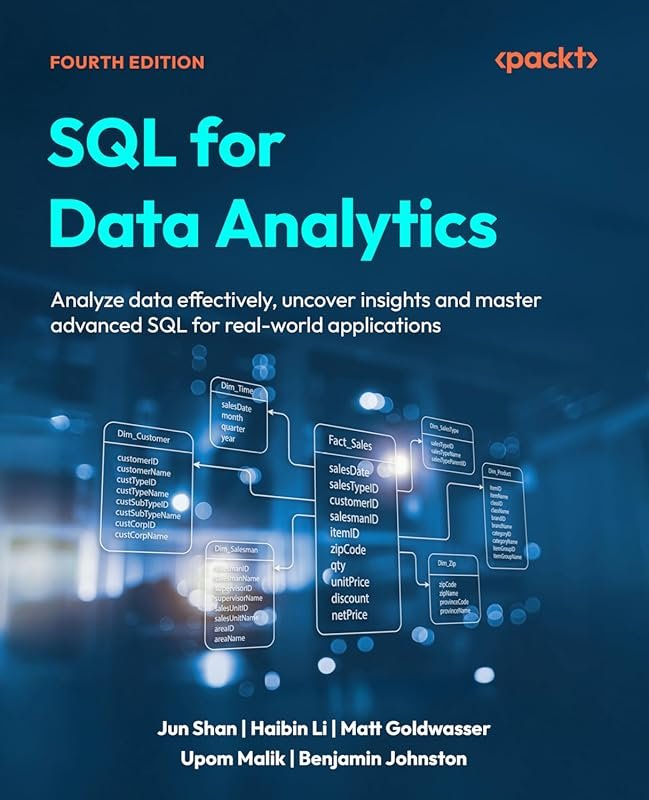 |
SQL for Data Analytics Book | Mastering data analysis to interpret your personal health metrics. | View on Amazon |
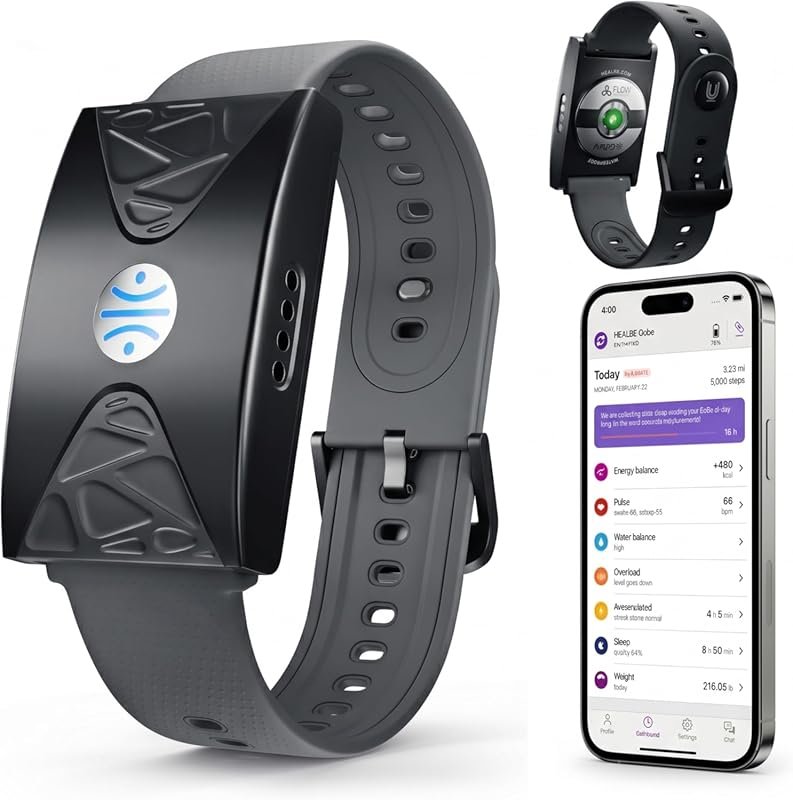 |
HEALBE Calorie Tracker Smart Band | Automated intake monitoring and holistic body insight tracking. | View on Amazon |
Our Top 5 Best Analytics Tools For Fitness Data Reviews – Expert Tested & Recommended
1. Rechargeable Digital Hand Dynamometer
If you are serious about building grip strength, this digital hand dynamometer is a game-changer for your training regimen. It provides high-precision data that helps you track your progress over time with remarkable reliability.
Key Features That Stand Out
- ✓ High-precision strain gauge sensors for accurate force measurement.
- ✓ Internal memory capacity to store data for up to 19 individual users.
- ✓ Adjustable handle design to ensure a perfect fit for any hand size.
- ✓ Easy-to-read LCD display for immediate feedback after every squeeze.
Why We Recommend It
We love this tool because it takes the guesswork out of strength training. By quantifying your grip force, you can objectively see your improvements and adjust your routine for better results.
Best For
Athletes and physical therapy patients looking for consistent, measurable strength progression.
Pros and Cons at a Glance
2. HOZO NeoRulerGO Digital Tape Measure
Monitoring physical body changes is easier than ever with the HOZO NeoRulerGO. This smart measurement tool is perfect for tracking progress on specific muscle groups with precision.
Key Features That Stand Out
- ✓ Digital accuracy for both flat and curved surfaces.
- ✓ Bluetooth connectivity to sync measurements with your phone.
- ✓ Extremely portable, pocket-sized design for fitness on the go.
- ✓ Intuitive interface with both landscape and portrait display modes.
Why We Recommend It
Tracking body measurements manually is often prone to error. This device ensures that your data is consistent, allowing you to track your fitness journey with high-level confidence.
Best For
Individuals tracking body fat reduction or muscle gain through precise physical measurements.
Pros and Cons at a Glance
3. Amazon Gift Card Balance Reload
Sometimes the best analytics tool is one that helps you manage your spending on fitness gear and supplements. The Amazon Gift Card Balance Reload is an essential tool for budgeting for your health journey.
Key Features That Stand Out
- ✓ Convenient way to track and limit your monthly fitness spending.
- ✓ Auto-reload features to keep your budget on track automatically.
- ✓ Easy integration with all Amazon-based fitness retailers.
Why We Recommend It
Maintaining a budget is part of the overall fitness analytics landscape. By separating your “fitness funds,” you can easily see exactly how much you invest in your health each month.
Best For
Disciplined fitness enthusiasts who want to control spending on supplements and equipment.
Pros and Cons at a Glance
4. SQL for Data Analytics Book
If you prefer to dig deep into your own data, SQL for Data Analytics gives you the skills to master your health metrics like a pro. This book turns raw data into clear, actionable health insights.
Key Features That Stand Out
- ✓ Learn how to store and query your personal health data effectively.
- ✓ Uncover trends in your long-term fitness and diet metrics.
- ✓ Develop a professional analytical mindset toward your own goals.
Why We Recommend It
Knowledge is power. Learning how to analyze your own data allows you to create custom visualizations and gain deeper insights than any pre-made app could offer.
Best For
The tech-savvy individual who wants complete control and transparency over their fitness data.
Pros and Cons at a Glance
5. HEALBE Calorie Tracker Smart Band
The HEALBE Calorie Tracker offers a unique approach to fitness, automating intake tracking so you don’t have to manually log your every meal. It is a comprehensive tool for monitoring your total body health.
Key Features That Stand Out
- ✓ Automated calorie intake monitoring via sensor technology.
- ✓ Holistic tracking of heart rate, sleep quality, and stress levels.
- ✓ Seamless app integration for visual health data reporting.
Why We Recommend It
For busy individuals who find logging food difficult, this device is revolutionary. It provides a more accurate picture of your metabolism by tracking what your body actually processes.
Best For
Those looking for an automated, holistic overview of their daily health and metabolic data.
Pros and Cons at a Glance
Complete Buying Guide for Best Analytics Tools For Fitness Data
Essential Factors We Consider
When selecting the best analytics tools, we prioritize precision, user-friendly data reporting, and durability. You need tools that fit seamlessly into your existing workflow without requiring extensive technical knowledge to operate.
Budget Planning
Fitness analytics can be as simple or as expensive as you choose. We suggest starting with essential tracking tools that offer the most value for money, then slowly expanding your toolkit as you see consistent progress in your training.
Final Thoughts
Investing in tools that track your fitness data is one of the smartest ways to guarantee long-term results. By focusing on objective data, you eliminate doubt and create a clear path toward your ultimate fitness goal.
Frequently Asked Questions
Q: Why is tracking fitness data important?
A: Tracking allows you to see objective progress that you might otherwise miss, helping you stay motivated and make data-driven adjustments to your routine.
Q: Do I need multiple tools to be fit?
A: Not necessarily. Start with one or two tools that address your most pressing training needs, such as strength measuring or caloric tracking, and scale from there.
Q: How do I ensure my data is accurate?
A: Always ensure your devices are charged and calibrated correctly according to the manufacturer’s instructions. Consistent usage patterns also lead to more reliable trends.