Can You Gain Muscle without Having to Take Protein Powder?
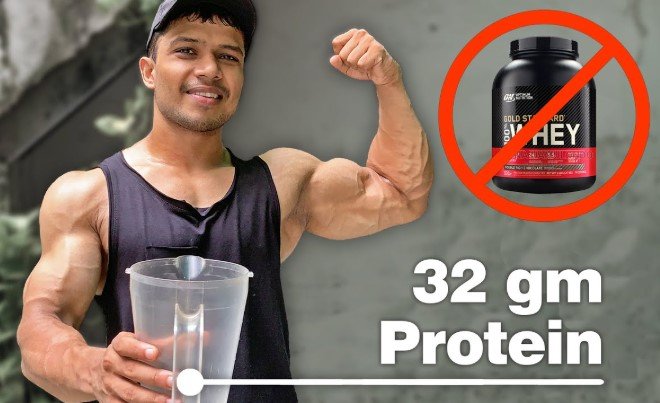
Many fitness enthusiasts believe protein powder is the only way to gain muscle, but this is not true. Your body relies on total protein intake, not the supplement itself. Whole foods like chicken, eggs, fish, beans, lentils, and Greek yogurt provide high-quality protein and essential nutrients to fuel muscle growth.
Combining these foods with consistent strength training can produce impressive results. Timing meals around workouts, including a mix of carbohydrates and protein, supports recovery and muscle repair.
Hydration, sleep, and stress management play equally important roles in muscle development. Natural approaches also avoid additives, artificial sweeteners, and unnecessary costs that often come with supplements.
With careful meal planning, proper training, and a focus on overall nutrition, muscle growth can occur without relying on protein powders. Many athletes and everyday lifters achieve their goals while sticking to whole, unprocessed foods.
Can You Gain Muscle without Having to Take Protein Powder?
Many people think protein powder is required to build muscle. That is not true. Muscle growth depends on two main things: exercise and nutrition. Protein powder is just a convenient way to get protein.
You can gain muscle without it by eating natural foods and training smart. This article explains how to build muscle naturally, step by step.
How Muscles Grow?
Muscles grow through a process called muscle hypertrophy. This happens when muscles experience stress during exercise, causing small tears in the fibers. The body repairs these tears using protein.
Over time, muscles become stronger and bigger. Protein powder is not necessary because natural foods can supply enough protein for repair and growth.
Key factors for muscle growth:
-
Resistance training (lifting weights, push-ups, squats)
-
Enough protein in meals
-
Proper rest and recovery
-
Adequate calories to fuel muscle repair
Natural Protein Sources for Muscle Building
Animal-Based Protein
Animal proteins contain all essential amino acids, which are crucial for muscle repair.
-
Eggs: Rich in protein and healthy fats. One large egg has about 6 grams of protein.
-
Chicken: Lean and high in protein. 100 grams of chicken breast provides 31 grams of protein.
-
Fish: Salmon, tuna, and cod provide protein plus omega-3 fatty acids for joint and heart health.
-
Dairy: Milk, yogurt, and cheese are good protein sources and support bone health.
-
Beef: Offers protein, iron, and creatine naturally, which help muscle performance.
Plant-Based Protein
Plant-based proteins are slightly lower in some amino acids but can be combined to meet needs.
-
Legumes: Lentils, chickpeas, black beans. They also have fiber for digestion.
-
Nuts and Seeds: Almonds, peanuts, chia seeds, sunflower seeds. Provide protein and healthy fats.
-
Tofu and Tempeh: Made from soybeans, these are high in protein and easy to cook.
-
Whole Grains: Quinoa, brown rice, oats. They contain protein and carbohydrates for energy.
-
Vegetables: Broccoli, peas, spinach. Small amounts, but useful when combined with other protein foods.
How Much Protein You Need?
Muscle-building requires more protein than normal. Daily needs depend on body weight and activity level:
-
General adults: 0.8–1.2 grams per kilogram of body weight
-
Active people: 1.6–2.2 grams per kilogram for muscle gain
Example: A 70 kg person needs 112–154 grams of protein per day. This can be divided over 3–5 meals. Protein powder is just a shortcut, not a necessity.
Planning Muscle-Building Meals
Breakfast Ideas
-
3 scrambled eggs with spinach
-
Oatmeal cooked in milk topped with nuts
-
Greek yogurt with fruit
Lunch Ideas
-
Grilled chicken with quinoa and vegetables
-
Lentil soup with whole-grain bread
-
Stir-fried tofu with brown rice
Dinner Ideas
-
Baked salmon with sweet potatoes and broccoli
-
Beef stir-fry with mixed vegetables
-
Chickpea curry with brown rice
Snacks
-
Nuts or seeds
-
Hard-boiled eggs
-
Cottage cheese with fruit
-
Hummus with carrots or cucumber
Meal Timing for Muscle Growth
-
Eat protein at every meal. This helps muscles repair faster.
-
Have a post-workout meal with protein and carbohydrates within 1–2 hours after exercise.
-
Spread protein evenly during the day to improve absorption and muscle repair.
Workout Tips Without Protein Powder
-
Focus on compound exercises: squats, bench press, deadlifts, pull-ups.
-
Train 3–5 times per week.
-
Allow 48 hours of rest for each muscle group.
-
Increase weight or reps gradually to challenge muscles.
-
Include cardio for overall health, but don’t overdo it as it can burn calories needed for muscle growth.
Other Important Factors
Calories
Muscles need energy. Eat enough calories to support growth. Under-eating slows muscle repair.
Hydration
Water supports metabolism and muscle recovery. Drink 2–3 liters per day.
Sleep
Sleep 7–9 hours per night. Growth hormone released during sleep helps muscles grow.
Micronutrients
Vitamins and minerals like vitamin D, calcium, magnesium, and zinc support muscle function and energy. Eat fruits, vegetables, nuts, and seeds.
FAQs
1. Can I gain muscle without protein powder?
Yes. Natural foods can provide enough protein for muscle growth if you eat the right amount.
2. Do I need meat to gain muscle?
No. Plant-based protein sources like beans, nuts, and tofu work too.
3. How much protein should I eat per meal?
20–40 grams of protein per meal is enough. Spread it through the day.
4. Can I build muscle without exercise?
No. Muscles grow only when challenged with resistance training.
5. Are snacks important for muscle growth?
Yes. Snacks with protein help repair muscles and keep energy levels high.
6. Can I rely on vegetables alone for protein?
Vegetables contain protein but not enough for muscle gain. Combine them with beans, nuts, or grains.
Conclusion
Protein powder is convenient but not required. Natural foods like eggs, chicken, fish, beans, tofu, nuts, and whole grains provide enough protein.
Combine meals with resistance training, proper rest, hydration, and enough calories.
Muscles will grow naturally without supplements. Natural, whole foods can support long-term muscle health and overall fitness.