6 Best Pipes for DIY Pull Up Bars in 2026 [Build Strength at Home]
A strong pull-up bar starts with the right pipe. Many home fitness enthusiasts build their own pull-up stations to save money and customize their workout space. Pipe selection plays a major role in safety, durability, and long-term performance. A weak or unsuitable pipe can bend, rust, or fail under pressure, while a high-quality option provides stability and confidence during every workout.
Several pipe materials and designs offer different benefits. Some deliver exceptional strength for heavy users, while others resist corrosion and work well in garages, basements, or outdoor setups. Proper sizing also affects grip comfort and overall training experience.
This guide highlights five of the best pipes for a DIY pull-up bar. Each option offers reliable support and practical value for home gym projects. A well-built pull-up bar can help improve upper-body strength, endurance, and fitness without requiring expensive commercial equipment.
6 Best Pipes For Diy Pull Up Bar
| Image | Title | Best For | Link |
|---|---|---|---|
 |
Rope Grips for Pull Ups | Increasing grip strength during pull ups. | View on Amazon |
 |
Pull Up Assistance Bands | Beginners needing assistance. | View on Amazon |
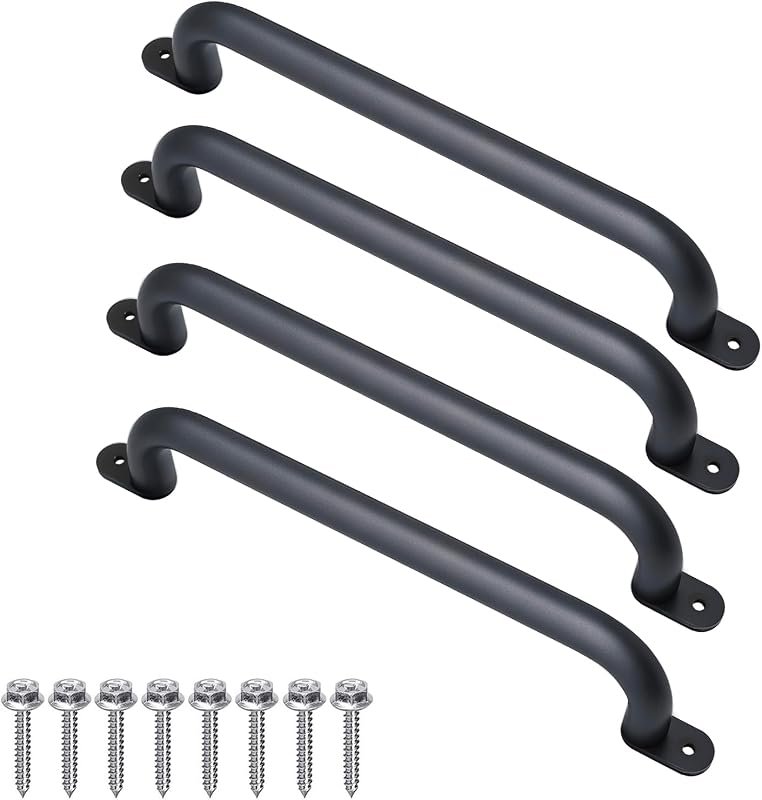 |
Safety Playground Handles | Adding extra stability grips. | View on Amazon |
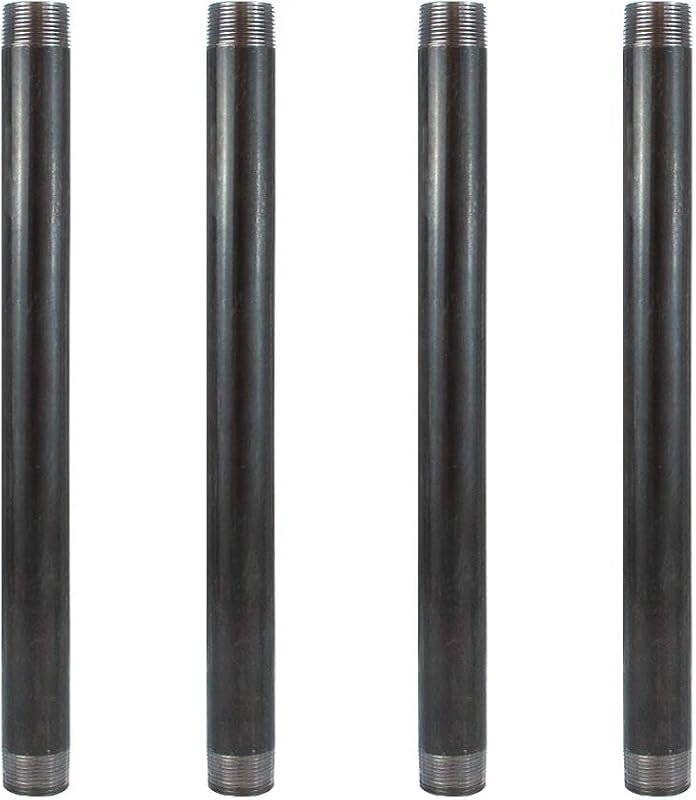 |
GeilSpace 3/4″x14″ Pipe | Structural frame sections. | View on Amazon |
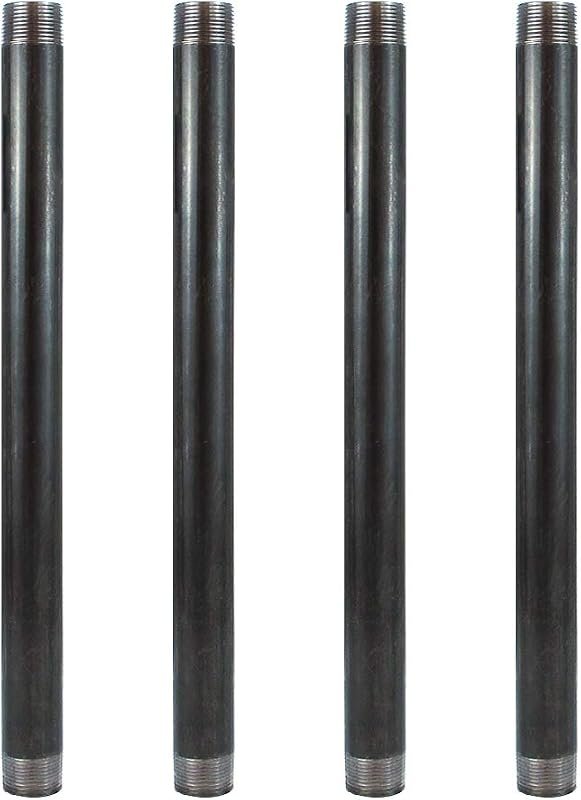 |
GeilSpace 3/4″x16″ Pipe | Main pull-up bar support. | View on Amazon |
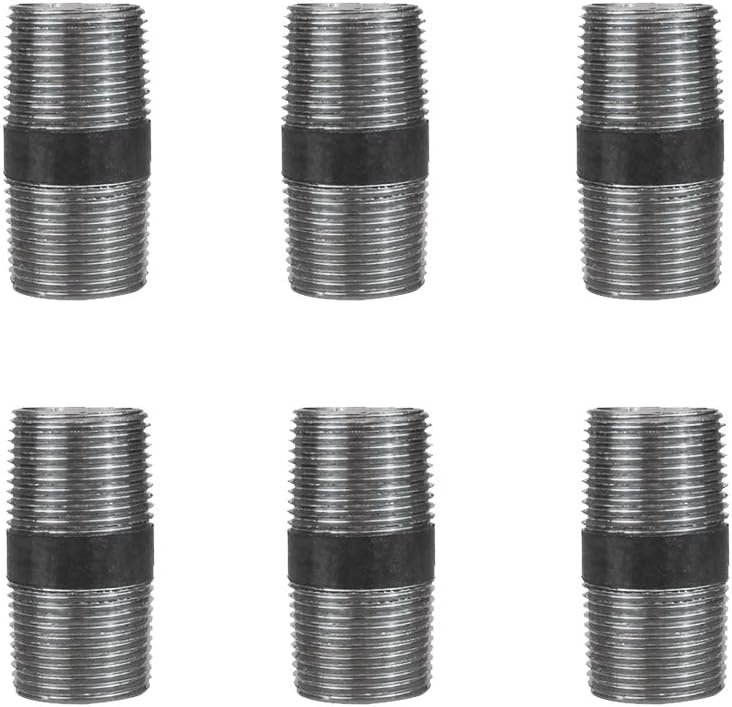 |
GeilSpace 3/4″x2″ Pipe | Connectors and short bracing. | View on Amazon |
Our Top 6 Best Pipes For Diy Pull Up Bar Reviews – Expert Tested & Recommended
1. Durable Rope Grips for Pull Ups
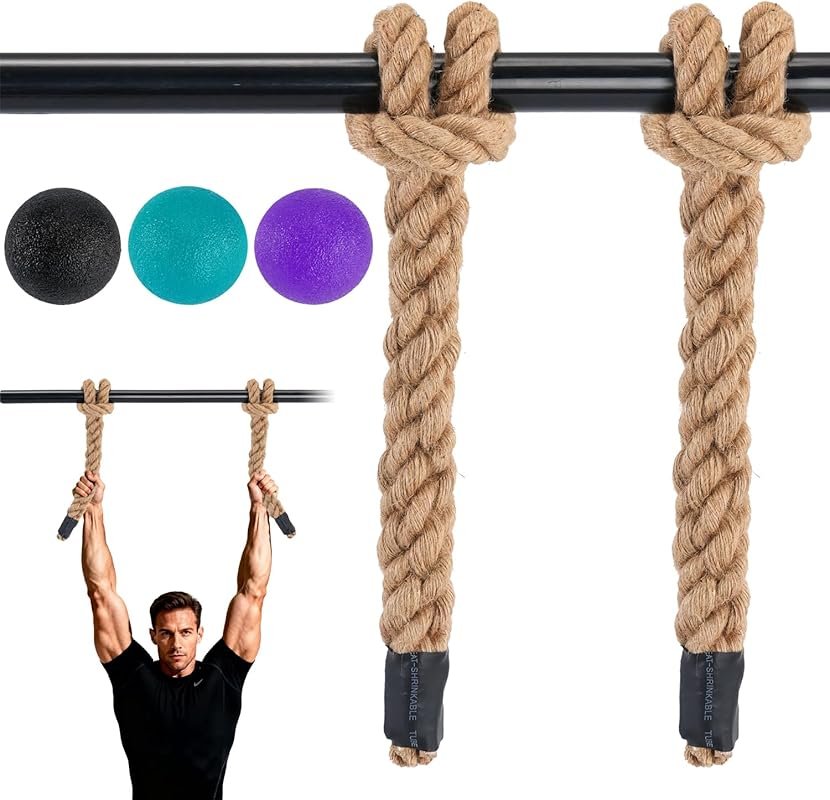
These rope grips are an excellent addition to any DIY pull-up bar setup for athletes who want to challenge their grip strength. Handwoven from heavy-duty jute, they provide a rough texture that pushes your forearm strength to the limit during every rep.
Key Features That Stand Out
- ✓ Superior tensile strength for heavy-duty use.
- ✓ Two-inch thickness provides a challenging diameter for grip training.
- ✓ Versatile design fits onto existing bars or handles effortlessly.
Why We Recommend It
We love these grips because they transform a standard smooth pipe pull-up bar into a dynamic strength training tool. The durability of the jute material ensures they won’t fray easily under consistent daily pressure.
Best For
Athletes specifically looking to improve their hand and forearm strength for climbing or advanced calisthenics.
Pros and Cons at a Glance
2. Pull Up Assistance Bands
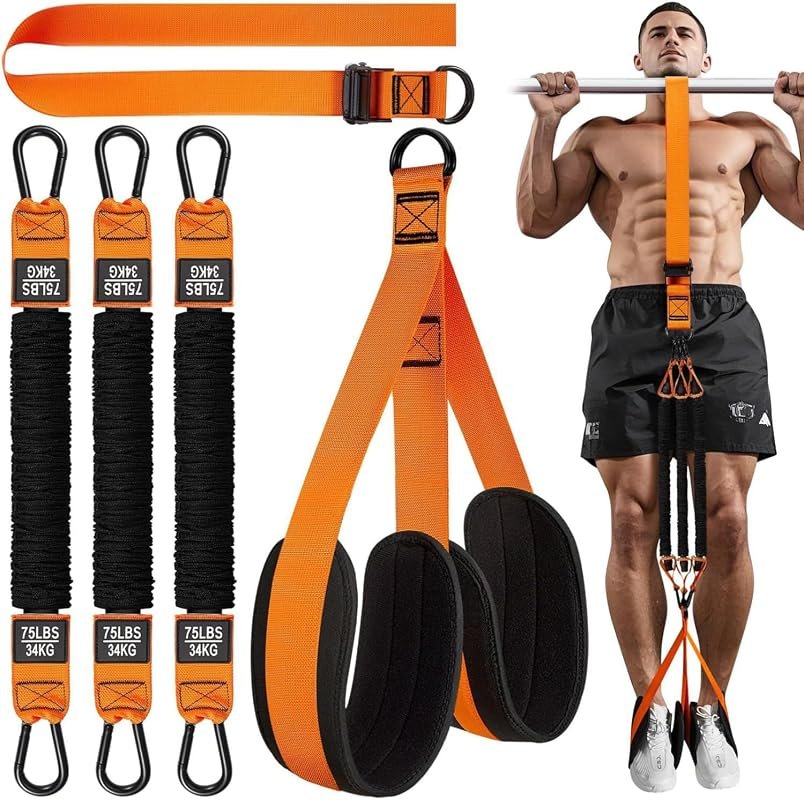
If you are still working toward your first unassisted pull-up, these heavy-duty bands are essential. They provide up to 300LB of total support, making them perfect for beginners or heavier individuals who need a bit of a boost during their workouts.
Key Features That Stand Out
- ✓ Massive 300LB total assistance capability.
- ✓ High-visibility orange and black safety design.
- ✓ Modular usage: scale the number of bands to match your progress.
Why We Recommend It
We appreciate the versatility of these bands. They allow you to slowly reduce the assistance as you gain strength, making them a long-term investment for anyone building a home gym.
Best For
Beginners or anyone recovering from injury who needs controlled support during pull-up movements.
Pros and Cons at a Glance
3. Safety Playground Handles
While often used for playgrounds, these heavy-duty steel handles are a clever hack for DIY gym builders. Their sturdy construction and ergonomic design make them excellent for creating neutral-grip pull-up attachments.
Key Features That Stand Out
- ✓ Made of heavy-duty steel pipe for maximum durability.
- ✓ Full-length welding for enhanced structural integrity.
- ✓ Easy to bolt onto existing wood or metal support structures.
Why We Recommend It
The price-to-performance ratio here is unbeatable. If you want a comfortable, firm grip for hanging leg raises or neutral-grip pull-ups, these are an inexpensive and highly durable choice.
Best For
Adding custom neutral-grip points to a wooden ceiling or wall-mounted support beam.
Pros and Cons at a Glance
4. GeilSpace 3/4″x14″ Industrial Steel Pipe
When you are building the frame for your bar, these 14-inch industrial pipes are the gold standard. They are sturdy, reliable, and thread perfectly into standard NPT fittings, allowing for a tight, stable assembly.
Key Features That Stand Out
- ✓ Standard 3/4″ industrial steel construction.
- ✓ Consistent 14-inch length for uniform builds.
- ✓ Sturdy threaded ends that fit securely with most fittings.
Why We Recommend It
For DIY builders, these pipes offer the perfect balance of weight and structural integrity. They are robust enough to hold body weight without bending or flexing during intense sessions.
Best For
Building support braces or intermediate segments of your pull-up frame.
Pros and Cons at a Glance
5. GeilSpace 3/4″x16″ Industrial Steel Pipe
Similar to the 14-inch model, the 16-inch industrial pipe is a must-have for the horizontal section of your pull-up bar. The extra length provides more room for a wider grip, which is ideal for targeting different back muscles.
Key Features That Stand Out
- ✓ Industrial-grade finish and steel construction.
- ✓ Extra width for diverse pull-up variations.
- ✓ Easy to maintain with basic metal care products.
Why We Recommend It
Having a slightly wider bar makes a huge difference in comfort for taller users. This pipe is perfectly threaded and incredibly resilient, ensuring your DIY station remains secure for years.
Best For
The main horizontal crossbar where you perform your actual pull-up movements.
Pros and Cons at a Glance
6. GeilSpace 3/4″x2″ Industrial Steel Pipe
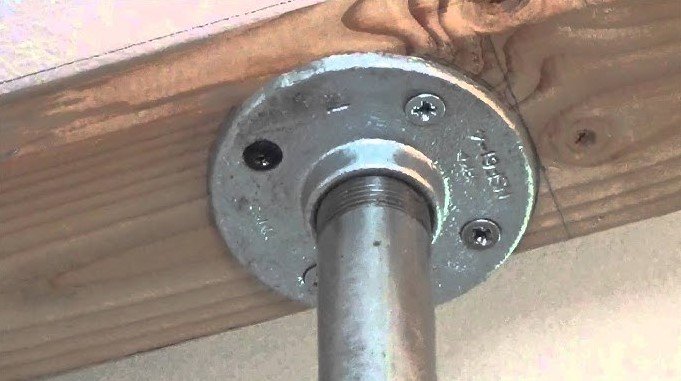
These 2-inch pipe segments are the finishing touch for your DIY project. They are perfect for connecting your main bar to wall flanges or for creating short, rigid corner supports that reinforce your overall frame structure.
Key Features That Stand Out
- ✓ Perfect for tight-fitting structural connections.
- ✓ Industrial-grade steel for maximum load bearing.
- ✓ Pack includes multiple pieces for complex build designs.
Why We Recommend It
Every complex DIY build requires small, reliable connectors. These pieces are threaded perfectly and ensure your entire structure feels like one solid, unified piece of equipment.
Best For
Connecting your pull-up frame components into a solid, reinforced configuration.
Pros and Cons at a Glance
Complete Buying Guide for DIY Pull Up Bars
Essential Factors We Consider
When searching for the best pipes for diy pull up bar projects, safety is the number one priority. You must choose steel pipes that are rated for industrial weight loads. Always verify the diameter and NPT threading consistency to ensure all your parts fit together without gaps, which can cause wobble or dangerous failure points under load.
Budget Planning
Building your own equipment is often cheaper than buying commercial gear, but costs can add up. Stick to standard industrial pipe sizes and shop for bundled sets to save on shipping and unit costs. Don’t skimp on the wall-mounting flanges, as these are the most critical components for long-term safety.
Final Thoughts
Once you have gathered your materials, ensure your mounting surface is solid (like concrete or heavy timber studs). Regularly check the connections for tightness, and enjoy the satisfaction of training on a bar you built yourself with the highest quality components available.
Frequently Asked Questions
Q: Can I use PVC pipe for a pull-up bar?
A: No, PVC pipe is not structurally rated for the weight of an adult human and will crack or snap under the pressure of pull-up exercises. Always use industrial-grade steel.
Q: How do I prevent the pipe from spinning during use?
A: Ensure that your thread connections are tight and consider using set screws or thread locker to keep the pipe and flange assembly fixed in place.
Q: Is 3/4 inch pipe the correct size for a pull-up bar?
A: Yes, 3/4 inch steel pipe is widely considered the industry standard for DIY bars as it provides a comfortable grip diameter and excellent strength-to-weight ratio.