5 Best Climbing Ropes for Beginners That Build Confidence [Reach New Heights]
Every climber starts with the same goal: stay safe, learn quickly, and enjoy every climb. A reliable climbing rope plays a major role in that journey. The right rope helps beginners gain confidence on the wall while providing the durability and performance needed for regular practice.
New climbers often face dozens of rope options, and many products seem similar at first glance. Differences in diameter, weight, handling, and durability can greatly affect the overall climbing experience. A beginner-friendly rope should offer easy handling, dependable strength, and excellent value without adding unnecessary complexity.
This guide highlights the 5 best climbing ropes for beginners based on safety, durability, ease of use, and overall performance. Each option suits new climbers who want a dependable rope for indoor sessions, outdoor adventures, or a mix of both. Great gear supports skill development and helps every climb feel more enjoyable from the very first ascent.
5 Best Climbing Ropes For Beginners
| Image | Title | Best For | Link |
|---|---|---|---|
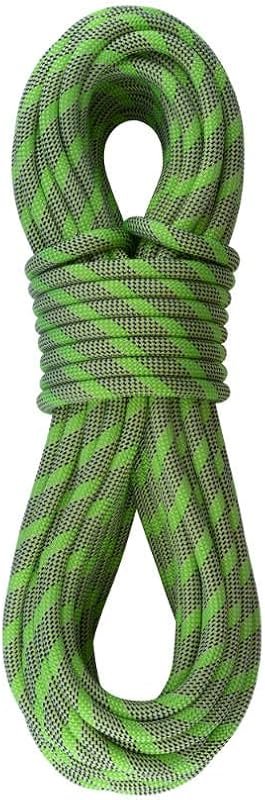 |
Sterling VR9 Dynamic Climbing Rope | Versatile sport climbing for beginners who want professional grade durability. | View on Amazon |
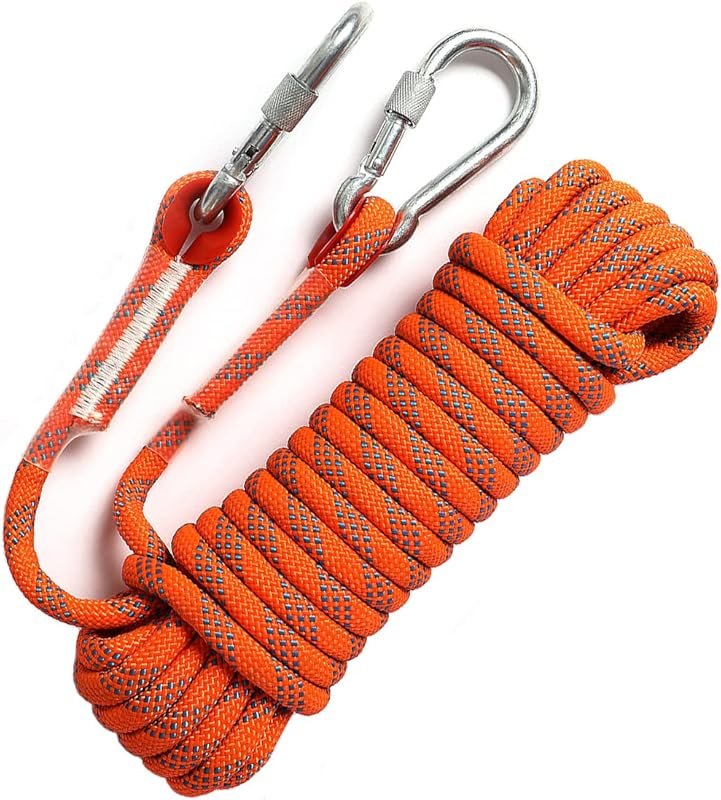 |
Static Climbing Rope 10mm/16mm | General outdoor utility, rappelling, and rescue training tasks. | View on Amazon |
 |
Climbing Gym Exercise Rope | Strength training, gym workouts, and building grip endurance. | View on Amazon |
 |
Black Diamond 9.9 Climbing Rope | Balanced performance for sport and trad climbing beginners. | View on Amazon |
 |
Static High Strength Climbing Rope | High-tensile strength needs for rigging and arborist work. | View on Amazon |
Our Top 5 Best Climbing Ropes For Beginners Reviews – Expert Tested & Recommended
1. Sterling VR9 Dynamic Climbing Rope
The Sterling VR9 is a fantastic entry point for anyone serious about sport climbing. It feels incredibly reliable, and the DryCore technology gives you confidence that it will last through those early, high-friction learning days.
Key Features That Stand Out
✓ DryCore technology prevents inner sheath abrasion
✓ Includes a clear middle mark for safer rappelling
✓ Lightweight 62g/m design for easier handling
✓ Highly durable construction for long-term use
Why We Recommend It
We love the balance of suppleness and strength this rope offers. It is easy to clip into quickdraws, which helps beginners avoid the frustration of a stiff, unruly rope.
Best For
New climbers focusing on indoor sport climbing and outdoor cragging.
Pros and Cons at a Glance
2. Static Climbing Rope 10mm/16mm
If you are looking for a reliable utility rope for rappelling or rescue training, this heavy-duty static rope is the way to go. Its multi-layer structure feels rugged and secure, perfect for those who prioritize safety in their setup.
Key Features That Stand Out
✓ High-strength polyester material
✓ Available in multiple lengths and diameters
✓ Includes protective rings and buttonholes
✓ Multi-core design for added toughness
Why We Recommend It
This is a great workhorse. While it is not designed for lead climbing (due to its static nature), it is perfect for setting up top ropes or practicing rescue techniques safely.
Best For
Outdoor enthusiasts needing a sturdy rope for rappelling, rigging, or training exercises.
Pros and Cons at a Glance
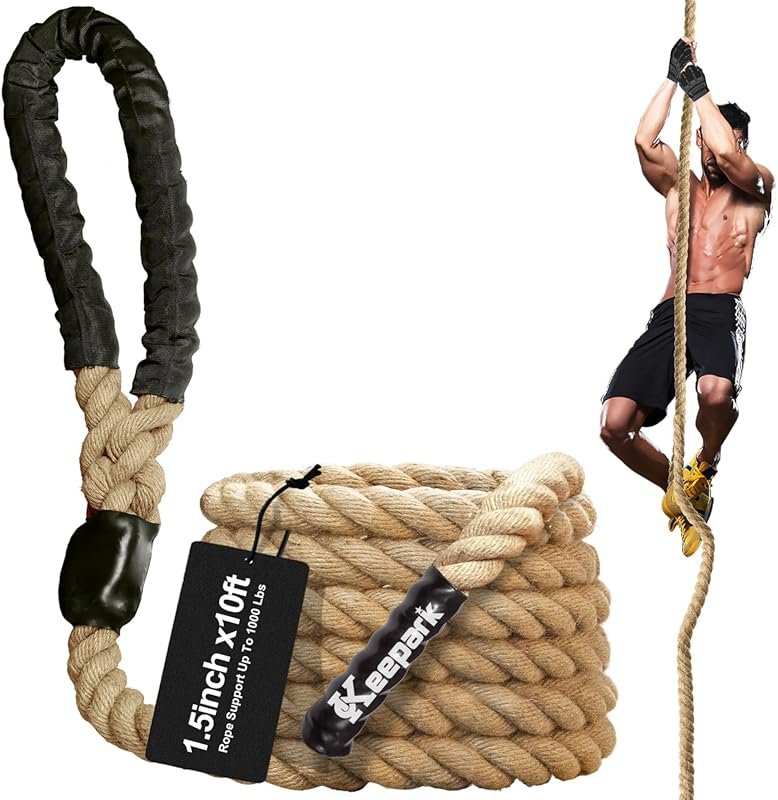
3. Climbing Gym Exercise Rope
If you are just looking to improve your grip strength and overall fitness in the gym, this hemp rope is a classic choice. It feels great in the hand and is built to survive constant tugging and climbing exercises.
Key Features That Stand Out
✓ Non-slip natural hemp construction
✓ Heat-shrinkable end caps for extra durability
✓ Thick 1.5-inch diameter for solid grip
✓ Perfect for strength training or tug-of-war
Why We Recommend It
It’s the best option for fitness buffs who want to train climbing specific muscle groups without spending a fortune on high-end dynamic gear. It’s built for abuse and handles it well.
Best For
Athletes focusing on grip, forearm, and upper-body strength training.
Pros and Cons at a Glance
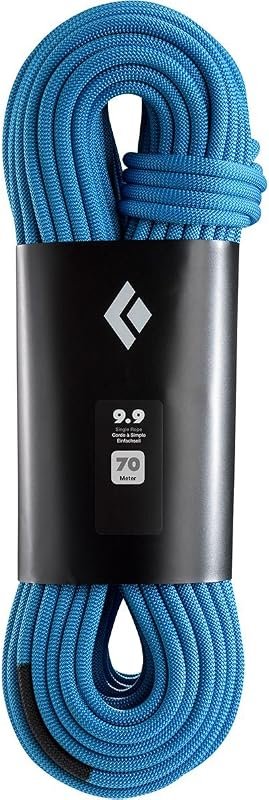
4. Black Diamond 9.9 Climbing Rope
Black Diamond makes some of the most dependable gear on the market, and their 9.9mm rope is no exception. It is specifically designed to handle the frequent clipping and belaying common in a beginner’s development.
Key Features That Stand Out
✓ All-purpose diameter for durability
✓ Supple, easy-handling for smooth clipping
✓ Robust sheath designed for heavy wear
✓ Great for both gym and sport climbing
Why We Recommend It
The consistent feed through belay devices makes learning belay mechanics much safer and less stressful. It just feels intuitive to use.
Best For
New climbers looking for a reliable, multi-purpose dynamic rope.
Pros and Cons at a Glance
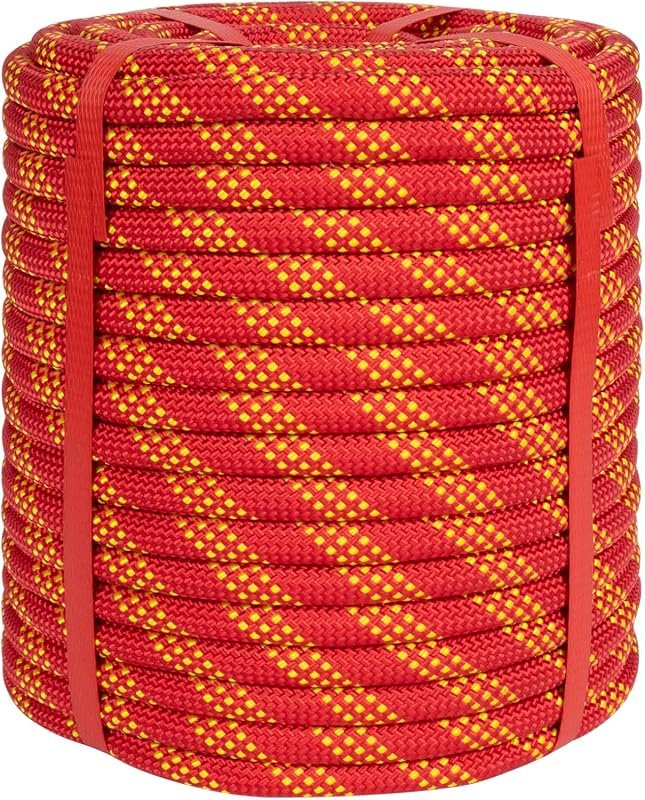
5. Static High Strength Climbing Rope
Need extreme strength for rigging or heavy work? This 1/2 inch static rope is built like a tank. It offers massive load-bearing capabilities while remaining flexible enough to work with for various professional utility tasks.
Key Features That Stand Out
✓ Massive 9000lbs tensile strength
✓ 48-strand braided sheath for durability
✓ Weather and abrasion-resistant coating
✓ Designed for superior knot-tying capability
Why We Recommend It
It provides total peace of mind for heavy-duty applications. While not meant for lead climbing, it’s a premier choice for arborists and those setting up complex, static anchor systems.
Best For
Rigging, arborist work, and professional utility tasks requiring high static strength.
Pros and Cons at a Glance
Complete Buying Guide for Best Climbing Ropes For Beginners
Essential Factors We Consider
When selecting the right rope, consider the type of climbing you intend to do. Dynamic ropes are mandatory for lead climbing because they stretch to absorb the force of a fall. Static ropes, on the other hand, are meant for rigging and rappelling where stretch is actually an unwanted trait. Always check for certifications like UIAA to ensure safety standards are met.
Budget Planning
While it is tempting to go for the cheapest option, your life literally depends on your rope. Invest in a quality, reputable brand. A mid-range dynamic rope will provide the best balance between initial cost and long-term durability. Remember to factor in the cost of a rope bag, which significantly extends the life of your gear by keeping it clean and organized.
Final Thoughts
Don’t be overwhelmed by the specs. Focus on buying a rope that fits your primary goal – if you are climbing in a gym, an all-purpose dynamic rope is your best friend. Always inspect your rope before each session, and don’t hesitate to retire a rope that shows signs of excessive wear or core damage.
Frequently Asked Questions
Q: What is the difference between static and dynamic ropes?
A: Dynamic ropes stretch to cushion a lead climber’s fall, while static ropes have minimal stretch and are used for rappelling, rescue, or hauling gear.
Q: How long should my first climbing rope be?
A: A 60-meter rope is the standard for most gyms and many outdoor crags. It offers enough length for the majority of routes you’ll encounter as a beginner.
Q: When should I retire my climbing rope?
A: You should retire your rope if you notice core damage, flat spots, severe fraying, or after it has been involved in a major, high-impact fall.
Q: Do I need a dry-treated rope?
A: If you only climb indoors, you don’t strictly need it. However, if you plan on climbing outdoors where there might be moisture or dirt, a dry-treated rope lasts significantly longer.