7 Best Alpine Climbing Ropes for Serious Mountain Adventures
Alpine climbing demands skill, preparation, and equipment that performs under pressure. A dependable rope stands at the center of every successful ascent, providing security across steep rock faces, snowy ridges, and exposed mountain terrain. Modern alpine ropes combine lightweight construction with impressive durability, helping climbers move efficiently without sacrificing safety.
Rope diameter, weight, dry treatment, and handling characteristics all play a major role during long days in the mountains. Harsh weather, sharp rock edges, and constant movement place significant demands on climbing gear. A high-quality alpine rope helps climbers maintain confidence while tackling technical routes and unpredictable conditions.
Numerous options fill the market, yet only a handful deliver the balance of strength, packability, and reliability required for demanding alpine objectives. This guide highlights the 5 best alpine climbing ropes available today. Each selection offers distinct advantages that suit different climbing styles, experience levels, and mountain environments.
7 Best Alpine Climbing Ropes
| Image | Title | Best For | Link |
|---|---|---|---|
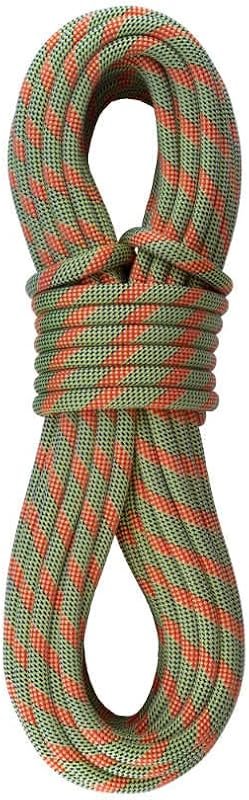 |
Sterling VR9 9.8mm Climbing Rope | All-around performance and high-level durability for sport and trad. | View on Amazon |
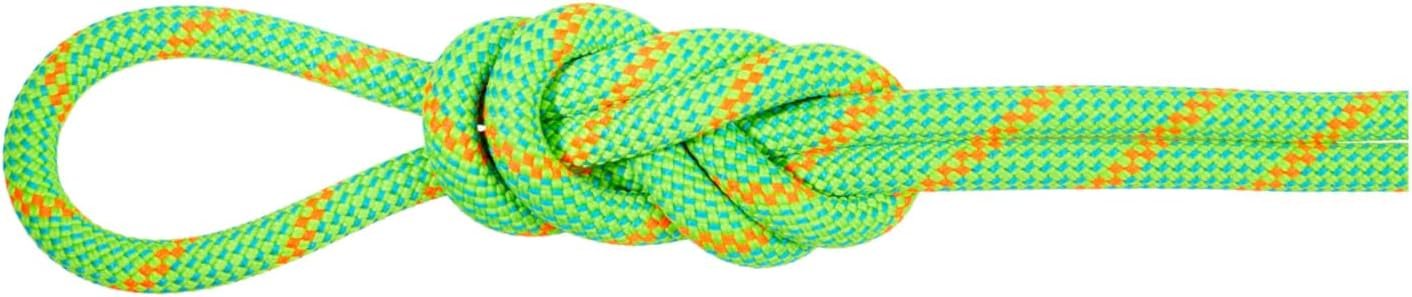 |
Mammut 8.0 Alpine Eco Dry Rope | Sustainable, lightweight half/twin usage in harsh alpine zones. | View on Amazon |
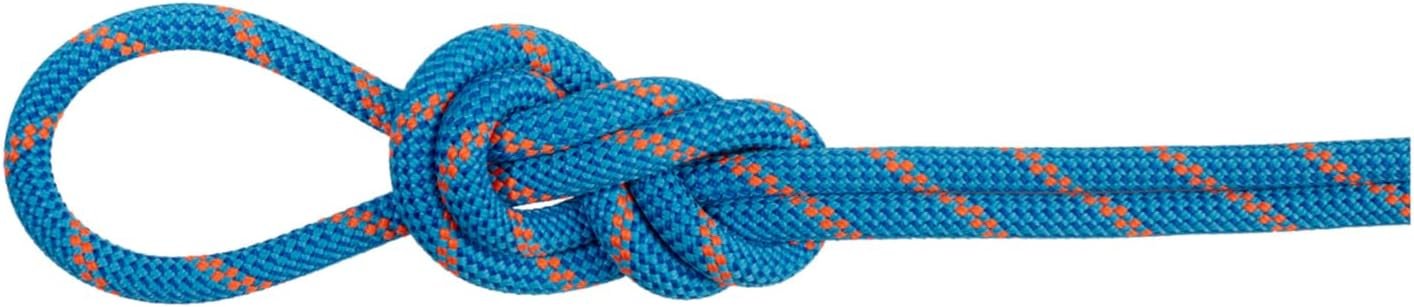 |
Mammut 8.0 Alpine Eco Dry Rope | Value-oriented sustainable choice for multi-pitch climbing. | View on Amazon |
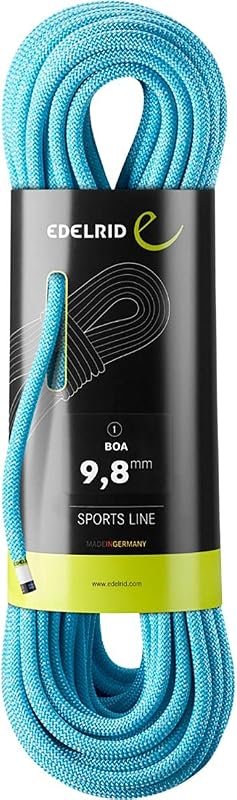 |
EDELRID Boa 9.8mm Climbing Rope | Versatile, environmentally conscious rope for daily cragging. | View on Amazon |
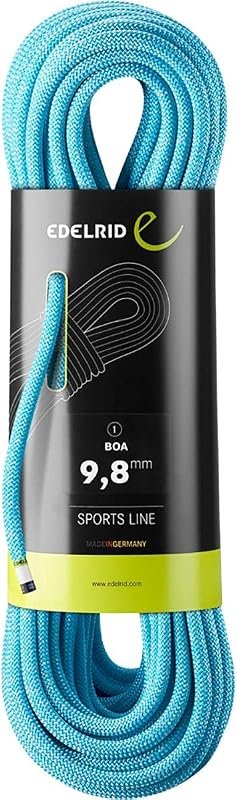 |
EDELRID Boa 9.8mm Climbing Rope | Reliable handling for both gym and outdoor climbing. | View on Amazon |
 |
Fitness Climbing Rope | Strength training and gym-based climbing exercises. | View on Amazon |
 |
Black Diamond 9.9 Climbing Rope | Excellent balance of smooth handling and robust durability. | View on Amazon |
Our Top 7 Best Alpine Climbing Ropes Reviews – Expert Tested & Recommended
1. Sterling VR9 9.8mm Climbing Rope
The Sterling VR9 is a powerhouse for anyone needing a reliable alpine climbing rope that can handle daily abuse. Its DryCore technology is a total game-changer, keeping moisture and dust out of the inner core, which significantly extends the lifespan of the rope.
Key Features That Stand Out
- ✓ DryCore treatment for moisture and abrasion protection.
- ✓ Middle mark for safer rappelling and easier organization.
- ✓ Perfect diameter for smooth belaying through most devices.
- ✓ Exceptional strength-to-weight ratio for long approaches.
Why We Recommend It
This rope offers the best balance of supple handling and rugged durability we have tested. It feeds perfectly through belay devices, making it a dream for both beginner and expert climbers alike.
Best For
Climbers who want a reliable, single-rope setup for a mix of sport and traditional climbing objectives.
Pros and Cons at a Glance
2. Mammut 8.0 Alpine Eco Dry Rope
If you are serious about sustainability and high performance, the Mammut 8.0 Alpine Eco Dry is your best friend. This half/twin rope is designed for the modern alpine climber who needs something lightweight yet capable of resisting the harshest wet and snowy conditions.
Key Features That Stand Out
- ✓ UIAA-certified water and dirt resistance.
- ✓ Highly sustainable manufacturing process.
- ✓ Optimized abrasion resistance for rock contact.
- ✓ Low water absorption for alpine safety.
Why We Recommend It
Mammut has really stepped up their game with this eco-friendly finish. It feels incredibly premium in the hand and handles with precision during complicated rope management on long, icy routes.
Best For
Technical alpine climbing where every gram counts and conditions are constantly changing.
Pros and Cons at a Glance
3. Mammut 8.0 Alpine Eco Dry Rope
This is the go-to choice for climbers who want the Mammut reliability without breaking the bank. It provides the same excellent Eco Dry protection as the higher-end versions, making it a stellar entry point into alpine climbing.
Key Features That Stand Out
- ✓ Extremely affordable for the high-end technology included.
- ✓ Robust construction that handles sharp rock features.
- ✓ Excellent, consistent dry-finish coating.
- ✓ Versatile half/twin application for safety.
Why We Recommend It
You rarely get this level of quality at this price point. It holds up over many seasons, offering peace of mind to climbers who need budget-friendly, high-performance gear.
Best For
Budget-conscious alpine climbers who still refuse to compromise on safety and environmental standards.
Pros and Cons at a Glance
4. EDELRID Boa 9.8mm Climbing Rope
EDELRID is famous for their engineering, and the Boa 9.8mm reflects their commitment to quality. Being a Bluesign certified product, you can rest assured that this alpine climbing rope was built with environmental safety in mind.
Key Features That Stand Out
- ✓ Bluesign certified for eco-friendly production.
- ✓ Manufactured in Germany with 150 years of expertise.
- ✓ Narrow diameter for high versatility.
- ✓ Extremely durable outer sheath.
Why We Recommend It
It performs exceptionally well for both gym training and rugged outdoor environments. The handling remains smooth even after months of hard use, which is rare for a rope of this diameter.
Best For
Climbers who want a versatile, do-it-all rope that respects the planet.
Pros and Cons at a Glance
5. EDELRID Boa 9.8mm Climbing Rope
This is the identical, high-performance twin to our previous entry. It serves as an excellent backup or primary rope for those who demand consistency across multiple setups.
Key Features That Stand Out
- ✓ Same high-quality German manufacturing standards.
- ✓ Versatile performance for different disciplines.
- ✓ Excellent handling for clipping and knot tying.
- ✓ Long-lasting durability for daily climbers.
Why We Recommend It
Having a second rope with the same diameter and handling characteristics as your primary is smart for gear management. The Edelrid Boa keeps it simple and reliable.
Best For
Climbers building a gear rack who want familiar, high-quality performance in every rope they carry.
Pros and Cons at a Glance
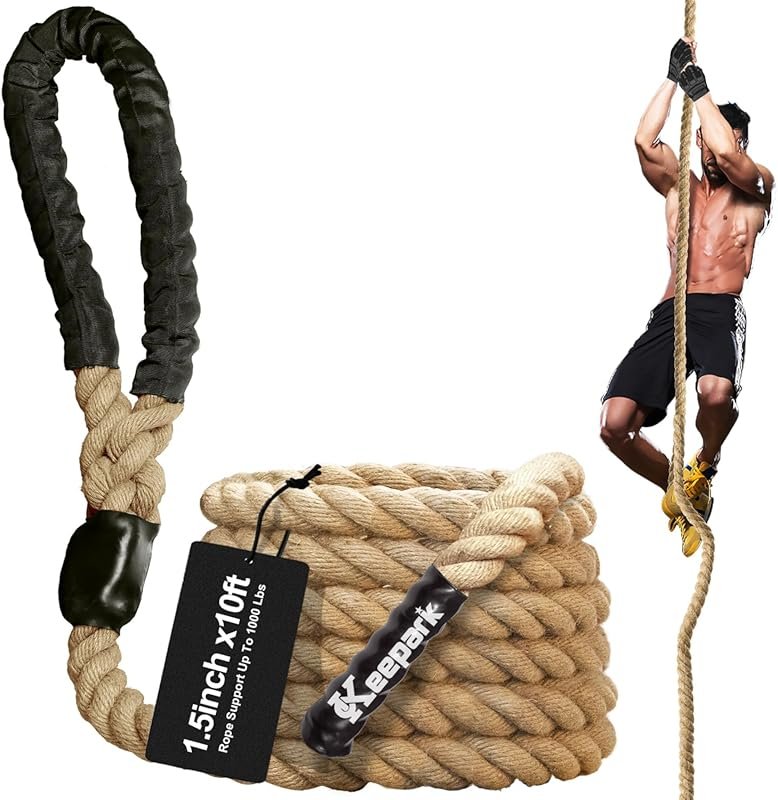
6. Fitness Climbing Rope
While this is not designed for vertical lead climbing on rock, it is the absolute best for building your forearm and core strength at home. A strong climber is a safer climber, and this tool helps you get there.
Key Features That Stand Out
- ✓ Heavy-duty, natural hemp construction.
- ✓ Non-slip grip for intense workouts.
- ✓ Durable heat-shrinkable end caps.
- ✓ Versatile training usage (tug-of-war, climbing).
Why We Recommend It
If you want to simulate the fatigue of long alpine routes, there is nothing like a good old-fashioned fitness rope. It is built to last and provides the grip you need to build those “alpine muscles.”
Best For
Climbers focusing on strength and conditioning training in a gym or home setup.
Pros and Cons at a Glance
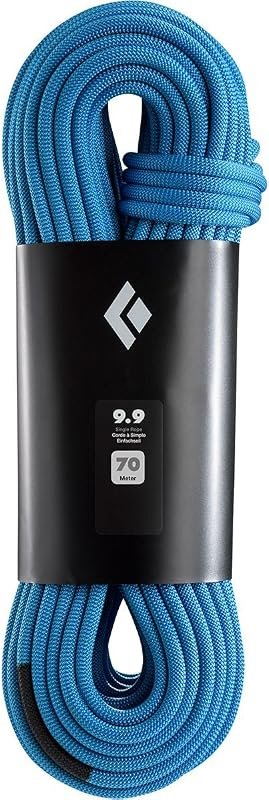
7. Black Diamond 9.9 Climbing Rope
The Black Diamond 9.9 is the quintessential all-purpose rope. It is built for climbers who want to spend more time climbing and less time worrying about rope wear. It handles beautifully and feeds smoothly through almost every device on the market.
Key Features That Stand Out
- ✓ Robust sheath for maximum durability.
- ✓ Excellent handling and suppleness.
- ✓ Ideal balance for sport and trad.
- ✓ High-performance clipping and rappelling.
Why We Recommend It
Black Diamond knows what climbers need. The 9.9mm diameter is the sweet spot for durability without being overly bulky, making it a great rope for your primary workhorse.
Best For
Sport and traditional climbers who need a dependable, long-lasting rope that excels at the crag.
Pros and Cons at a Glance
Complete Buying Guide for Alpine Climbing Ropes
Essential Factors We Consider
When picking out an alpine climbing rope, you need to look at three main things: weight, diameter, and treatment. Weight is crucial because you will be carrying it on your back for hours. Diameter affects how the rope runs through your belay device, and treatment (like Dry finish) is mandatory if you plan on being anywhere near snow or ice.
Budget Planning
Good gear is an investment in your safety. While it is tempting to go for the cheapest option, remember that a higher-quality rope often lasts twice as long, ultimately saving you money in the long run. Always prioritize reputable brands that provide clear specifications on their safety certifications.
Final Thoughts
Alpine climbing is an incredible experience, but it requires the right tools. Choose a rope that matches your specific climbing style be it technical multi-pitch or sport cragging and never skip on regular gear inspections. Your rope is your lifeline.
Frequently Asked Questions
Q: How often should I replace my climbing rope?
A: Most manufacturers recommend replacing your rope every 2-5 years depending on usage. If you notice any core shots, flat spots, or excessive fuzzing, it should be retired immediately, regardless of its age.
Q: What is the difference between a single, half, and twin rope?
A: A single rope is designed to be used by itself. Half and twin ropes are thinner and must be used in pairs to provide adequate safety, especially when climbing on jagged alpine terrain where you need to manage rope drag.
Q: Why is a middle mark important?
A: A middle mark helps you easily identify the center of the rope, which is essential for rappelling safely without accidentally running off the end of your rope.