5 Best Yoga Sequencing Books (Essential Guides for Creative Class Design)
5 Best Yoga Sequencing Books
| Image | Title | Best For | Link |
|---|---|---|---|
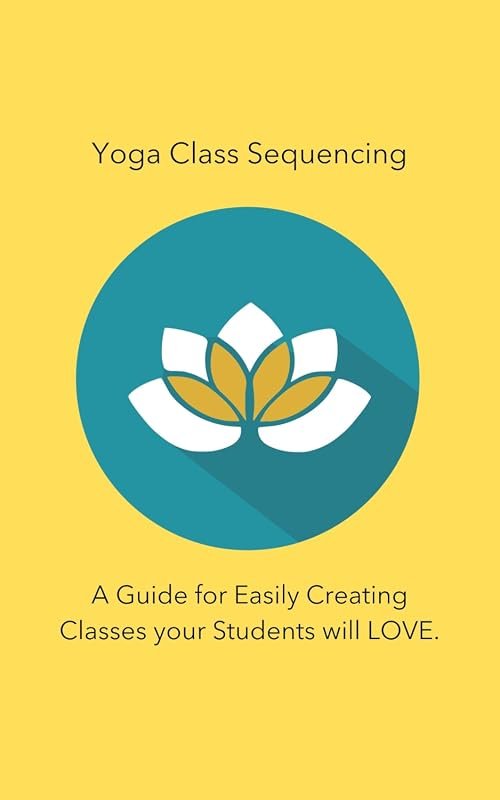 |
Yoga Class Sequencing Guide | Simple, professional class creation techniques. | View on Amazon |
 |
Yoga Sequencing: 120 Active Asanas | Beginners and advanced practitioners. | View on Amazon |
 |
Universal Yoga: Art of Sequencing | Professional class design mastery. | View on Amazon |
 |
Yoga Sequencing: Transformative Classes | Instructors leading meaningful sessions. | View on Amazon |
 |
108 Yoga Themes Collection | Inspiring scripts and class ideas. | View on Amazon |
Our Top 5 Best Yoga Sequencing Books Reviews – Expert Tested & Recommended
1. Yoga Class Sequencing Guide: Simple Techniques to Create Professional Classes Your Students Will Absolutely Love
This guide is a breath of fresh air for teachers who feel stuck in a rut. It breaks down the complex art of yoga sequencing into manageable, easy-to-follow steps that help you build balanced classes every time.
Key Features That Stand Out
- ✓ Focuses on logical progression of asanas.
- ✓ Includes clear templates for various class levels.
- ✓ Emphasizes student safety and anatomical alignment.
- ✓ Provides tips for setting a theme for your session.
Why We Recommend It
We love this book because it takes the intimidation out of planning. It is perfect for instructors who want to deliver professional, high-quality classes without the stress of reinventing the wheel each week.
Best For
New yoga teachers and those who need a structured foundation for their class plans.
Pros and Cons at a Glance
- ✓ Simplifies complex anatomy concepts.
- ✓ Great for building confidence quickly.
- ✓ Highly practical for daily class prep.
- ✗ Might be too simple for master teachers.
- ✗ Lacks deep spiritual philosophy sections.
2. Yoga Sequencing: 120 Illustrated Asanas for Beginners, Advanced Practitioners, and Solo Yoga Practice
This reference book is a visual powerhouse. It provides clear illustrations of 120 asanas, making it an essential companion for both home practice and classroom inspiration.
Key Features That Stand Out
- ✓ High-quality illustrations for every pose.
- ✓ Covers a wide range of difficulty levels.
- ✓ Excellent for designing diverse flow styles.
- ✓ User-friendly layout for quick reference.
Why We Recommend It
The visual nature of this book makes it a standout. Seeing the transitions clearly helps you understand how to link poses effectively, which is the heart of great yoga sequencing.
Best For
Visual learners and yoga teachers who want to expand their library of poses.
Pros and Cons at a Glance
- ✓ Detailed pose breakdowns.
- ✓ Easy to read while practicing.
- ✓ Covers a broad spectrum of asanas.
- ✗ Doesn’t include complex meditation guides.
- ✗ The physical size makes it heavy to carry.
3. Universal Yoga: The Art of Sequencing for Teachers and Practitioners Seeking Professional Class Design Mastery
Universal Yoga offers an incredible amount of value for the price. It focuses on the “why” and “how” behind sequence design, ensuring your sessions are not just physically challenging but also energetically balanced.
Key Features That Stand Out
- ✓ Explains the principles of multidimensional sequencing.
- ✓ Budget-friendly for teachers on a start-up path.
- ✓ High focus on energetic and physiological benefits.
- ✓ Encourages deep creative thinking.
Why We Recommend It
If you want to move beyond basic pose linking and into more thoughtful, transformative class design, this book is your best friend. It offers a deeper pedagogical approach that is rare at this price point.
Best For
Teachers looking to add more depth and intelligence to their sequencing without spending a fortune.
Pros and Cons at a Glance
- ✓ Deeply educational and thoughtful.
- ✓ Excellent value for money.
- ✓ Promotes high-level design strategies.
- ✗ Requires some base-level yoga knowledge.
- ✗ Less “beginner-friendly” in terms of terminology.
4. Yoga Sequencing: Designing Transformative Yoga Classes for Instructors Who Want to Lead Meaningful Daily Sessions
This classic in the field is a must-have for any serious instructor. It covers the technical aspects of yoga sequencing while helping you maintain the soul and purpose behind your classes.
Key Features That Stand Out
- ✓ Extensive library of sample sequences.
- ✓ Focuses on different themes and body parts.
- ✓ Addresses the needs of various age groups.
- ✓ Authoritative and deeply researched content.
Why We Recommend It
This is widely considered the gold standard for teachers. Its comprehensive approach ensures that you are prepared to teach everything from beginner Hatha to more complex Vinyasa flows.
Best For
Teachers who want a comprehensive, all-in-one manual for their professional journey.
Pros and Cons at a Glance
- ✓ Extremely thorough and detailed.
- ✓ Covers almost every yoga scenario.
- ✓ Great long-term reference.
- ✗ Very dense, requires focused reading.
- ✗ Too much text for quick, on-the-go checks.
5. 108 Yoga Themes: Transformative Class Ideas, Sequencing Guides, and Scripts for Inspiring Teachers and Students
Sometimes you have the poses down, but you need inspiration for the “vibe” of the class. This book provides 108 distinct themes, making it easy to create engaging, memorable experiences for your students.
Key Features That Stand Out
- ✓ Massive list of creative, inspiring themes.
- ✓ Includes scripts for opening and closing remarks.
- ✓ Pairs well with technical sequencing guides.
- ✓ Excellent for teachers suffering from writer’s block.
Why We Recommend It
We believe that a great class is more than just movement; it’s about the intention. This book fills that gap, giving you the words and concepts to build a cohesive story into every yoga sequencing plan.
Best For
Teachers who want to enhance the “soul” and “message” of their classes.
Pros and Cons at a Glance
- ✓ Incredible variety of class themes.
- ✓ Helps you connect with your students emotionally.
- ✓ Very easy to pick up and find inspiration quickly.
- ✗ Not a technical guide for anatomy.
- ✗ Best used alongside a sequencing manual.
Complete Buying Guide for Yoga Sequencing Books
Essential Factors We Consider
When picking out the right yoga sequencing books, think about your specific goal. Do you need anatomical help, inspiration for flows, or guidance on themes? Most teachers find that a combination of a technical manual and a thematic guide works best.
Budget Planning
You do not need to spend hundreds of dollars to build a great library. Start with one solid reference book and supplement it with budget-friendly options that focus on your weaker areas. Quality is more important than quantity when it comes to long-term teaching development.
Final Thoughts
The journey of teaching yoga is ongoing. Investing in these books is a sign of dedication to your students and your craft. Choose the one that speaks to your current stage of growth and watch how it elevates your presence on the mat.
Frequently Asked Questions
Q: Which book is best for absolute beginners?
A: The Yoga Class Sequencing Guide is perfect for beginners because it simplifies complex ideas and focuses on standardizing your workflow.
Q: Do these books cover injury prevention?
A: Yes, most professional guides like those listed here emphasize safe alignment cues, which are critical for preventing injury during practice.
Q: Can I use these books for personal practice?
A: Absolutely! Many of these books are designed for both instructors and dedicated practitioners who want to build better flows at home.