
Can You Gain Muscle in a Calorie Deficit? The Truth Explained
Many people believe building muscle requires eating more food, while losing fat means cutting calories. The idea of gaining muscle in a calorie deficit sounds impossible, but the answer depends on your approach.
Muscle growth relies on strength training, proper recovery, and enough protein to support repair. A calorie deficit challenges your body to use stored energy, yet with the right balance, it can still adapt and build lean tissue.
Beginners, overweight individuals, and those returning after a training break often experience “newbie gains,” allowing them to build muscle while losing fat. For others, the process demands precision in nutrition and training.
Adequate protein intake, smart workout programming, and recovery habits play a key role in success. The process may not maximize growth like a calorie surplus would, but under the right conditions, gaining muscle while eating fewer calories is possible and achievable.
Can You Gain Muscle in a Calorie Deficit?
Many people want to burn fat and build muscle at the same time. The challenge is that these two goals often pull in opposite directions. Fat loss needs fewer calories, while muscle growth needs extra energy.
Still, many people notice muscle gains in a calorie deficit. How is this possible? The truth is, under the right conditions, your body can build muscle and lose fat together.
What Is a Calorie Deficit?
A calorie deficit happens when you eat fewer calories than your body burns in a day. This can come from eating less food, moving more, or both. For example:
-
If your body burns 2,500 calories per day and you eat 2,000, you are in a deficit of 500 calories.
-
That 500-calorie gap forces your body to use stored fat for energy.
The size of the deficit matters. A very large deficit can harm performance, recovery, and muscle growth. A small to moderate deficit helps you lose fat without sacrificing too much energy for training.
How Muscle Growth Works?
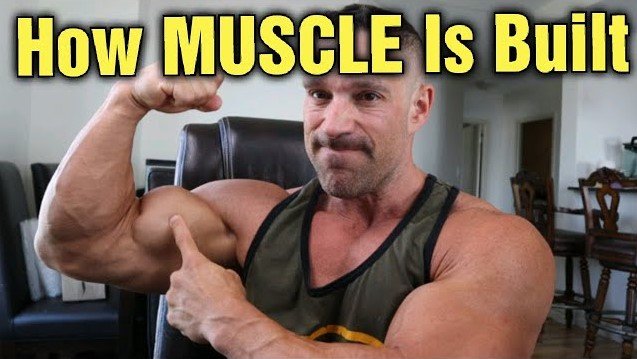
Muscle growth (hypertrophy) needs three key conditions:
-
Mechanical Tension – Heavy lifting puts stress on muscle fibers.
-
Muscle Damage – Training breaks down fibers, creating tiny tears.
-
Recovery and Repair – Protein and rest rebuild those fibers stronger and bigger.
Energy is required for this repair process. That’s why a calorie surplus often helps muscle growth. But with smart planning, your body can still use stored fat to support the process during a deficit.
Who Can Gain Muscle in a Deficit?
Beginners
New lifters experience rapid progress known as “newbie gains.” Their bodies adapt quickly, allowing them to build muscle even with limited calories.
Overweight Individuals
People with higher body fat have stored energy that can fuel muscle growth. Their bodies can use fat for energy while still building lean mass.
Returning Lifters
Muscle memory plays a role for people who stopped training and then restarted. Their bodies “remember” previous strength and muscle size, which allows faster regrowth even without a surplus.
Advanced Lifters
People who already have years of training usually need a calorie surplus for new growth. Their bodies are closer to their genetic limit, so gains come slowly in a deficit.
Key Factors for Muscle Growth in a Deficit

Strength Training
Training style is the foundation. Focus on:
-
Compound exercises: Squats, deadlifts, bench press, pull-ups, and rows.
-
Progressive overload: Add more weight, reps, or sets gradually.
-
Consistency: Train each muscle group at least 2 times per week.
Protein Intake
Protein is the building block of muscle. Without enough, your body cannot repair fibers properly.
-
Aim for 1.6–2.2 grams per kilogram of body weight per day.
-
Spread protein across 3–5 meals for better absorption.
-
Good sources: chicken, fish, eggs, lean beef, lentils, beans, tofu, and dairy.
Carbohydrates and Fats
Carbs fuel your workouts. Fats support hormones like testosterone, which helps muscle growth.
-
Choose complex carbs: rice, oats, potatoes, fruits, and whole grains.
-
Include healthy fats: olive oil, avocados, nuts, and fatty fish.
Recovery and Sleep
Muscles repair during rest, not training. Poor recovery slows progress.
-
Aim for 7–9 hours of sleep.
-
Manage stress to keep hormones balanced.
-
Rest days are important—overtraining leads to fatigue and weaker muscles.
Size of the Deficit
-
Small deficit (300–500 calories): Best for fat loss with muscle gain.
-
Large deficit (800+ calories): Fat loss is faster, but muscle growth becomes very difficult.
Sample One-Day Plan for Muscle Growth in a Deficit
Training Plan
-
Warm-up: 5–10 minutes light cardio + dynamic stretches
-
Workout:
-
Squat – 4 sets of 6–8 reps
-
Bench Press – 4 sets of 6–8 reps
-
Barbell Row – 3 sets of 8–10 reps
-
Overhead Press – 3 sets of 8–10 reps
-
Pull-ups or Lat Pulldown – 3 sets of 8–12 reps
-
Plank – 3 rounds of 1 minute
-
Meal Plan
-
Breakfast: Oats with milk, eggs, and nuts
-
Snack: Greek yogurt with berries
-
Lunch: Grilled chicken, rice, and vegetables
-
Snack: Protein shake and banana
-
Dinner: Salmon, sweet potatoes, and broccoli
This plan balances protein, carbs, and fats while keeping calories slightly below maintenance.
FAQs
Can I gain muscle and lose fat at the same time?
Yes, but it works best for beginners, overweight people, or those returning to training.
How big should my calorie deficit be?
Keep the deficit small, about 300–500 calories daily, to support both goals.
What happens if my deficit is too large?
A large deficit can cause strength loss, poor recovery, and muscle breakdown.
Do I need supplements for this?
Supplements are not required. Focus on whole foods first. Protein powder or creatine can help if your diet lacks nutrients.
How long does it take to see results?
Most people see noticeable changes in 8–12 weeks with proper training and diet.
Conclusion
Yes, you can gain muscle in a calorie deficit, but the results depend on your training experience, body fat levels, and nutrition. Beginners, overweight individuals, and returning lifters have the best chance.
A small deficit, strong strength training, high protein intake, balanced nutrition, and good recovery make the process possible. Fat loss and muscle gain together require patience, but the results can be worth the effort.