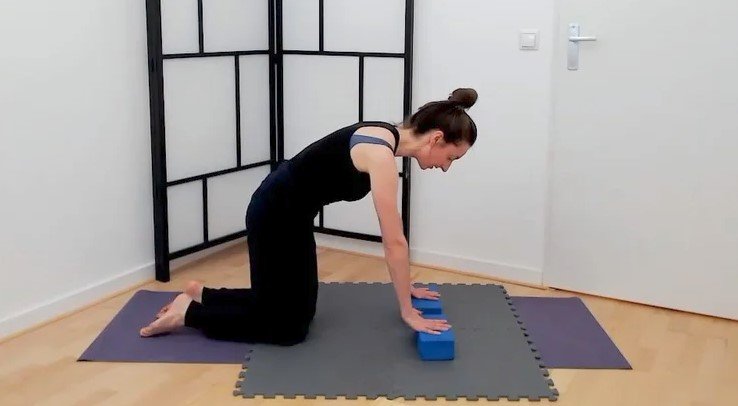
6 Best Yoga Mats for Weak Wrists (Supportive Mats)
Wrist discomfort can make yoga poses like Downward Dog, Plank, and Chaturanga feel challenging, but the right yoga mat can help reduce pressure and improve overall comfort. A supportive mat provides better cushioning while maintaining the stability needed for proper alignment, allowing you to practice with greater confidence. Whether you have naturally sensitive wrists, are recovering from minor strain, or simply want more support during weight-bearing poses, choosing the right mat can make a noticeable difference.
The best yoga mats for weak wrists balance cushioning with firmness. A mat that’s too soft can cause your hands to sink, while one that’s too thin may not provide enough shock absorption. High-density materials, reliable grip, durable construction, and a non-slip surface all contribute to a safer and more comfortable practice. Thickness, texture, and overall stability are equally important for maintaining proper form throughout your routine.
We compared a variety of yoga mats to identify the models that offer the best combination of wrist support, grip, durability, and overall value. The six recommendations below are excellent choices for yogis who want to reduce hand and wrist discomfort while enjoying a more stable and comfortable practice.
6 Best Yoga Mats For Weak Wrists
| Image | Title | Best For | Link |
|---|---|---|---|
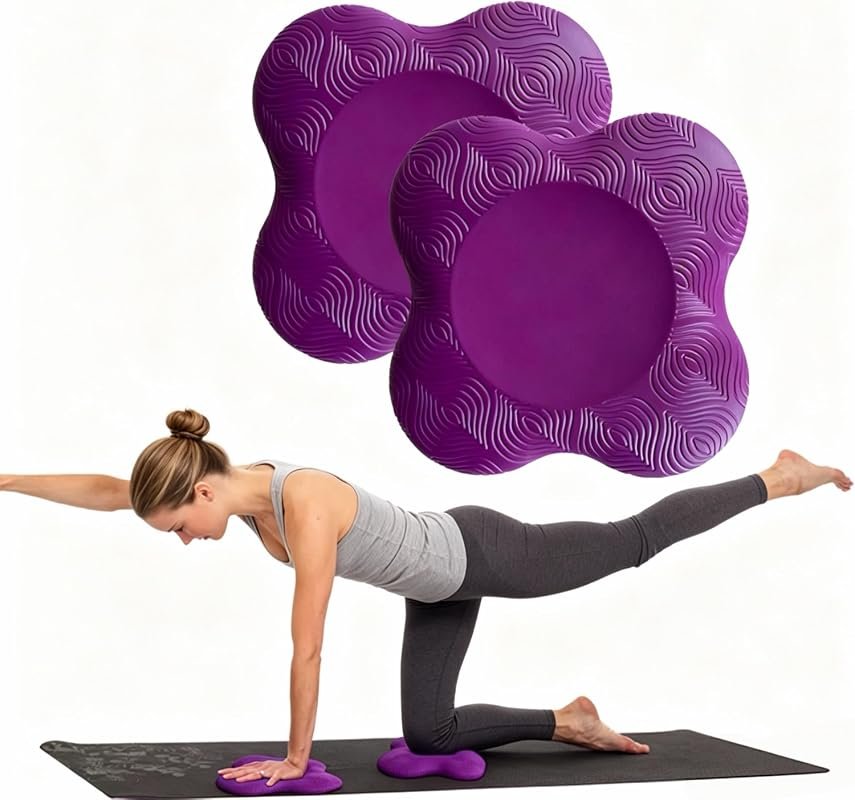 |
Yoga Knee Pad Cushion | Best for targeted pressure relief on wrists and knees. | View on Amazon |
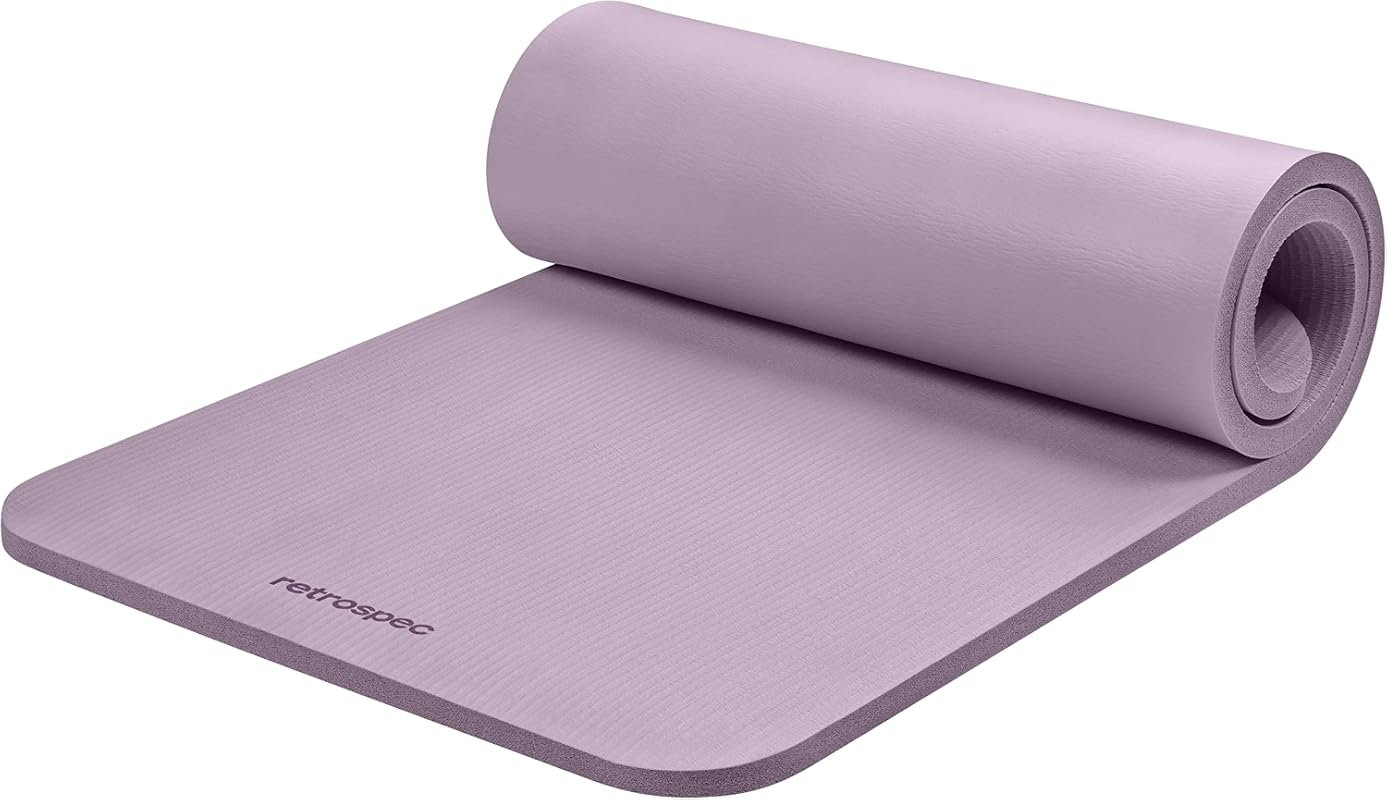 |
Retrospec Solana Yoga Mat | Best extra-thick mat for overall joint protection. | View on Amazon |
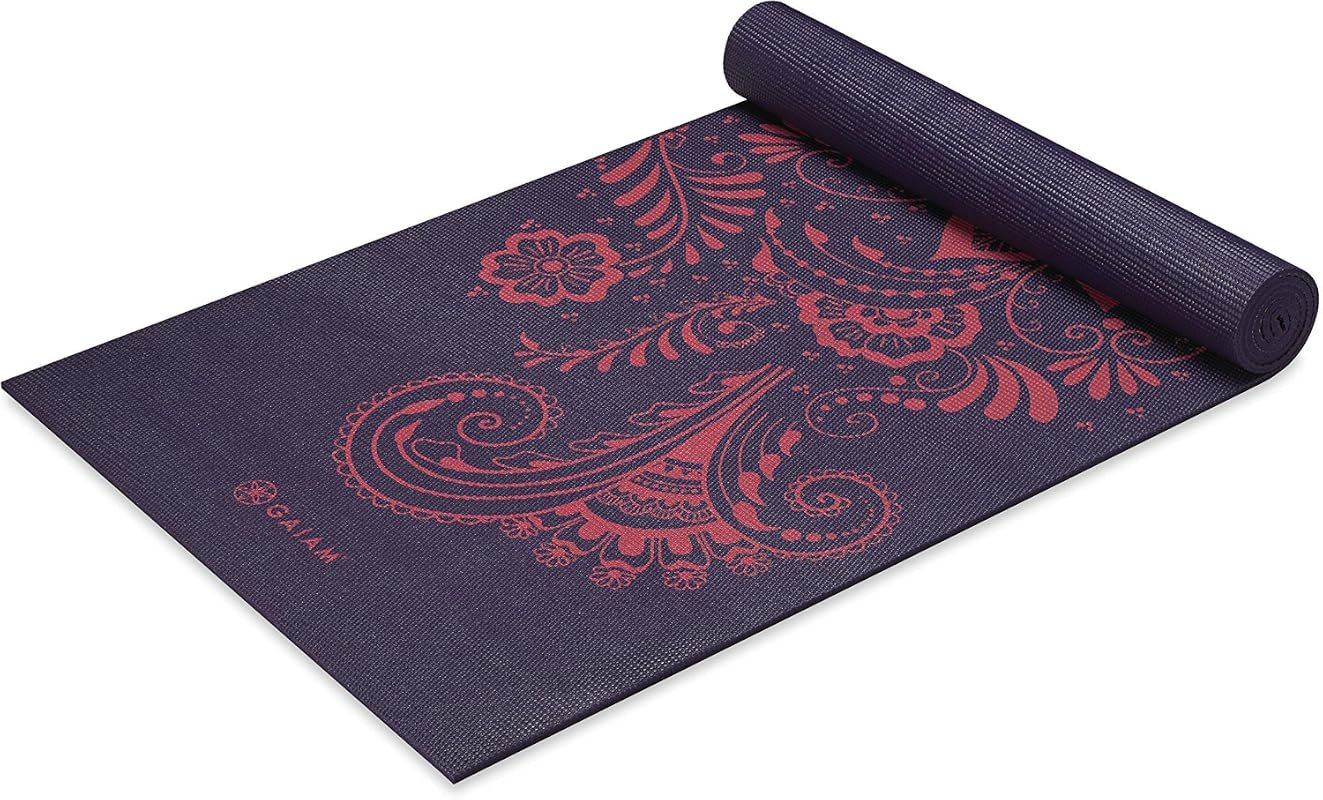 |
Gaiam Premium Yoga Mat | Best budget-friendly pick for beginners. | View on Amazon |
 |
Manduka X Yoga Mat | Best for high-performance durability. | View on Amazon |
 |
Extra Thick Yoga Mat | Best for superior cushioning during floor work. | View on Amazon |
 |
Yoga Knee Pad Cushion | Best for rehabbing and localized support. | View on Amazon |
Our Top 6 Best Yoga Mats For Weak Wrists Reviews – Expert Tested & Recommended
1. Extra Thick Yoga Knee Pad Cushion
Sometimes you do not need an entire new mat; you just need a little extra help for your joints. This cushion is a game-changer for anyone dealing with wrist pain during planks or floor poses.
Key Features That Stand Out
- ✓ Thickened foam material for maximum joint protection.
- ✓ Central sag design to cradle your wrists or knees.
- ✓ Non-slip textured surface for enhanced stability.
- ✓ High-density foam that resists deformation over time.
Why We Recommend It
This pad is incredibly versatile and provides the exact support needed where thin mats fail. It offers instant rebound and reliable durability for daily practice.
Best For
Best for practitioners who want targeted relief for wrist or knee discomfort without replacing their full-sized mat.
Pros and Cons at a Glance
2. Retrospec Solana 1-Inch Thick Yoga Mat
If you want serious cushioning, the Retrospec Solana is hard to beat. At one inch thick, it feels like practicing on a cloud, which is a massive relief for tired or weak wrists.
Key Features That Stand Out
- ✓ Massive 1-inch thickness for ultimate joint support.
- ✓ Non-slip material provides a steady foundation.
- ✓ Includes a carrying strap for easy transport.
- ✓ Durable design suitable for everyday intensive exercise.
Why We Recommend It
The thickness is the main selling point here. It significantly reduces the impact on joints during floor-based movements, allowing you to hold poses longer without pain.
Best For
Best for those who prioritize maximum cushioning and need a thick barrier between their joints and a hard floor.
Pros and Cons at a Glance
3. Gaiam Premium Yoga Mat
Gaiam is a household name for a reason. This 6mm mat offers a perfect balance of thickness and affordability, making it a great entry point for those needing more wrist support.
Key Features That Stand Out
- ✓ 6mm thickness provides extra cushioning for joints.
- ✓ Sticky, non-slip texture for reliable grip.
- ✓ Lightweight construction for easy carrying.
- ✓ Made from non-toxic, 6P-free materials.
Why We Recommend It
It is durable, safe, and provides just enough padding to make a noticeable difference for your wrists without breaking the bank.
Best For
Best for beginners who need a reliable, affordable mat that provides better joint support than standard, ultra-thin alternatives.
Pros and Cons at a Glance
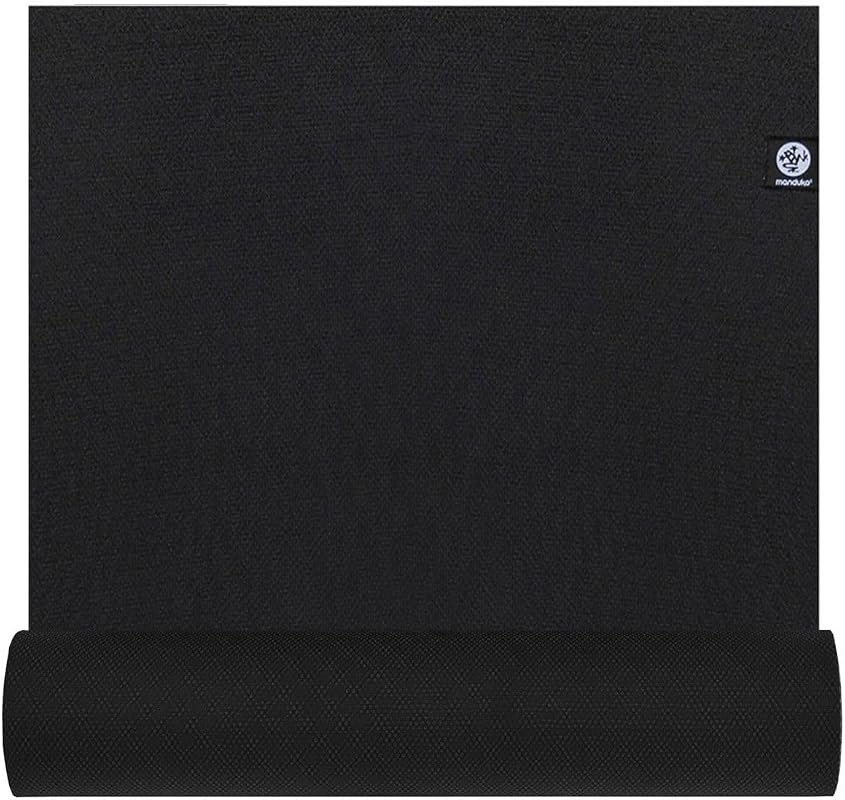
4. Manduka X Yoga Mat
The Manduka X is designed for athletes who need something rugged. Its 5mm thickness provides a dense, supportive cushion that is fantastic for stabilizing wrists during intense movements.
Key Features That Stand Out
- ✓ 5mm density provides firm, shock-absorbing support.
- ✓ Double-weave scrim for ultra-durability.
- ✓ Lightweight enough for outdoor practice.
- ✓ Crosshatch texture for enhanced traction.
Why We Recommend It
If you want a mat that will last for years, this is it. It holds up perfectly to high-intensity workouts while keeping your wrists supported.
Best For
Best for fitness enthusiasts who combine high-intensity training with yoga and need a mat that survives both.
Pros and Cons at a Glance
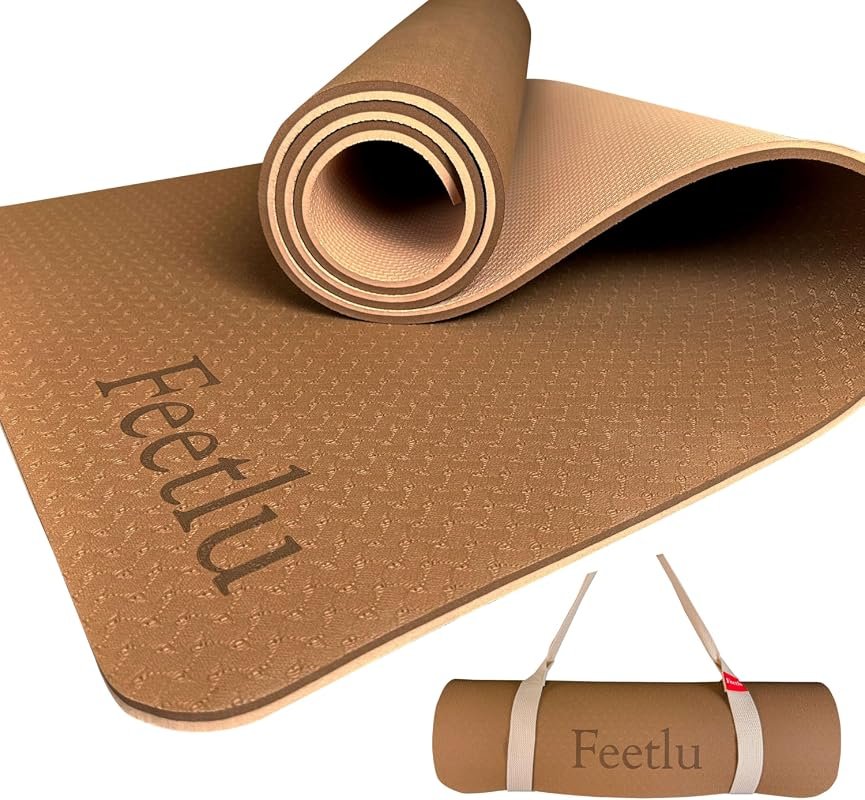
5. Extra Thick 10mm Yoga Mat
If comfort is your absolute priority, this 10mm thick mat is a fantastic solution. Its extra thickness creates a generous buffer for your sensitive wrists.
Key Features That Stand Out
- ✓ 10mm thickness offers superior joint cushioning.
- ✓ Tear-resistant, durable build quality.
- ✓ Dual-textured for enhanced stability.
- ✓ Includes a convenient carry strap.
Why We Recommend It
The extra thickness turns hard floor surfaces into a soft, inviting space. It is incredibly effective for anyone who finds standard mats just too thin.
Best For
Best for Pilates, stretching, and floor exercises where comfort is more important than extreme balance for standing poses.
Pros and Cons at a Glance
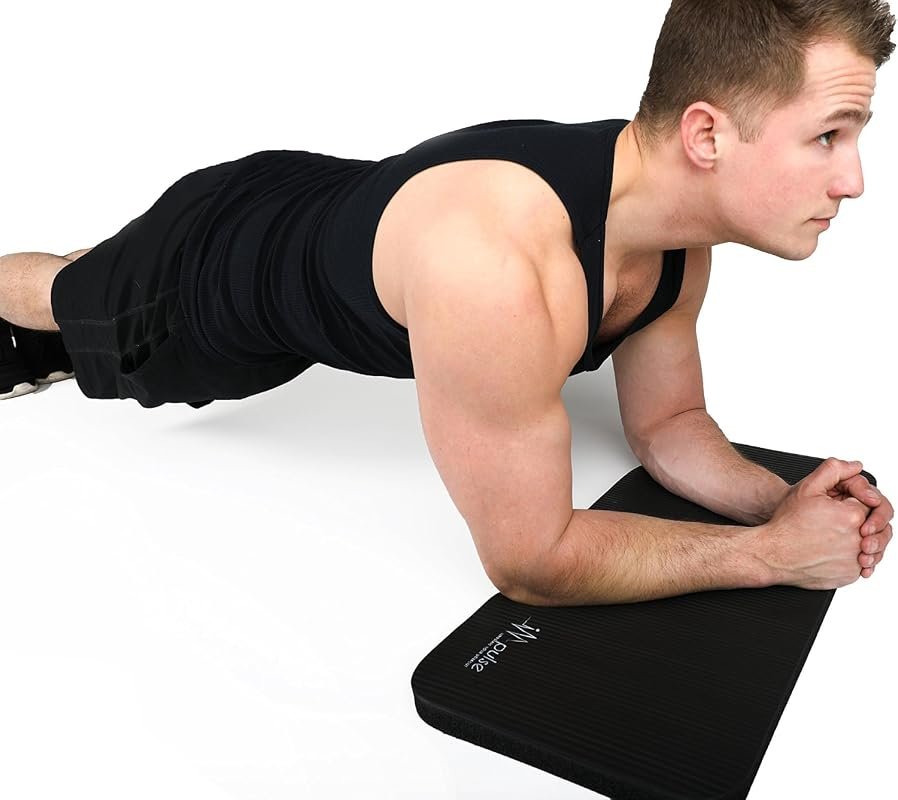
6. Yoga Knee Pad Cushion
This simple but effective pad is a lifesaver for injury recovery. It provides instant comfort for joints that need a bit of extra love during daily routines.
Key Features That Stand Out
- ✓ 1 inch of extra foam padding.
- ✓ Perfect for localized support and recovery.
- ✓ Lightweight and portable.
- ✓ Versatile for pushups and planks.
Why We Recommend It
It is the perfect companion for anyone managing a specific injury. It turns any surface into a more forgiving environment instantly.
Best For
Best for those in physical therapy or anyone needing specific support under wrists or elbows during mat exercises.
Pros and Cons at a Glance
Complete Buying Guide for Yoga Mats For Weak Wrists
Essential Factors We Consider
When picking a mat for weak wrists, the two most important factors are thickness and material density. You want enough cushion to alleviate pressure, but you still need a stable surface so you do not lose your balance. Always look for non-slip textures to ensure your hands stay put.
Budget Planning
You do not need to spend a fortune. Sometimes, a high-quality knee pad combined with your existing thin mat is more cost-effective than buying a premium thick yoga mat. Invest based on how often you practice and how much comfort you truly require.
Final Thoughts
Listening to your body is the best way to avoid injury. If your wrists hurt, make the change to a more supportive surface today. Your practice should feel good, and with the right gear, it absolutely can.
Frequently Asked Questions
Q: Can I use a yoga knee pad for my wrists?
A: Absolutely! Many people use knee pads to provide extra cushioning under their hands or wrists during planks, table-top poses, and pushups.
Q: How thick should my mat be for weak wrists?
A: Aim for at least 5mm to 6mm for general support. If you have significant pain, look for 10mm options or a dedicated foam cushion.
Q: Does a thicker mat make it harder to balance?
A: Yes, extremely thick, soft mats can make standing balance poses slightly more challenging because the surface is less firm. Finding a balance between density and thickness is key.
Q: Are all thick yoga mats non-slip?
A: Not necessarily. Always check the description for “non-slip texture” or “sticky grip” to ensure your hands won’t slide while you are holding your weight.