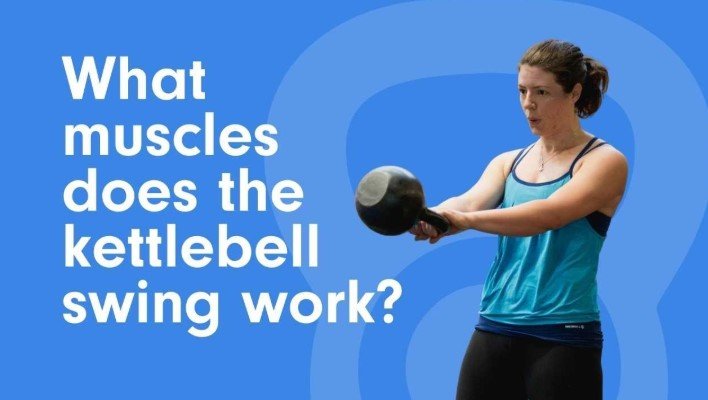
What Muscles Do Kettlebell Swings Work? Unlocking Strength
Kettlebell swings deliver more than a quick burst of cardio. This powerful movement builds strength, improves stability, and pushes the body to move as a single unit. Each rep drives energy from the ground up, forcing muscles across the body to fire together.
The explosive hip hinge creates force through the glutes and hamstrings, while the quads assist in power generation. The core braces hard to stabilize the spine, and the shoulders guide the bell’s motion without taking over the work.
Even the grip and forearms engage with every swing, adding endurance and control. This makes the kettlebell swing an exercise that challenges both strength and conditioning in one fluid motion.
Athletes, fitness beginners, and busy professionals all benefit from its efficiency. Knowing which muscles take the lead in this movement helps maximize results, improve technique, and build a stronger, more powerful body.
What Muscles Do Kettlebell Swings Work?
Kettlebell swings are one of the best exercises for total-body strength. This simple movement works multiple muscles at the same time. It develops power, endurance, and balance.
Many people think kettlebell swings only work the legs, but the truth is they target the glutes, hamstrings, core, shoulders, and more. Understanding which muscles they work helps you exercise safely and get better results.
Main Muscles Worked by Kettlebell Swings
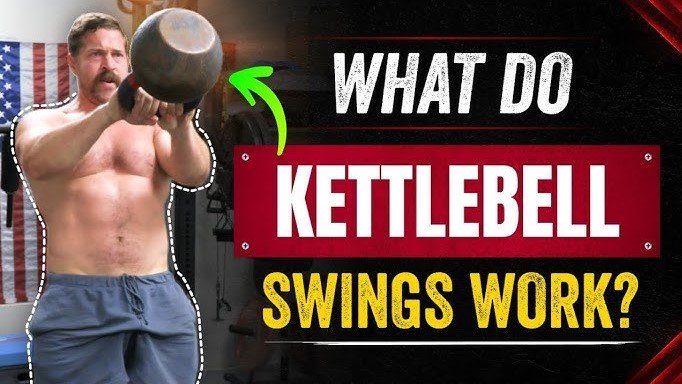
1. Glutes (Butt Muscles)
The glutes are the largest muscles in your body. They are the primary drivers in kettlebell swings. Every time you push your hips forward, the glutes contract hard. Strong glutes improve posture, running, jumping, and daily movements like standing up from a chair.
Extra Tip: Focus on squeezing your glutes at the top of the swing. This ensures the muscles are fully activated.
2. Hamstrings (Back of Thighs)
Hamstrings work together with the glutes to extend the hips. During the swing, the hamstrings stretch as you hinge forward and contract as you push the hips forward. Strengthening these muscles reduces the risk of hamstring strains and improves overall leg power.
Extra Tip: Keep your knees slightly bent. Avoid locking them, as this helps the hamstrings work safely.
3. Core Muscles (Abs and Lower Back)
The core includes the rectus abdominis, obliques, and erector spinae (lower back muscles). These muscles stabilize the spine during the swing. A strong core protects your lower back, improves balance, and supports lifting movements.
Extra Tip: Pull your belly button toward your spine during the swing. This keeps your core tight and safe.
4. Quadriceps (Front of Thighs)
Quadriceps assist in bending the knees slightly during the swing. They help control the movement and provide extra power when you lift or swing the kettlebell. Strong quads also support knee health and improve jumping and running performance.
5. Lower Back
The erector spinae muscles in the lower back prevent your spine from rounding. They stabilize the torso while swinging heavy weights. Strong lower back muscles reduce the risk of injuries during lifting exercises.
Extra Tip: Avoid using your lower back to lift the kettlebell. The movement should come from your hips.
6. Shoulders
The deltoids in your shoulders help guide the kettlebell at the top of the swing. They stabilize the weight and prevent strain on the arms. Although shoulders are not the main muscles worked, they gain strength and endurance from repeated swings.
7. Forearms and Grip
Holding the kettlebell builds grip strength. The forearm muscles engage continuously to keep the kettlebell stable. Strong grip and forearms help in other exercises like pull-ups, deadlifts, or carrying heavy objects.
How Kettlebell Swings Improve Your Body?
Cardiovascular Benefits
Kettlebell swings increase your heart rate. Doing multiple reps creates a cardio effect, improving stamina and endurance.
Strength and Power
The hip-driven movement builds explosive strength. This helps in running, jumping, and lifting.
Posture and Stability
Kettlebell swings improve posture by strengthening the glutes, core, and back muscles. A strong core stabilizes your body in daily activities and other exercises.
Calorie Burning
This exercise burns more calories than traditional weight lifting because it engages large muscles and keeps your heart rate high.
Tips for Proper Kettlebell Swing Form
-
Keep your back straight. Avoid rounding or arching.
-
Hinge at the hips, not the knees. Push your hips backward, then forward.
-
Let the kettlebell swing naturally. Avoid lifting it with your arms.
-
Engage your core to protect the lower back.
-
Swing to chest height or slightly above. Do not swing over your head.
-
Maintain a firm but relaxed grip on the kettlebell.
Sets, Reps, and Weight Recommendations
-
Beginners: 3 sets of 10–15 reps, light weight.
-
Intermediate: 4 sets of 15–20 reps, moderate weight.
-
Advanced: 5 sets of 20–25 reps, heavier weight.
Weight Guidelines:
-
Women: 8–16 kg (18–35 lbs)
-
Men: 12–24 kg (26–53 lbs)
Increase weight gradually. Focus on form first to avoid injury.
Common Mistakes to Avoid
-
Using arms instead of hips to lift the kettlebell.
-
Rounding the back during swings.
-
Swinging too high or overhead.
-
Locking the knees or leaning backward.
-
Using too heavy a weight too soon.
Conclusion
Kettlebell swings work multiple muscles at the same time. The main focus is on the glutes, hamstrings, and core. The shoulders, lower back, quadriceps, and forearms also benefit.
Regular practice improves strength, endurance, posture, and calorie burn. This exercise is excellent for building a strong, stable, and functional body.
FAQs
1. How do kettlebell swings help the glutes?
They force the glutes to contract as you push your hips forward, building strength and size.
2. Can beginners do kettlebell swings safely?
Yes. Start with light weight and focus on proper form. Gradually increase weight and reps.
3. How many calories can I burn with kettlebell swings?
A 20-minute session can burn 200–400 calories depending on intensity and body weight.
4. Do kettlebell swings improve posture?
Yes. Strengthening the core, glutes, and back helps maintain a straight, strong posture.
5. Should I use a heavy kettlebell?
Start with a manageable weight. Heavier weights can increase strength but also risk injury if your form is weak.