5 Best Yoga Asana Books (For Learning & Better Practice)
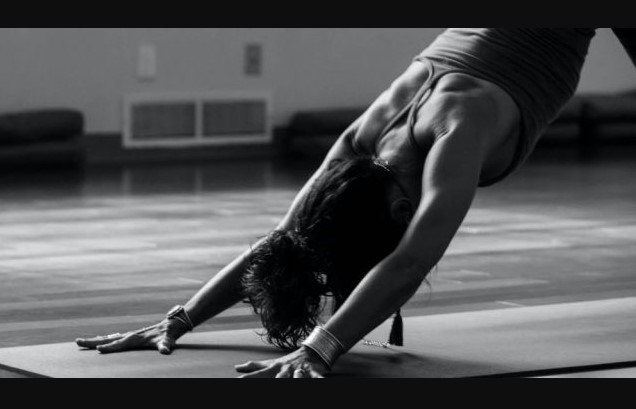
Yoga asana books can help readers understand poses, alignment, breathing, and safe movement. A good book can make it easier to learn new poses at home or improve an existing practice. Clear photos and simple instructions can also help readers understand how to move into and hold each asana.
Different books focus on different styles and experience levels. Some offer detailed instructions for individual poses, while others explore sequences, alignment, flexibility, and traditional yoga methods. Helpful illustrations, pose variations, step-by-step guidance, and explanations of common mistakes can make a book more useful.
This guide covers five of the best yoga asana books. We focus on pose coverage, clear instructions, illustrations, alignment guidance, sequencing, difficulty level, practical exercises, readability, and overall value. These factors can help you choose a book that fits your experience and supports a more informed yoga practice.
5 Best Yoga Asana Books
| Image | Title | Best For | Link |
|---|---|---|---|
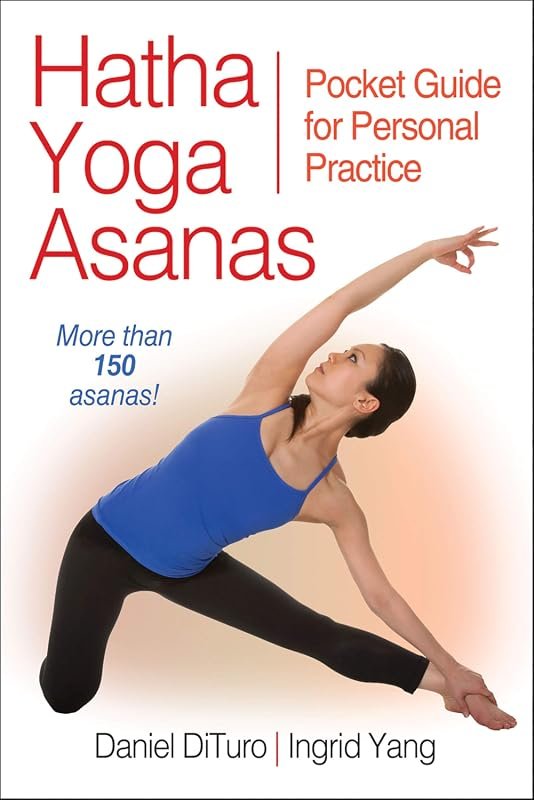 |
Hatha Yoga Asanas Pocket Guide | Essential illustrated poses for your daily routine. | View on Amazon |
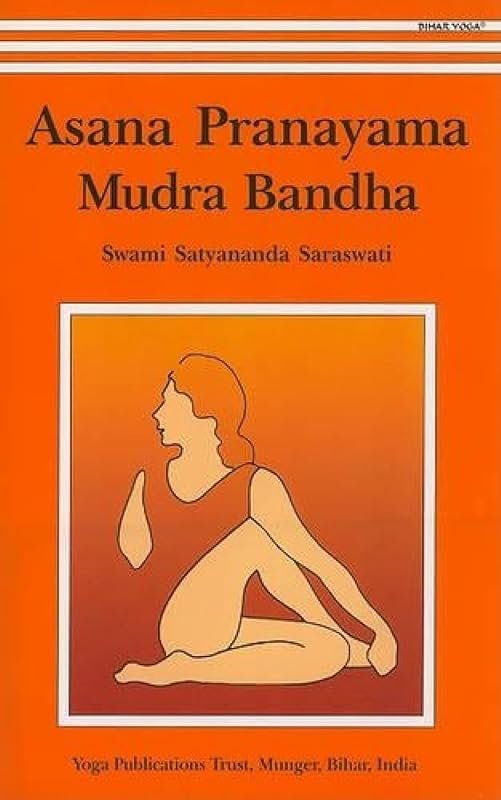 |
Swami Satyananda Asana Pranayama Mudra Bandha | Comprehensive guide to traditional techniques. | View on Amazon |
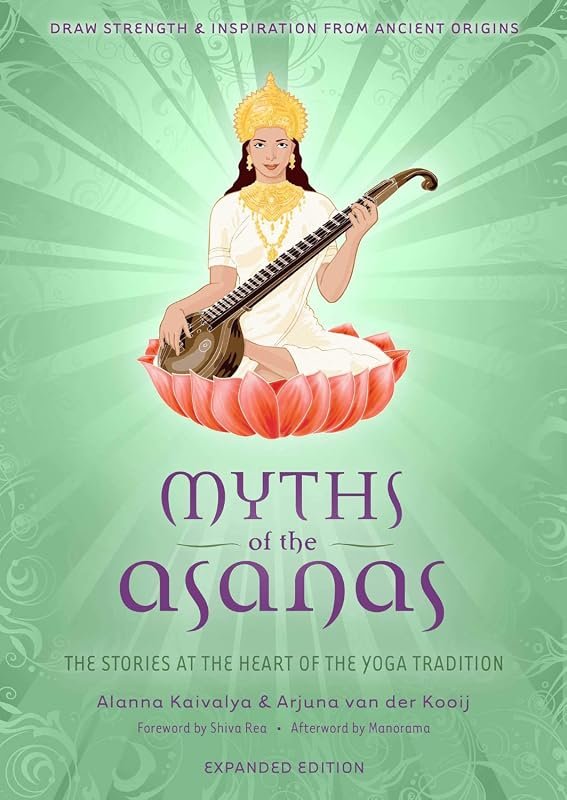 |
Myths of the Asanas Book | Deep dive into ancient stories and history. | View on Amazon |
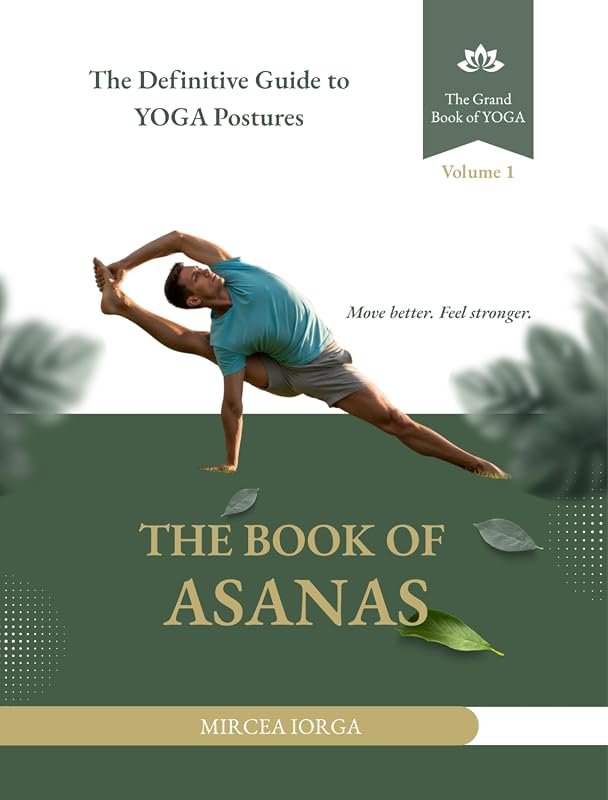 |
The Book of Asanas Guide | Definitive guide to mastering postures. | View on Amazon |
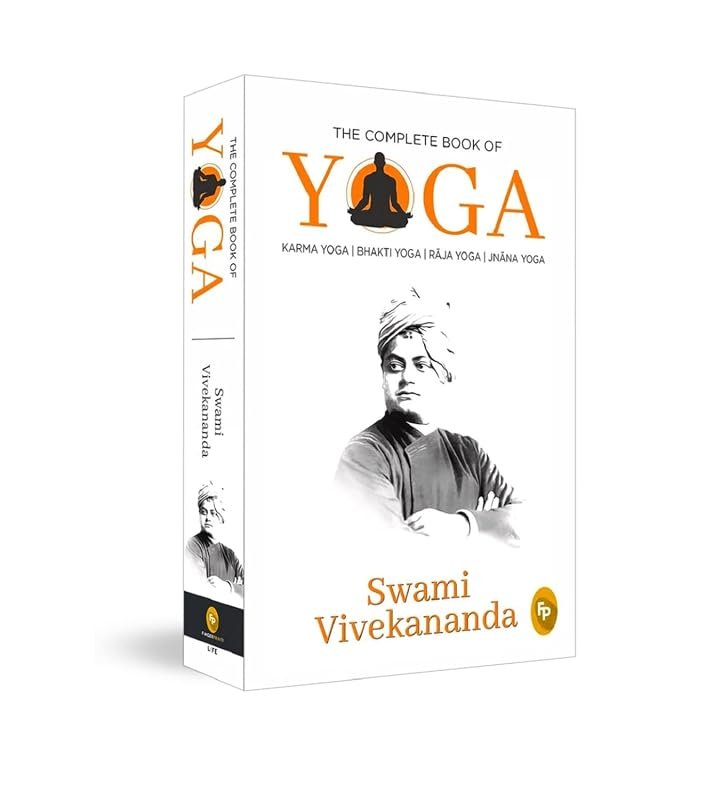 |
Complete Book of Yoga | Mastering multiple yoga paths and styles. | View on Amazon |
Our Top 5 Best Yoga Asana Books Reviews – Expert Tested & Recommended
1. Hatha Yoga Asanas Pocket Guide for Personal Practice: Essential Illustrated Poses for Your Daily Routine
This compact guide is a lifesaver for anyone looking to build a consistent daily practice. It cuts out the fluff, giving you clear illustrations and simple instructions for the most essential yoga asanas.
Key Features That Stand Out
✓ Portable design for easy travel practice
✓ Clearly illustrated poses for all levels
✓ Concise instructions for better flow
✓ Durable build meant for daily use
Why We Recommend It
We love this book because it makes starting a home practice feel approachable rather than intimidating. It acts as a reliable reference that you can easily flip through during your session.
Best For
Ideal for beginners and busy practitioners who need a quick, reliable reference guide on the go.
Pros and Cons at a Glance
2. Asana Pranayama Mudra Bandha 2008 Revised Edition: Comprehensive Illustrated Guide to Traditional Yoga Techniques
This is widely considered a staple in the yoga community. It goes far beyond basic poses, covering pranayama, mudras, and bandhas with deep, authentic traditional roots.
Key Features That Stand Out
✓ Encyclopedic knowledge of traditional yoga
✓ Clear, detailed diagrams for complex moves
✓ Structured learning for progressive practice
✓ Trusted authority on yoga techniques
Why We Recommend It
If you want to understand the “why” behind the physical postures, this is the book. It provides a complete educational experience that respects the historical significance of the practice.
Best For
Serious students and teachers who want a comprehensive reference manual that covers all aspects of the yoga tradition.
Pros and Cons at a Glance
3. Myths of the Asanas: Discovering the Ancient Stories and Rich Cultural History Behind Yoga Postures
This book is a fascinating read that connects the physical shapes we make with the rich tapestry of Indian mythology. It adds a whole new dimension of meaning to your yoga postures.
Key Features That Stand Out
✓ Engaging storytelling behind each pose
✓ Deepens the spiritual connection of yoga
✓ Beautifully written and accessible
✓ Great value for the content provided
Why We Recommend It
It turns a regular physical session into a journey of self-discovery. Learning about the lore of poses like Virabhadrasana makes holding the pose feel so much more intentional.
Best For
Perfect for those who love storytelling and want to add heart and soul to their physical practice.
Pros and Cons at a Glance
4. The Book of Asanas: The Definitive Illustrated Guide to Mastering Yoga Postures and Alignment Techniques
If you want a modern, clean, and highly detailed guide, this is a top contender. It focuses heavily on precision, making it an excellent resource for refining your alignment.
Key Features That Stand Out
✓ High-quality imagery for visual learning
✓ Strong focus on anatomical alignment
✓ Comprehensive library of common poses
✓ Clean, modern, and easy-to-read layout
Why We Recommend It
The visual clarity is unmatched. It’s perfect for those who are visual learners and want to ensure they are getting the most out of every shape they step into.
Best For
Intermediate practitioners looking to perfect their form or anyone who loves a high-quality, visually aesthetic book.
Pros and Cons at a Glance
5. Complete Book of Yoga: Master Karma, Bhakti, Raja, and Jnana Yoga with This Essential Guide
For those who understand that yoga is much more than just stretching, this comprehensive guide provides an excellent overview of the four main paths of yoga.
Key Features That Stand Out
✓ Broad coverage of different yoga paths
✓ Accessible for students of all levels
✓ Balances philosophy with practice
✓ Holistic approach to personal wellbeing
Why We Recommend It
It’s rare to find a book that handles both the physical and mental sides of yoga so well. It’s a great way to broaden your horizons and explore how yoga affects your whole life, not just your fitness.
Best For
Students seeking a well-rounded and holistic understanding of yoga beyond the mat.
Pros and Cons at a Glance
Complete Buying Guide for Yoga Asana Books
Essential Factors We Consider
When picking the best yoga asana books, we look for clarity, anatomical accuracy, and the author’s ability to communicate complex concepts. Whether you are a beginner or a teacher, the book should fit your specific needs, whether that means simple photos or deep historical insights.
Budget Planning
Yoga books range from affordable pocket guides to comprehensive, high-quality hardcovers. You do not need to spend a fortune to get great value; look for books that offer information you will reference for years to come.
Final Thoughts
Your yoga journey is personal. By choosing a book that resonates with your learning style—whether that’s visual, philosophical, or technical you are giving yourself the tools to thrive both on and off the mat.
Frequently Asked Questions
Q: Can I learn yoga just from a book?
A: Books are excellent supplements, but they work best alongside classes or guidance from a qualified teacher to ensure your alignment is safe and correct.
Q: Are these books good for absolute beginners?
A: Yes, many of the listed books offer great entry points. We recommend starting with a pocket guide or a well-illustrated foundational manual.
Q: Do I need multiple yoga books?
A: Not strictly, but different books serve different purposes. Some are for daily poses, while others are better for learning history or specific breathing techniques.