
Does Flexing Build Muscle? Truth Behind the Mind-Muscle Connection
Flexing often looks like a simple way to show off strength, but many people wonder if it can actually help muscles grow. The idea comes from the “mind-muscle connection,” a concept that focuses on contracting muscles with purpose.
Athletes and bodybuilders use this technique during training to activate more fibers and improve control over each movement. Flexing tightens the muscle and forces it to stay under tension, which is a key factor in growth.
While it may not replace weightlifting, it can improve muscle awareness and make workouts more effective. Posing, isometric holds, and controlled flexing can increase blood flow, improve endurance, and even build definition over time.
People who practice regular flexing often notice better posture and stronger control of muscle groups. The question is not just about building size but also about improving the way muscles respond during real workouts and daily activity.
Does Flexing Build Muscle?
Flexing means tightening your muscles without using weights. Many people flex in front of a mirror to see progress or make muscles feel bigger.
Some believe flexing alone can build muscle. The truth is more nuanced. Flexing can help muscles in small ways, but it cannot replace regular exercise.
This article explains flexing in detail, its effects on muscle growth, and how to use it properly.
How Muscles Grow?
Muscles grow through hypertrophy. Hypertrophy happens when muscles face stress and small damage. The body repairs these fibers, making muscles stronger and larger.
Stress comes from:
-
Weight lifting
-
Bodyweight exercises
-
Resistance bands
Flexing produces tension in muscles, but the tension is small compared to lifting weights. It cannot create the micro-tears that are necessary for major growth.
What Flexing Does to Muscles?
Flexing affects muscles in ways other than size.
1. Improves Mind-Muscle Connection
Flexing helps you feel your muscles work. This mind-muscle connection allows you to target muscles better during workouts. For example:
-
Tensing your biceps before curls helps you focus on the right muscle.
-
Flexing your chest before push-ups improves form and activation.
2. Increases Blood Flow
Tension squeezes and releases muscle fibers. This pushes blood into the muscles. More blood brings oxygen and nutrients. Better blood flow can reduce soreness and speed up recovery after workouts.
3. Enhances Muscle Endurance
Holding a flex trains muscles to stay contracted longer. This improves endurance. Endurance helps during sports, exercises, or daily activities that require repeated muscle use.
4. Slight Muscle Activation
Flexing activates small muscle fibers that may not always work during regular exercises. Over time, this can make your muscles feel firmer.
Flexing Techniques
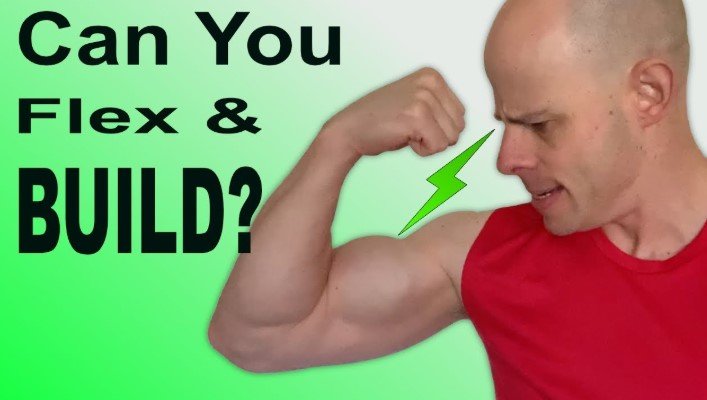
Correct flexing increases benefits and reduces the risk of strain.
Step-by-Step Flexing
-
Warm-Up
Light stretching or jogging increases blood flow before flexing. -
Tense Slowly
Contract the muscle gradually. Do not jerk or move fast. -
Hold the Flex
Keep the muscle tight for 5–10 seconds. -
Release Slowly
Relax gradually to avoid muscle strain. -
Repeat
Do 2–3 sets for each major muscle group: arms, chest, legs, back, and shoulders.
Flexing vs Weight Training
Flexing creates small tension, but weight training gives major stress that muscles need to grow.
| Feature | Flexing | Weight Training |
|---|---|---|
| Muscle Growth | Minimal | Significant |
| Strength Improvement | Low | High |
| Endurance | Slightly Improved | Moderate |
| Mind-Muscle Connection | High | High |
| Fat Burn | Very Low | Moderate to High |
Flexing alone cannot replace exercises like squats, bench presses, or push-ups. It works best as a supplement.
How to Combine Flexing With Workouts?
Flexing can enhance workouts if used correctly.
-
Before Lifting Weights
Flex target muscles for 5–10 seconds to feel the movement. -
After Sets
Flex muscles for 1–2 sets to increase blood flow and recovery. -
For Weak Muscles
Flex weaker muscles before exercises to improve focus and activation. -
During Rest Days
Light flexing on rest days can keep muscles active without heavy stress.
Extra Tips for Better Results
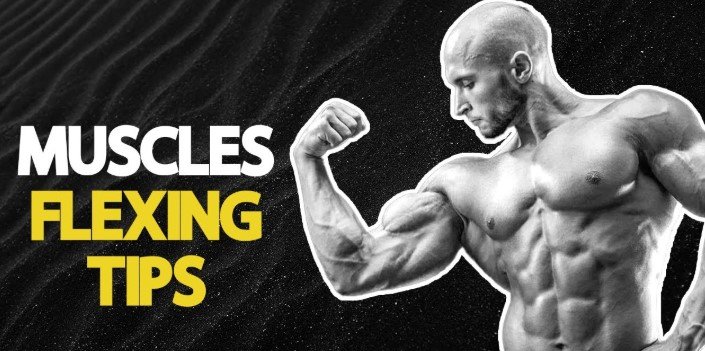
-
Maintain a healthy diet with protein to help muscles repair.
-
Drink water to improve blood flow and recovery.
-
Sleep at least 7–8 hours to allow muscle repair.
-
Track progress in size and strength instead of relying on flexing alone.
Myths About Flexing
Myth 1: Flexing Builds Big Muscles
Truth: Flexing alone cannot cause significant growth. Muscles need resistance.
Myth 2: Flexing Burns Fat
Truth: Flexing burns very few calories. Fat loss needs cardio and proper diet.
Myth 3: Flexing Strengthens Muscles Fast
Truth: Flexing slightly improves endurance, but strength comes from resistance training.
Final Thoughts
Flexing helps with muscle awareness, blood flow, and endurance. It cannot replace weight training for growth or strength. Use flexing as a supplement to exercise. Focus on proper diet, resistance training, and rest to see real muscle gains.
FAQs
1. Can flexing make muscles bigger?
Flexing alone cannot make muscles large. It can improve firmness and control.
2. How often should I flex?
Flex each major muscle 2–3 times per day, holding 5–10 seconds per set.
3. Does flexing help during workouts?
Yes. It improves mind-muscle connection and muscle activation.
4. Can beginners use flexing safely?
Yes. Beginners can flex to learn muscle control but need proper exercises for growth.
5. Can flexing replace push-ups or weight lifting?
No. Flexing alone does not create major growth or strength.