6 Best Floorings For Yoga Room (for Comfort and Stability Picks)
The right flooring can make a yoga room more comfortable and easier to use. A good surface should provide enough grip for standing poses while offering some cushioning for kneeling, sitting, and floor exercises. Cork, rubber, foam, bamboo, and vinyl can all work in yoga spaces, but each material offers different levels of comfort, traction, durability, and maintenance.
Your yoga style and room setup should guide your choice. A soft surface can feel better during floor poses, while a firmer floor can provide more stability during balance work. Moisture resistance also matters, especially for hot yoga or rooms with heavy use. Easy cleaning can save time, while low-VOC materials may suit people who want a more comfortable indoor environment. The floor should also work well with your yoga mats without becoming too slippery.
This guide covers six of the best floorings for a yoga room for different spaces, budgets, and practice styles. We considered comfort, grip, stability, durability, moisture resistance, cleaning, installation, and overall value. These options can help you create a yoga room that feels comfortable, stable, and inviting.
6 Best Floorings For Yoga Room
| Image | Title | Best For | Link |
|---|---|---|---|
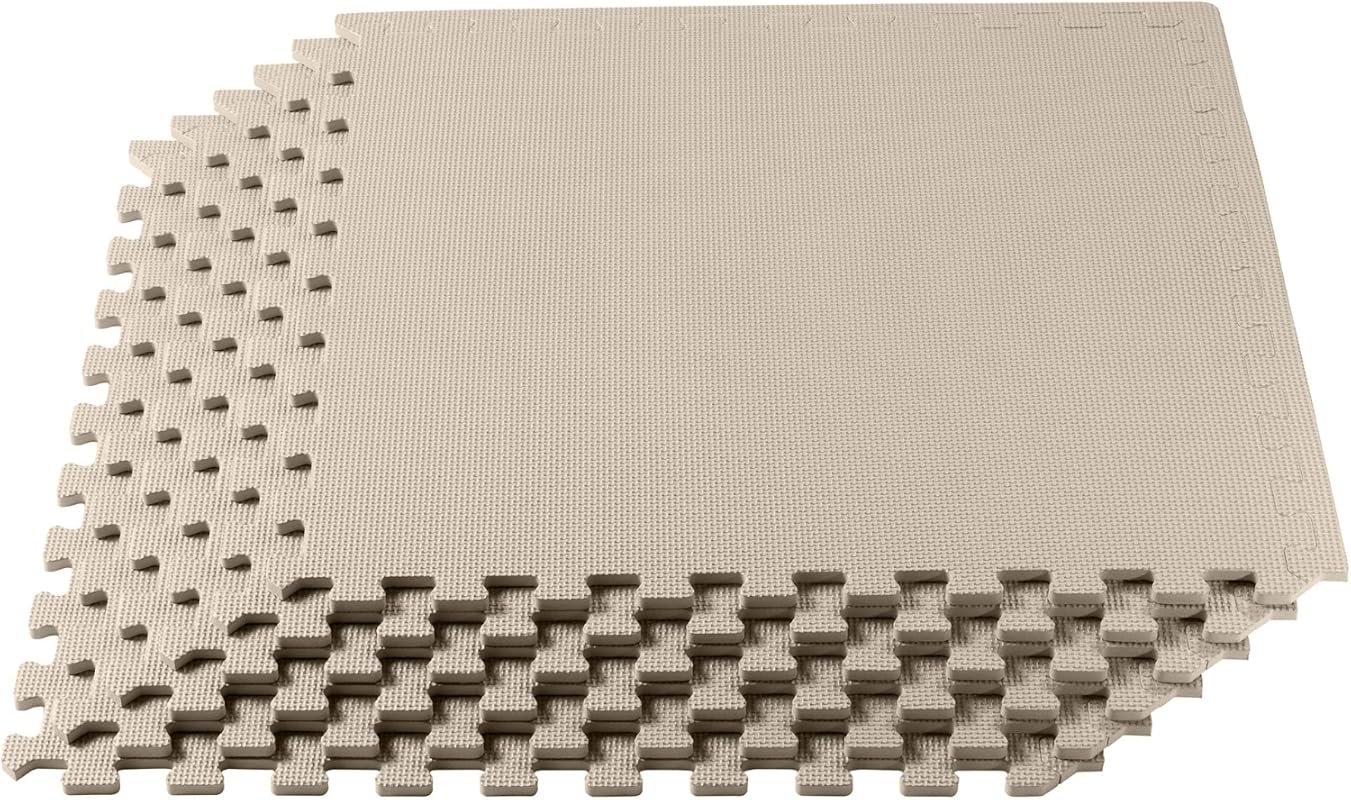 |
We Sell Mats EVA Floor Tiles | Full room coverage and impact protection. | View on Amazon |
 |
Mindful & Modern Zabuton Mat | Meditation and restorative sessions. | View on Amazon |
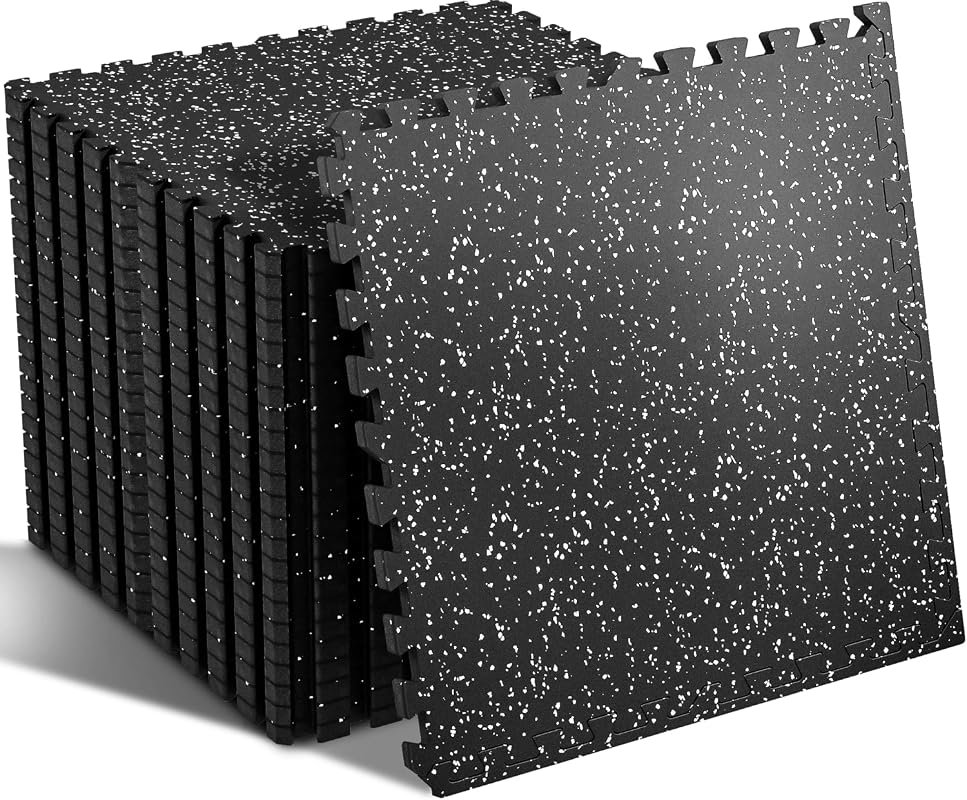 |
SUPERJARE Rubber Top Tiles | Heavy-duty durability and grip. | View on Amazon |
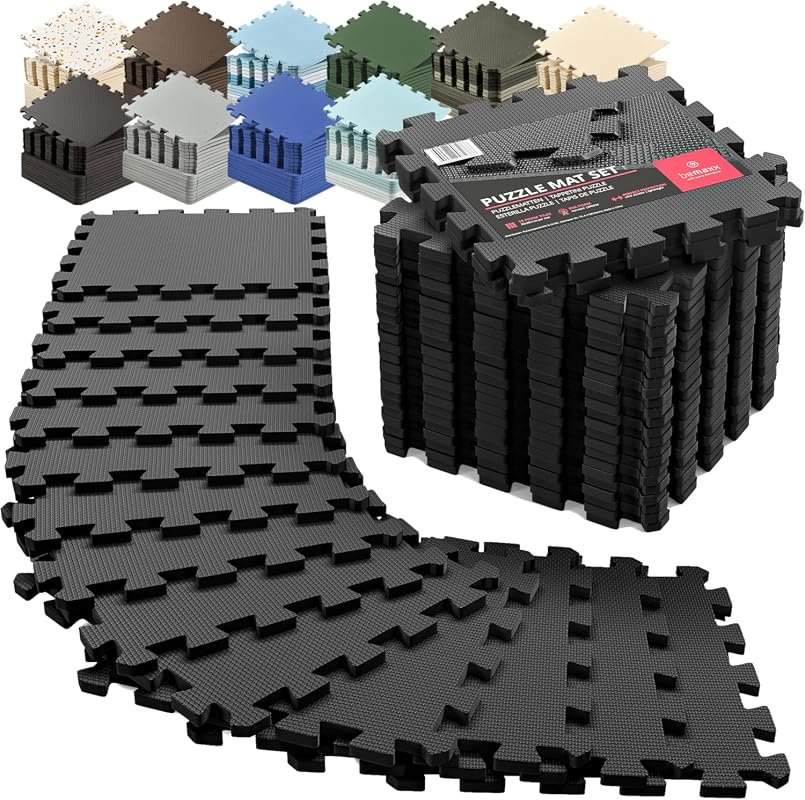 |
bemaxx Interlocking Foam Mats | Versatile home studio flooring. | View on Amazon |
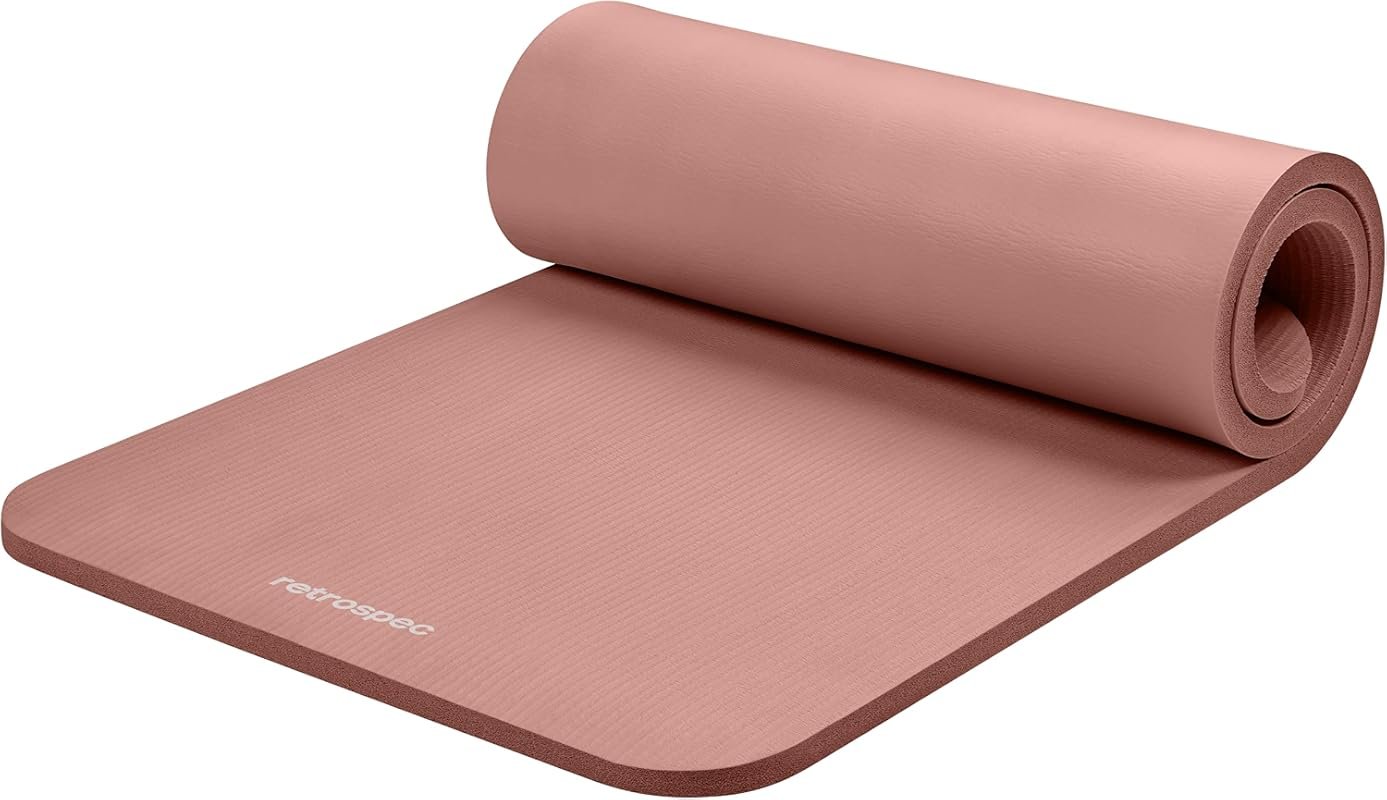 |
Retrospec Solana Yoga Mat | Extra thick joint support. | View on Amazon |
 |
HAPBEAR Large Yoga Mat | Maximum space and width. | View on Amazon |
Our Top 6 Best Floorings For Yoga Room Reviews – Expert Tested & Recommended
1. We Sell Mats EVA Floor Tiles
If you want to convert an entire room into a dedicated yoga space, these interlocking tiles are a game changer. They offer a cushioned surface that is easy to install over hardwood or concrete.
Key Features That Stand Out
✓ High-density foam provides excellent impact absorption.
✓ Simple interlocking design for fast assembly.
✓ Easy to clean with a damp cloth.
✓ Versatile enough for both yoga and general fitness.
Why We Recommend It
We love these tiles because they transform a cold, hard floor into a warm and inviting studio environment in minutes. They offer just enough cushion to protect your joints during floor-based poses without being too soft for balancing.
Best For
Creating a permanent, wall-to-wall yoga studio area in a spare bedroom or basement.
Pros and Cons at a Glance
2. Mindful & Modern Zabuton Meditation Mat
For those who focus on meditation and gentle yoga, this Zabuton mat is a premium addition to your space. It is designed to provide ultimate comfort for long sessions of stillness.
Key Features That Stand Out
✓ Natural cotton filling for sustainable comfort.
✓ Large, rectangular shape offers ample room.
✓ Sturdy cotton twill cover is both durable and soft.
✓ Perfect companion for a Zafu cushion.
Why We Recommend It
This mat elevates your practice by providing a dedicated, soft surface that grounds your body. It is especially useful if your home floor is hardwood or cold tile, as it provides a thick barrier against hard surfaces.
Best For
Meditators and restorative yoga practitioners looking for comfort.
Pros and Cons at a Glance
3. SUPERJARE Rubber Top Gym Flooring
If you need something heavy-duty that handles both yoga and heavier workouts, this is a fantastic budget-friendly option. It features a rubber top for durability and foam for cushioning.
Key Features That Stand Out
✓ Dual-layer design with a tough rubber surface.
✓ Excellent traction and grip for yoga poses.
✓ Good noise and vibration reduction.
✓ Easy to maintain in high-traffic workout areas.
Why We Recommend It
The combination of rubber and foam is hard to beat for multi-purpose rooms. It holds up exceptionally well if you plan to do HIIT or weight training alongside your yoga practice, yet still feels supportive enough for flow sessions.
Best For
Users who need a rugged floor that can handle various fitness activities.
Pros and Cons at a Glance
4. bemaxx Interlocking Foam Gym Mats
These bemaxx mats are a reliable solution for anyone wanting to create a safe home workout environment. They offer great protection and a comfortable surface for your daily yoga flow.
Key Features That Stand Out
✓ High-compression, non-toxic EVA foam.
✓ Anti-slip surface for improved stability.
✓ Includes edge pieces for a finished, professional look.
✓ Protects floors from dents and scratches.
Why We Recommend It
We love the inclusion of edge pieces, which makes these tiles look much cleaner in a finished room compared to basic puzzle mats. They provide a solid, consistent surface that is gentle on your joints and easy to maintain.
Best For
Home gym owners who want a clean, finished appearance for their yoga space.
Pros and Cons at a Glance
5. Retrospec Solana Yoga Mat
If you prefer a traditional mat over flooring tiles, the Retrospec Solana is a standout choice. Its extra thickness makes it a dream for those who need more joint support.
Key Features That Stand Out
✓ 1-inch thick construction for extreme comfort.
✓ Non-slip material for safety and balance.
✓ Durable enough for daily, intense practice.
✓ Includes a convenient carrying strap.
Why We Recommend It
The thickness of this mat is a huge plus if you struggle with sensitive knees or wrists. It effectively dampens pressure, allowing you to hold poses longer and focus on your breath rather than floor discomfort.
Best For
People who need extra cushion for joint pain or sensitivity.
Pros and Cons at a Glance
6. HAPBEAR Large Yoga Mat
If you feel like you are always falling off your mat, this extra-wide version is your solution. It provides a massive amount of space, giving you the freedom to move without restriction.
Key Features That Stand Out
✓ 36 inches wide—50% wider than standard mats.
✓ Textured, double-sided grip for stability.
✓ 6mm thickness offers a perfect balance of cushion.
✓ Includes a handy carrying bag.
Why We Recommend It
There is something liberating about having extra width. This mat lets you spread out during savasana or wide-legged poses without constantly adjusting your position to stay on the mat. It is a simple upgrade that transforms your practice space.
Best For
Yoga practitioners who want more room to flow freely.
Pros and Cons at a Glance
Complete Buying Guide for Best Floorings For Yoga Room
Essential Factors We Consider
When searching for the best yoga room flooring, think about the primary type of practice you perform. If you spend time doing balancing poses, you need a firm, grippy surface. If your practice is restorative or focused on seated work, more cushioning is often preferred. Additionally, consider the permanence of your setup; if you are in a shared space, a portable mat might be better than permanent tiles.
Budget Planning
You do not need to spend a fortune to create a great space. Interlocking foam tiles are a cost-effective way to cover a large area, while high-end mats are better if you want a dedicated space that you can easily pack away. Always look for durable materials that won’t degrade after a few months of sweat and pressure.
Final Thoughts
Ultimately, your yoga flooring should serve as an extension of your practice, supporting your body so you can focus on your flow. Whether you go for the full room coverage of interlocking tiles or the portability of an extra-wide mat, prioritize comfort and stability above all else.
Frequently Asked Questions
Q: Should I use a yoga mat on top of my foam tiles?
A: Yes, it is generally recommended. While tiles provide great cushion, a mat offers the specific grip and texture needed for safety in various poses.
Q: How do I clean foam exercise tiles?
A: Most foam tiles can be cleaned easily with a soft cloth, warm water, and a drop of mild soap. Avoid harsh chemicals that could break down the foam.
Q: Can I use gym flooring for other activities?
A: Absolutely! The options mentioned here are versatile enough to handle stretching, Pilates, and light weight training, making them a great multi-purpose investment for your home.