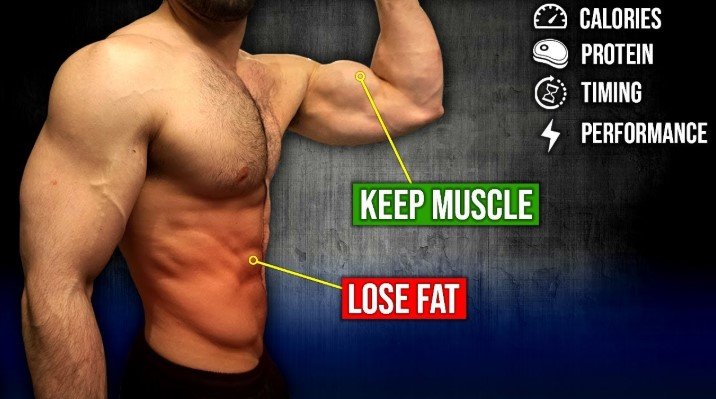
How Do You Burn Fat Without Losing Muscle? Smart Strategies
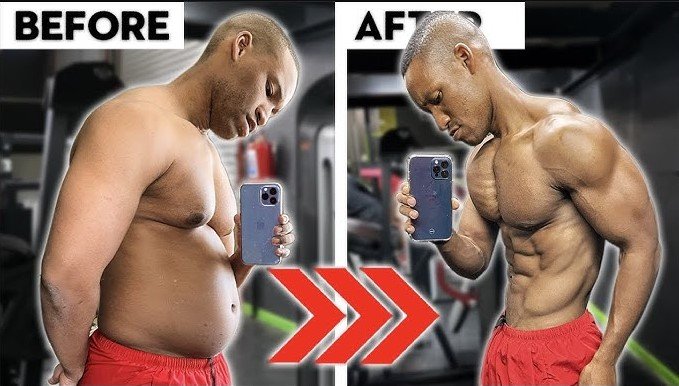
Many people want a leaner body but fear losing hard-earned muscle during fat loss. The good news is that smart nutrition and training choices make it possible to shed fat while keeping muscle strong.
The key lies in striking the right balance between calorie control, strength training, and recovery. A diet rich in protein supports muscle repair and growth, while resistance workouts signal the body to preserve lean tissue.
Cardio sessions, done in moderation, help burn extra calories without breaking down muscle mass. Rest and sleep also play a vital role because they regulate hormones that influence fat burning and muscle retention.
Small adjustments in lifestyle, from meal timing to workout structure, add up to noticeable results. With the right plan, fat loss does not have to mean sacrificing muscle strength or shape. This guide will show proven methods to achieve both goals at the same time.
How Do You Burn Fat Without Losing Muscle?
Many people want to lose fat but keep their muscles. Losing fat improves health, energy, and appearance. Muscles keep the body strong, boost metabolism, and prevent injury.
Losing fat too quickly without care can cause muscle loss. Safe fat loss requires proper diet, exercise, and rest. This article explains how to burn fat while keeping your muscles strong and healthy.
Understanding Fat Loss and Muscle Retention
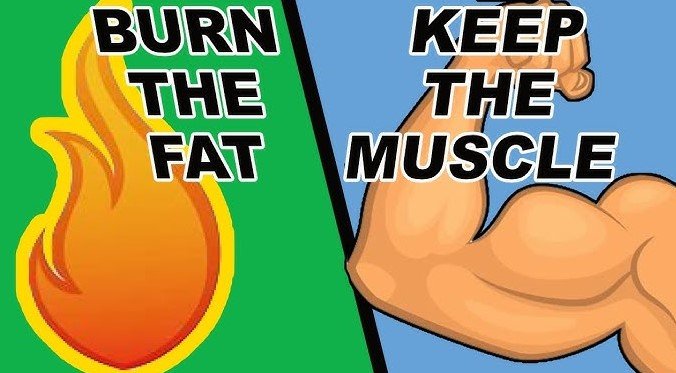
Fat loss and muscle retention work differently. Fat stores energy. Muscle burns calories and keeps the body firm.
Rapid weight loss often removes water and muscle before fat. A slow, controlled approach preserves muscle.
Key principles:
-
Calorie Deficit: Burn more calories than you eat, but not too much.
-
Protein Support: Muscles need protein to repair and grow.
-
Exercise Choice: Cardio burns fat. Strength training maintains muscles.
-
Recovery: Muscles grow during rest, not while exercising.
Nutrition Strategies to Protect Muscle
Eating the right foods is crucial for losing fat and protecting muscles.
Prioritize Protein
Protein repairs muscles and prevents loss. Sources:
-
Lean meats: chicken, turkey, fish
-
Eggs and dairy: eggs, Greek yogurt, cottage cheese
-
Plant-based: beans, lentils, tofu, quinoa
Tip: Include protein in every meal. Aim for 1.2–2 grams per kilogram of body weight daily.
Balance Carbs and Healthy Fats
Carbs and fats give energy for workouts and daily life. Good choices:
-
Carbs: whole grains, oats, brown rice, sweet potatoes, fruits, vegetables
-
Healthy Fats: nuts, seeds, olive oil, avocado, fatty fish
Avoid refined sugar, fried foods, and soft drinks.
Meal Timing
Eating frequent small meals keeps energy stable and supports muscle. Suggested schedule:
-
Breakfast: protein + carb
-
Mid-morning snack: protein + fruit
-
Lunch: protein + carb + vegetables
-
Afternoon snack: nuts or yogurt
-
Dinner: protein + vegetables + healthy fat
Hydration
Drink enough water. Water supports fat loss, muscle function, and recovery. At least 2–3 liters per day for most adults.
Exercise for Fat Loss and Muscle Preservation
Exercise type affects whether fat is lost or muscles shrink.
Strength Training
Strength training is essential for preserving muscles while losing fat. Tips:
-
Train major muscle groups: legs, chest, back, shoulders, arms
-
Use weights or resistance bands
-
Perform 2–4 sets of 8–12 reps
-
Train 2–3 times per week, allowing rest between sessions
Important: Increase weights gradually. Avoid lifting too little or too much.
Cardio Training
Cardio burns calories and helps fat loss. Choose moderate sessions:
-
Walking, jogging, cycling, swimming
-
20–40 minutes, 2–4 times per week
Tip: Avoid excessive cardio. Long cardio sessions without strength training can reduce muscle mass.
High-Intensity Interval Training (HIIT)
HIIT burns fat fast and maintains muscle if done correctly:
-
Short bursts of high-intensity exercise (30–60 seconds)
-
Followed by equal rest or low-intensity activity
-
Total 15–25 minutes per session, 2–3 times per week
HIIT improves metabolism and keeps workouts shorter.
Rest, Recovery and Sleep
Muscle growth happens during rest. Without recovery, fat loss may remove muscle.
-
Sleep 7–9 hours per night
-
Take rest days between intense workouts
-
Stretching and light activity on rest days improves blood flow and recovery
Tip: Listen to your body. Persistent soreness or fatigue signals a need for rest.
Supplements That Support Muscle Preservation
Supplements can help but do not replace food. Common options:
-
Whey Protein: helps meet protein goals
-
Creatine: supports muscle strength
-
BCAAs (Branched-Chain Amino Acids): prevent muscle loss during calorie restriction
-
Fish Oil: reduces inflammation and supports recovery
Always consult a doctor before starting supplements.
Tracking Progress
Tracking your progress ensures fat loss while protecting muscle. Track:
-
Body weight weekly
-
Body measurements: waist, hips, arms, legs
-
Strength performance in exercises: increase in reps or weights
-
Energy levels and mood
Use tracking to adjust diet, exercise, and rest for better results.
Common Mistakes That Cause Muscle Loss
Avoid these mistakes to protect muscles:
-
Too few calories: extreme diets cause muscle breakdown
-
Skipping protein: without protein, muscles shrink
-
Excessive cardio: long sessions burn muscles along with fat
-
No strength training: muscles need resistance to stay strong
-
Poor sleep: lack of rest reduces recovery and growth
Advanced Tips for Fat Loss Without Muscle Loss
-
Combine strength + cardio in one session: short cardio after weights
-
Include compound exercises: squats, deadlifts, push-ups
-
Gradually reduce calories: avoid drastic cuts
-
Track body fat percentage instead of weight only
-
Stay consistent: slow progress keeps muscles intact
Final Thoughts
Burning fat without losing muscle is possible. Focus on protein, balanced nutrition, proper strength training, and enough rest. Avoid extreme diets or excessive cardio. Muscles keep your body strong, healthy, and lean. A slow and steady approach delivers lasting results.
FAQs
1. Can I lose fat without exercise?
Yes, diet can reduce fat, but muscles may shrink without exercise. Strength training preserves muscles.
2. How fast should I lose fat?
Aim for 0.5–1 kg per week. Rapid weight loss can damage muscles.
3. How much protein do I need?
Eat 1.2–2 grams per kilogram of body weight daily to protect muscles.
4. Can I do cardio every day?
Limit cardio to 2–4 times per week. Too much may reduce muscle mass.
5. Do supplements replace food?
No. Supplements support diet but cannot replace nutrients from real food.
6. Can I maintain muscle while in a calorie deficit?
Yes, by eating enough protein, strength training, and avoiding very low calories.
7. Is HIIT better than regular cardio for muscle preservation?
HIIT burns fat efficiently and helps maintain muscle if combined with strength training.