6 Best Ashtanga Yoga Books [Practice Manuals & Deeper Study]
Ashtanga yoga books vary considerably in purpose, from visual manuals that guide practitioners through the Primary Series to texts that examine breath, bandhas, drishti, philosophy, and the broader tradition. Foundational works such as Yoga Mala provide historical and philosophical context, while modern manuals offer more detailed instructions and visual references for physical practice.
A useful Ashtanga library should match the reader’s experience and goals. David Swenson’s Ashtanga Yoga: The Practice Manual, for example, includes more than 650 photographs, multiple variations, and coverage of the Primary and Intermediate Series, making it particularly practical for students who want a visual reference. More analytical books can add anatomy, sequencing, Yoga Sutras commentary, and philosophical perspectives that extend beyond memorizing postures.
This guide covers six notable Ashtanga yoga books for different stages of study, including beginner-friendly manuals, traditional texts, philosophy-oriented works, and detailed references for established practitioners. The selections consider instructional clarity, sequence coverage, visual guidance, modifications, anatomical detail, philosophical depth, and usefulness for home practice so readers can identify books that fit the way they want to study Ashtanga.
6 Best Ashtanga Yoga Books
| Image | Title | Best For | Link |
|---|---|---|---|
 |
Ashtanga Yoga: The Definitive Guide | Best for therapeutic focus and traditional technique. | View on Amazon |
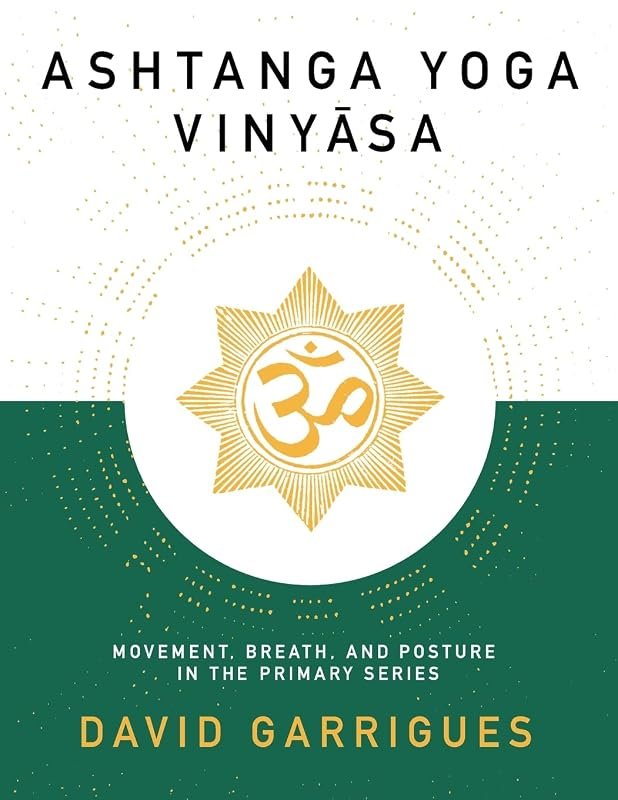 |
Ashtanga Yoga Vinyasa: Primary Series | Mastering movement and deep breathing patterns. | View on Amazon |
 |
Ashtanga Yoga: Primary Series Cards | Perfect for daily home sequences and flow. | View on Amazon |
 |
Ashtanga Yoga: Step-by-Step Guide | Detailed breakdown for dynamic strength building. | View on Amazon |
 |
Ashtanga Yoga: Essential Guide | Ideal for beginners starting their yoga journey. | View on Amazon |
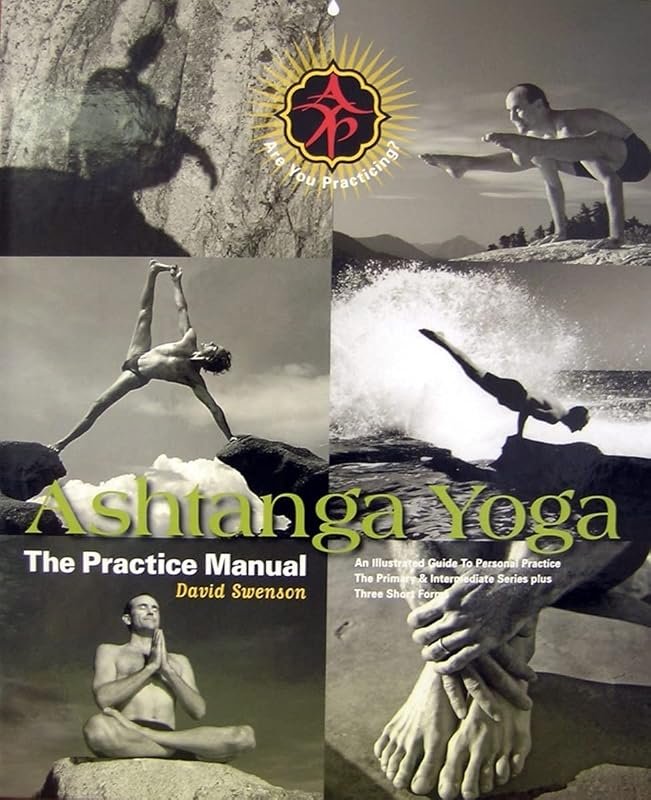 |
Ashtanga Yoga: The Practice Manual | Technical focus on alignment and breath control. | View on Amazon |
Our Top 6 Best Ashtanga Yoga Books Reviews – Expert Tested & Recommended
1. Ashtanga Yoga: The Definitive Therapeutic Guide to Traditional Yoga Poses, Breathing Techniques, and Wellness Practices
This book stands out by emphasizing the therapeutic benefits of the practice, making it a great choice for those who view yoga as a path to healing. It offers a deep dive into the traditional aspects of the poses while ensuring the techniques remain accessible to modern practitioners.
Key Features That Stand Out
✓ Focuses on the intersection of yoga and overall wellness.
✓ Clear explanations of traditional breathing techniques.
✓ Excellent resource for injury prevention and alignment.
✓ High-quality imagery for proper posture execution.
Why We Recommend It
We love this guide because it manages to keep the ancient traditions alive while addressing the physical needs of today’s practitioners. Its therapeutic approach makes it a standout for anyone looking for a long-term, sustainable practice.
Best For
Practitioners seeking a holistic approach to yoga that emphasizes both physical and mental well-being.
Pros and Cons at a Glance
2. Ashtanga Yoga Vinyasa: Mastering Movement, Deep Breathing, and Postures in the Primary Series for All Levels
This book is a fantastic resource for those who want to master the rhythm of their practice. It breaks down the Vinyasa connection between movement and breath, ensuring you understand how to flow through the Primary Series with purpose.
Key Features That Stand Out
✓ Clear breakdown of the Vinyasa flow.
✓ Emphasizes the importance of deep, controlled breathing.
✓ Suitable for practitioners at all skill levels.
✓ Step-by-step instructions for Primary Series postures.
Why We Recommend It
It is difficult to find a book that explains the vinyasa count so clearly, making this perfect for those who feel lost during class. The focus on breathing makes your practice feel more meditative and grounded.
Best For
Students looking to bridge the gap between simple poses and a continuous, flowing practice.
Pros and Cons at a Glance
3. Ashtanga Yoga Practice Cards: Illustrated Primary Series Sequences for Daily Home Yoga Sessions and Improved Flexibility
Sometimes you need more than a book—you need a visual tool you can lay out on your mat. These cards are perfect for anyone wanting a simple, portable way to remember the sequence of the Primary Series during home practice.
Key Features That Stand Out
✓ Compact and easy to transport to the studio.
✓ Clear, large illustrations of each pose.
✓ Encourages consistency with home practice.
✓ Great value for a visual learning tool.
Why We Recommend It
We love these cards because they remove the friction of having to flip pages in a heavy book while you are in a sweaty pose. They are an incredibly practical addition to any student’s toolkit.
Best For
Visual learners who want a portable guide to use during their daily home practice.
Pros and Cons at a Glance
4. Ashtanga Yoga: The Definitive Step-by-Step Guide to Mastering Dynamic Yoga Sequences for Strength and Inner Balance
This comprehensive manual is highly regarded for its structured approach to building strength. It guides you through the complexities of the Ashtanga system, ensuring that you develop both muscular tone and a steady, balanced mind.
Key Features That Stand Out
✓ Very detailed sequences for all stages.
✓ Focuses on both strength and inner peace.
✓ Accessible language for complex concepts.
✓ Reliable for building a long-term home practice.
Why We Recommend It
It acts as a complete roadmap for your Ashtanga journey. If you appreciate a structured, no-nonsense approach to learning, this is the book that will keep you on track month after month.
Best For
Serious students looking for a structured, step-by-step path to deepening their physical and mental strength.
Pros and Cons at a Glance
5. Ashtanga Yoga: The Essential Step-by-Step Guide to Mastering Dynamic Yoga Poses for Beginners and Advanced Practitioners
For those feeling a bit intimidated by the idea of starting, this essential guide offers a very gentle and clear entry point. It breaks down the dynamic movements into manageable steps, perfect for any skill level.
Key Features That Stand Out
✓ Very approachable for beginners.
✓ Clear, step-by-step photography.
✓ Covers essential poses of the Primary Series.
✓ Encouraging and positive tone throughout.
Why We Recommend It
We think this is the most welcoming book on the list. It takes the “scary” out of Ashtanga, making it feel like something you can actually achieve in your own living room.
Best For
Complete beginners who are curious about the practice and need a friendly, clear introduction.
Pros and Cons at a Glance
6. Ashtanga Yoga: The Practice Manual for Mastering Dynamic Sequences, Proper Alignment, and Breath Control for Success
This manual is a technical masterpiece. It provides clear, concise instructions for those who value precision and want to master the nuances of alignment and breath control within the Ashtanga system.
Key Features That Stand Out
✓ Extremely technical and precise alignment tips.
✓ Focuses heavily on breath control (Pranayama).
✓ Ideal for building a disciplined practice.
✓ Very thorough sequence documentation.
Why We Recommend It
For the student who wants to know the “why” behind every movement, this manual is essential. It treats the practice with the respect and detail it deserves, making it a staple for any serious library.
Best For
Practitioners who crave technical detail and want to refine their alignment to a high standard.
Pros and Cons at a Glance
Complete Buying Guide for Ashtanga Yoga Books
Essential Factors We Consider
When looking for the best Ashtanga yoga books, we prioritize clarity, accuracy, and the ability to convey the traditional sequence. A great book should not only show you what a pose looks like but also explain the breath and internal energy associated with it. We always look for manuals that emphasize safe alignment to ensure your practice remains healthy for years to come.
Budget Planning
You don’t need to break the bank to start your journey. If you are on a tight budget, practice cards or an entry-level guide are perfect starting points. As you advance, investing in a more detailed, comprehensive manual will provide better value for your growing technical needs.
Final Thoughts
Remember that the best book is the one that speaks to your current level of practice. Whether you choose a simple visual guide or a deep technical manual, the true magic of Ashtanga happens on the mat when you practice consistently. Enjoy the journey of discovery!
Frequently Asked Questions
Q: Can I learn Ashtanga yoga entirely from books?
A: While books are incredible tools for learning, we highly recommend attending at least a few in-person classes. A teacher can provide hands-on adjustments and ensure your alignment is safe before you dive into a heavy home practice.
Q: Which book is best for absolute beginners?
A: Our “Essential Guide” (#5) is typically the most welcoming for beginners. It avoids overly technical jargon and keeps the focus on positive, achievable milestones.
Q: How do I know if I am doing the postures correctly?
A: Use the high-quality photos in these books to compare your form. Many practitioners also find it helpful to record themselves or use a mirror to spot small misalignments that they might otherwise miss.