
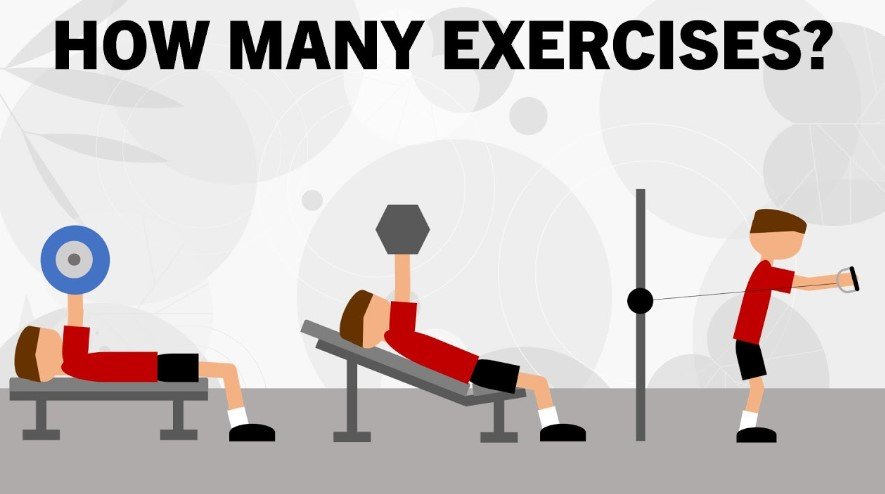
How Many Workouts Per Muscle Group? Effective Guidelines
Many fitness enthusiasts struggle to decide how many workouts per muscle group deliver the best results. Some people train every day and feel stuck with slow progress, while others hit the gym only a few times a week and still build solid strength.
The truth lies in understanding balance. Muscles grow through stress, recovery, and consistency, not just endless sets or hours in the gym. Training frequency depends on your goals, recovery ability, and workout style.
A beginner may see results with fewer sessions, while experienced lifters often benefit from higher volume and intensity. Finding the right number of workouts per muscle group prevents overtraining and reduces the risk of injury.
This guide explains how to structure your training schedule for muscle growth, strength, and overall performance. By the end, you will know the ideal frequency for your fitness level and goals without guesswork.
Table of Contents
ToggleHow Many Workouts Per Muscle Group?
Every fitness plan includes two main things: exercise and recovery. People often wonder how often they should train each muscle group to get results. Some say once per week is enough. Others train the same muscles two or three times a week.
The truth is, there is no single answer for everyone. The right number of workouts depends on your body, your goals, and your experience. Training frequency also depends on how heavy you lift, how well you recover, and how much total volume you do.
This guide explains in detail how many times you should train each muscle group. You will learn about beginner, intermediate, and advanced levels. You will also see different weekly workout plans, tips for progress, and answers to common questions.
Why Workout Frequency Matters?

Muscles grow through a simple cycle:
-
Stress during exercise.
-
Small damage in muscle fibers.
-
Recovery and repair during rest.
-
Growth and strength increase.
Training too little means you do not give enough stress. Training too much means the body cannot repair in time. Both slow your results. The best routine is one that challenges the muscle enough and then allows full recovery.
How Many Workouts Per Muscle Group Each Week?
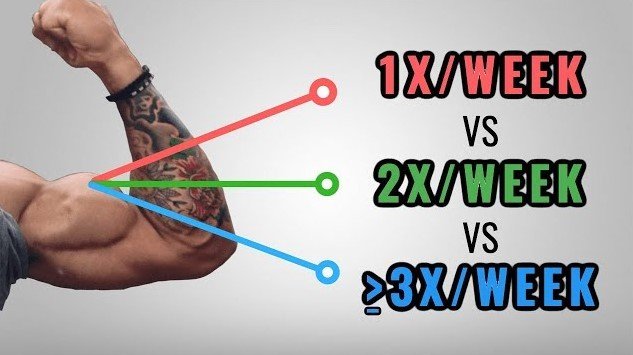
Once Per Week
-
This is called the “bro split”.
-
Example: Monday chest, Tuesday back, Wednesday legs, Thursday shoulders, Friday arms.
-
Good for advanced lifters who train very hard in each session.
-
Each muscle rests for almost a full week.
-
Not the best for beginners, because one workout per week is not enough practice for form and not enough volume for growth.
Twice Per Week
-
This is the most common method.
-
Example: Upper body on Monday and Thursday, lower body on Tuesday and Friday.
-
Research shows training twice per week is more effective than once for most people.
-
Each muscle gets stressed, then rests, then trained again.
-
Balance between volume and recovery is very good here.
Three Times Per Week
-
Often used with full-body workouts.
-
Example: Monday, Wednesday, Friday.
-
Works well for beginners because they get to practice main lifts often.
-
Muscles are trained frequently but with lower volume per session.
-
Great for people with less training time but who want strong progress.
Factors That Affect Frequency
Training Experience
-
Beginners: 2–3 times per week per muscle works best. They recover fast and need practice.
-
Intermediate: 2 times per week is usually ideal. Muscles need more recovery than beginners but still benefit from more than once.
-
Advanced: 1–2 times per week. Sessions are heavy and intense, so recovery takes longer.
Training Intensity
-
Heavy lifting (low reps, big weights) stresses muscles more. That needs more recovery time.
-
Lighter lifting (higher reps, moderate weights) allows more frequent training.
Training Volume
-
Volume means the total sets and reps for a muscle.
-
High volume (15–20 sets per week) needs more recovery.
-
Lower volume (8–10 sets per week) allows more sessions.
Recovery Ability
-
Sleep, diet, hydration, and stress control affect how fast muscles recover.
-
Poor sleep and nutrition slow recovery.
-
Strong recovery habits allow more frequent training.
Weekly Training Splits
Full Body (3 Days Per Week)
-
Monday: Full body
-
Wednesday: Full body
-
Friday: Full body
-
Each muscle trained 3 times per week.
-
Best for beginners and busy people.
Upper-Lower Split (4 Days Per Week)
-
Monday: Upper body
-
Tuesday: Lower body
-
Thursday: Upper body
-
Friday: Lower body
-
Each muscle trained 2 times per week.
-
Good balance for intermediate lifters.
Push-Pull-Legs (6 Days Per Week)
-
Monday: Push (chest, shoulders, triceps)
-
Tuesday: Pull (back, biceps)
-
Wednesday: Legs
-
Thursday: Push
-
Friday: Pull
-
Saturday: Legs
-
Each muscle trained twice per week.
-
Good for advanced lifters with high recovery ability.
Example of Bro Split (5 Days Per Week)
-
Monday: Chest
-
Tuesday: Back
-
Wednesday: Legs
-
Thursday: Shoulders
-
Friday: Arms
-
Each muscle trained once per week.
-
Works only if you train very hard and do many sets for each muscle.
Sets and Reps Guidelines
Training frequency alone is not enough. You also need the right sets and reps.
-
Beginners: 8–12 sets per muscle per week. 8–12 reps per set.
-
Intermediate: 12–16 sets per muscle per week. Mix of 6–12 reps.
-
Advanced: 15–20 sets per muscle per week. Mix of heavy (4–6 reps), medium (8–12 reps), and light (12–20 reps).
Tips for Best Results
-
Use both compound lifts (bench press, squat, deadlift, pull-ups) and isolation (bicep curls, tricep pushdowns).
-
Focus on progressive overload: increase weight, reps, or sets over time.
-
Track your workouts in a notebook or app.
-
Take at least one full rest day each week.
-
Do not ignore sleep and nutrition. Muscles grow outside the gym.
-
Adjust frequency based on your energy, soreness, and progress.
Common Mistakes to Avoid
-
Training too many days without enough rest.
-
Doing only isolation exercises without compound lifts.
-
Ignoring diet and protein intake.
-
Copying advanced routines as a beginner.
-
Changing programs too often before seeing results.
FAQs
How many sets per muscle group per week are best?
10–20 sets per muscle per week work for most people. Beginners should aim for the lower end, advanced lifters for the higher end.
Is one workout per muscle group enough?
Yes, but progress may be slow unless you train very hard with many sets. For most people, two sessions per week are better.
Can I train the same muscle every day?
No. Muscles need 24–48 hours to repair. Training them daily increases risk of injury.
What is the best plan for beginners?
Full body 3 times per week or an upper-lower split 4 times per week. Both give enough practice and recovery.
How do I know if I need more recovery?
Watch for signs like constant fatigue, lack of strength progress, poor sleep, and long-lasting soreness. These mean you may need fewer sessions or more rest.
Conclusion
The number of workouts per muscle group depends on your goals, training style, and recovery. Beginners should train each muscle 2–3 times per week.
Intermediates benefit most from twice per week. Advanced lifters can choose once or twice, depending on how hard their sessions are.
The main rule is simple: train enough to challenge, rest enough to recover. Find the balance, stay consistent, and your muscles will grow.