
How to Stretch Pectoral Muscles? 5 Simple Ways
Tight chest muscles can limit movement, cause shoulder pain, and affect posture. Many people spend hours sitting or working out without realizing how much tension builds up in the pectoral area.
Regular stretching releases that tightness and restores flexibility. A few focused stretches can open up the chest, improve breathing, and enhance upper body strength.
These exercises help balance muscle tension between the front and back of the body, making everyday movements feel smoother. Stretching also supports better alignment, which reduces stress on the neck and shoulders.
Everyone from office workers to athletes can benefit from adding pectoral stretches to their routine. This guide explains simple and effective ways to loosen up the chest muscles safely. With just a few minutes a day, the body starts to feel lighter, stronger, and more balanced.
How to Stretch Pectoral Muscles?
Tight chest muscles can cause more than just discomfort. They may lead to rounded shoulders, poor posture, limited arm movement, and even neck or back pain.
Many people spend hours sitting at a desk, working on a computer, or lifting weights without stretching properly.
Over time, this shortens the chest muscles and limits mobility. Stretching the pectoral muscles improves flexibility, reduces tension, and enhances overall upper body performance.
This guide explains step-by-step methods to stretch your chest safely and effectively, whether at home, in the office, or at the gym.
Understanding the Pectoral Muscles

The pectoral muscles are key players in upper body movement. Knowing their structure helps target them correctly during stretches.
Pectoralis Major:
-
Large, fan-shaped muscle covering most of the chest.
-
Connects the chest to the upper arm.
-
Responsible for moving the arm forward, across the chest, and rotating it inward.
Pectoralis Minor:
-
Smaller muscle underneath the pectoralis major.
-
Connects the shoulder blade to the chest.
-
Helps stabilize the shoulder and assists in lifting the arm.
Tight pectorals pull the shoulders forward, affecting posture, movement, and even breathing. Regular stretching prevents these problems and promotes chest openness.
Benefits of Stretching the Pectoral Muscles
Stretching the chest muscles offers several advantages:
-
Improves Posture: Opens the chest and pulls shoulders back, reducing slouching.
-
Enhances Shoulder Mobility: Allows smooth arm movement for daily activities and workouts.
-
Relieves Muscle Tension: Reduces tightness caused by long sitting periods or heavy lifting.
-
Supports Breathing: Expands the chest for better lung capacity.
-
Prevents Injury: Keeps muscles flexible and reduces the risk of shoulder or chest strain.
Step-by-Step Pectoral Stretching Techniques
The following exercises target the chest muscles safely. Perform each stretch slowly and avoid forcing your body.
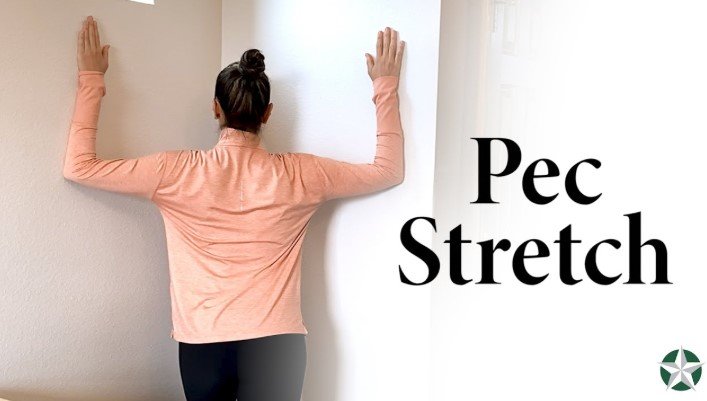
1. Wall Chest Stretch
Targets the outer part of the chest and shoulders.
Steps:
-
Stand side-on to a wall.
-
Place your palm, inner elbow, and shoulder against the wall.
-
Slowly rotate your body away from the wall.
-
Stop when you feel a gentle stretch in your chest.
-
Hold 20–30 seconds.
-
Switch sides and repeat.
Extra Tips:
-
Keep your back straight.
-
Avoid twisting your torso too far.
-
Focus on steady breathing.
Variation:
Raise your hand higher on the wall to target the upper chest more.
2. Doorway Stretch
Works both pectoral muscles and opens the chest.
Steps:
-
Stand in a doorway.
-
Bend your elbows at 90 degrees and place your forearms on the door frame.
-
Step one foot forward slowly, leaning your chest through the doorway.
-
Feel the stretch across your chest and shoulders.
-
Hold 20–40 seconds.
Extra Tips:
-
Keep shoulders relaxed and down.
-
Avoid pressing your lower back into the doorway.
-
Move gently to avoid overstretching.
Variation:
Move your arms slightly higher or lower to target different parts of the chest.
3. Corner Chest Stretch
Targets the upper and middle chest while stabilizing shoulders.
Steps:
-
Stand facing a corner.
-
Place forearms on each wall, elbows slightly below shoulder height.
-
Step forward slowly and bring your chest toward the corner.
-
Stop when you feel a mild stretch.
-
Hold for 30 seconds.
Extra Tips:
-
Keep your core engaged to avoid arching your back.
-
Relax your neck and avoid leaning too heavily on the walls.
Variation:
Lift your elbows slightly higher to stretch the upper chest more.
4. Lying Chest Stretch with Foam Roller
Uses a foam roller or rolled towel to open the chest muscles.
Steps:
-
Lie on a foam roller along your spine.
-
Bend your knees, feet flat on the floor.
-
Extend arms out to the side, palms facing up.
-
Relax and let your chest open.
-
Hold 1–2 minutes.
Extra Tips:
-
Breathe slowly and deeply to enhance the stretch.
-
Place a small towel under the neck for support if needed.
Variation:
Move your arms in small circles while lying on the roller to loosen tight chest fibers.
5. Standing Arm Extension Stretch
Good for the middle and lower chest.
Steps:
-
Stand tall, feet shoulder-width apart.
-
Clasp hands behind your back.
-
Straighten arms and lift them slowly.
-
Pull shoulder blades together slightly.
-
Hold 20–30 seconds.
Extra Tips:
-
Keep your head slightly down to avoid neck strain.
-
Engage the core to protect your lower back.
-
Do not lock elbows; keep them straight but relaxed.
Variation:
Clasp hands with a towel or band to help lift arms higher if flexibility allows.
Advanced Tips for Deep Stretching
-
Warm-Up First: Perform light shoulder rolls or arm swings for 3–5 minutes before stretching.
-
Hold Longer: Advanced stretches can last 60–90 seconds for deeper release.
-
Combine Stretches: Do doorway and wall stretches together for full chest activation.
-
Use Props: Yoga blocks, straps, or foam rollers improve stretch depth safely.
-
Stretch After Workouts: Muscles relax and lengthen more effectively after exercise.
Common Mistakes to Avoid
-
Stretching too quickly or forcefully.
-
Holding breath instead of breathing calmly.
-
Arching the lower back during chest stretches.
-
Overextending shoulders and causing strain.
-
Skipping consistent practice.
Safety Notes
Stop immediately if you feel sharp pain or discomfort. Stretching should feel gentle. Consult a physical therapist if you have shoulder, chest, or back injuries. Proper form and gradual stretching prevent injury.
FAQs
Q1: How often should I stretch my chest muscles?
At least 3–4 times a week. Daily stretching is best for long-term flexibility.
Q2: How long should I hold each stretch?
20–40 seconds for basic stretches; 60–90 seconds for advanced stretches. Repeat 2–3 times per side.
Q3: Can chest stretches help posture?
Yes. Stretching pulls shoulders back and opens the chest, improving posture.
Q4: Should I stretch before or after exercise?
Light stretches before workouts warm up muscles; deeper stretches work best after exercise.
Q5: Can stretching prevent shoulder injuries?
Yes. Flexible chest muscles reduce shoulder strain and the risk of injuries during activities.
Q6: Can I do these stretches at work?
Yes. Wall or doorway stretches can be done in small spaces, even at your desk.
Conclusion
Regularly stretching the pectoral muscles improves chest flexibility, shoulder mobility, and posture. Simple stretches like the doorway, wall, and corner stretch can reduce tension and prevent pain.
Spending a few minutes each day on these exercises keeps your chest muscles open, shoulders relaxed, and upper body strong. A consistent routine provides long-term benefits for everyday movement and overall comfort.