How to Put Muscle Tape on Knee? Step by Step Guide
Muscle tape, also known as kinesiology tape, helps reduce knee pain, improve stability, and support movement during workouts or recovery. Many athletes and fitness lovers rely on it to ease pressure and boost performance.
Applying the tape the right way ensures it works effectively and stays secure throughout daily activities. The process involves simple steps but requires careful placement to match the natural movement of the knee joint.
Clean, dry skin and correct taping patterns make a big difference in comfort and results. Proper taping can relieve tension around the muscles, improve circulation, and prevent overuse injuries.
This guide explains how to put muscle tape on your knee correctly, what patterns to use for different issues, and helpful tips to keep the tape firm and comfortable. Gain the confidence to tape your knee like a pro and move with less pain and better support.
How to Put Muscle Tape on Knee?
Knee pain is common. It can happen because of sports, walking, climbing stairs, or injury. Muscle tape, also called kinesiology tape, helps support the knee.
It reduces pain, helps blood flow, and improves stability. Many people use it for swelling, minor injuries, or muscle weakness.
This guide explains step by step how to apply muscle tape on your knee safely and effectively. Following the instructions will help the tape work better and last longer.
What You Need?
Before starting, gather all necessary items. It makes the process easier and faster.
-
Muscle tape / kinesiology tape: Choose high-quality tape. It should stretch a little but not too much.
-
Scissors: To cut the tape properly. Rounded edges last longer.
-
Clean skin: The tape sticks better on dry, clean skin.
-
Optional: Alcohol wipe or soap to clean dirt, sweat, or oil.
Preparing the Knee
Preparing the skin is very important. It ensures the tape stays longer and works properly.
-
Clean the area: Use water or an alcohol wipe to remove dirt and oil. Avoid lotions because they reduce stickiness.
-
Dry the skin: Make sure the skin is completely dry before applying tape.
-
Remove excess hair: Hair can make the tape peel off early. Trim or shave if needed.
-
Position the knee: Sit or lie down comfortably. Slightly bend the knee about 30–45 degrees. This position helps the tape move with your knee.
Cutting the Tape
Cutting the tape properly helps it stay longer and reduces irritation.
-
Measure the length you need. It should cover the area from below the kneecap to above the kneecap.
-
Cut two strips for better support.
-
Round the corners. Rounded corners prevent peeling and make the tape last longer.
Applying the Tape
Correct placement is the key. Wrong application can reduce support or cause skin irritation.
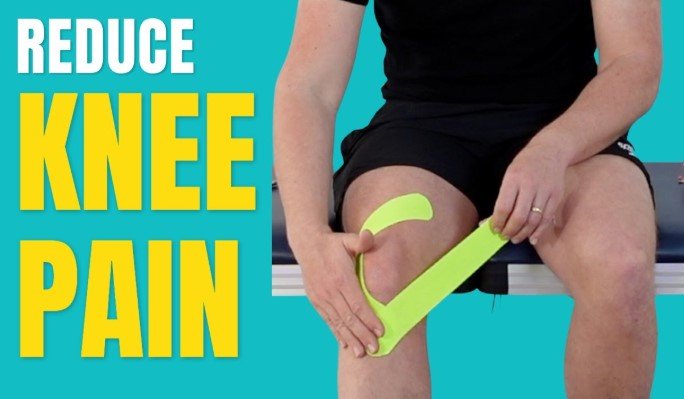
Step 1: Apply the First Strip (Vertical)
-
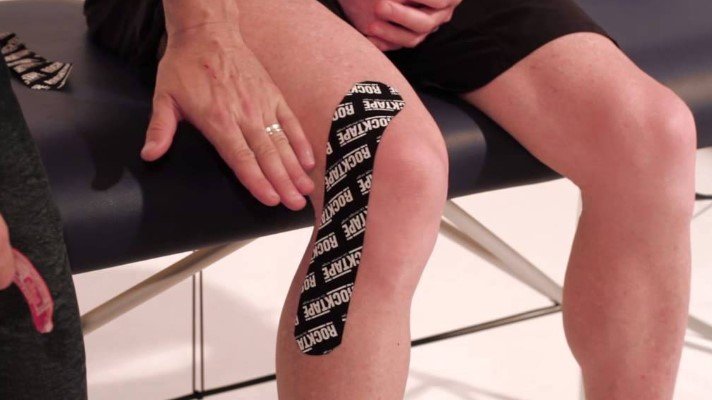
Place the anchor of the tape just below the kneecap. Do not stretch this part.
-
Apply the middle part with mild tension over the area of pain or weakness.
-
End the strip above the kneecap with no stretch.
-
Rub the tape gently. Friction activates the glue and helps it stick better.
Step 2: Apply the Second Strip (Horizontal)
-
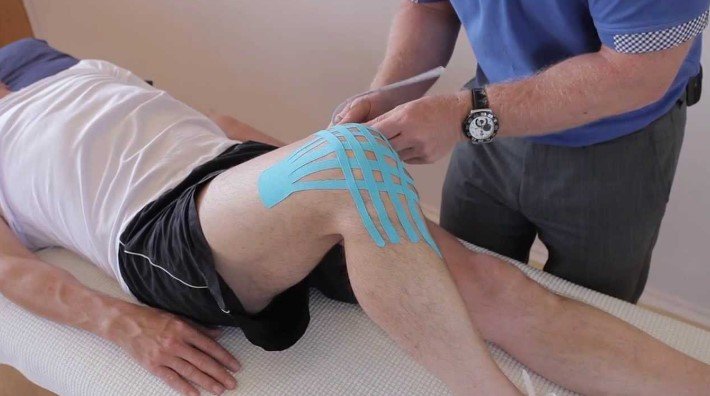
Place the second strip horizontally across the top of the kneecap.
-
Start on one side of the knee, stretch lightly, and finish on the other side without tension.
-
Smooth the tape to remove wrinkles. Wrinkles can irritate the skin.
Step 3: Test the Movement
-
Slowly bend and straighten your knee.
-
The tape should move with your skin, not lift or peel.
-
If it feels loose, press gently to improve adhesion.
Tips for Best Results
-
Do not overstretch the tape: Too much stretch can irritate the skin or reduce effectiveness.
-
Wear time: Keep the tape on for 3–5 days unless irritation occurs.
-
Showering: You can shower with the tape. Pat dry gently afterward.
-
Avoid direct sunlight or heat: This may weaken the adhesive.
-
Store tape properly: Keep it in a cool, dry place for longer use.
Extra Information
Muscle tape supports the knee but does not cure serious injuries. It works best for:
-
Mild pain
-
Swelling or inflammation
-
Supporting weak muscles
-
Helping during sports or exercise
If you feel severe pain, swelling, or instability, see a doctor first.
FAQs
Can I use muscle tape on a swollen knee?
Yes, but apply gently and do not stretch too much. For severe swelling, consult a doctor first.
How long can I wear the tape?
3–5 days is safe. Remove sooner if itching, redness, or discomfort occurs.
Does muscle tape stop knee pain completely?
No. It reduces pain and provides support. The root cause needs proper care or treatment.
Can I sleep with the tape on?
Yes. The tape is safe to wear during sleep.
Is the tape reusable?
No. Reusing reduces stickiness and support. Always use a new strip.
Conclusion
Muscle tape is a simple and effective way to support your knee and reduce discomfort. Clean skin, correct tape placement, and gentle tension make the tape work better.
Combine taping with rest, light exercise, and proper care. Using tape correctly can help you move easier, reduce pain, and stay active.