
What Muscles Do Overhead Press Work? [Unlock Strength]
The overhead press ranks among the most effective exercises for building upper-body strength and improving posture. Performing this lift challenges multiple muscle groups at once, making it a staple in strength training routines.
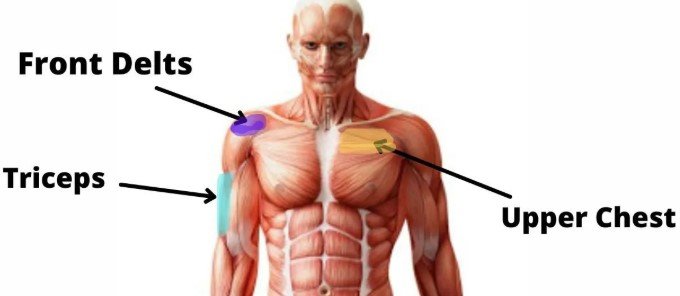
Shoulders take the lead, with the deltoids working hard to push the weight overhead. Triceps assist by extending the elbows, while the upper chest and traps stabilize and support the movement. Core muscles, including the abs and obliques, engage to maintain balance and prevent arching of the lower back.
Even smaller stabilizing muscles throughout the shoulders and upper back activate, enhancing overall functional strength. Overhead pressing also improves shoulder mobility and joint health when performed correctly.
Understanding which muscles work during this exercise helps in targeting weak points and maximizing gains. Proper form and controlled movement amplify results, reduce injury risk, and make each session highly effective for full-body strength development.
What Muscles Do Overhead Press Work?
The overhead press is a classic exercise for building upper body strength. It may look simple, but it works several major muscles at the same time.
Knowing which muscles are involved can improve technique, prevent injury, and help you get better results. This guide explains the main and secondary muscles, how the exercise works, and tips to perform it safely.
Main Muscles Worked by Overhead Press
Deltoids (Shoulders)
The deltoids are the primary movers in an overhead press. They give your shoulders strength and size. The deltoid has three parts:
-
Anterior (Front) Deltoid: Lifts the weight forward and overhead. This part does most of the work during pressing.
-
Lateral (Side) Deltoid: Pushes the weight upward and helps create width in the shoulders.
-
Posterior (Rear) Deltoid: Stabilizes the shoulder joint during movement. It does not push but prevents imbalance.
Training all parts of the deltoid helps with stronger and rounder shoulders.
Triceps Brachii (Back of Upper Arm)
Triceps extend the elbow. Every time you press the weight above your head, the triceps work hard. Strong triceps allow heavier lifts and protect the elbows. Overhead press engages all three triceps heads:
-
Long Head: Runs along the back of the arm. Works most during overhead movements.
-
Lateral and Medial Head: Assist in pushing and stabilizing the weight.
Balanced triceps strength improves shoulder stability and pressing power.
Upper Chest (Clavicular Pectoralis Major)
The upper chest supports the lift. It helps move the weight above the head and keeps the shoulders stable. While it is not the main muscle, neglecting it can reduce pressing efficiency. Strong upper chest muscles also improve the look of your upper body.
Trapezius (Upper Back)
The trapezius helps lift and stabilize the shoulder blades. The upper traps assist when pressing overhead. The middle traps stabilize the shoulder blades and prevent slumping. Well-developed traps improve posture and reduce risk of shoulder injuries.
Core Muscles
A strong core is vital for overhead pressing. The core includes:
-
Rectus Abdominis: Prevents the back from arching.
-
Obliques: Help stabilize rotation.
-
Erector Spinae (Lower Back): Supports the spine during pressing.
Without core engagement, the body may lean back, increasing risk of injury.
Secondary Muscles Activated
Other smaller muscles assist and stabilize during overhead press:
-
Serratus Anterior: Moves shoulder blades smoothly. Prevents winging of the scapula.
-
Rotator Cuff: Keeps the shoulder joint stable.
-
Forearm Muscles: Improve grip and control the weight.
These muscles are important for safety and long-term shoulder health.
Biomechanics of Overhead Press
The overhead press is a compound exercise. It requires coordination between shoulders, arms, and core. The movement follows a vertical path:
-
Start with the weight at shoulder level.
-
Press straight upward using deltoids and triceps.
-
Keep elbows slightly forward to protect joints.
-
Lock the elbows lightly at the top. Avoid overextending.
-
Lower the weight slowly to shoulder level.
Proper mechanics prevent shoulder and back injuries.
Variations of Overhead Press
Standing Barbell Press
-
Engages the core and stabilizers most.
-
Requires balance and coordination.
-
Ideal for overall strength development.
Seated Dumbbell Press
-
Reduces lower back strain.
-
Allows more natural movement of arms.
-
Helps focus on shoulder development.
Arnold Press
-
Rotates palms during pressing.
-
Works anterior deltoids more intensely.
-
Improves shoulder mobility and strength.
Tips for Maximum Muscle Activation
-
Keep feet firmly on the floor.
-
Engage your core and glutes.
-
Avoid leaning back excessively.
-
Use a full range of motion.
-
Exhale when pushing up, inhale when lowering.
-
Start light to perfect form before increasing weight.
Common Mistakes to Avoid
-
Arching the back too much.
-
Locking elbows too forcefully.
-
Using weight that is too heavy.
-
Not engaging the core or stabilizers.
-
Moving the bar forward instead of straight up.
Fixing these mistakes ensures safety and better results.
Benefits of Overhead Press
-
Builds strong shoulders and arms.
-
Improves upper body stability.
-
Strengthens core muscles.
-
Enhances posture.
-
Increases functional strength for daily movements.
Conclusion
The overhead press targets multiple muscles, not just shoulders. It works deltoids, triceps, traps, upper chest, and core. Smaller muscles like the rotator cuff and serratus anterior stabilize the movement.
Performing the exercise correctly improves strength, posture, and overall upper body development. Consistent training leads to stronger, well-shaped shoulders and safer lifting mechanics.
FAQs
Q1: How often should I perform overhead presses?
Two to three times per week is ideal for most people. Rest days help muscles recover.
Q2: Can beginners do overhead presses safely?
Yes. Start with light weights or dumbbells to learn correct form.
Q3: Dumbbells or barbell – which is better?
Dumbbells allow more natural arm movement. Barbells let you lift heavier weights safely.
Q4: How wide should my grip be?
Hands slightly wider than shoulder-width provides balance and comfort.
Q5: Does overhead press help upper chest growth?
Yes, but the main focus remains on shoulders and triceps.
Q6: Should I do standing or seated press?
Standing presses engage core and stabilizers more. Seated presses reduce lower back stress.