Does Boxing Build Muscle? How Boxing Builds Muscle?
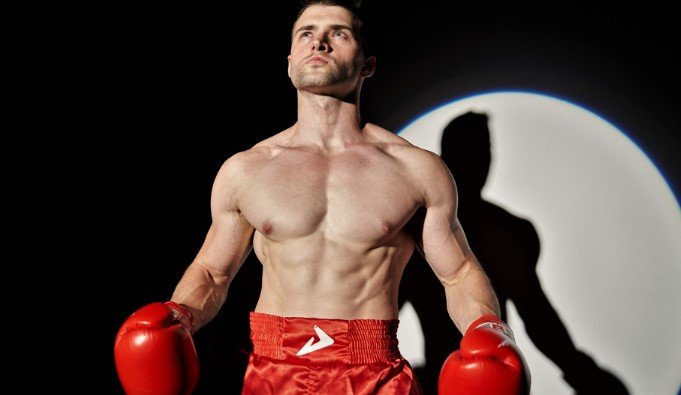
Boxing has long been celebrated for its ability to improve cardiovascular health, agility, and endurance. Beyond the fast footwork and lightning punches, boxing offers a powerful avenue for building muscle and sculpting the body.
Each jab, hook, and uppercut engages multiple muscle groups, from the shoulders and arms to the core and legs. High-intensity training sessions increase resistance and force muscles to work harder, promoting strength and definition.
Unlike traditional gym workouts that isolate specific muscles, boxing challenges the body in dynamic, functional ways, leading to balanced muscle development. Conditioning drills, heavy bag workouts, and sparring sessions create constant tension that encourages muscle growth while also burning fat.
Many athletes notice improved tone, endurance, and overall body strength after consistent practice. For anyone seeking a full-body workout that combines skill, strategy, and strength, boxing provides a unique, engaging path toward building real muscle.
Does Boxing Build Muscle?
Boxing is not just a sport; it is a full-body workout. Many people train for fitness, self-defense, or stress relief. One common question is: Does boxing build muscle?
Boxing develops muscles differently than weightlifting. It focuses on strength, endurance, speed, and coordination. Regular boxing workouts improve your overall body shape.
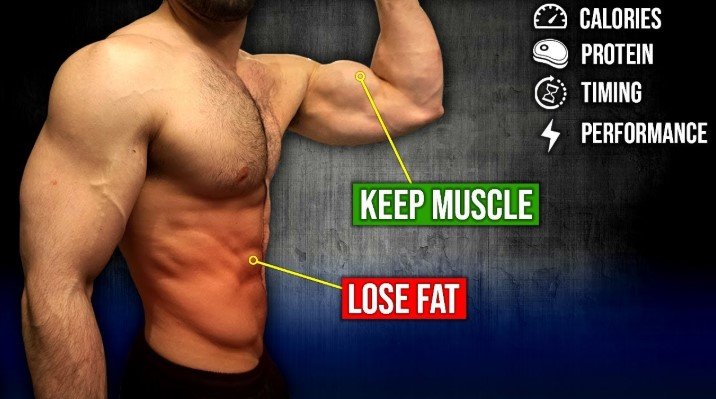
Your arms, shoulders, chest, back, legs, and core all get stronger. Fat burns during training, which makes muscles more visible.
This article explains how boxing builds muscle, the best exercises, training tips, and diet advice to maximize results.
How Boxing Builds Muscle?
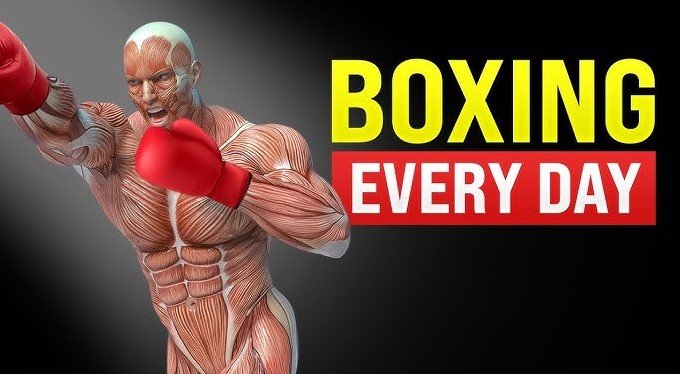
Boxing builds muscle by combining strength and endurance training. Every punch, move, and jump activates different muscle groups.
Punching Strength
Punching is not only about your arms. Your shoulders, chest, back, and core all work together to generate power. A jab or cross may look simple, but it requires multiple muscles to fire at the same time.
Example: Throwing 100 punches in a round of heavy bag training strengthens your biceps, triceps, deltoids, and chest muscles. Over time, these muscles grow and tone.
Leg Muscles and Footwork
Boxing relies on movement. Footwork trains calves, quads, hamstrings, and glutes. Moving quickly in the ring and shifting weight between legs builds strength.
Jump rope exercises improve leg endurance and explosive power. Strong legs make punches faster and more powerful.
Core Muscles
Your core is the center of all boxing movements. Twisting for hooks, uppercuts, and crosses works the abs and obliques. Strong core muscles stabilize your body and improve balance.
Core-focused drills:
-
Plank variations
-
Medicine ball twists
-
Sit-ups with punches
Muscle Endurance and Tone
Boxing includes high-intensity training. Cardio exercises burn fat while muscles stay active. This combination gives lean, strong muscles instead of bulk. You may not see large biceps like bodybuilders, but your muscles will appear firm and defined.
Upper Back and Shoulder Muscles
Defense, blocking punches, and keeping hands up strengthens upper back and shoulder muscles. Repeated movements also improve endurance.
Tip: Focus on shoulder rotation and punching with proper form to avoid injury.
Best Boxing Workouts for Muscle Growth
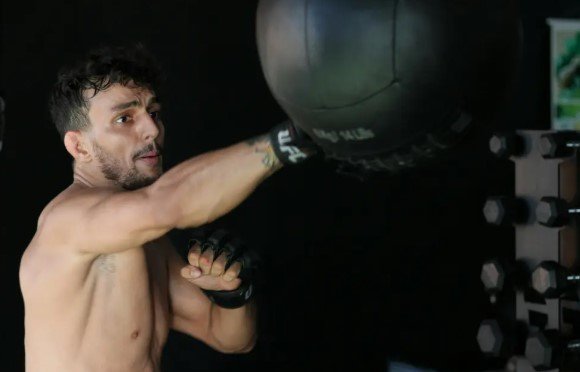
Shadow Boxing
Shadow boxing is punching in the air, often in front of a mirror. It improves technique and works muscles without weights.
Routine Example:
-
3 rounds, 3 minutes each
-
Keep elbows tucked and core tight
-
Move feet constantly
Heavy Bag Training
Heavy bag training gives resistance. Hitting a bag makes muscles work harder. Power and endurance both improve.
Routine Example:
-
5 rounds of 3 minutes
-
Mix punches: jab, cross, hook, uppercut
-
Rest 1 minute between rounds
Speed Bag
Speed bag exercises focus on shoulders and arms. Fast, continuous punching improves endurance and hand-eye coordination.
Routine Example:
-
3 rounds, 2 minutes each
-
Small, fast movements
-
Keep your wrists loose and arms steady
Jump Rope
Jump rope strengthens legs and calves while improving stamina and coordination. Quick feet help with fast footwork in the ring.
Routine Example:
-
10–15 minutes per session
-
Alternate one-foot and two-foot jumps
-
Keep a steady rhythm
Strength Training with Boxing
Boxing works best when combined with bodyweight or light weight exercises. Exercises like push-ups, pull-ups, squats, and dumbbell presses enhance muscle growth.
Tip: Work on compound movements to strengthen multiple muscle groups at once.
How Diet Supports Muscle Growth in Boxing?
Muscle building requires proper nutrition. Without good food, muscles cannot grow efficiently.
-
Eat protein-rich foods like chicken, eggs, fish, tofu, or beans. Protein repairs and builds muscles.
-
Include carbohydrates like rice, oats, or potatoes for energy.
-
Healthy fats like nuts, seeds, and avocado support recovery.
-
Stay hydrated to maintain muscle function.
-
Avoid sugary and processed foods that slow progress.
Extra Tip: Eating a protein-rich meal or shake within 30–60 minutes after boxing helps muscles recover faster.
Training Tips to Maximize Muscle Growth
-
Train consistently, at least 3–5 times per week.
-
Focus on proper punching technique. Incorrect form may cause injuries and limit muscle growth.
-
Combine boxing with resistance training. Push-ups, squats, lunges, and pull-ups complement punches and footwork.
-
Allow rest days. Muscles grow during recovery, not during training.
-
Track your progress. Gradually increase intensity to challenge your muscles.
FAQs
1. Can boxing alone make muscles bigger?
Boxing mainly improves strength, endurance, and tone. Muscles become leaner and more defined. Large muscle growth requires weightlifting or resistance training.
2. How long to see muscle results from boxing?
Most people notice stronger, toned muscles in 6–8 weeks with regular practice. Visible changes depend on diet, intensity, and consistency.
3. Does boxing burn fat?
Yes. Boxing is high-intensity cardio. It burns calories and reduces body fat, helping muscles show more clearly.
4. Can beginners gain muscle with boxing?
Absolutely. Beginners see strength and tone improvements quickly. Start with shadow boxing, light bag work, and basic footwork.
5. Should boxing be combined with weight training?
Yes. Weight training accelerates muscle growth and strengthens areas that boxing alone might not fully target.
6. Which muscles grow fastest with boxing?
Shoulders, arms, core, and legs develop faster due to continuous movement and resistance.
Conclusion
Boxing builds muscles in a natural, balanced way. It strengthens arms, shoulders, chest, legs, back, and core. Muscles become lean, toned, and strong.
Consistent practice, proper technique, and good nutrition maximize results. Combining boxing with resistance exercises improves both muscle size and endurance. Anyone can use boxing to get fit, stronger, and healthier.