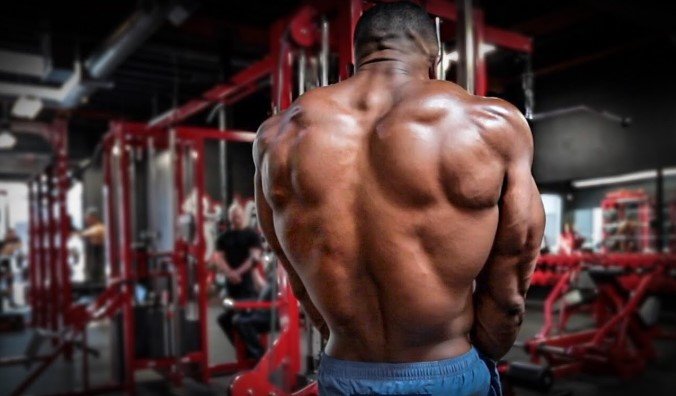
How to Build Big Trap Muscles? Guide to Build Trap Muscles
Strong, well-defined trap muscles give your upper body a powerful and athletic look. Traps play a crucial role in shoulder movement, posture, and overall upper body strength.
Building big traps requires more than random lifting; it demands targeted exercises, proper form, and consistent intensity. Heavy compound lifts like shrugs, deadlifts, and rows engage the traps effectively, while isolation movements refine and sculpt their size.
Nutrition also plays a key role in muscle growth. Protein-rich meals and proper recovery help trap muscles repair and grow stronger after every workout. Tracking progress with gradual weight increases ensures continuous development and avoids plateaus.
Small adjustments in grip, angle, and tempo can produce noticeable improvements over time. Dedicated focus on traps not only enhances strength but also adds an impressive visual impact, making the shoulders and neck area stand out.
How to Build Big Trap Muscles?
Trap muscles sit on the upper back and neck. They give a strong and athletic appearance. Strong traps improve posture and prevent neck and shoulder pain.
Many workouts ignore traps, but building them can improve strength in lifting, pulling, and even daily activities like carrying bags.
This guide explains trap anatomy, best exercises, techniques, and recovery tips to grow big trap muscles safely.
Understanding Trap Muscles
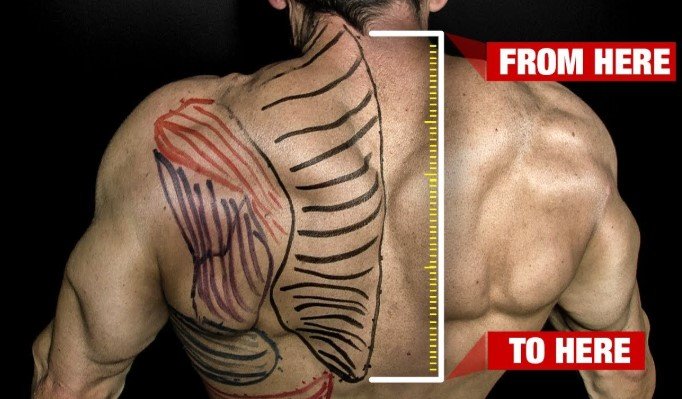
Trapezius muscles have three parts:
Upper Traps
-
Start at the base of your skull and go to your shoulders.
-
Responsible for shrugging and lifting shoulders.
-
Strong upper traps make the neck and shoulder area look bigger.
Middle Traps
-
Located between shoulder blades.
-
Pull shoulder blades together when you row or pull.
-
Strong middle traps improve posture and reduce rounded shoulders.
Lower Traps
-
Run from the middle back to shoulder blades.
-
Help lower shoulder blades and stabilize the back.
-
Strong lower traps prevent shoulder injuries and improve overhead lifts.
Balancing all three parts creates a full, strong look. Many people train only upper traps, leaving middle and lower traps weak.
Best Exercises to Build Trap Muscles
1. Barbell Shrugs
Barbell shrugs focus on upper traps.
Steps:
-
Hold a barbell in front of your thighs, palms facing your body.
-
Lift shoulders straight up toward ears.
-
Pause 1-2 seconds, feel the squeeze.
-
Lower slowly.
Tips:
-
Avoid using momentum.
-
Keep arms straight and back firm.
-
Use moderate to heavy weight for growth.
Reps & Sets: 3 sets of 12–15 reps.
2. Dumbbell Shrugs
Dumbbells allow natural shoulder movement.
Steps:
-
Hold dumbbells at your sides.
-
Lift shoulders up without bending elbows.
-
Hold 1–2 seconds at the top, then lower slowly.
Tips:
-
Focus on controlled movement.
-
Keep neck relaxed.
-
Alternate between heavy and moderate weight for best results.
Reps & Sets: 3 sets of 12–15 reps.
3. Upright Rows
Upright rows build upper traps and shoulders.
Steps:
-
Hold a barbell or dumbbells in front of thighs.
-
Pull weight toward chest, elbows out.
-
Lower slowly.
Tips:
-
Keep wrists straight.
-
Avoid lifting too heavy; it may injure shoulders.
-
Squeeze traps at the top.
Reps & Sets: 3 sets of 10–12 reps.
4. Face Pulls
Face pulls strengthen middle and lower traps.
Steps:
-
Attach rope to cable machine at eye level.
-
Pull rope toward your face, elbows out.
-
Squeeze shoulder blades together.
-
Slowly release.
Tips:
-
Focus on pulling with traps, not arms.
-
Keep elbows high and parallel to the floor.
-
Helps correct posture.
Reps & Sets: 3 sets of 12–15 reps.
5. Deadlifts
Deadlifts strengthen entire back, including traps.
Steps:
-
Stand with feet hip-width apart, barbell in front.
-
Bend knees and hips, grab the bar.
-
Lift by standing straight, keeping back flat.
-
Lower bar slowly to floor.
Tips:
-
Do not round your back.
-
Keep shoulders pulled back.
-
Traps help hold weight during lift.
Reps & Sets: 3 sets of 8–10 reps.
6. Farmer’s Walk
Farmer’s walk builds traps, grip, and core.
Steps:
-
Hold heavy dumbbells or kettlebells at sides.
-
Walk straight for 20–30 meters.
-
Keep shoulders back and core tight.
Tips:
-
Use weights you can carry safely.
-
Maintain posture, avoid slouching.
Reps & Sets: 3–4 rounds.
7. Rack Pulls
Rack pulls target upper and middle traps and improve deadlift strength.
Steps:
-
Set barbell on safety pins at knee level.
-
Pull bar as in deadlift, focusing on trap engagement.
-
Lower slowly.
Tips:
-
Hold bar firmly.
-
Squeeze traps at top.
-
Great for building thickness in traps.
Reps & Sets: 3–4 sets of 6–10 reps.
Training Tips for Bigger Traps
-
Train 2–3 times per week: Give muscles time to recover.
-
Use progressive overload: Increase weight gradually.
-
Focus on form: Controlled movement matters more than heavy weights.
-
Mix exercises: Combine shrugs, rows, pulls, and deadlifts.
-
Include rest days: Muscles grow during recovery.
-
Eat enough protein: Protein supports repair and growth.
-
Stretch traps: Prevents stiffness and improves movement.
Common Mistakes to Avoid
-
Ignoring middle and lower traps: Only upper traps grow if neglected.
-
Using momentum: Reduces muscle activation.
-
Overtraining: Too many sets can cause injury.
-
Poor posture: Rounding shoulders reduces effectiveness.
-
Skipping warm-up: Cold muscles risk strains.
Nutrition Tips for Trap Growth
-
Eat lean protein: chicken, fish, eggs, beans.
-
Include healthy carbs: rice, oats, potatoes for energy.
-
Add healthy fats: nuts, olive oil, avocado.
-
Stay hydrated: Muscles need water to grow.
-
Post-workout meals: Protein and carbs help recovery.
Recovery Tips
-
Sleep 7–9 hours per night.
-
Stretch traps after workouts.
-
Foam roll to reduce tension.
-
Avoid overtraining the same muscles.
Final Thoughts
Strong traps improve posture, strength, and appearance. Training all parts of traps upper, middle, and lower creates balanced growth.
Exercises like shrugs, upright rows, face pulls, deadlifts, farmer’s walks, and rack pulls target traps effectively. Consistent training, proper form, good nutrition, and recovery are key to bigger, stronger traps.
FAQs
Q1: How long does it take to see growth?
6–8 weeks with consistent training and proper diet.
Q2: Can women build traps?
Yes. Women can strengthen and tone traps without becoming bulky.
Q3: Should I lift heavy or light?
Moderate to heavy weights with good form work best. Avoid maxing out every session.
Q4: How often should I train traps?
2–3 times per week, with rest between sessions.
Q5: Can I grow traps without weights?
Bodyweight exercises and resistance bands help, but weights provide more growth.
Q6: What helps traps recover faster?
Sleep, stretching, foam rolling, and proper nutrition improve recovery.