5 Best Gym Shoes for Bad Knees That Keep You Pain-Free
Knee pain can ruin a good workout and slow down progress. The right gym shoes can reduce pressure, improve balance, and support every step you take. Good cushioning absorbs shock, while stable soles keep your knees in proper alignment.
Many people ignore this and end up with more discomfort after exercise. Smart shoe choices help protect joints and boost confidence during training. This guide highlights five gym shoes that work well for people with bad knees. Each option focuses on comfort, support, and durability.
You will find shoes that fit different workout styles, from light cardio to strength training. Clear features and simple benefits make it easy to compare each pair. Strong support and proper fit can make a big difference in how your knees feel during and after workouts. Your knees deserve better care every single day.
5 Best Gym Shoes for Bad Knees
Our Top 5 Best Gym Shoes For Bad Knees Reviews – Expert Tested & Recommended
1. Men’s Breathable Running Shoes for Gym, Walking & Casual Wear – Comfortable Athletic Sneakers
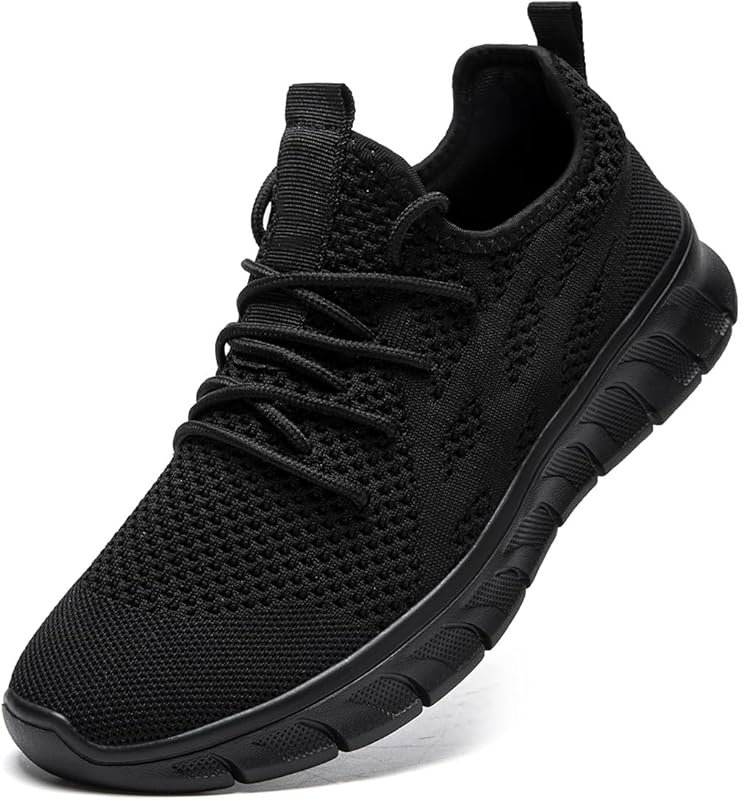
These breathable running shoes are a game-changer for men dealing with knee pain who still want to stay active. Designed for gym sessions, walking, and everyday wear, they combine lightweight flexibility with responsive cushioning to absorb impact and reduce strain on your joints.
Key Features That Stand Out
✓ Lightweight mesh upper for superior breathability and airflow
✓ Shock-absorbing midsole that reduces knee impact during movement
✓ Slip-on design with elastic laces for easy wear and secure fit
✓ Durable rubber outsole with excellent traction on gym floors
✓ Roomy toe box prevents toe crowding and enhances natural foot alignment
Why We Recommend It
We named this our Best Choice because it delivers outstanding comfort and support without sacrificing style or durability. Multiple users reported reduced knee discomfort after switching from traditional sneakers, especially during long walks or light gym workouts.
Best For
Men who want a versatile, low-impact shoe for daily gym visits, walking, or casual wear especially those with mild to moderate knee issues.
Pros and Cons
Pros:
- Exceptional breathability keeps feet cool
- Easy slip-on design saves time
- Affordable price for high-quality construction
- Great for low-impact activities and recovery days
Cons:
- Not ideal for heavy lifting or high-impact running
- Limited color options
Customer Reviews
Customer Review: “I mean for the price, I didn’t expect much. But stylish, quality material, and comfortable always wearing without socks! Decent support and the sizing was perfect. For the past month I have worn them hiking for a week in the mountains and just getting 10k steps a day walking my dog around the city.”
Customer Review: “These sneakers have become my go to pair. They are slip on, no tedious shoe string to wrestle with, the strings are cosmetic. it is one color, uniform. it is durable, comfortable stride and fit for both walking and running. The price was amazingly, low.”
2. Men’s Barefoot Zero Drop Shoes with Wide Toe Box – Minimalist Gym, Hiking & Cross-Training Footwear
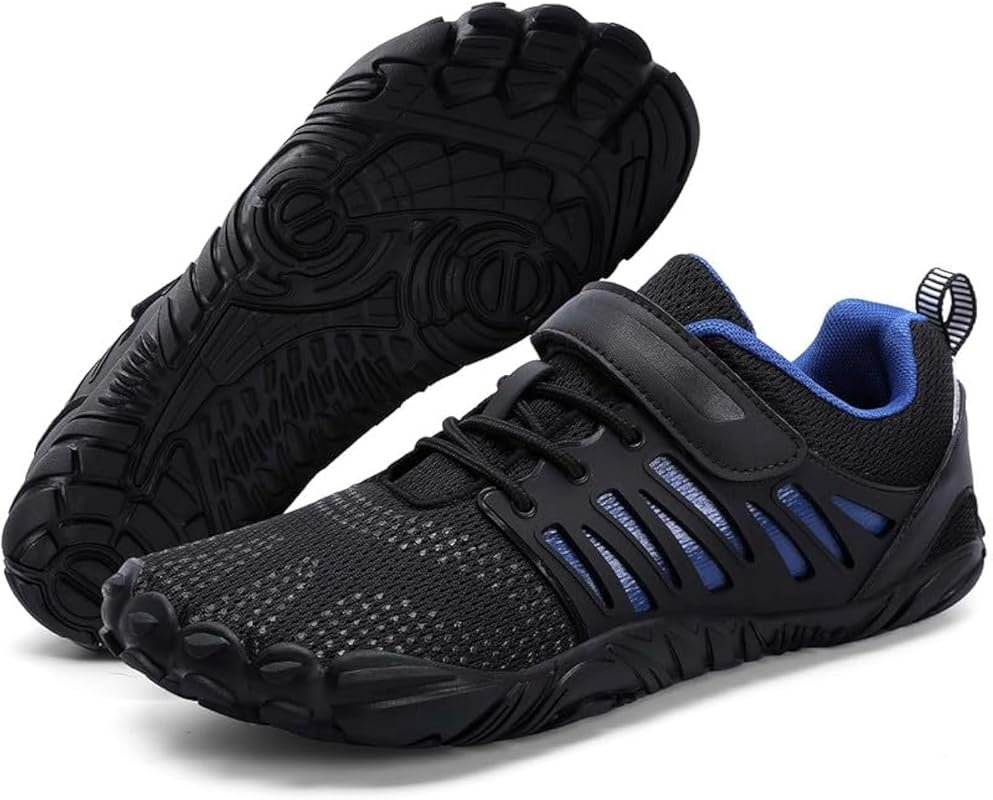
These minimalist barefoot shoes promote natural foot movement and alignment, making them ideal for men with knee pain caused by improper gait or overpronation. The zero-drop design encourages a more natural stride, reducing stress on the knees over time.
Key Features That Stand Out
✓ Zero-drop sole promotes natural posture and alignment
✓ Extra-wide toe box allows toes to splay naturally
✓ Flexible, lightweight construction mimics barefoot feel
✓ Non-marking rubber outsole with multi-surface grip
✓ Ideal for functional training, bodyweight exercises, and rehab workouts
Why We Recommend It
As our Editor’s Choice, this shoe stands out for its ability to retrain your gait and improve joint mechanics. It’s not for everyone, but for those willing to transition slowly, it can significantly reduce chronic knee pain by encouraging better biomechanics.
Best For
Men interested in natural movement training, cross-training, or rehabilitation especially those with flat feet, overpronation, or joint misalignment contributing to knee discomfort.
Pros and Cons
Pros:
- Encourages proper foot and knee alignment
- Lightweight and highly flexible
- Great for balance and proprioception training
- Durable materials withstand outdoor and indoor use
Cons:
- Requires a transition period to avoid injury
- Minimal cushioning may not suit high-impact activities
Customer Reviews
Customer Review: “The media could not be loaded.MIFAWA, I can see that it is a brand that focuses on developing comfortable footwear. Today is August 4th and I feel good despite my problems with flat feet, fasciitis, and others. The current line of this footwear brand covers categories such as hiking, sports,”
Customer Review: “These barefoot shoes exceeded my expectations. The first thing I noticed was the wide toe box. My toes have plenty of space to spread naturally, which makes them much more comfortable than traditional training shoes.The zero drop design gives a natural ground feel that works well for gym workouts,”
3. WHITIN Wide Toe Box Sneakers for Men & Women – Comfortable Walking & Running Shoes for Wide Feet
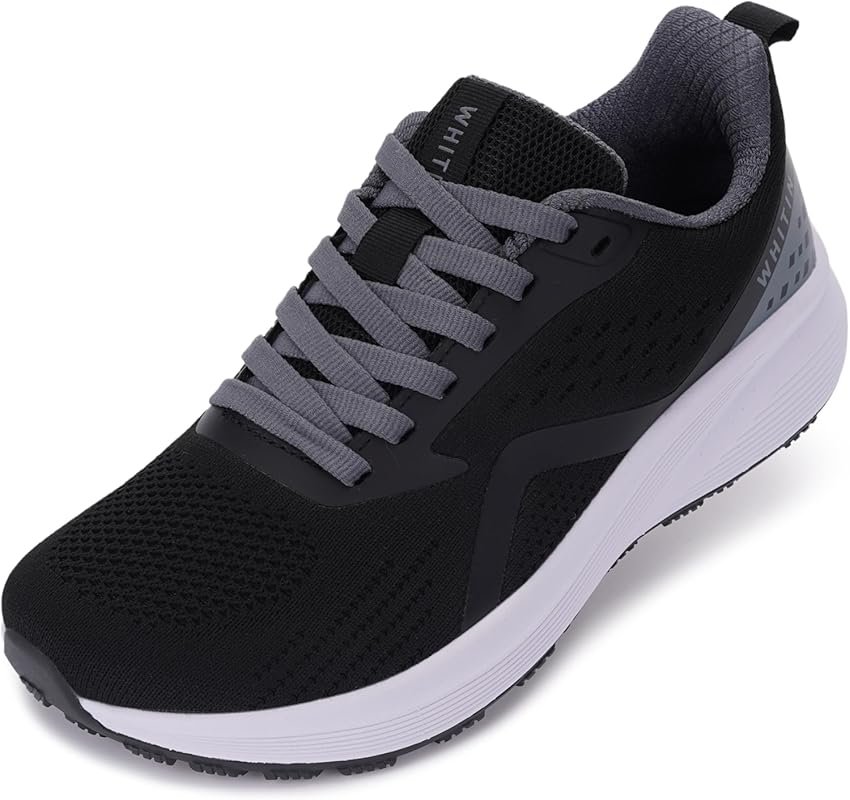
Don’t let the affordable price fool you these WHITIN sneakers offer premium comfort and support for people with wide feet and knee sensitivity. The generous toe box and cushioned insole work together to reduce pressure points and improve overall foot alignment.
Key Features That Stand Out
✓ Spacious toe box prevents toe compression and bunions
✓ Cushioned EVA midsole absorbs shock during walking and light jogging
✓ Breathable knit upper adapts to foot shape for a sock-like fit
✓ Lightweight design reduces leg fatigue during long wear
✓ Unisex styling suitable for both men and women
Why We Recommend It
This is our Best Budget pick because it delivers exceptional value without cutting corners on comfort or support. It’s perfect for gym-goers who need relief from knee pain but don’t want to spend over $100 on specialized footwear.
Best For
Individuals with wide feet, mild knee pain, or those seeking an affordable yet supportive shoe for daily gym use, walking, or light cardio.
Pros and Cons
Pros:
- Excellent value for money
- Roomy fit ideal for wide or swollen feet
- Soft cushioning reduces joint impact
- Easy to clean and quick-drying material
Cons:
- Not designed for heavy weightlifting
- Outsole may wear faster on rough surfaces
Customer Reviews
Customer Review: “The wide toe box design has significantly improved my comfort during long walks and allowed for more natural foot movement during workouts. They provide excellent stability and feel very durable. On top of that, they look great. I constantly get asked where I bought them.”
Customer Review: “These are great shoes, well made and so comfortable! For the price, you can’t beat them if you are like me and must have a wide toe box.”
4. JACKSHIBO Wide Toe Box Sneakers with Arch Support – Orthopedic Running Shoes for Plantar Fasciitis
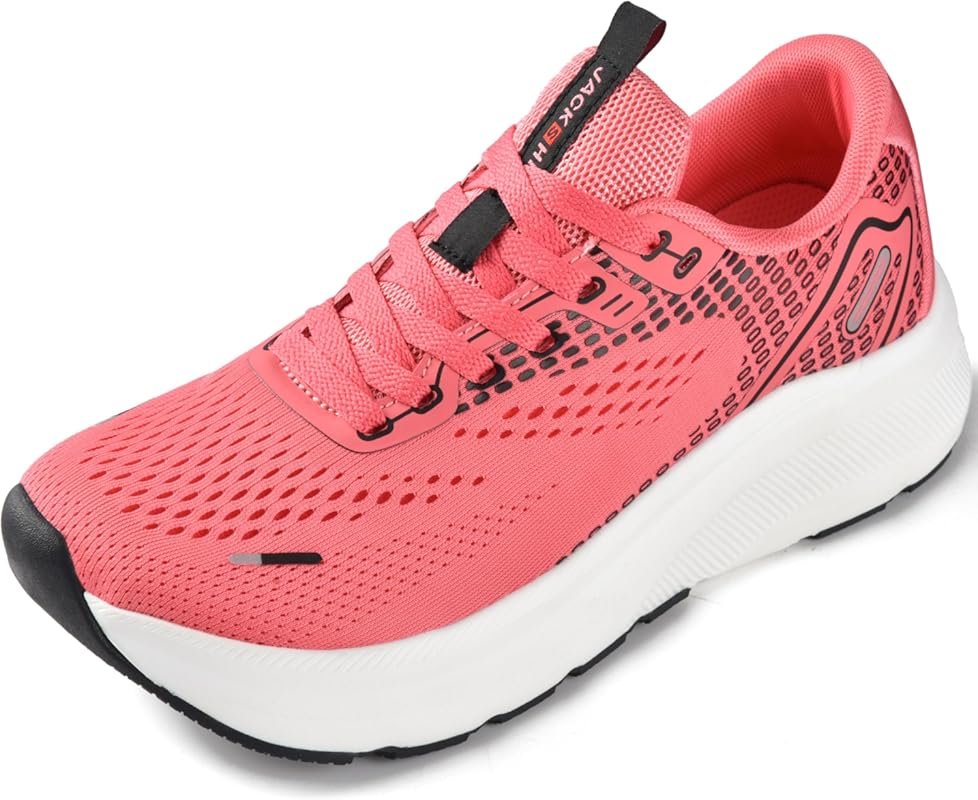
Designed with orthopedic principles in mind, these JACKSHIBO sneakers target women suffering from plantar fasciitis, flat feet, and related knee pain. The built-in arch support and deep heel cup help stabilize the foot, reducing compensatory strain on the knees.
Key Features That Stand Out
✓ Medical-grade arch support reduces overpronation
✓ Deep heel cup enhances stability and alignment
✓ Wide toe box accommodates bunions and hammertoes
✓ Removable insole allows for custom orthotics
✓ Soft, padded collar prevents ankle irritation
Why We Recommend It
While primarily marketed for plantar fasciitis, these shoes are excellent for women whose knee pain stems from poor foot mechanics. The structured support helps correct gait imbalances that often lead to joint stress.
Best For
Women with flat feet, overpronation, or plantar fasciitis who experience secondary knee pain during standing, walking, or gym activities.
Pros and Cons
Pros:
- Excellent arch and heel support
- Accommodates custom insoles
- Comfortable for all-day wear
- Stylish enough for casual outings
Cons:
- Heavier than minimalist options
- Limited color selection
Customer Reviews
Customer Review: “I’ve struggled with knee pain for years, but since switching to these orthopedic sneakers, I notice less discomfort after long walks. The arch support is firm but not uncomfortable, and the wide fit gives my toes room to breathe.”
5. New Balance 520 v9 Running Shoe – Lightweight Cushioned Athletic Footwear for Daily Runs
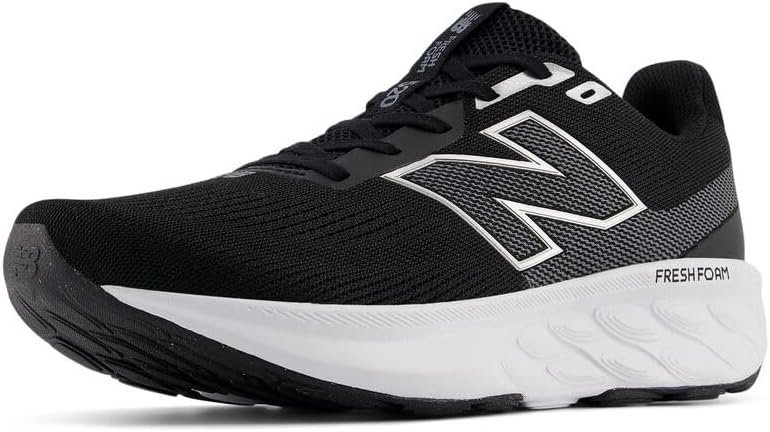
The New Balance 520 v9 combines trusted brand reliability with modern cushioning technology to deliver a smooth, joint-friendly ride. Its Fresh Foam midsole offers responsive yet soft landings, making it ideal for men who need extra protection for their knees.
Key Features That Stand Out
✓ Fresh Foam midsole provides plush, consistent cushioning
✓ Engineered mesh upper offers breathability and structure
✓ Rubber outsole with flex grooves for natural motion
✓ Lightweight build reduces leg fatigue
✓ Available in multiple widths for a customized fit
Why We Recommend It
New Balance is known for prioritizing comfort and support, and the 520 v9 lives up to that reputation. It’s a reliable choice for daily gym use, light running, or walking especially for those who want proven performance from a trusted brand.
Best For
Men seeking a balanced, cushioned shoe from a reputable brand for everyday gym workouts, walking, or low-impact running with knee sensitivity.
Pros and Cons
Pros:
- Excellent shock absorption
- True-to-size fit with wide width options
- Durable construction for long-term use
- Versatile for activities
Cons:
- Higher price point than budget options
- May feel too cushioned for weightlifting
Customer Reviews
Customer Review: “I bought these as a gift for my husband, he’s never had “good shoes” but he loves them! Bought a 9.5 and they are true to size. They are extremely comfortable, they help with his foot pain and plantar fasciitis, the all black is a nice style since he is used to Jordan’s, so it suits his style well. “
Customer Review: “My son love these sneakers. They are good quality sneakers. The size and walkability are just right. The color and style are low profile for the work he does. He’s on his feet all day at work and no longer complains about foot pain.”
Complete Buying Guide for Best Gym Shoes for Bad Knees
Essential Factors We Consider
When selecting the best gym shoes for bad knees, we prioritize cushioning, arch support, stability, and fit. Look for shoes with responsive midsoles (like EVA or Fresh Foam), a wide toe box to prevent crowding, and features that correct overpronation or supination.
Avoid flat, unsupportive soles or overly stiff designs that restrict natural movement. Always consider your specific activity weightlifting demands different support than cardio or walking.
Budget Planning
You don’t need to spend over $150 to get knee-friendly footwear. Our top picks range from under $50 to around $100, proving that affordability and quality can coexist. Set a budget based on usage: occasional gym-goers may opt for budget models like WHITIN, while daily users might invest in durable brands like New Balance.
What shoes to wear for bad knees?
The best shoes for bad knees are those that provide good cushioning, support, and stability. While shoes can’t cure knee pain, the right pair can reduce impact and improve comfort during daily activities and exercise.
1. Cushioned Running Shoes
Best for:
- Walking
- Treadmill workouts
- Running
Benefits:
- Absorb shock with each step.
- Help reduce stress on the knees.
- Comfortable for long periods of walking.
2. Walking Shoes
Best for:
- Everyday wear
- Light exercise
Benefits:
- Soft cushioning
- Good arch support
- Stable heel design
3. Cross-Training Shoes
Best for:
- Gym workouts
- Strength training
- Fitness classes
Benefits:
- Good balance of cushioning and stability.
- Support side-to-side movements.
4. Stability Shoes
Best for:
- People whose feet roll inward excessively (overpronation).
Benefits:
- Help improve foot alignment.
- Provide extra support that may reduce strain on the knees.
Features to Look For
- Thick, responsive cushioning.
- Strong arch support that matches your foot type.
- Firm heel counter for added stability.
- Wide toe box for comfort.
- Durable outsole with good traction.
Tips
- Replace worn-out shoes regularly, as flattened cushioning provides less protection.
- Choose shoes that fit well and feel comfortable from the start.
- If you have persistent knee pain or a specific foot condition, consider getting fitted at a specialty shoe store or consulting a healthcare professional.
For most people with bad knees, well-cushioned walking shoes or running shoes provide the best comfort for everyday use, while cross-training shoes are ideal for gym workouts. The most important factor is finding shoes that fit properly and offer the right combination of cushioning and support for your activity.
Final Thoughts
Investing in the right gym shoes isn’t just about comfort it’s about protecting your joints for long-term health. The best shoe for you depends on your foot shape, activity level, and the root cause of your knee pain. Always try shoes on later in the day when feet are slightly swollen, and consider consulting a podiatrist if pain persists.
Frequently Asked Questions
Q: Can the right gym shoes really help with knee pain?
A: Absolutely. Poor footwear can exacerbate knee issues by promoting improper gait or lack of shock absorption. Supportive shoes with proper cushioning and alignment features can significantly reduce joint stress during movement.
Q: Are minimalist shoes good for bad knees?
A: They can be, but only if used correctly. Minimalist or barefoot shoes encourage natural foot mechanics, which may improve knee alignment over time but they require a gradual transition to avoid injury.
Q: Should I wear the same shoes for lifting and cardio?
A: Not necessarily. Weightlifting benefits from flat, stable soles (like Converse or dedicated lifting shoes), while cardio and walking need more cushioning. If you do both, choose a hybrid shoe with moderate support and flexibility.
Q: How often should I replace my gym shoes?
A: Most experts recommend replacing athletic shoes every 300–500 miles or every 6–12 months with regular use. Worn-out midsoles lose their shock-absorbing ability, increasing knee strain.
Q: Can I use orthotics with these shoes?
A: Yes, many of our recommended models (like the JACKSHIBO and New Balance) have removable insoles, making them compatible with custom orthotics for personalized support.