
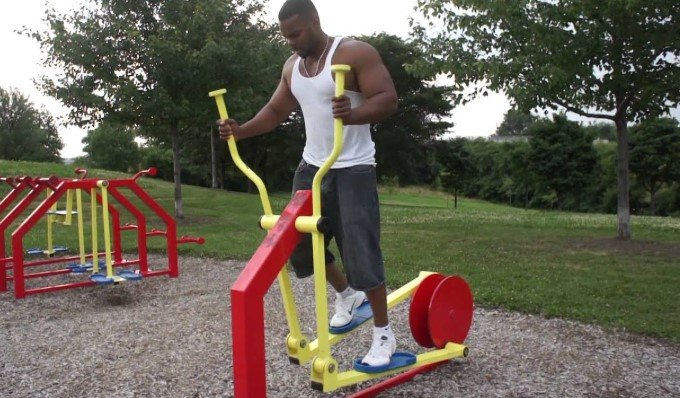
14 Outdoor Fitness Ideas to Boost Energy & Enjoy Nature
Exercise outdoors offers more than just physical benefits it lifts mood, sparks creativity, and connects people with nature. Fresh air, sunlight, and open spaces make workouts feel less like a routine and more like an adventure. Parks, trails, beaches, and even city streets provide endless opportunities to stay active.
Simple movements like jogging or bodyweight exercises gain new energy when surrounded by greenery or open skies. Group activities add motivation and make fitness social, while solo sessions allow focus and mindfulness.
Combining cardio, strength, and flexibility exercises outdoors challenges the body in ways indoor gyms cannot replicate. Nature’s unpredictability, from uneven terrain to wind resistance, engages muscles differently and improves balance and coordination.
These 14 outdoor fitness ideas inspire creativity, prevent boredom, and help form long-lasting healthy habits. Enjoying movement outside makes exercise feel like a natural part of daily life rather than a chore.
14 Outdoor Fitness Ideas
Exercising outside builds strength, endurance, and peace of mind. The open air makes movement feel lighter, and natural surroundings reduce stress.
Many people find outdoor workouts more enjoyable than indoor routines because they bring variety, sunlight, and space to move freely. Fitness outdoors doesn’t need fancy gear or a gym. A few simple activities can shape the body, sharpen focus, and lift the spirit.
Here are 14 practical outdoor fitness ideas that anyone can start right away.
1. Morning Jog in the Park
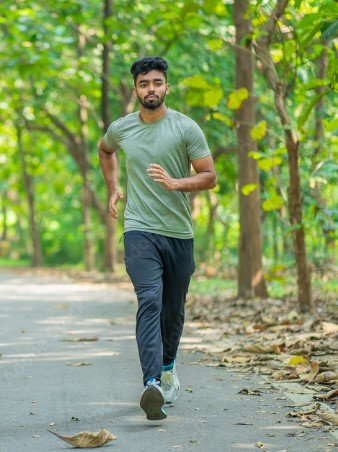
A morning jog helps the body wake up gently while refreshing the mind. The air is cooler, and the environment quieter. This makes it a peaceful way to begin the day. Jogging outdoors strengthens the heart, lungs, and leg muscles. It also helps burn fat more efficiently due to natural air resistance.
Start by walking briskly for five minutes to warm up the muscles. Then switch to light jogging for ten to fifteen minutes. Gradually increase speed or distance as stamina improves. Parks with soft tracks or grass are best since they reduce strain on knees and ankles.
Listen to steady breathing, not speed. A comfortable pace that allows talking is ideal for beginners. Carry a water bottle to stay hydrated, and wear comfortable running shoes. Morning jogs improve focus for the rest of the day and create a lasting sense of energy.
2. Outdoor Yoga
Yoga in an open space connects body and mind with nature. Practicing on grass, sand, or a garden deck allows fresh air and natural sounds to guide focus. Each pose becomes more relaxing outside than within closed walls. Sunlight also supports vitamin D levels, which strengthens bones and boosts immunity.
A short routine can include poses like Mountain for posture, Tree for balance, and Warrior for strength. Add gentle breathing exercises between poses to keep calm. Each session can last between 20 to 40 minutes depending on comfort.
A yoga mat helps with stability, especially on uneven ground. Early morning or sunset offers the most comfortable temperature. Over time, outdoor yoga improves flexibility, posture, and inner peace. The combination of gentle movement and nature helps reduce anxiety and improves sleep quality.
3. Trail Hiking

Hiking provides both adventure and exercise. It challenges muscles through natural terrain and rewards the senses with scenic views. Uneven ground forces the legs and core to work harder, improving balance and coordination. Hiking outdoors also supports cardiovascular health while reducing stress levels through nature exposure.
Pick a trail suitable for your current fitness level. Beginners should start with short paths and increase distance over time. Always wear shoes with good grip, carry enough water, and pack light snacks for energy. Taking a friend adds safety and motivation.
For an extra challenge, include uphill sections that strengthen the thighs and calves. Hiking can burn hundreds of calories per hour while keeping the mind focused and alert. It is also one of the most enjoyable ways to stay fit without feeling like exercise.
4. Cycling Around the Neighborhood
Cycling offers a full lower-body workout while being gentle on the joints. Pedaling builds leg muscles and strengthens the heart. It also enhances coordination and balance. Outdoor cycling keeps the mind alert due to changes in scenery and pace.
Plan a route through local parks or quiet streets. Begin with 15 to 20 minutes at an easy pace and extend as stamina builds. Maintain a straight posture and keep a steady rhythm. Wearing a helmet and reflective clothing ensures safety on the road.
Cycling with friends adds social fun and encouragement. Hills or slopes provide an extra challenge for muscle strength. Regular rides improve endurance, reduce stress, and keep weight under control. It’s one of the easiest ways to stay active daily without feeling bored.
5. Bodyweight Exercises in the Park
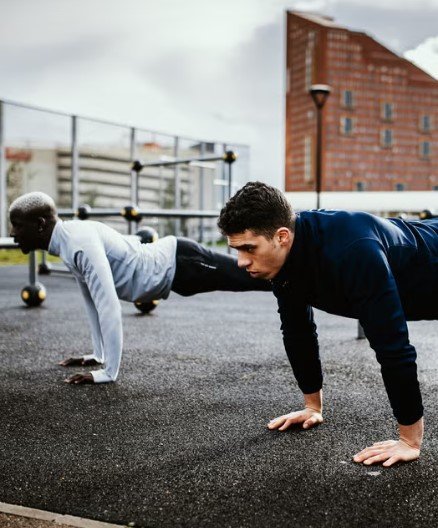
Public parks offer perfect spots for strength workouts without equipment. Benches, railings, and open lawns can turn into a full outdoor gym. Bodyweight exercises train all major muscle groups using natural resistance.
Start with push-ups for upper body strength, squats for legs, and planks for core stability. Try triceps dips on a bench and step-ups on raised platforms. Combine four to five exercises for a 30-minute session. Short breaks between sets keep the heart rate high.
The open space brings energy and freedom to move. You can change routines daily to avoid repetition. Over time, outdoor bodyweight training improves overall fitness, posture, and flexibility. It’s simple, cost-free, and adaptable to any fitness level.
6. Swimming in a Natural Pool or Lake
Swimming outdoors works nearly every muscle in the body. It strengthens the arms, legs, and back while supporting heart health. The natural resistance of water builds endurance without putting pressure on joints.
Choose a safe, clean lake, pool, or beach area. Start with gentle strokes like freestyle or breaststroke. Alternate between slow and fast laps to improve stamina. Always check for safety signs and swim in designated areas.
Swimming in natural water also calms the mind. The sound of waves and the cool water refresh the body after a hot day. A regular swimming habit improves breathing control, tones the body, and enhances flexibility. It is both relaxing and powerful as a workout.
7. Beach Workouts
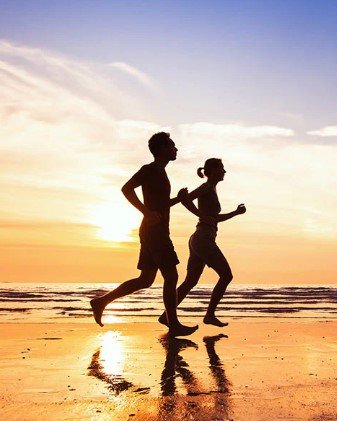
Exercising on sand increases the intensity of movement. The soft surface adds resistance, making muscles work harder. This improves strength and stability faster than regular ground exercises.
A beach workout can include jogging, lunges, planks, and sprints. Try running close to the shoreline for extra resistance. Warm up with stretches to prepare joints and prevent injury.
Morning or late afternoon is ideal to avoid strong sunlight. The sea breeze cools the body, and the view keeps motivation high. Even 30 minutes of sand-based activity burns many calories and improves leg power. The experience feels more like fun than hard work.
8. Outdoor Bootcamp Sessions
Bootcamp training brings variety and energy to outdoor workouts. It combines strength, cardio, and agility exercises into one session. A typical bootcamp might include jumping jacks, squats, push-ups, sprints, and planks.
These exercises can be done in circuits, repeating each one for a set time. The fast pace keeps the heart rate up, improving endurance and calorie burn. Bootcamp sessions in parks or open fields provide space for movement and group participation.
Many people find outdoor bootcamps motivating because of the group atmosphere. Working out with others builds discipline and keeps energy levels high. Even without a coach, a personal circuit following the same structure delivers similar results. Over time, it builds strength, speed, and confidence.
9. Jump Rope Training

Jumping rope outdoors improves both heart health and coordination. It strengthens the calves, thighs, and shoulders while improving rhythm and focus. The activity burns a large number of calories in a short period.
Use a smooth, open surface for safety. Begin with one minute of jumping followed by 30 seconds of rest. Repeat for 10 to 15 minutes. Keep elbows close to the body and wrists relaxed for better control.
Try different techniques like single jumps, high knees, or alternating feet. Gradually increase duration as endurance improves. Jump rope sessions are ideal for people with limited time but a desire for effective outdoor cardio. Consistent practice enhances agility, speed, and muscle tone.
10. Outdoor Sports Games
Sports make fitness enjoyable and social. Games such as soccer, basketball, badminton, or tennis combine competition with exercise. They train strength, speed, coordination, and teamwork.
Soccer improves leg power and endurance through constant movement. Basketball boosts agility and quick reflexes. Badminton and tennis sharpen balance and precision. Playing regularly in outdoor courts or fields builds both skill and fitness.
Sports also release stress and promote healthy friendships. Setting weekly matches helps maintain routine and motivation. Even casual play sessions count as full-body workouts. The mix of fun, movement, and connection makes sports one of the best outdoor fitness ideas.
11. Stair Climbing at Local Parks
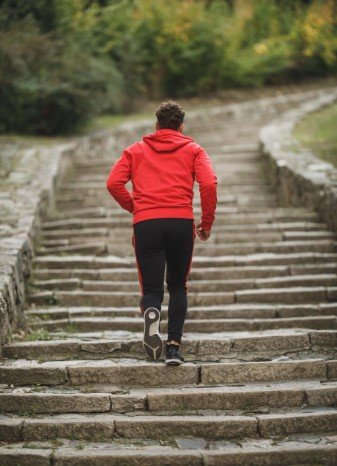
Climbing stairs is a powerful way to build strength and endurance. It targets the thighs, calves, and glutes while raising heart rate quickly. Many parks, stadiums, or outdoor monuments have stairways suitable for exercise.
Start with five to ten minutes of steady climbing, followed by short rests. Use railings for support if needed. Going up fast and walking down slowly adds variation. Gradually increase duration as muscles adapt.
This simple activity requires no special equipment and fits easily into a busy schedule. It builds lower-body strength and improves lung capacity. Regular stair workouts also help tone legs and boost stamina for daily life activities.
12. Outdoor Circuit Training
Circuit training outdoors combines several exercises for full-body benefits. A basic circuit can include push-ups, squats, planks, mountain climbers, and short sprints. Performing each for 30 to 60 seconds before switching keeps intensity high.
Parks or playgrounds make perfect spots for this setup. Use benches for incline push-ups or monkey bars for pull-ups. Complete three or four rounds for an effective 30-minute session.
This form of training builds both strength and endurance. The variety keeps workouts engaging while saving time. Changing circuits weekly prevents plateaus and improves progress. The mix of movements also reduces boredom and keeps the mind alert.
13. Kayaking or Paddleboarding

Kayaking and paddleboarding combine outdoor adventure with strong physical benefits. The constant paddling motion strengthens arms, shoulders, and the core. Balancing on water also improves stability and focus.
Calm lakes or slow rivers are perfect for beginners. Start with short paddling sessions, about 20 to 30 minutes. Learn basic strokes and safety rules before heading far. Always wear a life jacket for safety.
These activities not only improve strength but also build mental calmness. The rhythmic sound of water and gentle movement create a meditative feeling. Regular sessions enhance muscle tone, coordination, and endurance. It’s a refreshing way to stay active while enjoying nature.
14. Outdoor Meditation Walks
A meditation walk is gentle yet deeply restorative. It involves walking slowly and focusing on breathing, posture, and surroundings. This mindful movement helps reduce stress while adding light physical activity.
Choose a quiet park, garden, or nature path. Walk at a comfortable pace while paying attention to each step. Feel the ground under the feet, notice the air, and listen to nearby sounds. The goal is not distance but awareness.
A 15 to 30-minute session brings calmness and clarity. It improves balance and blood circulation without strain. Over time, meditation walks enhance focus, mood, and emotional well-being. It’s one of the simplest ways to connect the body and mind outdoors.
Conclusion
Outdoor fitness combines physical effort with natural pleasure. The sunlight, wind, and open sky bring freedom that indoor gyms can’t match. Each activity, from yoga to cycling, builds strength, endurance, and peace of mind.
Spending even thirty minutes a day outside can improve health in visible ways. Muscles grow stronger, lungs work better, and stress levels drop. Nature becomes both the gym and the motivator.
Choosing outdoor activities keeps workouts enjoyable and consistent. It also adds mental freshness and variety. Start with one idea that feels comfortable, then explore others as confidence grows.
Every small session outdoors contributes to long-term health and happiness. Move outside. Breathe deeply. Let nature support your fitness journey.