

12 Winter Fitness Ideas to Keep You Active and Energized
Cold weather does not have to mean a break from staying active. Winter offers a unique opportunity to try new workouts and enjoy activities that bring both fun and fitness. Snowy landscapes, crisp air, and cozy indoor spaces open doors to creative ways to move the body.
From heart-pumping cardio sessions to strength-building exercises, winter can become the perfect season to boost energy and improve overall health. Outdoor adventures like ice skating, snowshoeing, or brisk walks add excitement while challenging muscles in new ways.
Indoor routines, such as bodyweight circuits, yoga, or dance workouts, provide warmth and flexibility without leaving home. Staying active during the colder months helps maintain weight, enhances mood, and strengthens the immune system.
A mix of indoor and outdoor activities keeps motivation high and boredom away. This guide highlights ten fitness ideas to keep energy levels up all winter long.
12 Winter Fitness Ideas
Cold air, short days, and grey skies often make people stay indoors. Many stop exercising until spring returns. But staying active through winter helps the body stay warm, strong, and happy. Fitness in cold months doesn’t need fancy gyms or sunny weather. It only needs simple ideas and a bit of motivation.
Here are twelve winter fitness ideas you can try, each explained in detail so you can follow easily.
1. Brisk Outdoor Walks
Walking is one of the simplest and most effective exercises. A fast outdoor walk in winter wakes up both body and mind. The cold air may feel sharp at first, but after a few minutes, it becomes refreshing. Your heart rate increases, blood starts flowing faster, and you feel alive.
Choose a time during the day when there is sunlight. Sunlight helps your body produce vitamin D, which is often low in winter. Walk on a clear path where ice or snow won’t make you slip. Keep your pace steady so you breathe a little harder than usual, but can still talk.
Dress in layers: a light inner layer to absorb sweat, a warm middle layer, and an outer layer to block wind. Gloves and a hat help prevent heat loss. Start with 15-20 minutes, then increase to 30-40 minutes.
You can also walk with a friend to make it more fun. This simple activity keeps your heart healthy, strengthens your legs, and improves your mood naturally.
2. Indoor Bodyweight Workout
Some days are too cold or wet to go outside. On those days, use your own body weight to stay fit indoors. No gym needed. No equipment required.
Start with squats. Stand tall, feet shoulder-width apart, then bend your knees as if sitting on a chair. Keep your chest up. Push through your heels to stand again. This builds your thighs and hips.
Next, try push-ups. Keep your hands flat on the floor under your shoulders. Lower your chest close to the ground, then push back up. It works your arms, chest, and shoulders.
Add lunges: take a big step forward with one leg, bend both knees until your back knee almost touches the ground, then return. Alternate legs.
Finish with planks. Lie face down, lift your body on your toes and forearms, keep it straight like a board, and hold for 20–30 seconds.
Repeat each exercise 2–4 rounds, resting shortly between them. This strengthens muscles, keeps joints mobile, and helps burn calories even without outdoor movement.
3. High-Intensity Interval Training (HIIT) at Home
Short workouts can be powerful. HIIT means short bursts of high effort followed by rest. These workouts save time yet give great results.
Here’s a simple routine:
-
30 seconds jumping jacks
-
15 seconds rest
-
30 seconds mountain climbers
-
15 seconds rest
-
30 seconds fast squats
-
15 seconds rest
-
30 seconds push-ups
-
1-minute rest, then repeat 3 times
You only need 15–20 minutes. This mix raises your heart rate quickly, burns calories, and improves stamina. Always start with a warm-up, like marching in place or gentle stretching.
HIIT also boosts mood and keeps the body warm during cold days. Because you move fast, your room temperature soon feels comfortable.
4. Indoor Dance or Aerobic Class
Exercise doesn’t always need structure. Dancing is one of the most joyful ways to stay fit. Turn on music you love, clear a small space, and move freely. Your heart rate increases, your muscles stretch, and your spirit lifts.
You can also follow simple online dance or aerobic videos. Most last 20–40 minutes and need no special skill. Just follow the beat and smile. Dancing helps coordination, balance, and rhythm.
It also burns a lot of energy, which keeps your body warm long after you stop. If you have family or friends at home, invite them to join. Shared laughter makes it even better.
5. Strength Training with Bands or Light Weights
Winter is a perfect season to build strength. You can do it right at home. Use resistance bands or small dumbbells. If you don’t have any, fill water bottles or use heavy books.
Do a few sets of these moves:
-
Rows: Sit or stand straight, hold a band in both hands, and pull toward your chest. Works the back and arms.
-
Shoulder Press: Lift weights from your shoulders up toward the ceiling. Builds shoulder strength.
-
Squats with Weight: Hold bottles at your sides while you squat. Strengthens legs and core.
-
Bicep Curls: Hold bottles or weights in each hand, palms facing up, and curl toward your shoulders.
Do 10–12 repetitions for each move, rest for 30 seconds, then repeat 2–3 times. Strength training keeps muscles active, increases metabolism, and supports bone health.
6. Snow or Ice Activities
People who live in snowy regions can use the weather as part of their workout. Activities like ice-skating, snowshoeing, or cross-country skiing are excellent full-body exercises.
Ice-skating strengthens legs and improves balance. Snowshoeing works both upper and lower body since you use poles and legs together. Skiing challenges endurance and coordination.
Dress warmly, wear waterproof shoes, and pick safe, open spaces. These outdoor winter sports bring joy and burn high amounts of calories.
The natural scenery and cold air make every session feel fresh and exciting. Even building a snowman or having a snowball fight keeps you active and cheerful.
7. Winter Hiking or Trail Walks
Hiking in winter feels calm and peaceful. The trails are quieter, and the air is crisp. Choose paths that are open and safe during the season.
Wear boots with good grip, and dress in layers. Keep a small backpack with water, snacks, gloves, and a flashlight. Start slow and steady. Your body warms up after a few minutes.
Walking on uneven paths works more muscles than walking on flat ground. It strengthens legs, hips, and balance. The soft sounds of nature and the sight of frost or snow can also ease stress and lift your mood.
If you hike with a friend, talk as you walk. It makes the time pass faster and helps you stay motivated.
8. Yoga, Stretching, and Balance Work
Cold air can make muscles stiff. Stretching helps loosen them. Yoga also strengthens the core and improves flexibility.
Try simple poses like these:
-
Tree Pose: Stand tall on one leg, place the other foot on your inner thigh, and balance.
-
Warrior II: Step one foot back, bend the front knee, stretch both arms wide.
-
Downward Dog: Hands and feet on the floor, hips raised, forming an upside-down V.
-
Child’s Pose: Kneel and lower your chest toward the floor, arms stretched forward.
These gentle moves reduce muscle tightness and improve breathing. Deep breaths help the body stay warm from the inside.
Doing yoga for 20–30 minutes a day also calms the mind. Winter often brings darker moods, and yoga offers a peaceful way to lift your spirits.
9. Indoor Walking or Mall Walking
Some areas become icy and unsafe outdoors. In that case, indoor walking works perfectly. You can walk in large halls, empty school tracks, or shopping malls. Many malls even open early for walkers.
Walking inside gives you a safe, warm place to stay active. Keep a steady pace for 30–45 minutes. Carry a bottle of water. Use a smartwatch or phone app to track your steps.
If you prefer staying home, walk around your house, march in place during TV breaks, or step up and down the stairs a few times. Every step counts. Regular walking keeps your joints healthy and improves circulation during long cold days.
10. Home Circuit Workout
A circuit workout mixes cardio and strength in one routine. You do several exercises in a row with short rests between them.
Example routine:
-
Jumping jacks – 1 minute
-
Squats – 30 seconds
-
High knees – 1 minute
-
Push-ups – 30 seconds
-
Plank – 1 minute
-
Rest – 1 minute
Repeat the whole circuit 3–4 times. It takes around 20–25 minutes. This style of training boosts endurance, tones muscles, and burns calories fast.
You can change exercises each day to avoid boredom. Add sit-ups, burpees, or stair climbing if you like more challenge. The variety keeps both body and mind interested.
11. Try a New Winter Sport or Indoor Class
Cold weather is a great chance to try something new. Join an indoor swimming class, an indoor climbing session, a spinning group, or a dance workshop. Many community centers offer short courses during winter months.
Learning a new sport keeps your mind active and prevents laziness from creeping in. It also introduces you to new people who share your interests.
If you enjoy the outdoors, try winter-specific sports like sledding, curling, or hockey. These sports improve coordination and provide full-body workouts while letting you enjoy the season instead of fearing it.
12. Household Activities and Chores
Daily movement matters as much as planned workouts. Cleaning, shoveling snow, vacuuming, or carrying groceries all make the body work.
Put on music, move faster, and turn chores into mini workouts. Sweep floors with energy. Climb stairs several times. Wash windows or rearrange furniture for variety.
Even 15–20 minutes of active housework can raise your heart rate. The best part? You get both a cleaner home and a healthier body.
During long winter days, any movement helps reduce stiffness and tiredness from sitting too much.
Extra Tips for Winter Fitness Success

To make these ideas work better, follow these small but powerful habits:
-
Stay warm but don’t overheat. Layer clothing so you can remove or add pieces easily.
-
Warm up first. Gentle movement before workouts prepares muscles and prevents strain.
-
Stay hydrated. Cold weather can make you forget to drink water, but your body still needs it.
-
Eat balanced meals. Include fruits, vegetables, and proteins to support energy and recovery.
-
Get enough rest. Shorter days can affect your sleep. Good rest keeps energy high for workouts.
-
Track progress. Write down what you do each day. Small improvements build motivation.
-
Stay social. Exercise with a friend or family member to make it more enjoyable.
Why Winter Exercise Matters?
People often move less in winter. Cold, comfort food, and long nights tempt everyone to stay indoors and sit longer. But staying active in cold months helps your body in many ways:
-
Keeps weight steady
-
Strengthens the heart and lungs
-
Improves blood flow and body warmth
-
Reduces winter blues and tiredness
-
Keeps the immune system strong
-
Builds habits that last all year
Each time you move, even for 10 minutes, your body benefits. You don’t need perfection. You only need consistency.
Sample Weekly Winter Routine
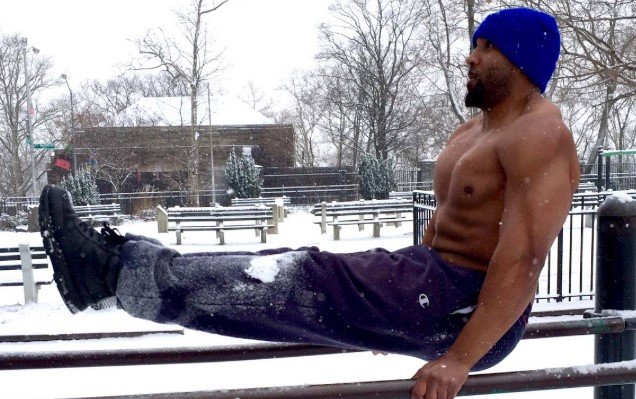
Here’s how you might combine these ideas for a simple weekly plan:
-
Monday: Bodyweight workout (30 minutes)
-
Tuesday: Brisk outdoor walk (30 minutes)
-
Wednesday: Yoga or stretching (25 minutes)
-
Thursday: Home circuit training (20 minutes)
-
Friday: Indoor dance session (30 minutes)
-
Saturday: Winter hike or mall walk (40 minutes)
-
Sunday: Rest or light chores
This plan covers strength, cardio, and flexibility through the week while staying realistic for winter energy levels.
Motivation for Cold Days
Starting a workout in winter can feel hard. Cold weather makes staying in bed or sitting by the heater more inviting. The secret is to start small. Do five minutes. Once you begin, your body warms up, and you’ll want to continue.
Prepare clothes the night before. Schedule workouts like appointments. Reward yourself afterward with something comforting, like hot tea or a warm bath.
Remember: fitness doesn’t need perfection. What matters is staying consistent. Even small actions each day build a stronger body and sharper mind.
Conclusion
Winter often tests motivation, but it can also become a season of growth. These 12 winter fitness ideas offer simple, flexible ways to move, stay warm, and feel alive. You can walk outside, exercise indoors, dance, stretch, hike, or just stay active through chores. Every bit of movement counts.
Keep your goals realistic, listen to your body, and stay safe on slippery surfaces. Celebrate each small victory every walk, every stretch, every effort. By spring, your body will thank you for staying active through the cold months.