Are Muscle Relaxers Addictive? What You Need to Know
Muscle relaxers provide quick relief from pain, spasms, and tension, making them a popular choice for those struggling with muscle-related issues. Their effectiveness often raises questions about safety and potential dependency.
People commonly wonder whether regular use can lead to addiction or long-term problems. Understanding how muscle relaxers work in the body helps separate myths from facts. These medications affect the central nervous system, promoting relaxation and easing discomfort.
While most doctors prescribe them for short-term use, some individuals may develop a psychological reliance, especially if pain persists or stress triggers frequent use. Recognizing the signs of dependency and knowing safe usage limits can protect overall health.
Awareness and informed decisions play a crucial role in balancing relief and risk. This guide explores the addictive potential of muscle relaxers, offering insights that clarify concerns without creating unnecessary fear.
Are Muscle Relaxers Addictive?
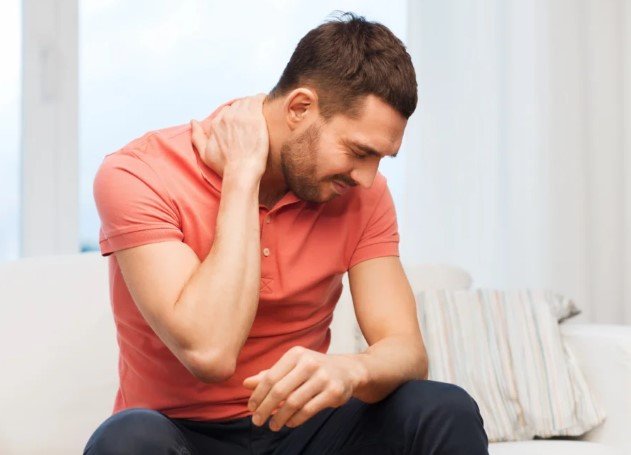
Muscle relaxers help ease muscle pain, stiffness, and spasms. Doctors often prescribe them for back pain, neck pain, injuries, or conditions like multiple sclerosis.
Many people worry about addiction. Understanding how these medicines work, their risks, and safe use is important.
How Muscle Relaxers Work?
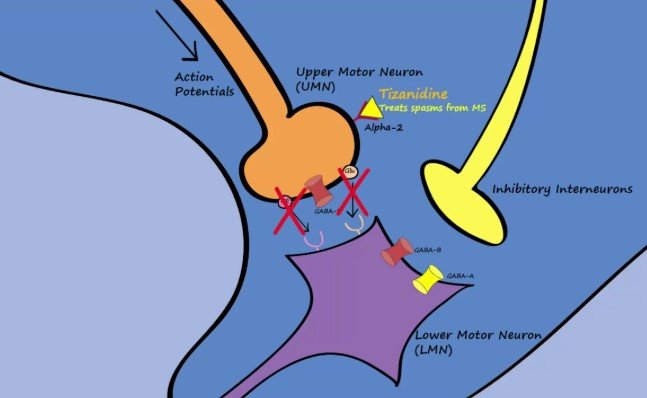
Muscle relaxers affect the central nervous system. They reduce nerve signals that make muscles contract. This relaxes the muscles and reduces pain. Different types work in slightly different ways:
Types of Muscle Relaxers
-
Cyclobenzaprine – Common for short-term back or neck pain. Works mainly on the brain to relax muscles.
-
Methocarbamol – Used for muscle injuries. Acts on the nervous system to reduce spasms.
-
Tizanidine – Helps reduce tightness in conditions like multiple sclerosis.
-
Carisoprodol – Stronger and has sedative effects. Can be more addictive than other relaxers.
Some muscle relaxers make people feel sleepy or calm. This effect can feel pleasant and may increase misuse risk.
Addiction Potential of Muscle Relaxers
Not all muscle relaxers are equally addictive. Addiction happens when the body or mind starts depending on the medicine. Signs include:
-
Needing the drug to feel normal or function.
-
Taking more than prescribed.
-
Craving the medicine even without pain.
-
Feeling bad or anxious when stopping.
Carisoprodol has a higher addiction risk. Doctors limit its use. Medicines like cyclobenzaprine or methocarbamol have lower addiction potential but still require care.
Side Effects and Risks
Even non-addictive muscle relaxers have side effects. Common side effects include:
-
Drowsiness and sleepiness
-
Dizziness or lightheadedness
-
Nausea or upset stomach
-
Headaches
-
Dry mouth
Long-term use can cause serious issues like liver problems, dependence, or memory problems. Combining these medicines with alcohol or opioids increases danger.
Dangerous Interactions
Muscle relaxers can interact with:
-
Alcohol – Increases drowsiness and risk of accidents.
-
Opioids or painkillers – Can slow breathing and be dangerous.
-
Other sedatives – May cause extreme sleepiness or confusion.
Safe Use of Muscle Relaxers
Using muscle relaxers safely lowers addiction risk and side effects. Follow these tips:
-
Take the exact dose prescribed by your doctor.
-
Avoid increasing the dose or using for longer than recommended.
-
Do not mix with alcohol or sedatives.
-
Use only for a short period, usually 2-3 weeks.
-
Discuss with your doctor if pain continues or worsens.
Tips for Reducing Dependence Risk
-
Keep a medicine diary to track doses.
-
Take medicine only when pain is significant.
-
Combine with physical therapy or gentle exercise.
-
Ask your doctor about alternatives if long-term treatment is needed.
Signs of Dependence
Dependence can occur even with short-term use in some people. Look for:
-
Needing more medicine for the same effect.
-
Anxiety or irritability without the medicine.
-
Trouble sleeping or unusual mood changes.
-
Muscle pain returning when stopping suddenly.
Doctors can create a tapering plan to reduce the medicine safely.
Long-Term Use and Alternatives
Long-term use of muscle relaxers is not recommended. For chronic conditions, doctors may suggest:
-
Stretching exercises
-
Heat or cold therapy
-
Non-addictive pain medications like acetaminophen or NSAIDs
These alternatives reduce reliance on muscle relaxers and prevent addiction.
Conclusion
Muscle relaxers can help manage pain and muscle spasms. Some, like carisoprodol, have a higher risk of addiction. Others, like cyclobenzaprine or methocarbamol, are safer but still require careful use.
Following doctor instructions, avoiding alcohol, and limiting use reduces risk. Awareness of side effects and dependence helps people stay safe while controlling pain.
FAQs
1. Can all muscle relaxers cause addiction?
No. Carisoprodol has a higher risk. Cyclobenzaprine and methocarbamol are less addictive but must be used carefully.
2. How long is it safe to take muscle relaxers?
Usually 2-3 weeks. Longer use increases side effects and risk of dependence.
3. What are withdrawal symptoms?
Symptoms include anxiety, irritability, trouble sleeping, and returning muscle pain.
4. Can I drink alcohol while taking muscle relaxers?
No. Alcohol increases drowsiness and the risk of dangerous effects.
5. What alternatives exist for long-term muscle pain?
Physical therapy, gentle exercise, heat or cold therapy, and non-addictive pain medicines can help.
6. How can I safely stop muscle relaxers?
Talk to your doctor. They may taper the dose slowly to reduce withdrawal symptoms.
7. Are muscle relaxers addictive for everyone?
No. Addiction risk varies. People with a history of substance use are more vulnerable.