
Can Running Increase Muscle Mass? Here’s What Science Says
Running often gets a reputation as a purely cardiovascular exercise, meant to burn calories and improve endurance. Many fitness enthusiasts assume it cannot contribute to muscle growth, but the reality is more nuanced.
Certain types of running, especially sprinting and hill workouts, create enough resistance and intensity to stimulate muscle fibers. These workouts engage the glutes, hamstrings, calves, and core in ways that challenge strength and power.
Muscle gains may not reach the levels seen with traditional weightlifting, yet consistent high-intensity running can lead to noticeable tone and definition. Genetics, nutrition, and overall training routine play a major role in determining how much muscle develops.
Understanding how different running styles impact the muscles allows runners to tailor their workouts for strength, endurance, or a mix of both. Exploring this topic reveals surprising ways cardio can complement muscle-building goals.
Can Running Increase Muscle Mass?
Many people run to lose weight or improve heart health. Few think about muscle growth. Running does not build big muscles like lifting weights.
Still, it strengthens, tones, and can slightly increase leg muscles. Knowing how running affects different muscles helps you plan workouts for both strength and size.
How Running Works Muscles?
Running mainly uses the lower body and core. Muscles in the upper body get some activity, but very little growth. The main leg muscles include:
-
Quadriceps: Front of thighs, used in pushing off the ground.
-
Hamstrings: Back of thighs, help lift and bend knees.
-
Glutes: Butt muscles, provide power during sprinting and hills.
-
Calves: Back of lower legs, help push off while running.
Steady-State Running
Running at a constant, moderate pace for long distances improves endurance. Muscles stay active for a long time. This type of running burns fat and improves stamina. Muscle growth is minimal. Legs become leaner and more toned rather than bigger.
Sprinting
Short, fast runs stress muscles more than long runs. Sprinting recruits fast-twitch muscle fibers, which are responsible for strength and size. Sprinting repeatedly can increase leg muscle mass slightly. Glutes, hamstrings, and calves respond the most.
Hill Running
Running uphill adds natural resistance. Muscles work harder against gravity. Steep hills force quads, glutes, and calves to contract more strongly. Hill training not only strengthens muscles but also improves explosive power.
Interval Training
Alternate between fast sprints and slow recovery runs. Intervals stress muscles differently, creating tiny tears in fibers. The body repairs these tears, making muscles stronger and slightly bigger. Interval training improves endurance and helps maintain lean muscle mass.
How Much Muscle Growth Can Running Give?
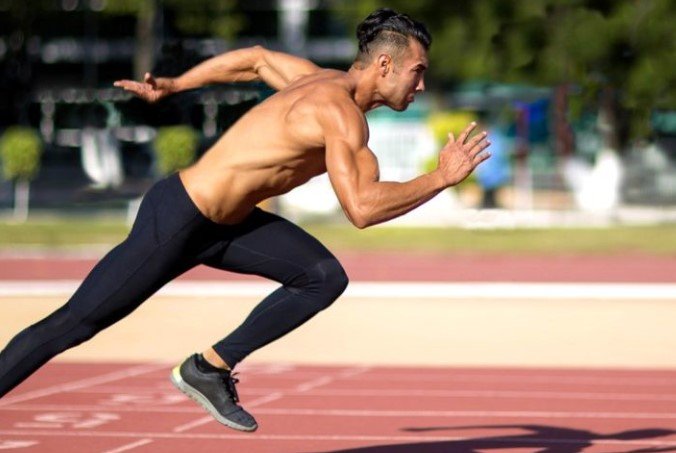
Muscle growth from running alone is limited. Running tones and strengthens muscles but does not make them very big.
-
Leg muscles: Slight growth, especially with sprinting and hill runs.
-
Glutes: Can look firmer and stronger with uphill running.
-
Calves: May increase slightly with sprinting or running on uneven terrain.
-
Upper body: Minimal growth. Core may strengthen, but arms and chest do not grow significantly.
Real size increase usually needs weight or resistance training. Running alone is better for lean muscle, tone, and endurance.
Tips to Maximize Muscle Growth While Running
Add Resistance
Use ankle weights or a weighted vest. Muscles work harder, especially calves and quads. Start light to avoid injury.
Combine With Strength Training
Do squats, lunges, deadlifts, or step-ups after running. Running warms muscles and improves blood flow, making strength training more effective.
Focus on Nutrition
Muscles need protein to grow. Eat eggs, chicken, fish, beans, or dairy. Include healthy carbs for energy. Hydrate well to recover faster.
Prioritize Recovery
Muscles grow during rest, not during running. Sleep 7–9 hours per night. Take at least one rest day per week. Stretch after runs to reduce soreness.
Extra Information: Muscle Fiber Types and Running
-
Slow-Twitch Fibers (Type I): Work during long, steady runs. Endurance-focused. Low growth potential.
-
Fast-Twitch Fibers (Type II): Work during sprints, hills, and explosive movements. Higher growth potential.
Training that targets fast-twitch fibers produces more noticeable muscle shape in legs.
Other Factors That Affect Muscle Growth
-
Running Surface: Trails and hills increase muscle work more than flat roads.
-
Speed and Intensity: Higher intensity creates more muscle stress.
-
Frequency: Running 3–5 times a week balances endurance and growth.
-
Age and Genetics: Younger people and those with more fast-twitch fibers see better growth.
Conclusion
Running improves muscle strength, endurance, and tone, especially in the legs. Sprinting, hills, and interval training give small growth in calves, quads, hamstrings, and glutes.
Big muscles require strength training and proper diet. Running alone keeps muscles lean and strong, not very large.
FAQs
1. Can running alone build large muscles?
No. Running tones muscles but does not create large size. Weightlifting or resistance training is needed for big muscles.
2. Which running style grows muscles fastest?
Sprints and hill runs stress muscles the most and encourage small growth.
3. Can running grow upper body muscles?
Very little. Core strengthens, but arms and chest see minimal change.
4. How often should I run for muscle growth?
3–5 times per week with high-intensity sessions like sprints or hills.
5. Does diet matter for muscle growth from running?
Yes. Eating enough protein and calories helps muscles repair and grow after exercise.