5 Best Books for New Yoga Teachers to Build Teaching Confidence
Starting a career as a yoga teacher can feel exciting and challenging at the same time. New instructors need more than knowledge of basic poses. They also need a good understanding of anatomy, alignment, sequencing, breathing, yoga philosophy, and ways to communicate clearly with students. The right books can provide useful lessons that support teacher training and regular practice.
This guide covers five books for new yoga teachers who want to build their knowledge and teaching confidence. Some books focus on anatomy and safe movement, while others explain class planning, yoga philosophy, teaching techniques, or the deeper purpose of the practice. Practical examples and clear explanations can make these topics easier to understand and apply in real classes.
The best book depends on your yoga style, training level, and teaching goals. These resources can help new instructors strengthen their foundation, prepare better classes, and develop a teaching approach that feels comfortable and natural.
5 Best Books For New Yoga Teachers
| Image | Title | Best For | Link |
|---|---|---|---|
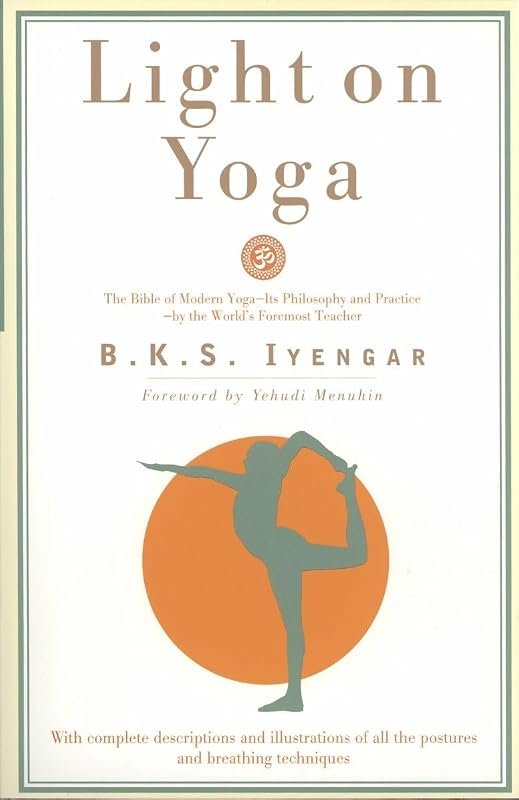 |
BKS Iyengar Light on Yoga | Essential philosophy and alignment bible. | View on Amazon |
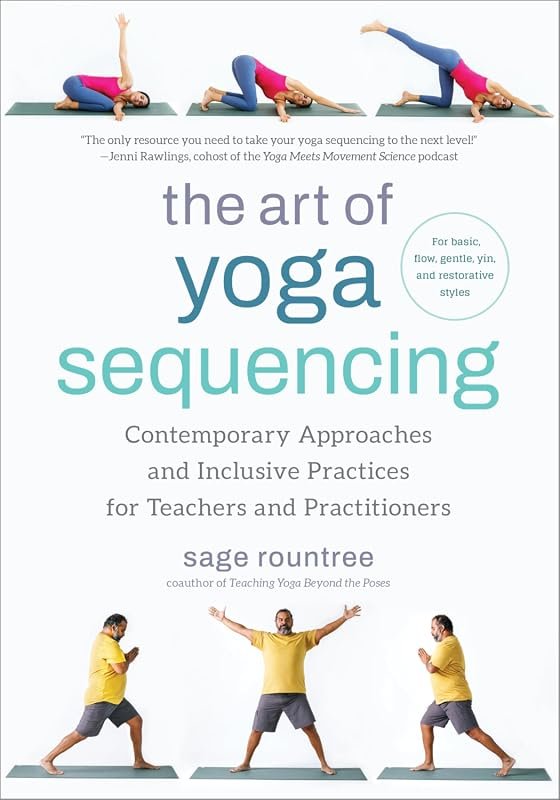 |
Mark Stephens Art of Yoga Sequencing | Creating intelligent, safe class flows. | View on Amazon |
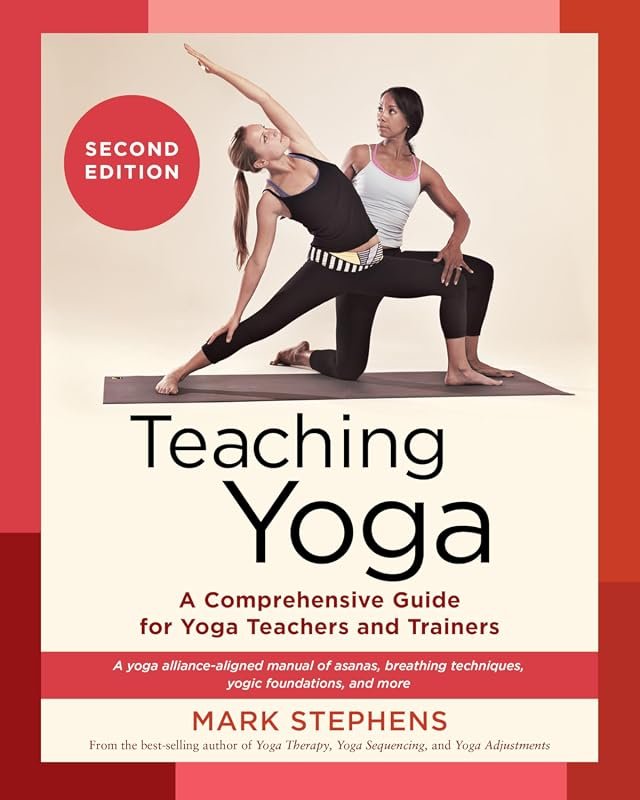 |
Mark Stephens Teaching Yoga | Professional guide for instructors. | View on Amazon |
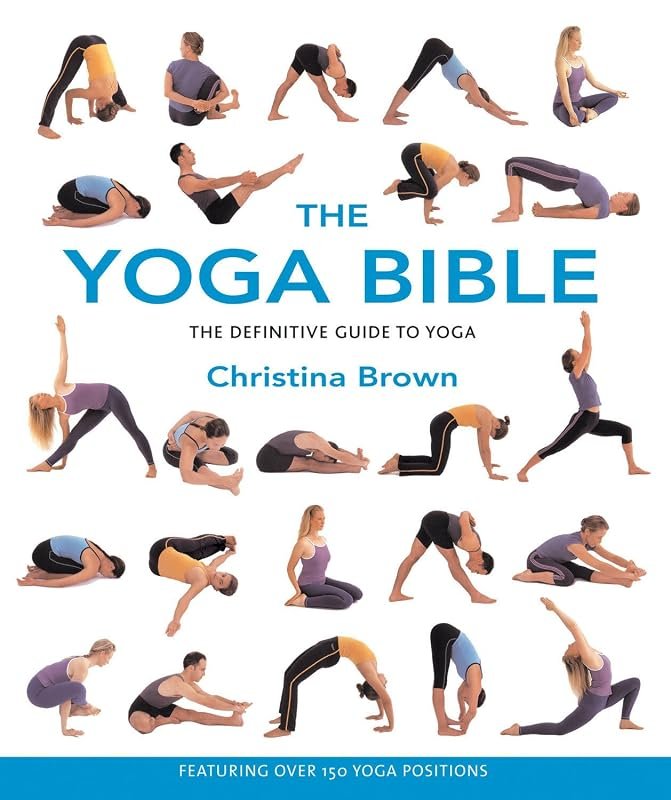 |
Christina Brown The Yoga Bible | Quick reference for poses. | View on Amazon |
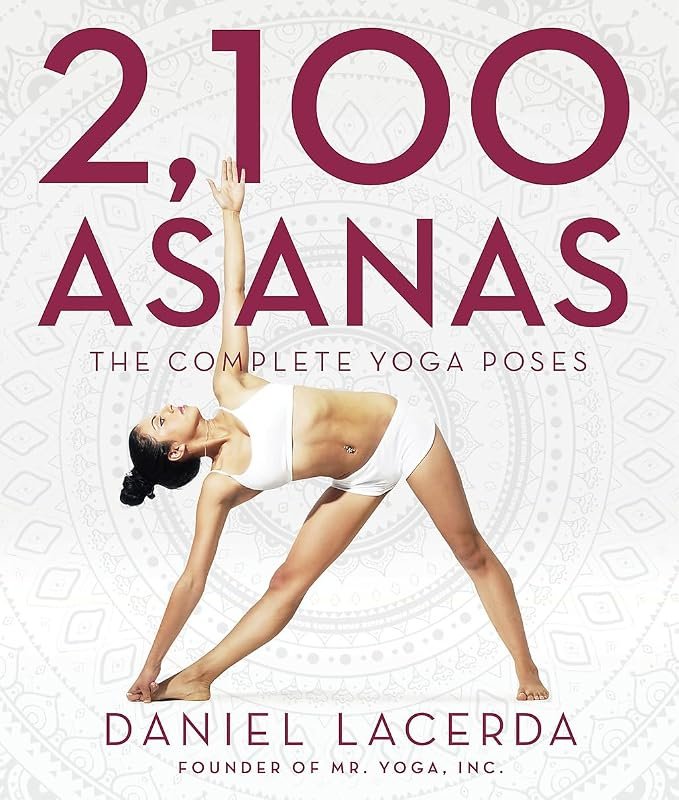 |
Daniel Lacerda 2,100 Asanas | Visual inspiration for advanced sequences. | View on Amazon |
Our Top 5 Best Books For New Yoga Teachers Reviews – Expert Tested & Recommended
1. BKS Iyengar Light on Yoga
Often considered the definitive text in the yoga world, this book is a must-have for any serious teacher. BKS Iyengar provides an unparalleled look into the alignment and philosophy that forms the backbone of modern practice.
Key Features That Stand Out
- ✓ Detailed photographic guides for hundreds of poses.
- ✓ In-depth explanations of pranayama and yoga philosophy.
- ✓ A foundational text for understanding precise physical alignment.
Why We Recommend It
This book is essential because it grounds your teaching in tradition while offering technical clarity. It is the perfect resource to keep on your shelf when you need to research a specific posture’s history or nuances.
Best For
Teachers who want to deepen their understanding of traditional Hatha yoga and precise alignment.
Pros and Cons at a Glance
2. Mark Stephens Art of Yoga Sequencing
Sequencing is arguably the hardest part of being a new teacher. This book provides a masterclass in how to build flows that feel intuitive, safe, and balanced for students of all abilities.
Key Features That Stand Out
- ✓ Clear frameworks for building a well-rounded class.
- ✓ Examples for different styles and intensity levels.
- ✓ Practical tips for creative and safe transitions.
Why We Recommend It
Mark Stephens writes in a way that feels accessible and professional. If you often feel stuck wondering what pose comes next in your class plan, this guide will change your entire approach.
Best For
New instructors looking to improve their flow and class structure.
Pros and Cons at a Glance
3. Mark Stephens Teaching Yoga
Think of this as your professional handbook. It covers everything from setting the room environment to ethical considerations in the teacher-student relationship, making it a great resource for the business of yoga.
Key Features That Stand Out
- ✓ Covers professional ethics and classroom management.
- ✓ Includes advice on creating a supportive atmosphere.
- ✓ Extensive anatomical focus for preventing injury.
Why We Recommend It
It acts as a secondary training manual. It is incredibly practical for teachers who want to ensure their professional behavior matches their technical instruction.
Best For
Certified instructors seeking a comprehensive professional reference.
Pros and Cons at a Glance
4. Christina Brown The Yoga Bible
If you want a portable, easy-to-use guide, this is the one. It features hundreds of poses with clear descriptions, making it a great quick-reference book to keep in your yoga bag.
Key Features That Stand Out
- ✓ Highly visual and easy to scan.
- ✓ Covers a wide array of poses from basic to advanced.
- ✓ Concise instructions for each posture.
Why We Recommend It
Its layout is perfect for when you are on the go. Whether you are prepping a class or just want to brush up on a specific modification, the format is clean and helpful.
Best For
New teachers who want a handy, visual reference guide.
Pros and Cons at a Glance
5. Daniel Lacerda 2,100 Asanas
If you want to expand your repertoire of poses, this book is an exhaustive visual encyclopedia. It is incredibly helpful for finding new variations and keeping your classes fresh.
Key Features That Stand Out
- ✓ Massive collection of diverse yoga postures.
- ✓ Beautiful photography for every pose.
- ✓ Excellent for finding new ways to challenge students.
Why We Recommend It
Variety is key to keeping students engaged. This book gives you an endless supply of inspiration, ensuring you never run out of ideas for your class plans.
Best For
Teachers who want to add variety and advanced options to their classes.
Pros and Cons at a Glance
Complete Buying Guide for Best Books For New Yoga Teachers
Essential Factors We Consider
When choosing the best yoga books, we look at the balance between technical accuracy, philosophical depth, and teaching practicality. A great book should not just show you how to do a pose; it should teach you how to guide others through it safely and with confidence.
Budget Planning
Yoga books can range from inexpensive pocket guides to larger, premium hardcovers. We recommend starting with a core set of 2-3 books that cover different needs such as one for sequencing and one for anatomy rather than buying everything at once.
Final Thoughts
Invest in books that align with the style of yoga you intend to teach. The best books for new yoga teachers are the ones that you actually read and reference daily to better serve your students.
Frequently Asked Questions
Q: Do I need all of these books?
A: Not at all! Start with one that addresses your current biggest challenge, such as sequencing or anatomy, and build your library over time.
Q: Which book is best for beginners to learn poses?
A: Christina Brown’s “The Yoga Bible” is an excellent, user-friendly choice for beginners to learn the basics.
Q: Are these books helpful for online yoga teachers?
A: Yes, these books provide essential knowledge that translates well into online teaching, helping you articulate instructions clearly.