15 Best Clothes to Wear to Gym [Boost Comfort & Confidence]
The gym demands clothes that move, breathe, and support every rep. Right gym wear keeps sweat under control and helps the body stay cool during tough workouts. Smart fabric choices reduce friction and protect skin from irritation.
Proper fits improve range of motion and support muscles under pressure. Style also plays a role because confidence fuels motivation and focus. A solid gym outfit balances performance, comfort, and durability without distraction. Breathable tops, flexible bottoms, and supportive layers work together to enhance every session.
Quality materials handle stretching, lifting, and cardio without losing shape. Functional details like pockets, waistbands, and seams make workouts smoother. Seasonal changes also affect fabric weight and coverage needs.
This guide highlights the best gym clothes that match different training styles and body needs. Strength training, cardio, and recovery sessions all benefit from the right outfit. Better clothing choices turn regular workouts into consistent habits and stronger results.
15 Best Clothes to Wear to Gym
Gym clothes affect comfort, safety, and performance. The right outfit helps the body move freely. Good fabric controls sweat and heat. Proper fit prevents skin problems and distractions.
Many people feel tired faster due to poor clothing choices. Simple and smart gym wear solves this issue. This guide explains each clothing type in detail. Clear reasons matter. Comfort always comes first.
1. Moisture-Wicking T-Shirt
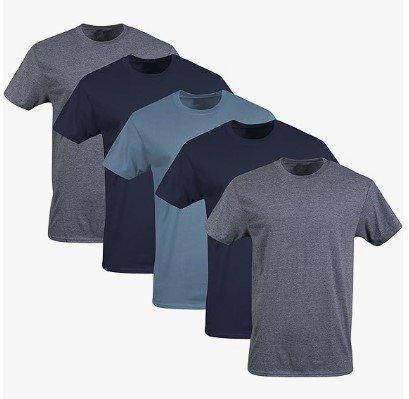
Moisture-wicking T-shirts pull sweat away from skin. Dry skin reduces rash and itching. Polyester blends dry up to 50 percent faster than cotton. Lightweight fabric lowers body heat during cardio.
Smooth texture prevents friction on shoulders. Many gyms feel warm, so airflow matters. Regular gym users prefer these shirts for daily training.
Best for: Cardio, weight training, circuit workouts
Fit tip: Slightly fitted, not tight
2. Athletic Tank Top
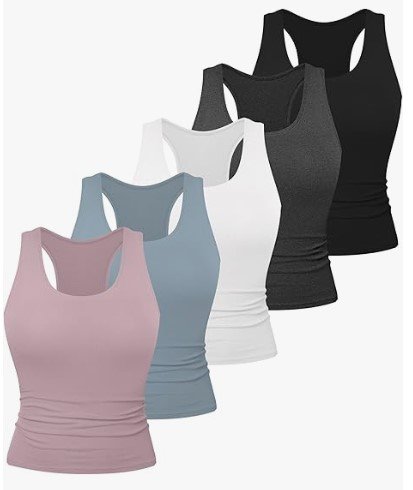
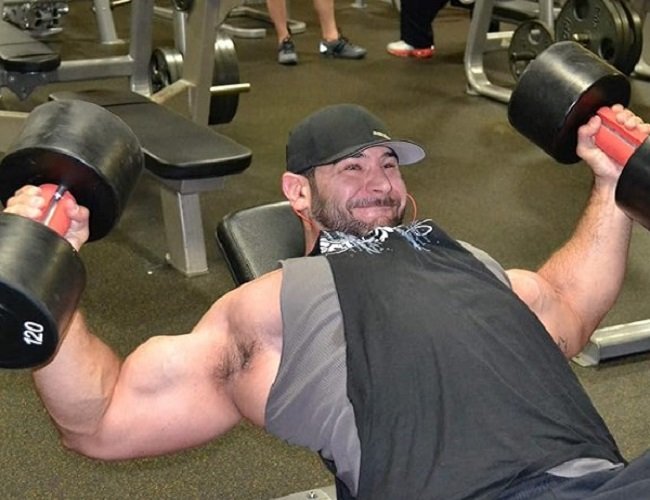
Tank tops increase air flow around arms and chest. Less fabric means less sweat buildup. Wide arm cuts reduce rubbing during lifts. Shoulder movement feels free during presses and rows. Tanks help people stay cool during high-intensity sessions. Many lifters choose tanks for upper body days.
Best for: Upper body workouts, hot gyms
Fit tip: Arm holes should not dig into skin
3. Compression Shirt
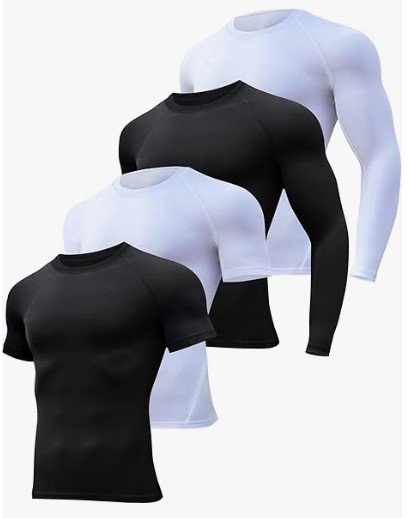
Compression shirts apply gentle pressure on muscles. This support improves blood flow during exercise. Stable muscles feel less tired during long sessions. Tight fabric reduces muscle vibration. Sweat spreads across fabric and dries faster. Flat seams prevent skin irritation.
Best for: Long workouts, strength training
Fit tip: Snug fit without breathing pressure
4. Gym Shorts with Stretch
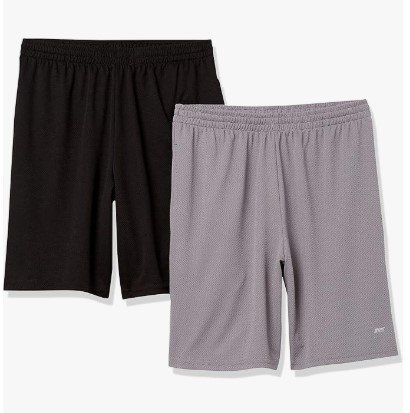
Stretch fabric supports deep movements. Squats and lunges feel easier. Elastic waist adapts to body shape changes. Shorts with spandex stretch up to 4 times their size. Inner lining adds comfort and support. Breathable panels reduce heat buildup.
Best for: Leg day, mixed workouts
Fit tip: Mid-thigh length offers balance
5. Sweat-Absorbing Leggings
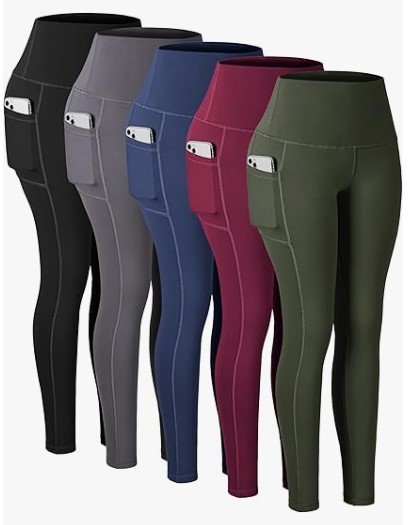
Leggings offer full muscle coverage. High-waist designs support the core area. Thick fabric prevents transparency during bends. Four-way stretch allows full motion. Smooth texture reduces friction between legs. Many trainers recommend leggings for safety and comfort.
Best for: Yoga, strength, functional training
Fit tip: Waistband should stay in place
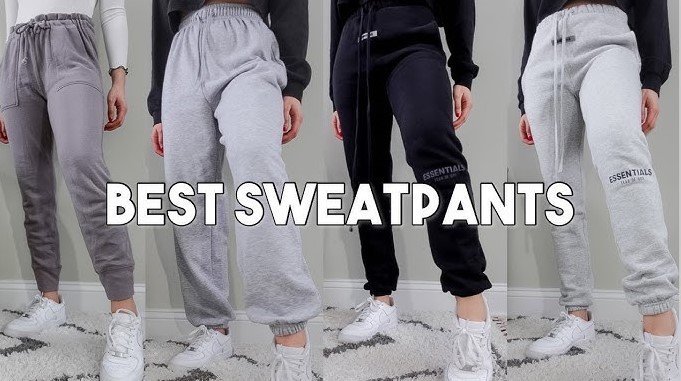
6. Jogger Pants
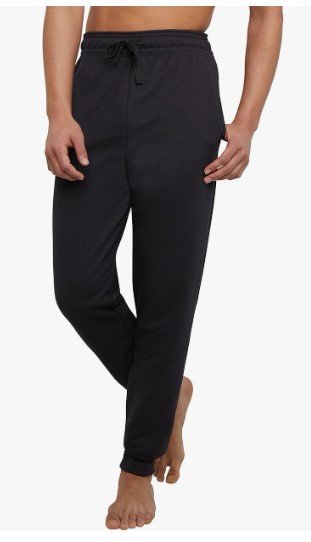
Joggers combine comfort and flexibility. Tapered legs stay clear of machines. Cotton-poly blends feel soft and breathable. Elastic cuffs prevent fabric dragging. Joggers keep muscles warm in cool gyms. Warm muscles reduce injury risk.
Best for: Warm-ups, strength days
Fit tip: Relaxed fit with tapered ankles
7. Sports Bra with Support
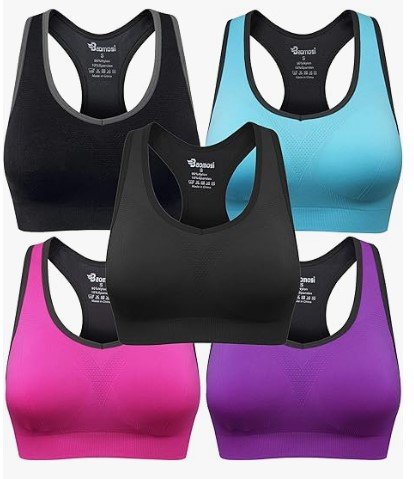
Sports bras reduce chest movement. Less movement prevents pain and strain. Medium support suits gym training. Wide straps distribute pressure evenly. Breathable cups reduce sweat buildup. Poor support often causes discomfort during exercise.
Best for: All workouts
Fit tip: Firm hold without tight squeeze
8. Lightweight Hoodie
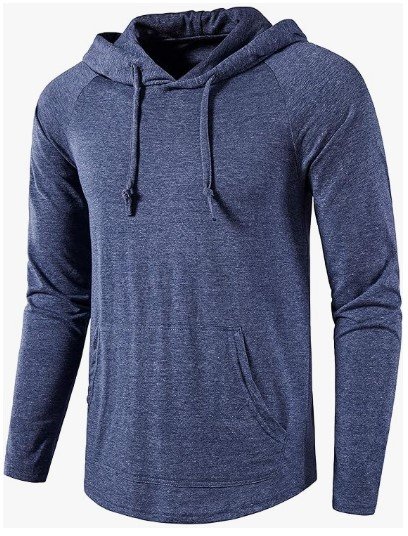
Hoodies support warm-up routines. Warm muscles perform better and stretch safely. Thin fabric prevents overheating. Zip designs allow quick removal. Hoodies protect joints in cold rooms. Many athletes use hoodies before heavy lifts.
Best for: Warm-ups, cooldowns
Fit tip: Light and flexible fabric
9. Breathable Socks
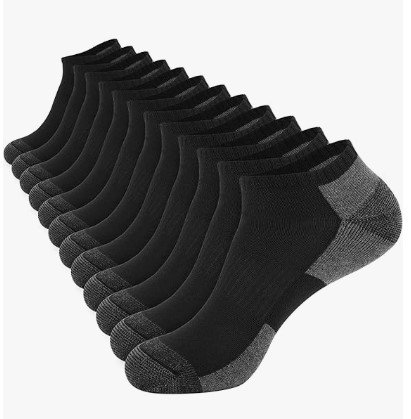
Feet sweat more than most body parts. Breathable socks keep feet dry. Cushioned soles absorb impact. Mesh zones improve airflow. Dry feet reduce odor and blisters. Quality socks last longer than regular cotton ones.
Best for: All workouts
Fit tip: Snug fit without tight bands
10. Training Shoes
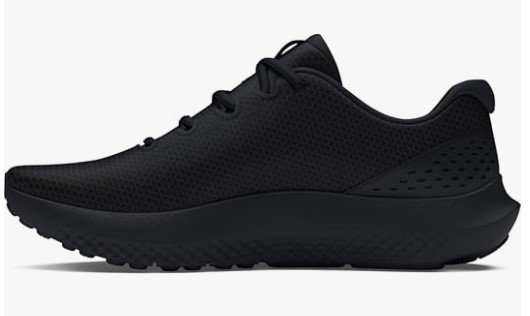
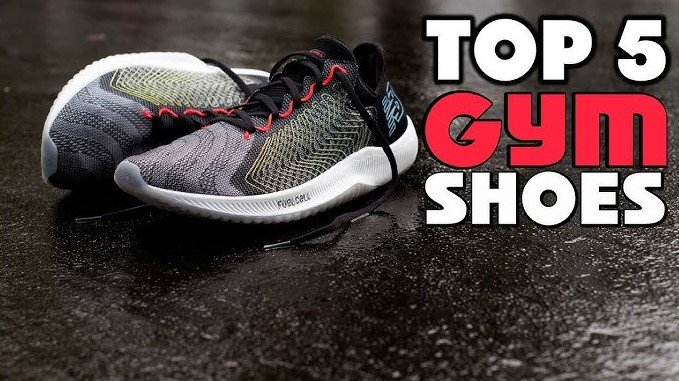
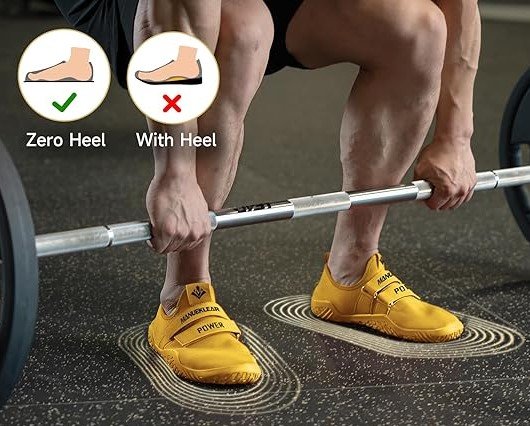
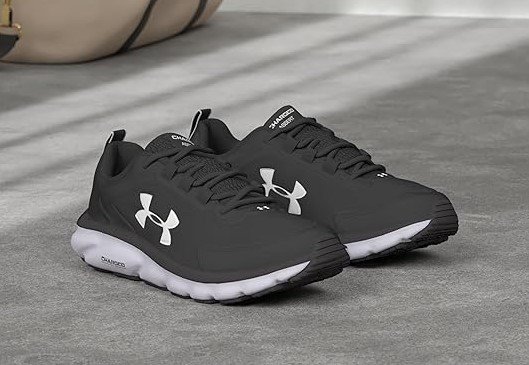
Training shoes support multi-direction movement. Flat soles improve balance during lifts. Cushioned heels reduce joint stress. Firm grip prevents slipping. Proper shoes reduce injury risk by up to 30 percent. Regular sneakers lack stability.
Best for: Gym training, lifting
Fit tip: Thumb-width space at toe
11. Headband or Sweat Cap
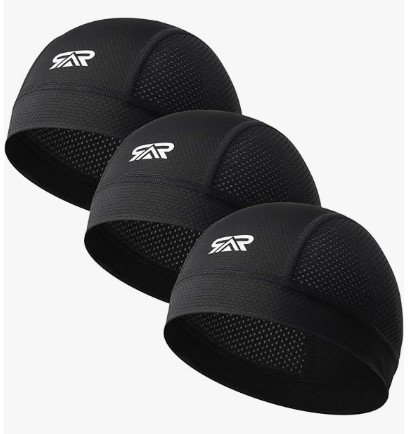
Sweat dripping into eyes causes distraction. Headbands absorb forehead sweat. Soft elastic prevents headaches. Caps protect hair and eyes. Clean headwear prevents skin issues. Many people prefer washable fabric styles.
Best for: Cardio sessions
Fit tip: Lightweight and stretchable
12. Gym Gloves
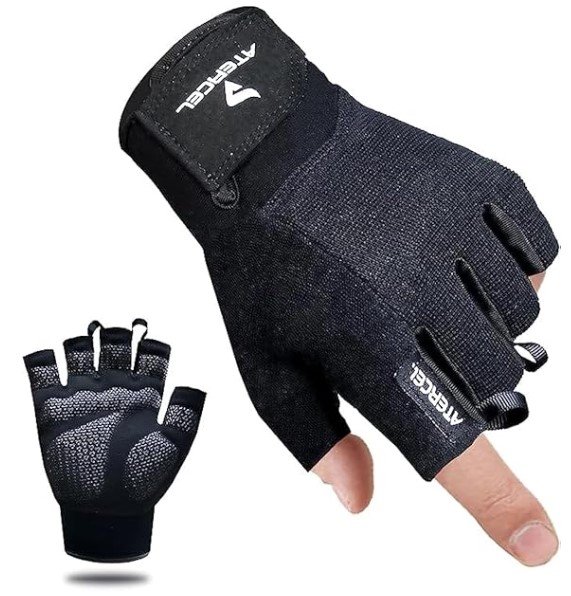
Gloves protect hands from friction. Better grip improves control during lifts. Padding reduces calluses. Breathable mesh prevents sweaty palms. Wrist straps offer added support. Many beginners benefit from gloves.
Best for: Weight training
Fit tip: Firm grip without stiffness
13. Breathable Underwear
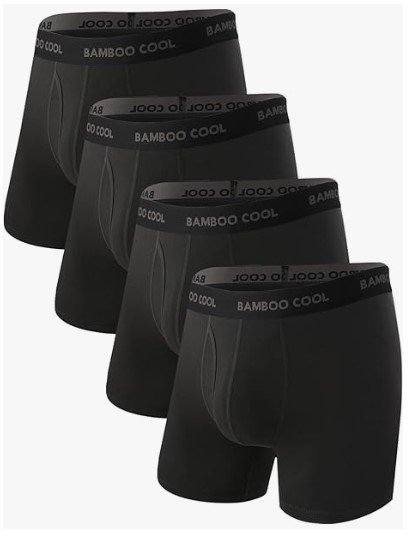
Underwear impacts comfort directly. Seamless styles reduce friction. Moisture-wicking fabric keeps skin dry. Tight elastic prevents slipping. Poor underwear causes irritation and sweat rash. Clean underwear matters for hygiene.
Best for: Daily workouts
Fit tip: Snug and breathable
14. Zip-Up Track Jacket
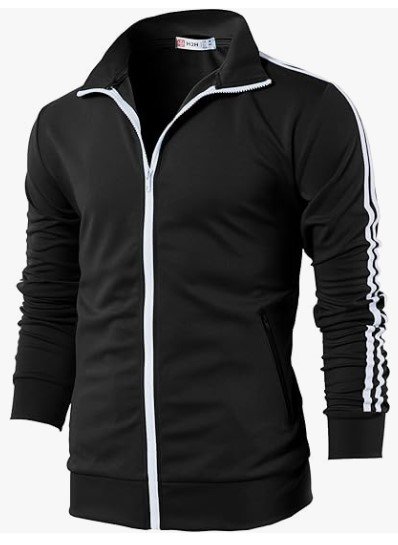
Track jackets help regulate body temperature. Light insulation keeps muscles warm. Zippers allow airflow control. Slim fit avoids bulk during movement. Jackets help during travel to and from gym.
Best for: Cool weather workouts
Fit tip: Lightweight with stretch
15. Loose Fit Training Shorts
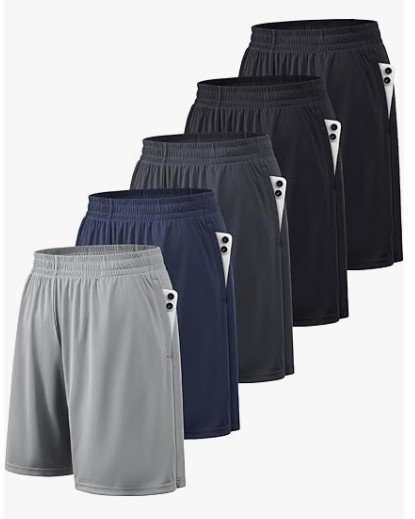
Loose shorts allow maximum airflow. Lightweight fabric reduces heat. Longer cuts offer comfort. Elastic waist fits various body types. These shorts work well for high-sweat sessions.
Best for: Cardio, cycling
Fit tip: Loose but not baggy
Extra Information
Fabric Comparison
Polyester dries faster than cotton.
Cotton absorbs sweat and stays wet.
Spandex adds stretch and shape.
Mesh panels improve airflow.
Fit and Safety
Tight clothes support muscles.
Loose clothes allow airflow.
Balanced fit reduces injury risk.
Comfort improves focus.
Washing and Care
Cold water protects fabric.
Air drying extends life.
Regular washing prevents odor.
Fabric softener reduces moisture control.
FAQs
What clothes work best for beginners?
T-shirts, gym shorts, and training shoes work well. Comfort matters most.
Do gym clothes affect performance?
Yes. Breathable clothes reduce heat stress and fatigue.
How often should gym clothes get washed?
Wash after each workout. Sweat bacteria grow fast.
Are expensive gym clothes better?
Price does not always mean quality. Fabric and fit matter more.
Can casual clothes replace gym clothes?
Short workouts allow casual wear. Long sessions need proper gym wear.
Conclusion
Good gym clothes support movement and comfort. Breathable fabric controls sweat. Proper fit improves safety and focus.
Simple choices reduce distraction during workouts. Clean and well-fitted clothes improve gym experience. Smart clothing helps people train better and feel confident.