6 Best Non Rubber Yoga Mats [Comfort, Grip, and Alternative Materials]
Non-rubber yoga mats are useful for practitioners who prefer alternatives to natural or synthetic rubber because of material sensitivities, odor concerns, or personal preferences. Available options include PVC, thermoplastic elastomer (TPE), cork, and woven cotton. Each material offers different levels of cushioning, traction, durability, and ease of maintenance for various yoga styles.
PVC mats often provide a stable surface and reliable cushioning, while TPE designs can offer lightweight portability. Cork surfaces may improve grip when slightly damp and are valued for their natural texture. Cotton yoga rugs suit traditional practices and can absorb perspiration, although they may require additional support underneath. Material quality and surface texture influence overall performance.
Check the product’s material composition carefully, since some mats marketed as eco-friendly may still contain rubber. Consider thickness, grip, weight, and cleaning requirements based on your routine. Test stability on a flat floor and use a compatible yoga towel if additional traction is needed during sweaty sessions. Regular cleaning helps maintain hygiene and surface performance.
6 Best Non Rubber Yoga Mats
| Image | Title | Best For | Link |
|---|---|---|---|
 |
Gaiam Dry-Grip Yoga Mat | Best for hot yoga sessions requiring moisture-wicking technology. | View on Amazon |
 |
KEEP Extra Thick NBR Yoga Mat | Best for extra cushioning and joint support. | View on Amazon |
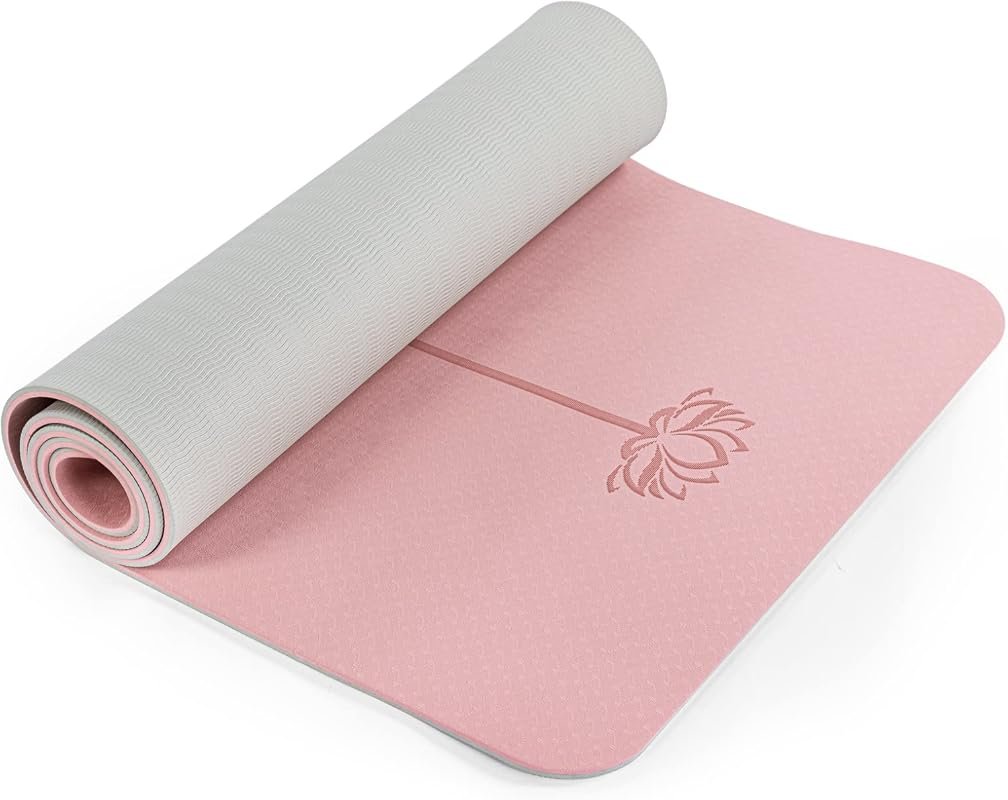 |
Eco-Friendly Non-Slip Yoga Mat | Best budget-friendly option for home workouts. | View on Amazon |
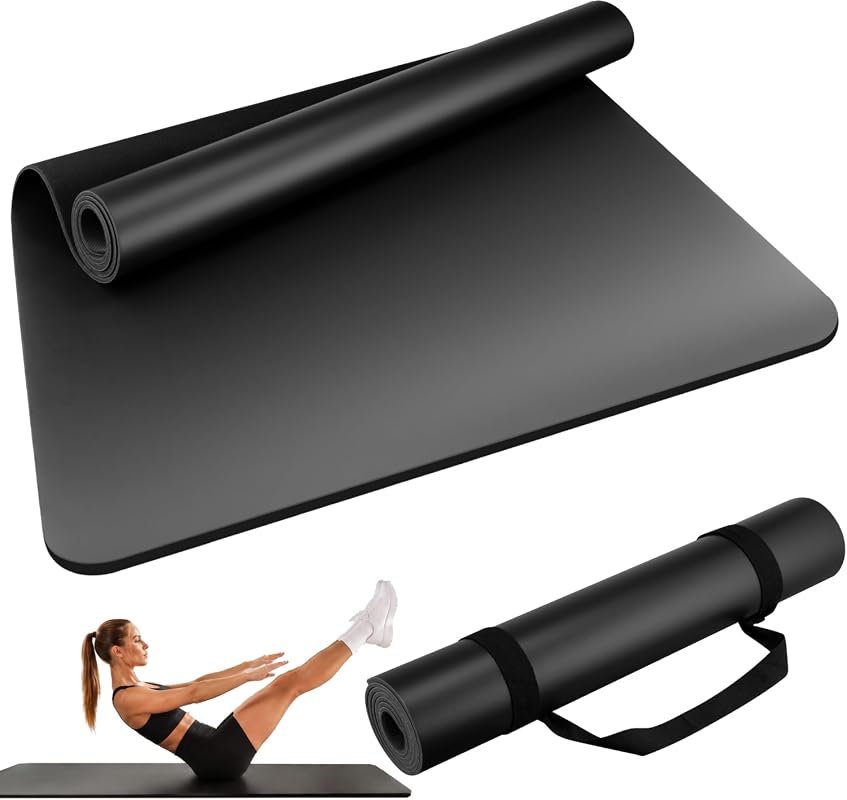 |
Professional PU Natural Rubber Yoga Mat | Best for high-intensity hot yoga and pilates. | View on Amazon |
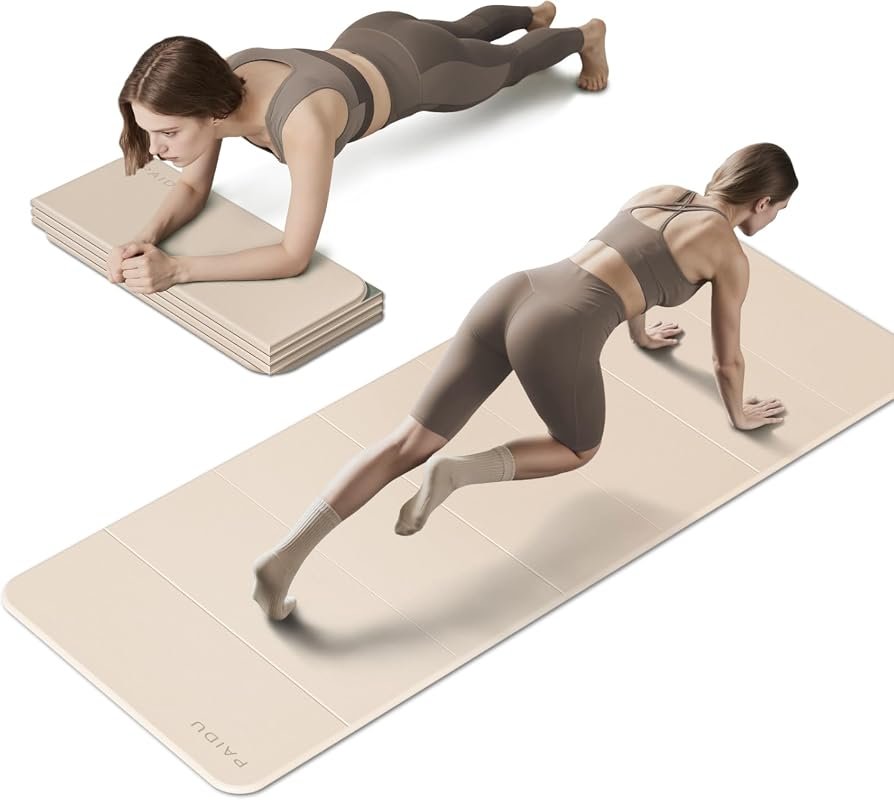 |
PAIDU Foldable TPE Yoga Mat | Best for travel and convenient storage. | View on Amazon |
 |
Gruper TPE Alignment Yoga Mat | Best for beginners needing alignment guidance. | View on Amazon |
Our Top 6 Best Non Rubber Yoga Mats Reviews – Expert Tested & Recommended
1. Gaiam Dry-Grip Yoga Mat
The Gaiam Dry-Grip mat is a fantastic choice for anyone who struggles with sweat during their practice. Its specialized moisture-wicking topcoat ensures you stay stable even when things get intense.
Key Features That Stand Out
- ✓ Professional grade moisture-wicking technology
- ✓ Excellent cushioning for sensitive joints
- ✓ Lightweight construction for easy transport
- ✓ High-quality, durable finish for daily use
Why We Recommend It
We love this mat because it truly delivers on its promise of staying grippy in humid conditions. The cushioning feels substantial enough to protect your knees and wrists during floor work without being overly bulky.
Best For
This mat is best for hot yoga enthusiasts who need a reliable, non-slip surface.
Pros and Cons at a Glance
2. KEEP Extra Thick NBR Yoga Mat
If comfort is your top priority, this extra-thick mat is hard to beat. At 10mm, it provides a plush landing for your joints during even the most challenging floor poses.
Key Features That Stand Out
- ✓ Generous 10mm thickness for maximum cushioning
- ✓ Oversized dimensions for extra space
- ✓ Dual-sided anti-slip texture
- ✓ Soft, shock-absorbing NBR material
Why We Recommend It
We recommend this for anyone who needs that little extra support for sensitive knees. The size is also a huge plus, giving you plenty of room to stretch out without feeling restricted.
Best For
This is the perfect mat for restorative yoga, Pilates, and stretching routines.
Pros and Cons at a Glance
3. Eco-Friendly Non-Slip Yoga Mat
If you are looking for an affordable, eco-conscious option, this TPE mat is a winner. It is free from harsh smells and provides a reliable surface for your home practice.
Key Features That Stand Out
- ✓ Eco-friendly TPE material
- ✓ Double-sided non-slip surface
- ✓ Includes a convenient carrying sling
- ✓ Lightweight and easy to unroll
Why We Recommend It
We recommend this mat for students who want a quality practice surface without breaking the bank. It is lightweight, durable, and handles everyday workouts with ease.
Best For
This is ideal for beginners and home fitness enthusiasts looking for a budget-friendly, reliable mat.
Pros and Cons at a Glance
4. Professional PU Natural Rubber Yoga Mat
This professional-grade mat offers incredible grip. The PU top layer is designed specifically to handle sweat, making it a favorite for hot yoga practitioners who need stability.
Key Features That Stand Out
- ✓ High-traction PU surface
- ✓ Tri-layer tech for extra joint safety
- ✓ High density for better stability
- ✓ Professional studio quality
Why We Recommend It
If you take your practice seriously, this mat provides the feedback and grip required for advanced poses. It feels solid, stable, and designed to last through thousands of vinyasas.
Best For
This is the go-to mat for advanced students and high-intensity hot yoga sessions.
Pros and Cons at a Glance
5. PAIDU Foldable TPE Yoga Mat
Travelers, rejoice! This foldable mat is a game-changer. It folds up into a compact size in seconds, making it incredibly easy to pack into a suitcase or gym bag.
Key Features That Stand Out
- ✓ Innovative 3-second folding design
- ✓ 10mm thick for excellent comfort
- ✓ SGS certified for safety
- ✓ Perfect for travel and home use
Why We Recommend It
We love the convenience of this mat. You don’t have to deal with annoying rolls that won’t stay put—this folds neatly, saving you both time and space in your luggage.
Best For
This is the ultimate mat for frequent travelers who don’t want to sacrifice quality for portability.
Pros and Cons at a Glance
6. Gruper TPE Alignment Yoga Mat
This mat is brilliant for anyone trying to perfect their alignment. The built-in guide helps you position your hands and feet precisely, which is a massive help for beginners.
Key Features That Stand Out
- ✓ Helpful body alignment marks
- ✓ Eco-friendly TPE material
- ✓ Extra wide design
- ✓ Slip-resistant texture
Why We Recommend It
We love the thoughtful design. Having visual markers on the mat takes the guesswork out of your pose positioning, helping you build confidence and improve your form safely.
Best For
This is best for beginners and anyone looking to refine their posture and alignment.
Pros and Cons at a Glance
Complete Buying Guide for Best Non Rubber Yoga Mats
Essential Factors We Consider
When picking out a mat, consider the material, grip, and thickness. TPE is a popular choice for non-rubber mats because it is eco-friendly and lightweight. Always look for a texture that provides sufficient traction to keep you safe during your sessions.
Budget Planning
You can find great mats at almost any price point. Budget-friendly options are often made of TPE or NBR and offer solid performance for daily home use, while premium mats often include advanced materials like PU for enhanced grip in professional studio environments.
Final Thoughts
Choosing the best mat is a personal journey. Think about your most common practice type—do you prefer hot yoga or restorative stretching? Once you identify your primary needs, you can easily find a mat on this list that suits your style and helps you grow in your practice.
Frequently Asked Questions
Q: Are non-rubber yoga mats as good as natural rubber ones?
A: Yes! Modern non-rubber materials like TPE and high-density foam offer excellent grip, comfort, and durability that can compete with, and sometimes surpass, natural rubber options, especially for those with specific material sensitivities.
Q: How do I clean my new non-rubber yoga mat?
A: Most TPE or PU mats can be wiped down with a soft cloth and a gentle mixture of water and mild soap. Avoid harsh chemicals or soaking the mat completely to maintain its integrity.
Q: Is a thicker mat always better for yoga?
A: Not necessarily. While extra thickness offers more cushioning for joints, a thinner, denser mat can actually provide better stability and balance for challenging standing poses. It depends on your personal preference and the style of yoga you practice.