
6 Best Pull Up Grips For Chest [Grip Your Way to a Bigger Chest]
A strong chest does not always require endless bench presses and machine workouts. Pull-ups can play a major role in chest development when the right grip position enters the mix. Small changes in hand placement shift muscle engagement and help target areas that standard pull-ups often miss. A proper grip can increase chest activation, improve upper-body strength, and add variety to a training routine.
Many fitness enthusiasts overlook the impact of grip styles, even though they can make a noticeable difference in workout performance. Wider grips, neutral grips, and angled handles each bring unique benefits that support muscle growth and comfort. Better grip options also reduce wrist strain and help maintain proper form during every repetition.
This guide highlights the 5 best pull-up grips for chest development. Each option offers distinct advantages that can help maximize results and make every pull-up session more effective, challenging, and rewarding.
6 Best Pull Up Grips For Chest
| Image | Title | Best For | Link |
|---|---|---|---|
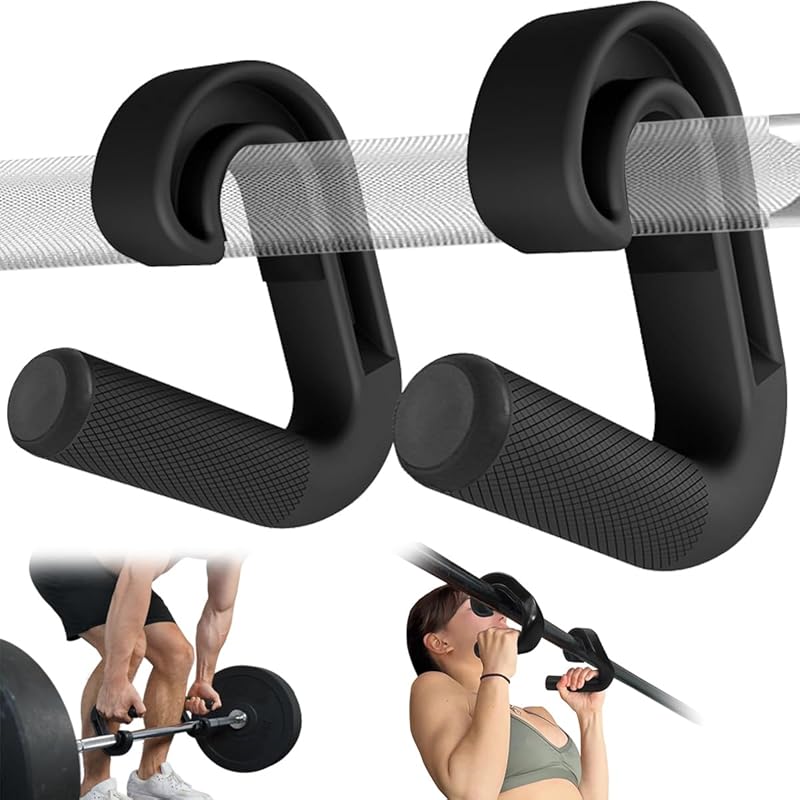 |
Neutral Grip Pull Up Handles | Stress-free deadlifts and ergonomic pull-ups. | View on Amazon |
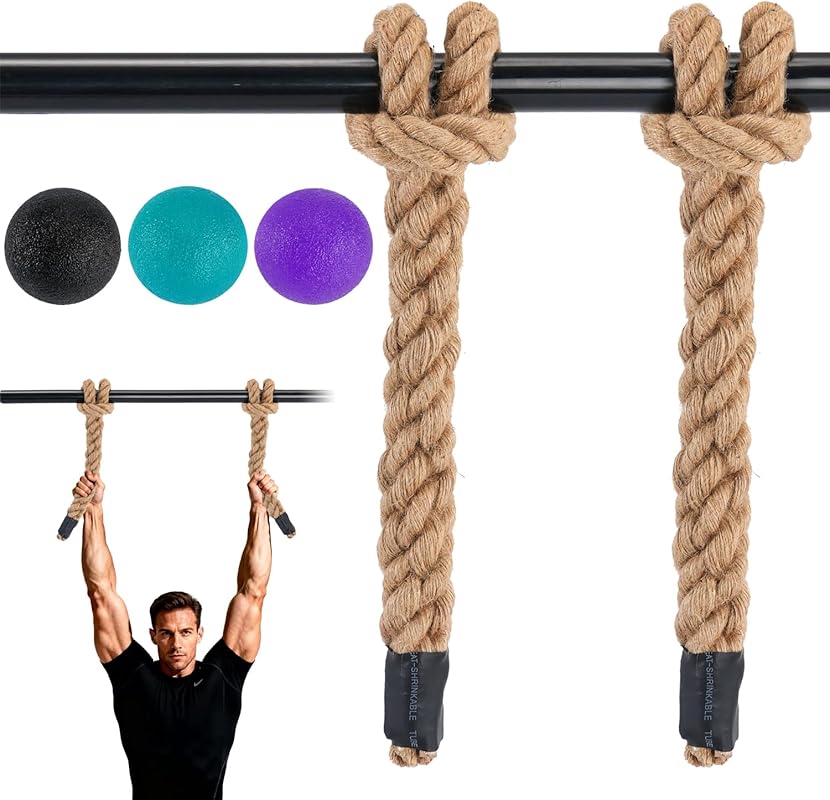 |
Rope Grips for Pull Ups | Grip strength and forearm endurance. | View on Amazon |
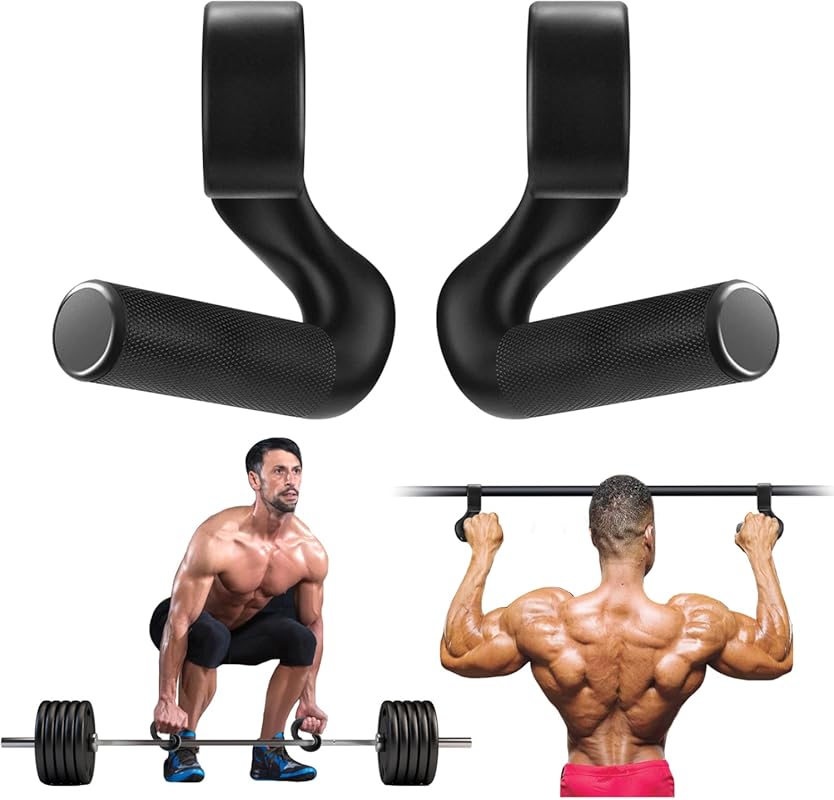 |
Neutral Grip Pull Up Handles | Budget-friendly heavy-duty training. | View on Amazon |
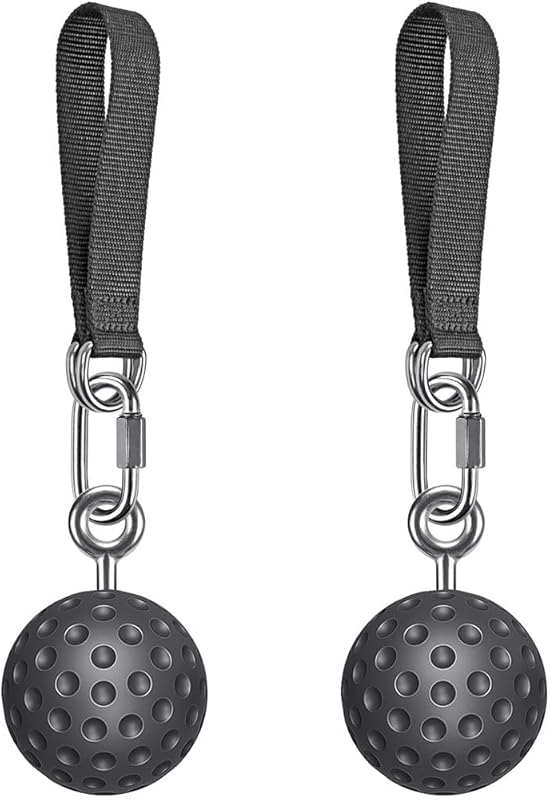 |
SELEWARE Pull Up Power Balls | Rock climbing and functional fitness. | View on Amazon |
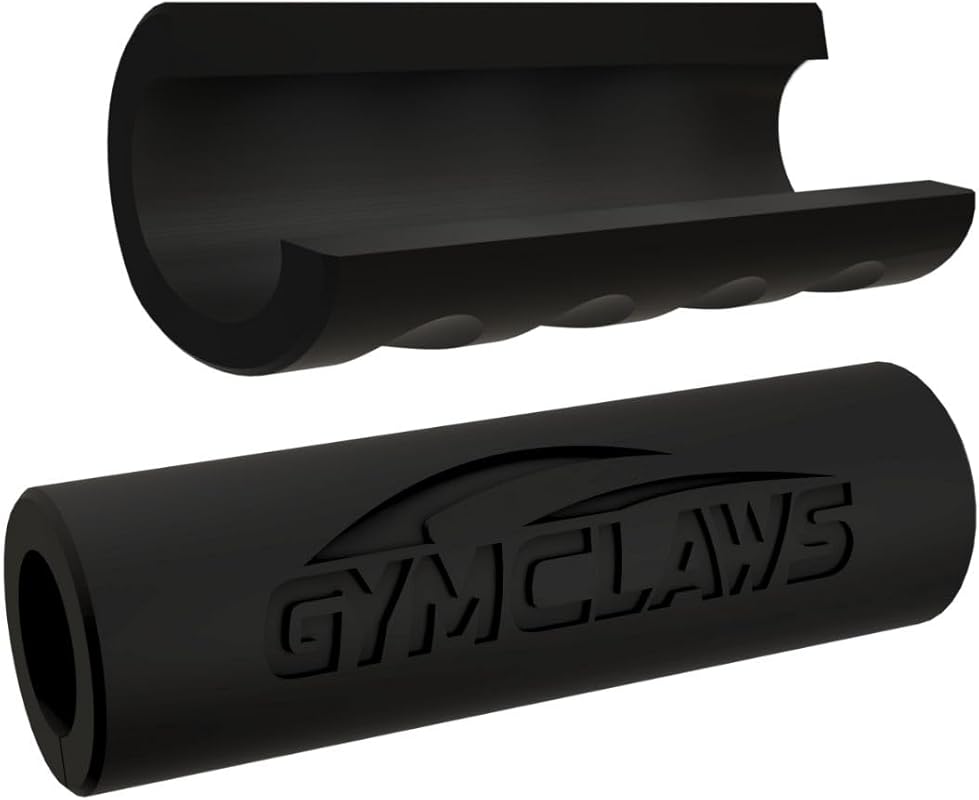 |
Gym Gripper Foam Hand Pads | Comfort and blister prevention. | View on Amazon |
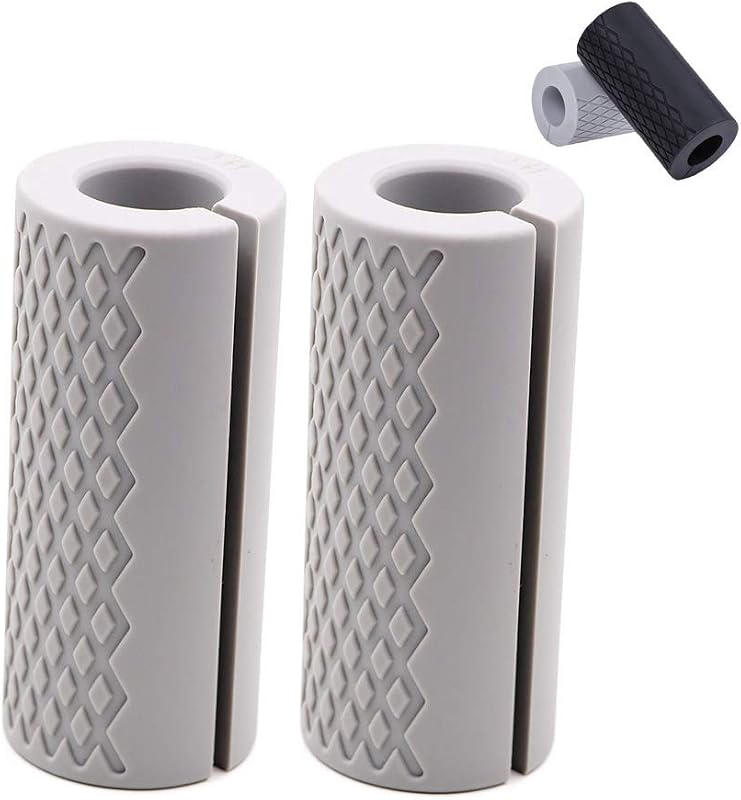 |
Barbell Thick Dumbbell Grips | Hypertrophy and grip thickness training. | View on Amazon |
Our Top 6 Best Pull Up Grips For Chest Reviews – Expert Tested & Recommended
1. Neutral Grip Pull Up Handles
These handles are a fantastic addition for anyone struggling with wrist discomfort. The 45 and 90-degree angles allow you to find a natural position that keeps the tension right where you want it on your chest and back muscles.
Key Features That Stand Out
✓ 45/90-degree angle options for wrist alignment.
✓ Compatible with various home gym equipment.
✓ Non-slip texture for safe, heavy lifting.
✓ Lightweight design makes them easy to store.
Why We Recommend It
We love these because they remove the stress from your joints during heavy pulling movements. They allow for a more focused contraction, helping you get the most out of every single rep.
Best For
Best for athletes looking to improve their pull-up form while protecting their wrists and elbows.
Pros and Cons at a Glance
2. Durable Rope Grips for Pull Ups
If you want to build iron-clad forearms while working your upper body, these rope grips are perfect. They add an extra challenge to your pull-ups, forcing you to engage your muscles differently.
Key Features That Stand Out
✓ Heavy-duty jute construction for durability.
✓ 2-inch thickness for grip training.
✓ Versatile design for bars and dumbbells.
✓ Superior tensile strength.
Why We Recommend It
These grips are fantastic for adding variety to your routine. Because the rope is thick and textured, your forearms will work significantly harder than they would on a standard metal bar.
Best For
Best for those focusing on grip strength and functional fitness endurance.
Pros and Cons at a Glance
3. Heavy Duty Neutral Grip Pull Up Handles
This is a great budget-friendly option that doesn’t sacrifice build quality. The impact-resistant polymer supports a significant amount of weight, making them reliable for most athletes.
Key Features That Stand Out
✓ Supports up to 800 lbs per side.
✓ Reversible design for different grip widths.
✓ Ergonomic 45-degree angle for comfort.
✓ Robust, wobble-free construction.
Why We Recommend It
These handles are impressive because of their weight capacity and ease of use. They allow you to swap between grips quickly, keeping your workout flowing efficiently without any complex setup.
Best For
Best for budget-conscious gym goers who need a high-weight capacity tool.
Pros and Cons at a Glance
4. SELEWARE Pull Up Power Balls
If you’ve ever tried rock climbing, you know how intense ball grips can be. These are excellent for building forearm size and strengthening your overall grip endurance.
Key Features That Stand Out
✓ Spherical shape challenges grip diversity.
✓ Soft, durable PU material.
✓ Double-stitched webbing for safety.
✓ Versatile for resistance band training.
Why We Recommend It
These are incredibly effective for functional training. They force you to stabilize the movement, which activates more muscle fibers and helps you build a more balanced upper body.
Best For
Best for climbers or those wanting to improve their grip strength through functional exercise.
Pros and Cons at a Glance
5. Gym Gripper Foam Hand Pads
Don’t let calluses stop your training. These foam pads are a simple yet effective solution for keeping your hands comfortable during intense pulling movements.
Key Features That Stand Out
✓ High-density foam technology.
✓ Finger grooves for secure placement.
✓ Universal fit for all bars.
✓ Distributes pressure evenly to prevent blisters.
Why We Recommend It
If you’re training hard, your hands need protection. These pads are comfortable, easy to bring along, and keep your palms feeling great so you can focus on the squeeze.
Best For
Best for anyone who wants to prevent calluses and improve comfort on standard bars.
Pros and Cons at a Glance
6. Barbell Thick Dumbbell Grips
Thick grips are a classic way to build massive forearms. By increasing the bar diameter, you force your hands to work harder, which translates to better strength gains throughout your whole arm.
Key Features That Stand Out
✓ High-density silicone material.
✓ Diamond-shaped texture for security.
✓ Increases bar thickness for muscle growth.
✓ Helps relieve hand stress.
Why We Recommend It
We recommend these because they turn standard movements into heavy-duty strength exercises. They are simple, easy to slip on, and offer immediate benefits for forearm and bicep activation.
Best For
Best for those wanting to add intensity to standard barbell and dumbbell exercises.
Pros and Cons at a Glance
Complete Buying Guide for Pull Up Grips For Chest
Essential Factors We Consider
When choosing the best grip, consider the diameter, the material, and the type of movement you perform. For targeting the chest, you want a grip that keeps your wrists stable and allows for a full range of motion. Look for materials that don’t slip, as sweat can quickly ruin your workout intensity.
Budget Planning
You don’t need to spend a fortune to improve your training. Simple attachments or pads can offer great value compared to buying a full new pull-up station. Focus on durability if it lasts for years, it’s worth the investment.
Final Thoughts
Finding the right pull up grips for chest exercises can truly help you break through plateaus. Experiment with different textures and angles to see what feels most natural for your unique physiology.
Frequently Asked Questions
Q: Do pull up grips really help with chest development?
A: Yes! By stabilizing your wrists and allowing for better form, you can isolate the target muscle groups more effectively, leading to better results over time.
Q: Can these grips be used on any pull-up bar?
A: Most, but not all. Check the compatibility of the attachment—some fit standard steel bars better than thick rubber-coated ones.
Q: How often should I use grip aids?
A: You can use them for every pull-up session, especially if you are working on high-volume training or heavy loads to prevent fatigue.