
Best Time to go to the Gym – The Best Time to Hit the Gym
Finding the ideal time to hit the gym can make a huge difference in energy, focus, and results. Every body reacts differently to exercise at various hours, and understanding personal rhythms helps maximize workouts.
Morning workouts often provide a fresh start, boosting mood and metabolism for the day ahead. Afternoon sessions can improve strength and endurance as the body reaches peak performance, while evening workouts help release stress after a busy day.
Crowds and gym availability also affect the experience, with quieter hours allowing uninterrupted focus on exercises. Nutrition, sleep patterns, and daily responsibilities influence the best schedule for consistent training. Listening to the body’s natural energy cycles allows for smarter planning and better performance.
Tracking progress across different times can reveal patterns that improve results. Selecting the right hours encourages a long-term, sustainable fitness routine, making each workout more effective and enjoyable.
Best Time to go to the Gym
Exercise is important for health, energy, and mood. Many people do not know the best time to go to the gym. Timing affects performance, energy levels, and how fast results appear.
Choosing the right time improves consistency and reduces injury risk. Science shows the body works differently at different times of the day. Understanding this helps you plan your workouts more effectively.
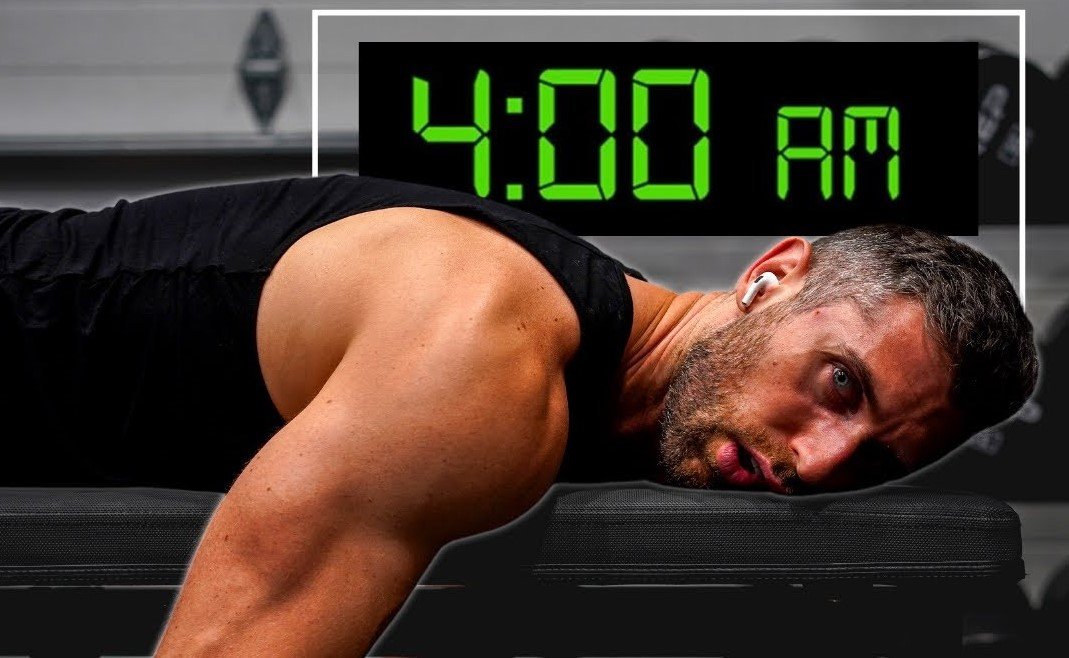
Early Morning Workouts (4 AM – 8 AM)
Why Morning Workouts Work?
Morning workouts are popular for people with busy schedules. Early exercise wakes up the body and mind.
Hormone levels, like cortisol, are higher in the morning. Cortisol helps the body use energy efficiently. This can help burn fat and boost alertness.
-
Fat Burn: Studies show fasting morning workouts (before breakfast) can increase fat usage. The body uses stored fat for energy.
-
Hormone Support: Testosterone and growth hormone are higher in the morning, helping build muscle and recover faster.
-
Mental Benefits: Exercise increases serotonin and dopamine, improving mood for the day.
Morning Workout Tips
-
Sleep at least 7–8 hours. Fatigue reduces performance.
-
Drink water first to rehydrate after sleep.
-
Eat a small snack like fruit or oatmeal for energy if needed.
-
Focus on cardio, light strength training, or full-body circuits.
Challenges of Morning Workouts
-
Muscles are colder, so injury risk is higher. Warm up well.
-
Energy may feel low if you did not sleep well.
-
Some people may struggle to wake up early consistently.
Afternoon Workouts (12 PM – 3 PM)

Why Afternoon Workouts Work
The body’s core temperature rises in the afternoon. Muscles are warmer, joints are more flexible, and reaction time improves. Blood flow increases, which can improve endurance and strength.
-
Performance Peak: Strength and power may be 5–15% higher in the afternoon.
-
Flexibility: Warmer muscles reduce injury risk and improve range of motion.
-
Mental Alertness: Midday exercise helps relieve stress and boosts focus for the rest of the day.
Afternoon Workout Tips
-
Eat a balanced meal 1–2 hours before training for energy. Include carbs and protein.
-
Hydrate well, as energy may dip after lunch.
-
Use this time for heavy lifting, HIIT, or cardio.
Considerations for Afternoon Gym
-
Some gyms are crowded around lunch hour.
-
Energy may dip for people with sleep deprivation.
-
Avoid very heavy meals right before exercise.
Evening Workouts (5 PM – 8 PM)

Why Evening Workouts Work
Evening workouts suit people busy in the morning. Strength and body temperature peak again in late afternoon or evening. Energy levels rise after rest or food intake, making workouts more effective.
-
Muscle Strength: Studies show peak strength in late afternoon, helping heavier lifts.
-
Stress Reduction: Physical activity helps release tension from the day.
-
Better Recovery: Evening workouts may improve post-exercise recovery if you sleep well afterward.
Evening Workout Tips
-
Focus on cardio, strength training, or flexibility.
-
Avoid intense workouts too close to bedtime if it affects sleep.
-
Keep a consistent time for habit building.
Challenges of Evening Workouts
-
Gyms are usually crowded after work hours.
-
Late exercise can make some people restless, affecting sleep.
-
Skipping workouts due to fatigue is common if energy is low.
Science-Based Comparison
| Time of Day | Hormones & Body | Energy & Performance | Best For | Challenges |
|---|---|---|---|---|
| Morning (5–8 AM) | High cortisol, early testosterone | Moderate, can burn fat | Cardio, habit building, fat loss | Cold muscles, low energy |
| Afternoon (12–3 PM) | Muscles warm, stable hormones | Peak energy, high strength | Strength training, endurance | Crowded gyms, low focus after lunch |
| Evening (5–8 PM) | Muscles hottest, testosterone moderate | High strength, high endurance | Heavy lifts, stress relief | Crowds, late workouts may affect sleep |
Factors to Choose Your Gym Time
Personal Energy Patterns
Some people are naturally “morning people.” Others feel strongest in the evening. Listen to your body and pick the time you feel energetic.
Daily Routine
Work, school, and family duties can affect gym timing. Consistency is more important than the perfect time.
Type of Exercise
-
Cardio and Weight Loss: Morning works well for fasting fat burn.
-
Strength Training: Afternoon or evening gives better muscle performance.
-
Flexibility & Stretching: Works any time but muscles must be warm.
Sleep and Recovery
Sleep affects energy and strength. Morning workouts need more sleep preparation. Evening workouts should not disturb night rest.
Final Thoughts
The best time to go to the gym depends on your body, schedule, and goals. Morning exercise helps with fat burn, focus, and habit. Afternoon workouts boost strength, flexibility, and energy.
Evening sessions reduce stress and fit busy schedules. Consistency and listening to your body matter more than exact timing. Stick to a routine that fits your life, and results will follow.
FAQs
1. Does morning exercise burn more fat?
Yes, studies show fasted morning workouts can increase fat usage. Total calories burned and consistency matter more than timing.
2. Can afternoon workouts improve strength?
Yes. Afternoon muscles are warmer, energy is higher, and strength peaks around midday to early evening.
3. Will evening workouts disturb sleep?
Moderate evening workouts usually help relaxation. Very intense sessions right before bed may make sleep harder for some people.
4. How often should I go to the gym?
3–5 times per week works best for most people. Rest days help muscles recover.
5. Should I eat before exercise?
A small snack before training is recommended, especially for morning or afternoon workouts. Avoid heavy meals close to workout time.