5 Best Yoga Books for New Teachers (Practical Guides for Teaching)
A good yoga teaching book can help new instructors build the knowledge and skills they need to lead safe, clear, and engaging classes. The best books cover more than individual poses and may explain sequencing, alignment, breathing, anatomy, teaching language, class planning, and yoga philosophy.
Beginner teachers can also benefit from guidance on adapting poses for different students and creating classes with a clear purpose. Books with detailed illustrations and practical examples can make difficult concepts easier to understand and apply. New teachers should consider their training level, teaching goals, preferred yoga style, and interest in anatomy or philosophy before choosing a book.
A strong reference can also provide useful ideas for continuing education and developing a personal teaching approach. This guide highlights five of the best yoga books for new teachers based on instructional value, clarity, anatomy guidance, sequencing, teaching advice, readability, and overall usefulness. Each selection offers practical information to help new instructors develop their skills and lead more confident yoga classes.
5 Best Yoga Books For New Teachers
| Image | Title | Best For | Link |
|---|---|---|---|
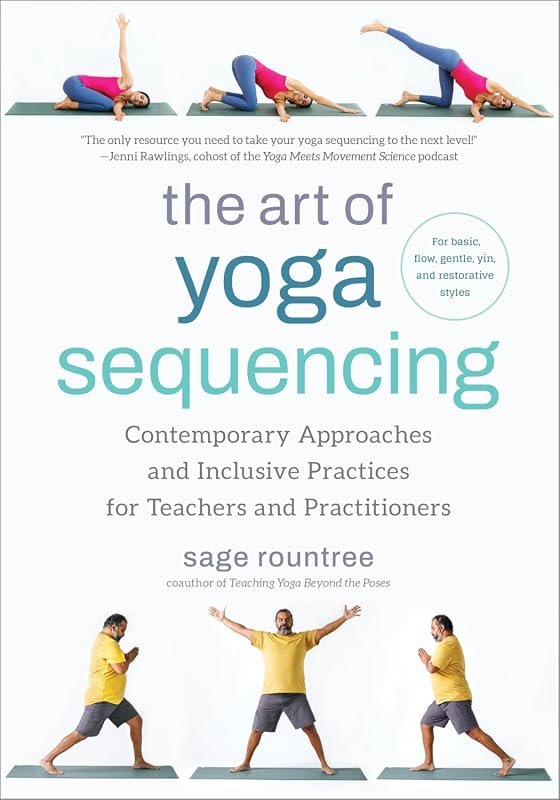 |
The Art of Yoga Sequencing | Best for learning inclusive and creative class flow. | View on Amazon |
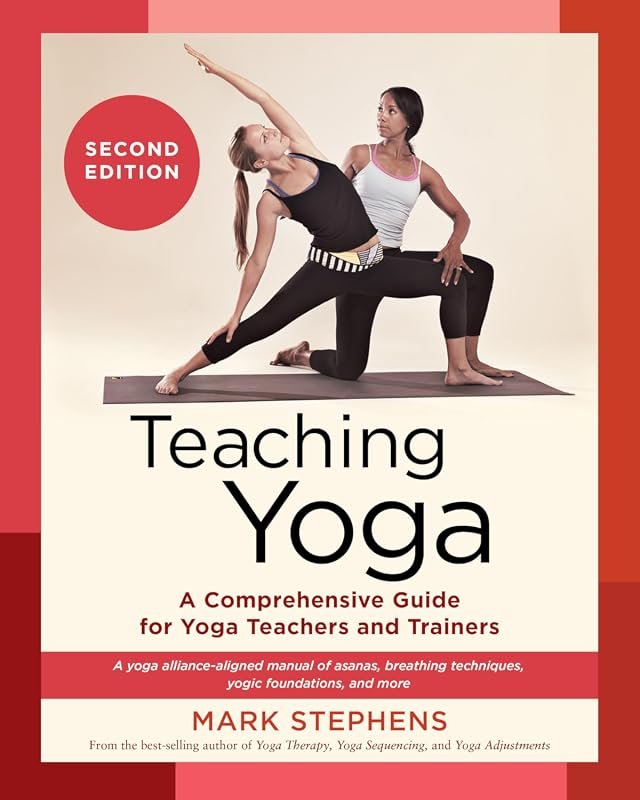 |
Teaching Yoga Second Edition | Comprehensive manual for new teachers and trainers. | View on Amazon |
 |
Motivational Yoga: 100 Lessons | Great for finding inspiration and teaching themes. | View on Amazon |
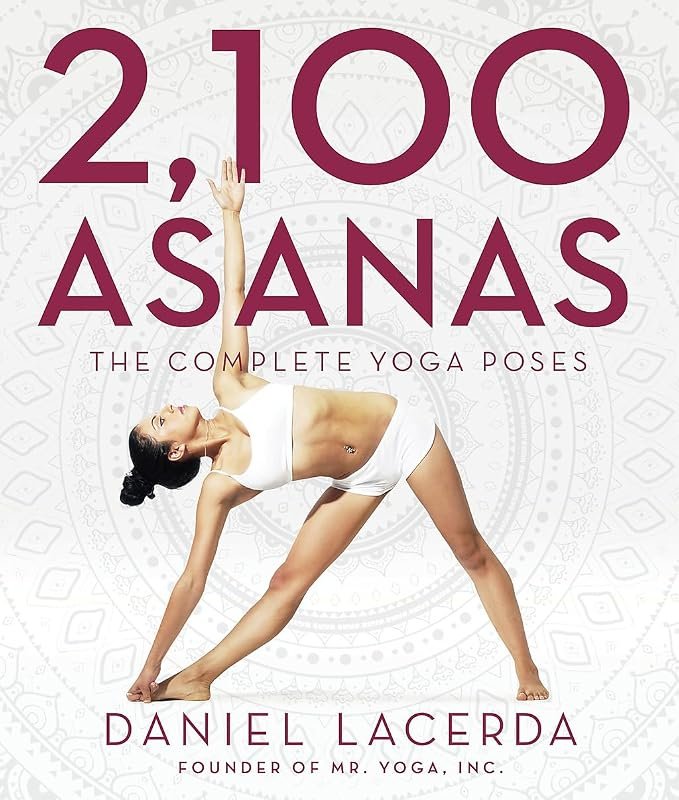 |
2,100 Asanas: Complete Guide | The ultimate visual reference for pose variation. | View on Amazon |
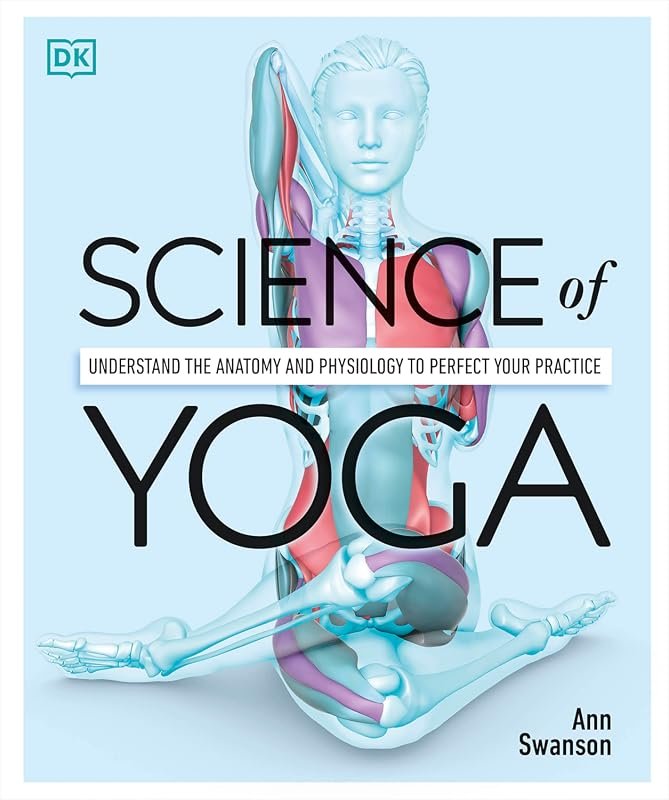 |
Science of Yoga: Anatomy | Understand how the body moves and prevents injury. | View on Amazon |
Our Top 5 Best Yoga Books For New Teachers Reviews – Expert Tested & Recommended
1. The Art of Yoga Sequencing
If you are struggling to build a flow that feels logical yet creative, this book is a game changer. It breaks down the complex art of yoga sequencing into manageable steps, ensuring your classes are inclusive for every student in the room.
Key Features That Stand Out
- ✓ Evidence-based approach to class structure
- ✓ Adaptable sequences for diverse ability levels
- ✓ Clear guidance on balancing energy and intensity
Why We Recommend It
We love this book because it takes the intimidation factor out of planning a class. It teaches you how to think like a teacher, not just a practitioner, focusing on the needs of your specific audience.
Best For
New teachers looking to move beyond basic routines and create thoughtful, balanced sequences.
Pros and Cons at a Glance
2. Teaching Yoga Second Edition
If you want one “bible” to keep on your desk, this is it. This comprehensive manual covers every aspect of being a professional teacher, from ethics to the practicalities of running a studio business.
Key Features That Stand Out
- ✓ In-depth exploration of yoga philosophy
- ✓ Professional business guidance for teachers
- ✓ Extensive anatomical and safety breakdowns
Why We Recommend It
It acts as a complete guide for the business of yoga. Many new instructors focus solely on poses, but this book prepares you for the realities of the professional world.
Best For
Instructors who want to build a sustainable, ethical, and long-term career in the yoga industry.
Pros and Cons at a Glance
3. Motivational Yoga: 100 Lessons
Sometimes the hardest part of teaching is finding the right words to say during Savasana or at the start of class. This book gives you 100 thematic lessons to help your students connect deeper.
Key Features That Stand Out
- ✓ Ready-to-use themes for classes
- ✓ Encourages personal growth and energy shifts
- ✓ Practical application for daily practice
Why We Recommend It
It removes the “writer’s block” that many new teachers face when preparing their class themes. It is a very accessible and affordable way to add depth to your teaching.
Best For
New teachers who want to bring more mindfulness and inspiration to their students’ experience.
Pros and Cons at a Glance
4. 2,100 Asanas: Complete Guide
If you want a visual encyclopedia of poses to help you diversify your classes, this is a beautiful and massive resource. It is perfect for leafing through when you need inspiration for a new peak pose.
Key Features That Stand Out
- ✓ Massive collection of pose variations
- ✓ Stunning, high-quality illustrations
- ✓ Categorized for easy reference
Why We Recommend It
It provides an incredible variety of options that keep your students engaged and challenged. It is the best visual aid for any teacher who learns through imagery.
Best For
Teachers who want to add variety and new, advanced poses to their regular class offerings.
Pros and Cons at a Glance
5. Science of Yoga: Anatomy
Understanding anatomy is crucial for a teacher. This book demystifies the science behind every pose, helping you teach in a way that is anatomically sound and safe for your students.
Key Features That Stand Out
- ✓ Detailed anatomical diagrams
- ✓ Science-backed injury prevention advice
- ✓ Clear explanations of muscular function
Why We Recommend It
It makes complex anatomy easy to digest. You will walk away feeling much more confident in giving hands-on adjustments and verbal cues to keep your students safe.
Best For
Teachers who want to deepen their understanding of physical safety and the human body.
Pros and Cons at a Glance
Complete Buying Guide for Yoga Books for New Teachers
Essential Factors We Consider
When choosing the best yoga books for new teachers, we look for clarity, safety, and practical application. It is vital that a book offers information you can immediately use in your classroom, such as sequencing ideas or tips for better cues. Always prioritize books that emphasize inclusivity and modifications, as you will work with students of all body types.
Budget Planning
You do not need to buy every book on the list at once. Start with a core manual like Teaching Yoga for foundational knowledge, and then add specific resources like 2,100 Asanas or Science of Yoga as you feel your interest in those niches grow. Budget-friendly options like Motivational Yoga are also excellent for daily inspiration without high costs.
Final Thoughts
Your journey as a teacher is a lifelong process of learning. These books are just the starting point. By building a small library of trusted references, you will find it much easier to handle the challenges of the studio and show up as the best teacher you can be for your students.
Frequently Asked Questions
Q: Do I need all of these books to be a successful teacher?
A: Not at all! Start with one or two that speak to your current focus, such as anatomy or sequencing. You can grow your collection naturally over time.
Q: Are these books suitable for self-study as well?
A: Yes, all of these resources are excellent for personal practice and deepening your own understanding of yoga before you ever step in front of a class.
Q: Will these books help me get more students?
A: They will help you become a more confident, safe, and inspiring teacher, which is the best way to grow your classes and retain students over the long term.