5 Best Yoga Mats for Bad Knees (Extra Support for Comfortable)
Knee pain can make yoga less enjoyable, especially during poses that place direct pressure on your joints. A supportive yoga mat with the right amount of cushioning helps reduce discomfort by creating a softer surface for kneeling, lunges, and floor exercises. Whether you’re managing arthritis, recovering from an injury, or simply want better joint protection, the right mat can make your practice more comfortable and encourage better movement.
Cushioning is important, but it isn’t the only factor to consider. A quality yoga mat for sensitive knees should also provide excellent grip, high-density support, and enough stability to maintain balance during standing poses. Materials that resist compression help the mat keep its shape over time, while a durable, non-slip surface adds confidence throughout your workout. Thickness, portability, and ease of cleaning are also worth considering if you practice regularly.
We compared a variety of yoga mats designed for comfort and joint support to identify the models that offer the best combination of cushioning, stability, durability, and overall value. The five recommendations below provide dependable support for sore knees while helping you enjoy a safer and more comfortable yoga practice.
5 Best Yoga Mats For Bad Knees
| Image | Title | Best For | Link |
|---|---|---|---|
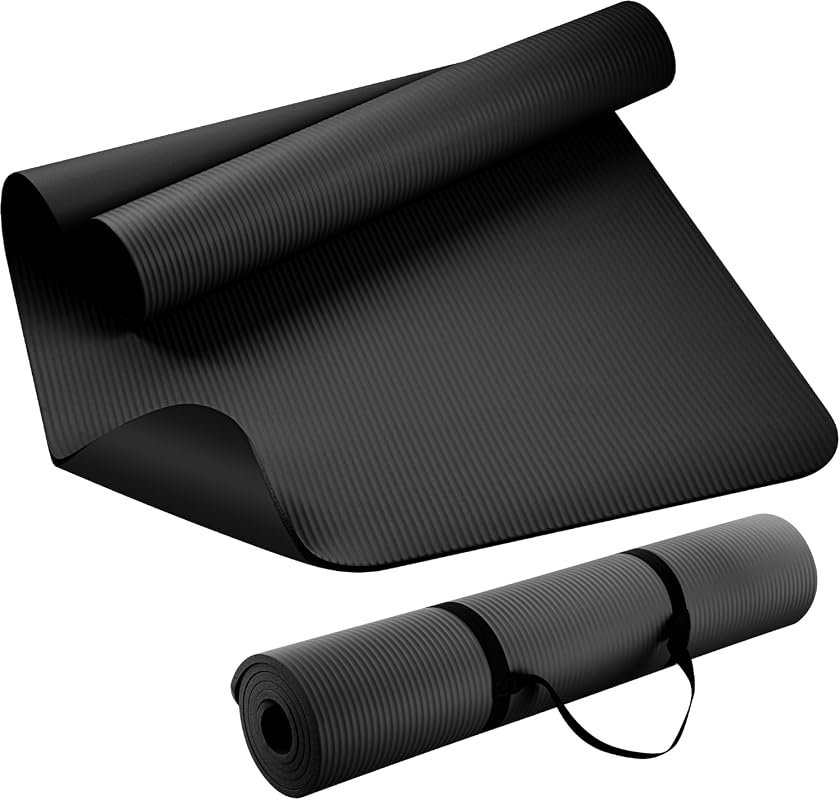 |
KEEP NBR Extra Thick Yoga Mat | General comfort and extra surface space. | View on Amazon |
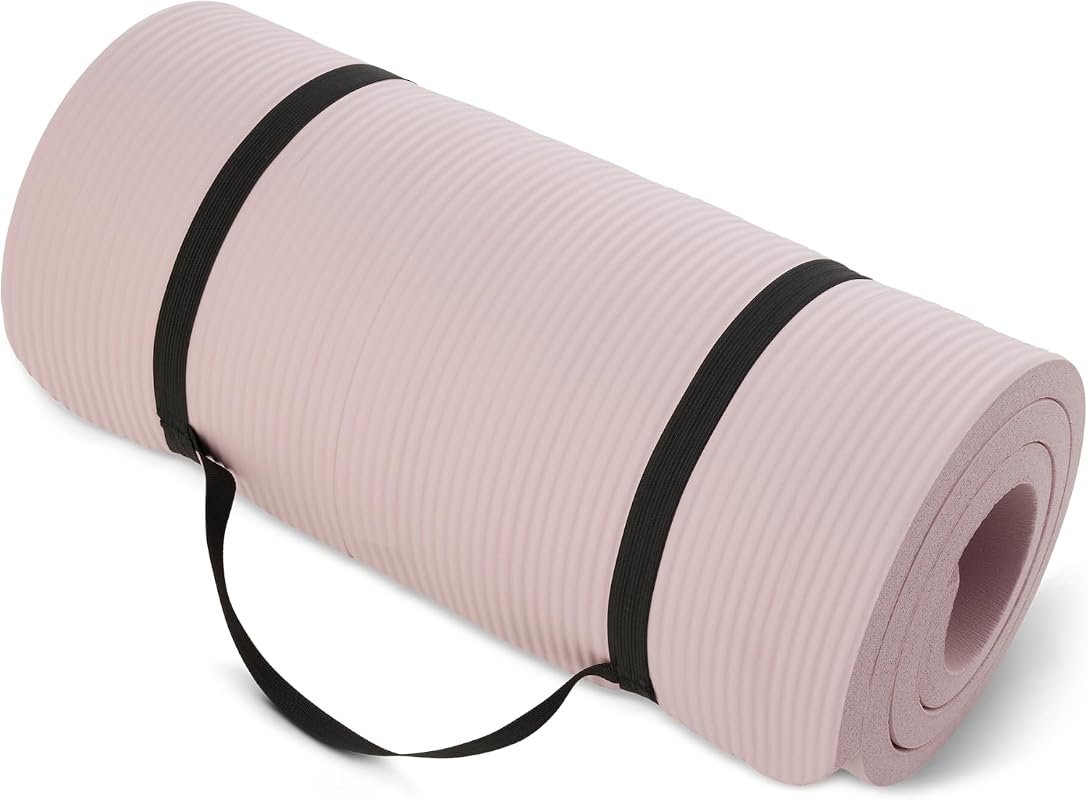 |
Amazon Basics Extra Thick Yoga Mat | Reliable cushioning for beginners. | View on Amazon |
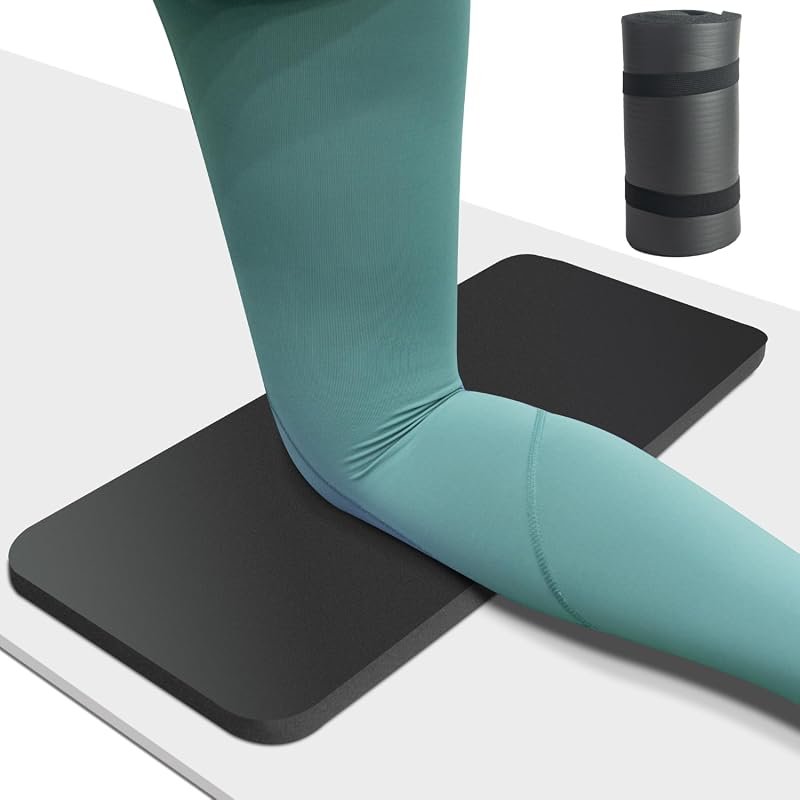 |
Yoga Knee Pad Mini Exercise Mat | Targeted relief for specific kneeling poses. | View on Amazon |
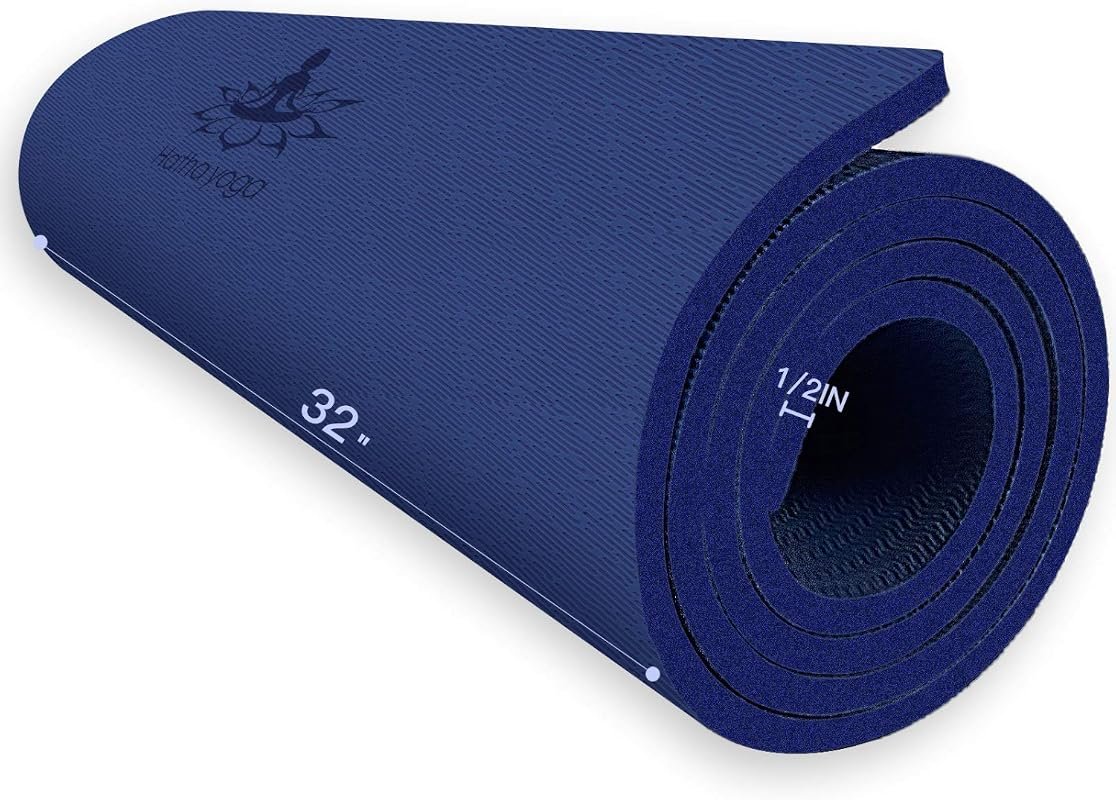 |
Hatha Yoga TPE Exercise Mat | Durable, eco-conscious heavy-duty support. | View on Amazon |
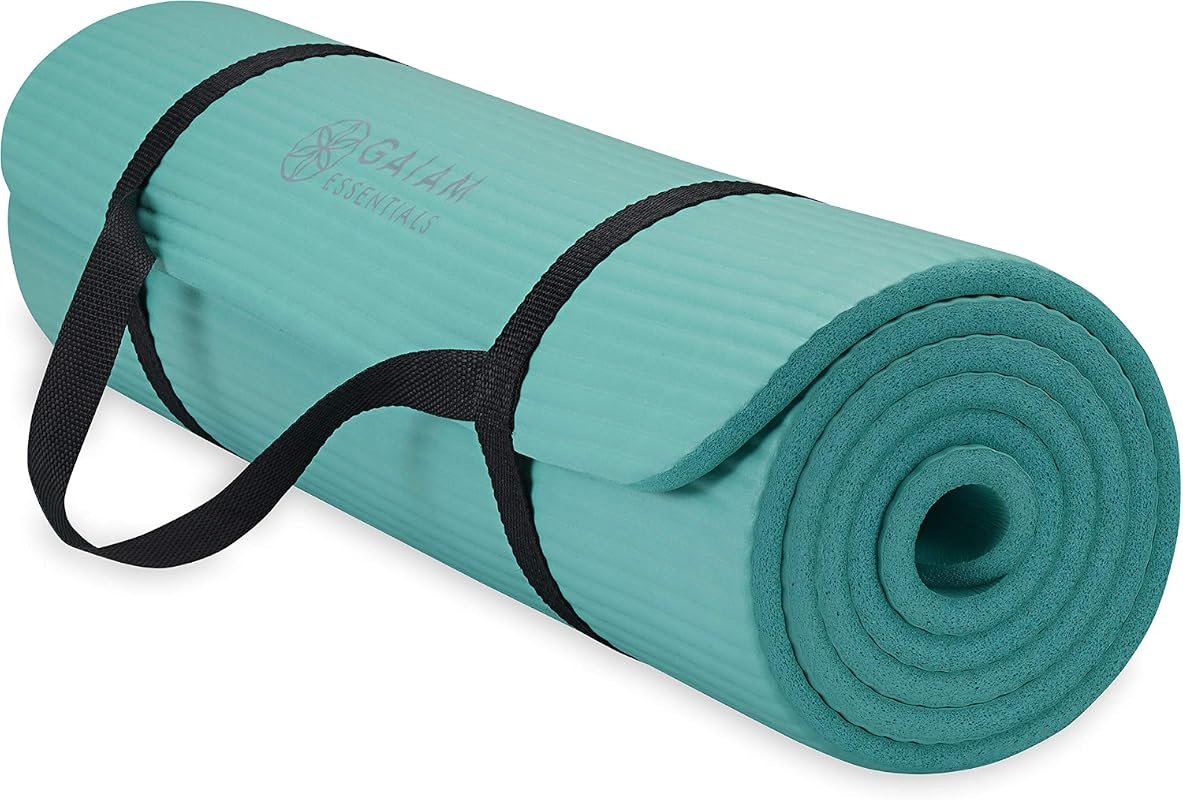 |
Gaiam Thick NBR Yoga Mat | A trusted brand for soft, foam-based comfort. | View on Amazon |
Our Top 5 Best Yoga Mats For Bad Knees Reviews – Expert Tested & Recommended
1. KEEP NBR Extra Thick Yoga Mat
The KEEP Extra Thick 10mm mat is designed for those who need extra cushion without sacrificing stability. Its generous size and dense foam construction make it a standout for anyone dealing with chronic knee pain.
Key Features That Stand Out
- ✓ 10mm high-density NBR foam for deep joint protection.
- ✓ Extra-wide 72×24 inch surface area for easier movement.
- ✓ Dual-sided anti-slip ridges to prevent shifting during transitions.
Why We Recommend It
We love this mat because it strikes a perfect balance between softness and support. It provides enough sink to cushion the knees while remaining firm enough to keep your balance during standing poses.
Best For
This is the perfect choice for anyone who practices slow-flow or restorative yoga where kneeling is frequent.
Pros and Cons at a Glance
2. Amazon Basics Extra Thick Yoga Mat
The Amazon Basics Extra Thick mat is a reliable, budget-friendly staple for home gyms. It offers a generous 1-inch thickness which is excellent for taking the pressure off your joints during floor-based stretches.
Key Features That Stand Out
- ✓ Thick foam construction for maximum cushioning.
- ✓ Includes a convenient carrying strap for portability.
- ✓ Phthalate-free material for a safer home workout.
Why We Recommend It
This mat is an incredible value for the price. The thickness is unmatched, making it a lifesaver for people who find standard mats far too thin for sensitive knees.
Best For
Best for beginners or those setting up a home gym who need comfort on a budget.
Pros and Cons at a Glance
3. Yoga Knee Pad Mini Exercise Mat
Sometimes you don’t need a whole new mat, just extra padding for your knees. This mini mat provides a dense, 0.8-inch barrier that works perfectly in conjunction with your existing yoga mat.
Key Features That Stand Out
- ✓ Compact 24 x 9.8 inch size for targeted support.
- ✓ Dual-sided texture prevents sliding on various floor types.
- ✓ Lightweight and easy to throw in any gym bag.
Why We Recommend It
This is a must-have for anyone who loves their current grippy mat but finds it too thin for kneeling. It is portable, effective, and extremely affordable.
Best For
Best for those needing a supplemental cushion for poses like Pigeon or Anjaneyasana.
Pros and Cons at a Glance
4. Hatha Yoga TPE Exercise Mat
The Hatha TPE mat is a premium option for those wanting a thicker mat with superior eco-friendly materials. It provides a generous 12mm thickness, making it exceptionally soft for sensitive knees.
Key Features That Stand Out
- ✓ Extra-thick 12mm TPE foam for ultimate joint comfort.
- ✓ Eco-friendly construction using advanced TPE material.
- ✓ Double-layer anti-tear technology for long-term use.
Why We Recommend It
TPE is a fantastic material that offers a “stickier” feel without the chemical smell often found in cheaper mats. It’s a great long-term investment for your joint health.
Best For
Best for serious practitioners who want a combination of sustainability and high-performance cushioning.
Pros and Cons at a Glance
5. Gaiam Thick NBR Yoga Mat
Gaiam is a trusted name in yoga, and their NBR thick mat lives up to the reputation. It offers a soft, plush feel that is specifically engineered to reduce pressure on joints during floor work.
Key Features That Stand Out
- ✓ 10mm high-density NBR foam for plush comfort.
- ✓ Includes a cinch carrying strap for easy storage.
- ✓ Low-odor material that is easy to wipe clean.
Why We Recommend It
The surface texture is excellent for preventing slips during dry workouts. It’s an incredibly reliable, no-nonsense mat for those who prioritize immediate comfort during their practice.
Best For
Best for gentle yoga, Pilates, and stretching sessions at home.
Pros and Cons at a Glance
Complete Buying Guide for Yoga Mats For Bad Knees
Essential Factors We Consider
When selecting the best mat for bad knees, thickness is paramount, but it isn’t everything. We look for high-density foam that provides support without bottoming out. Additionally, the material’s grip is critical to prevent slipping, as any sliding motion puts extra stress on the knee joints. Always look for textures that offer stability on both the floor and your skin.
Budget Planning
You do not need to spend a fortune to get the relief you need. NBR foam mats are generally very affordable and offer excellent cushioning. If you are a daily practitioner, investing in a slightly more expensive TPE or rubber mat may be worth it for increased longevity and better eco-credentials.
Final Thoughts
Protecting your knees is an investment in your long-term mobility. Whether you choose a full-sized thick mat or a compact knee pad, making sure your joints are cushioned will allow you to practice more consistently and with greater confidence.
Frequently Asked Questions
Q: How thick should a yoga mat be for bad knees?
A: Ideally, you should aim for a mat that is at least 6mm to 10mm thick. Anything less may not provide enough cushion to fully absorb the impact on your joints during kneeling poses.
Q: Can I use a regular mat with a knee pad?
A: Yes! Many people prefer to use their favorite high-grip standard mat and simply place a small knee pad or even a folded towel underneath their knees when necessary.
Q: What is the best material for joint protection?
A: NBR foam is very popular for its soft, cushioning properties, while TPE is an excellent high-performance, eco-friendly option that maintains its shape better over time.
Q: Does a thicker mat affect balance?
A: Yes, very thick mats can sometimes feel a bit “squishy,” which can make balancing on one leg slightly more challenging. If you do a lot of standing balance poses, ensure you choose a high-density foam that is firm enough to provide a stable base.