
5 Best Yoga Mats for Physical Therapy (Comfortable Recovery)
A quality yoga mat can make physical therapy exercises more comfortable by providing the support, stability, and cushioning needed for safe movement. The best mats help reduce pressure on the knees, hips, elbows, and back while creating a stable surface for stretching, balance exercises, and rehabilitation routines. High-density materials offer lasting support without compressing too much, allowing you to maintain proper form throughout your exercises.
Many models also feature non-slip surfaces, generous dimensions, and easy-to-clean materials that make them suitable for home therapy sessions, fitness centers, and rehabilitation clinics. Choosing the right yoga mat depends on cushioning, grip, durability, stability, and overall comfort.
This guide reviews five of the best yoga mats for physical therapy based on support, material quality, traction, durability, and overall value. Every recommendation helps create a safer and more comfortable environment for rehabilitation, gentle exercise, and everyday movement.
5 Best Yoga Mats For Physical Therapy
| Image | Title | Best For | Link |
|---|---|---|---|
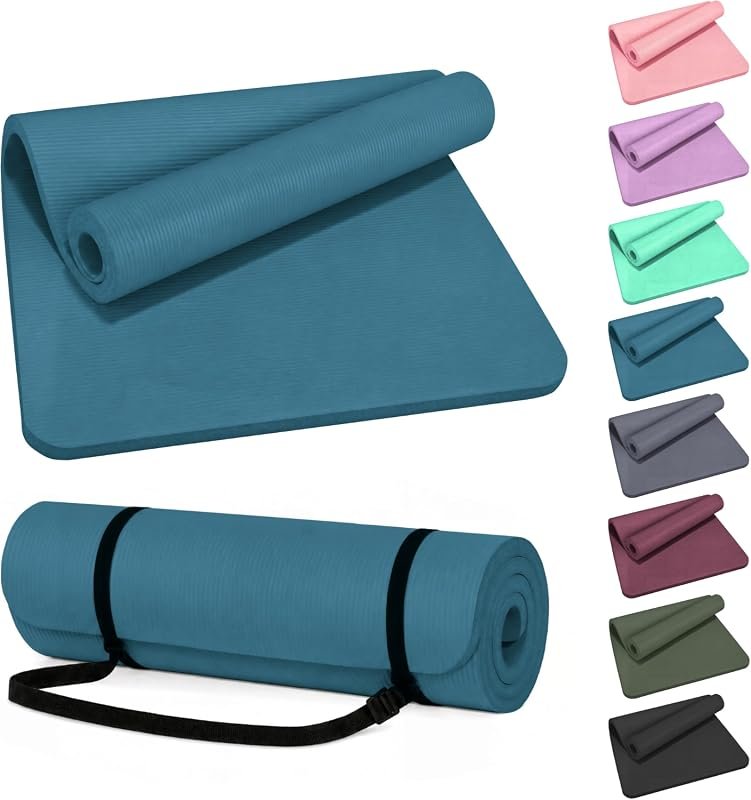 |
HULKFIT High-Density Yoga Mat | Best overall cushioning for joint protection and reliable, non-slip floor stability. | View on Amazon |
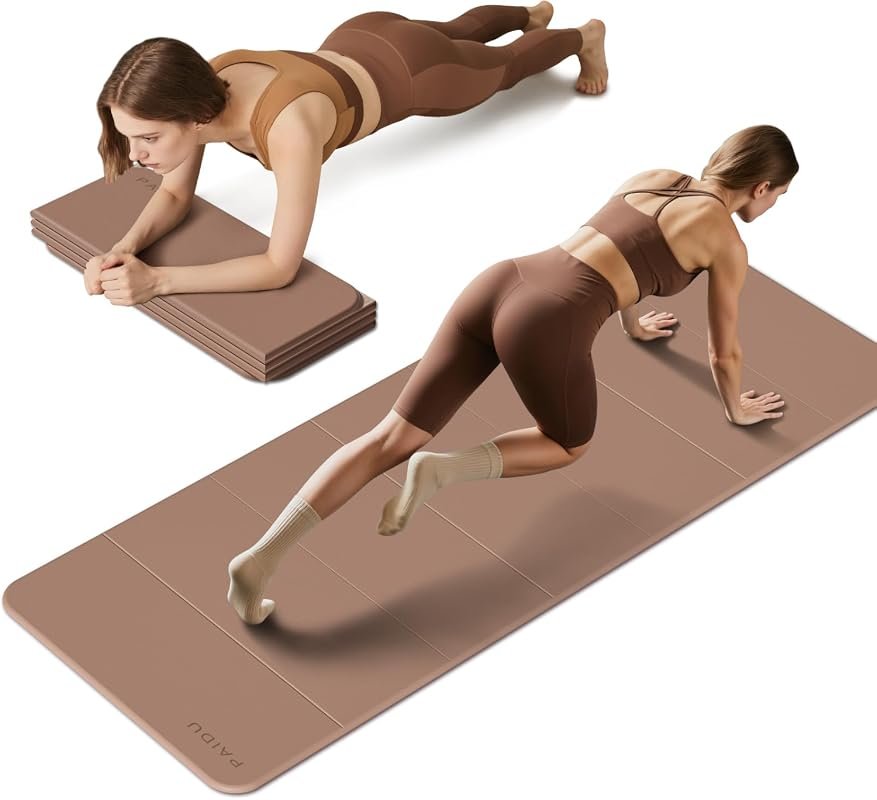 |
PAIDU Foldable TPE Yoga Mat | Convenient, portable choice for those who need quick storage solutions. | View on Amazon |
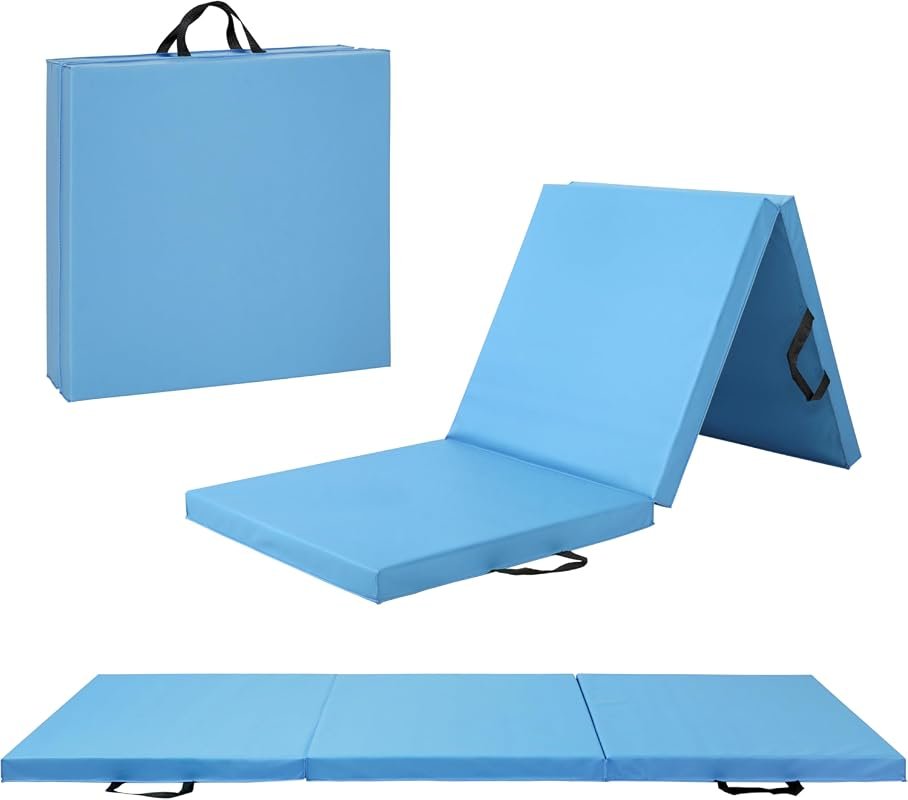 |
CAP Barbell Folding Exercise Mat | Excellent budget-friendly option for high-impact protection and durability. | View on Amazon |
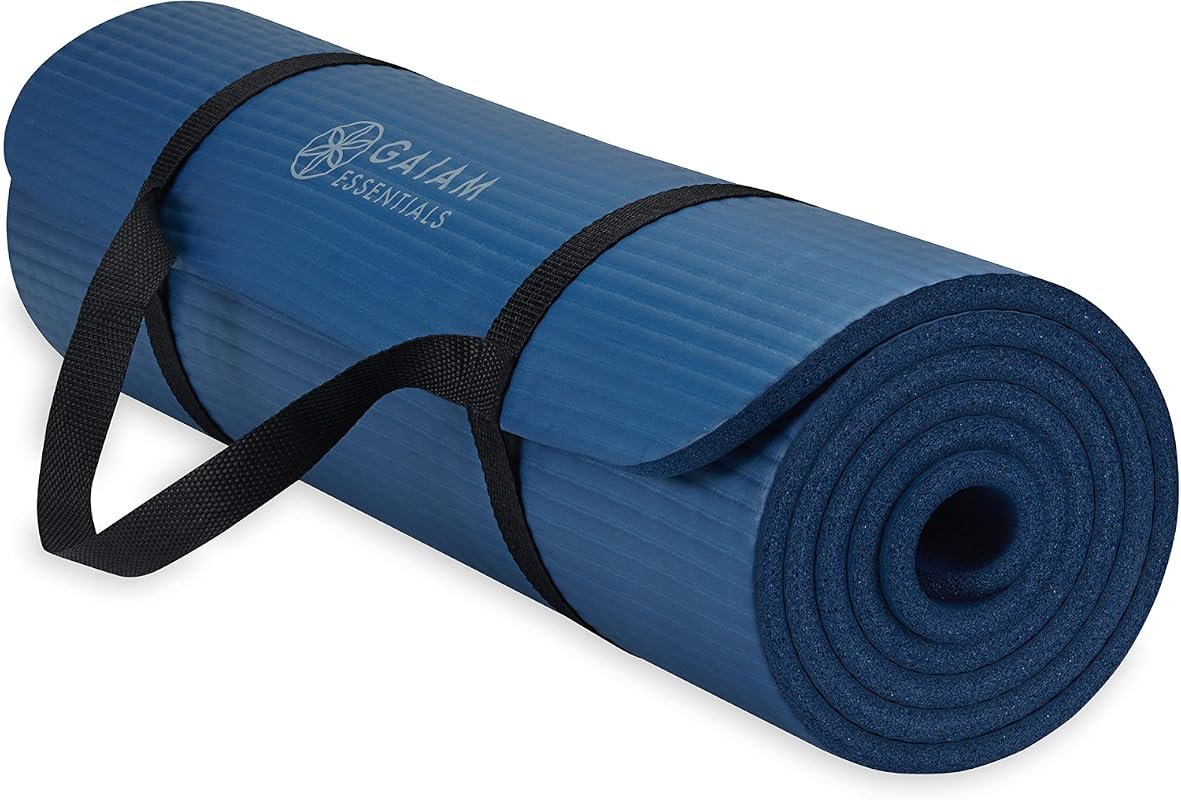 |
Gaiam Thick NBR Yoga Mat | Perfect for soft, comfortable floor-based rehabilitation exercises. | View on Amazon |
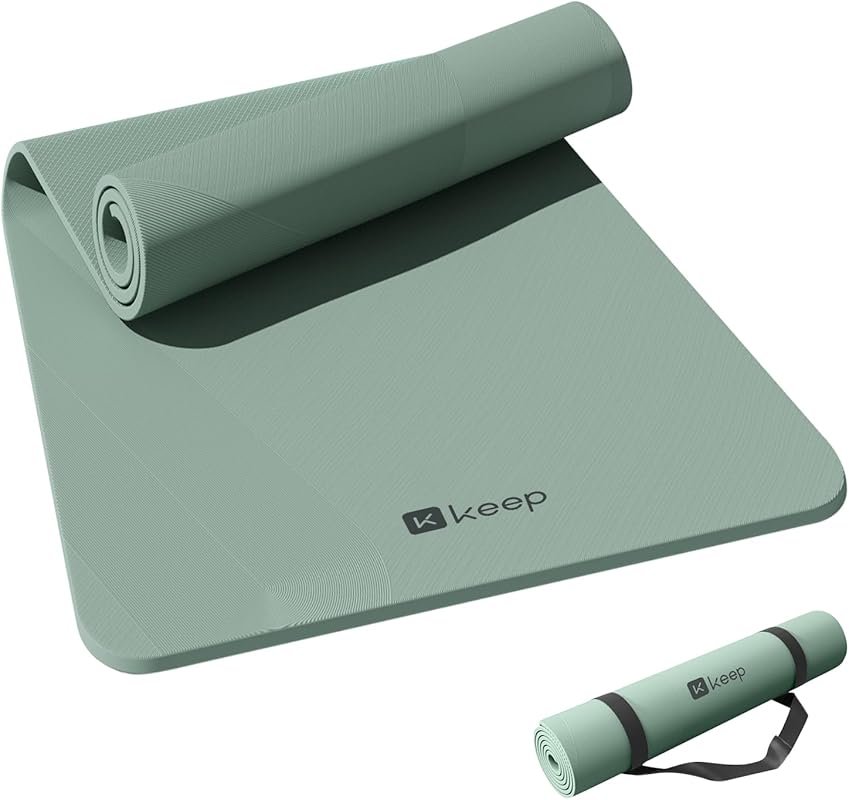 |
KEEP Extra Wide Yoga Mat | Great for those requiring extra space to move comfortably during therapy. | View on Amazon |
Our Top 5 Best Yoga Mats For Physical Therapy Reviews – Expert Tested & Recommended
1. HULKFIT High-Density Yoga Mat
The Hulkfit High-Density mat is a fantastic companion for anyone needing extra support during physical therapy sessions. Its thick, durable foam helps protect sensitive joints while you focus on your prescribed movements.
Key Features That Stand Out
- ✓ Extra-thick NBR foam padding for maximum joint protection
- ✓ Non-slip textured surface for safety during floor exercises
- ✓ Low-odor material that is very easy to wipe clean
- ✓ Includes a convenient carrying strap for simple transport
Why We Recommend It
We love this mat because it feels stable underfoot while providing enough cushion to make floor-based recovery exercises comfortable. It strikes a perfect balance between softness and support that many users find essential.
Best For
Those who prioritize joint cushioning and require a reliable, non-slip surface for daily therapy routines.
Pros and Cons at a Glance
2. PAIDU Foldable TPE Yoga Mat
The Paidu Foldable Mat is perfect for anyone on the go or those with limited storage space at home. Its innovative folding design means you can set up or pack away your therapy mat in just a few seconds.
Key Features That Stand Out
- ✓ Innovative 3-second folding design for easy storage
- ✓ Extra-wide and long dimensions for full-body support
- ✓ 10mm thickness provides a generous cushion
- ✓ Multi-purpose design works for yoga, rehab, or floor training
Why We Recommend It
This mat is a game-changer for convenience. We appreciate that it unfolds flat without curling at the edges, ensuring a safe and even surface for every therapy repetition you perform.
Best For
Individuals who need a portable, easy-to-store mat that does not sacrifice comfort for convenience.
Pros and Cons at a Glance
3. CAP Barbell Folding Exercise Mat
If you are looking for a highly durable, thick mat that fits a modest budget, the CAP Barbell folding mat is a top choice. Its 2-inch thickness provides unmatched cushioning, making it ideal for physical therapy exercises.
Key Features That Stand Out
- ✓ Extra thick 2-inch high-density foam for maximum protection
- ✓ Toxic-free materials (10P free) for a safe environment
- ✓ Built-in handles for effortless transport
- ✓ Rugged, anti-tear exterior ensures long-lasting reliability
Why We Recommend It
The sheer level of cushion provided by this mat is impressive. It is perfect for individuals who need to spend a lot of time on their knees or back during rehab, as the 2-inch foam offers superior relief from pressure.
Best For
People who need significant padding and want a long-lasting, budget-friendly solution for their home gym.
Pros and Cons at a Glance
4. Gaiam Thick NBR Yoga Mat
The Gaiam Thick NBR mat is a household name for a reason. It provides a soft, forgiving surface that feels great during long, slow-paced physical therapy stretches and rehabilitation movements.
Key Features That Stand Out
- ✓ 10mm high-density NBR foam for plush joint comfort
- ✓ Textured, comfort-focused surface for improved grip
- ✓ Easy to maintain—wipe down with a damp cloth
- ✓ Includes a simple carrying strap for effortless storage
Why We Recommend It
We believe the Gaiam mat is one of the most reliable options for beginners. The surface texture is gentle on the skin, and the cushioning is just right for people focusing on mobility and gradual improvement.
Best For
Individuals who prefer a well-known brand and a soft, comfortable mat for low-impact recovery exercises.
Pros and Cons at a Glance
5. KEEP Extra Wide Yoga Mat
For those who feel cramped on standard mats, the KEEP Extra Wide Yoga Mat is a blessing. It offers significant room, making it much easier to move into different positions without hanging off the edge.
Key Features That Stand Out
- ✓ 32-inch extra-wide design for unrestricted movement
- ✓ Fingerprint-like anti-slip texture for superior control
- ✓ TPE material is sustainable and chemical-free
- ✓ 7mm thickness provides a stable yet cushioned base
Why We Recommend It
We love the wider surface area. It provides a sense of security during balancing or mobility exercises where you need to shift your weight without worrying about the edge of the mat.
Best For
Anyone who feels restricted by standard mat sizes and wants more room to move during their recovery process.
Pros and Cons at a Glance
Complete Buying Guide for Best Yoga Mats For Physical Therapy
Essential Factors We Consider
When selecting a mat for physical therapy, focus on thickness, traction, and material. You want a mat that protects your joints—generally, 6mm to 10mm thickness is ideal. Traction is vital for safety, so look for a textured finish that keeps you stable. Finally, choose non-toxic, easy-to-clean materials that can handle the frequency of your daily sessions.
Budget Planning
You do not need to spend a fortune to get a high-quality mat. Many reliable options for physical therapy fall within the $20 to $50 range. Often, spending slightly more secures a mat with better durability or more user-friendly features like built-in straps or foldable designs, which can be worth the investment for long-term recovery.
Final Thoughts
The right mat is a foundational tool in your recovery toolbox. By providing a safe, cushioned, and stable base, your yoga mat helps you commit to your physical therapy program with confidence. Take time to consider what features matter most to your daily needs—whether it is ease of storage, extra space, or superior joint protection.
Frequently Asked Questions
Q: Why is mat thickness so important for physical therapy?
A: When you are recovering from injury, joints and muscles are often more sensitive. A thicker mat absorbs more impact and provides a softer landing, which prevents pain during floor-based exercises.
Q: How do I clean my yoga mat to keep it sanitary?
A: Most mats can be wiped down with a mixture of mild soap and water on a damp cloth. Always let it air dry completely before rolling it up to prevent mold or odors.
Q: Can I use any yoga mat for rehab?
A: While any mat is better than a hard floor, standard thin yoga mats often lack the density required for physical therapy. Look for specialized high-density foam mats designed for exercise and rehabilitation.