6 Best Yoga Mats for Tile Floors (for Stable Practice)
Tile floors provide a firm surface for yoga, but they can feel hard and slippery without the right mat. A high-quality yoga mat adds the cushioning needed to protect your joints while delivering the grip required for better balance and stability. Non-slip surfaces help prevent the mat from shifting during standing poses, transitions, and floor exercises.
Dense, supportive materials also reduce pressure on your knees, wrists, and back without sacrificing stability. Many mats feature moisture-resistant finishes, durable construction, and easy-to-clean surfaces that hold up well through regular practice. Thickness, texture, and portability all play an important role when selecting a mat that fits your yoga style and workout routine.
This guide reviews six of the best yoga mats for tile floors based on grip, comfort, durability, stability, and overall value. Every recommendation can help you practice with greater confidence and enjoy a safer, more comfortable yoga session.
6 Best Yoga Mats For Tile Floors
| Image | Title | Best For | Link |
|---|---|---|---|
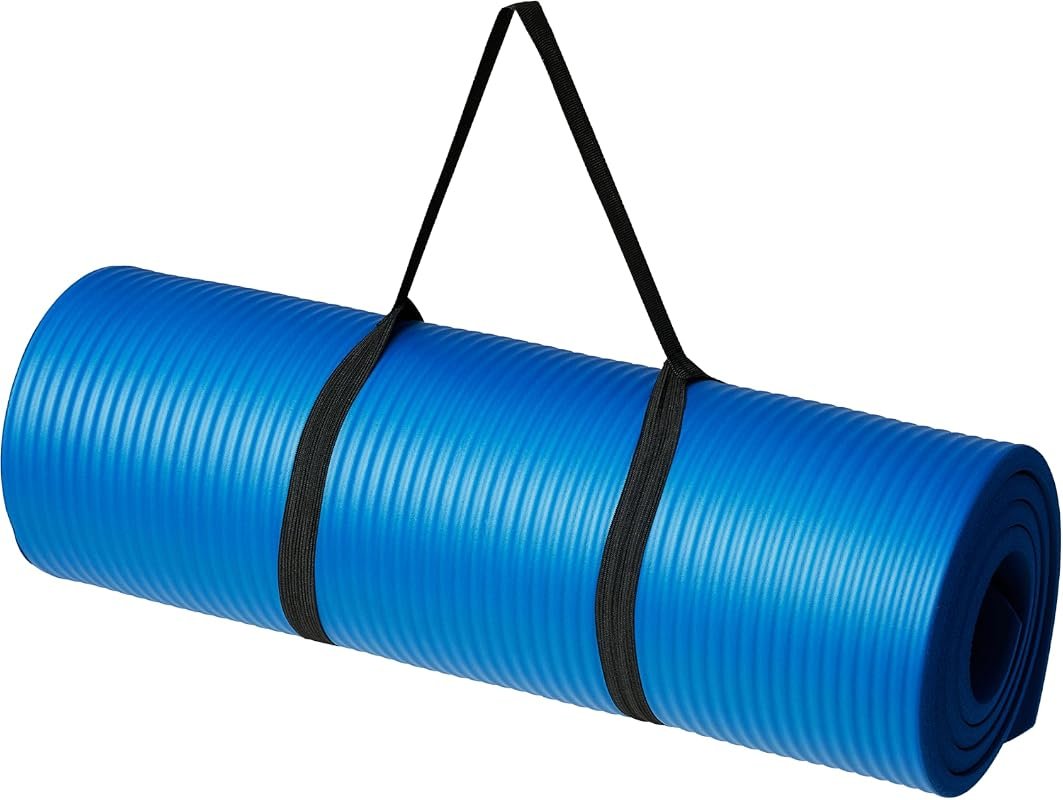 |
Amazon Basics Extra Thick Yoga Mat | Everyday home practice | View on Amazon |
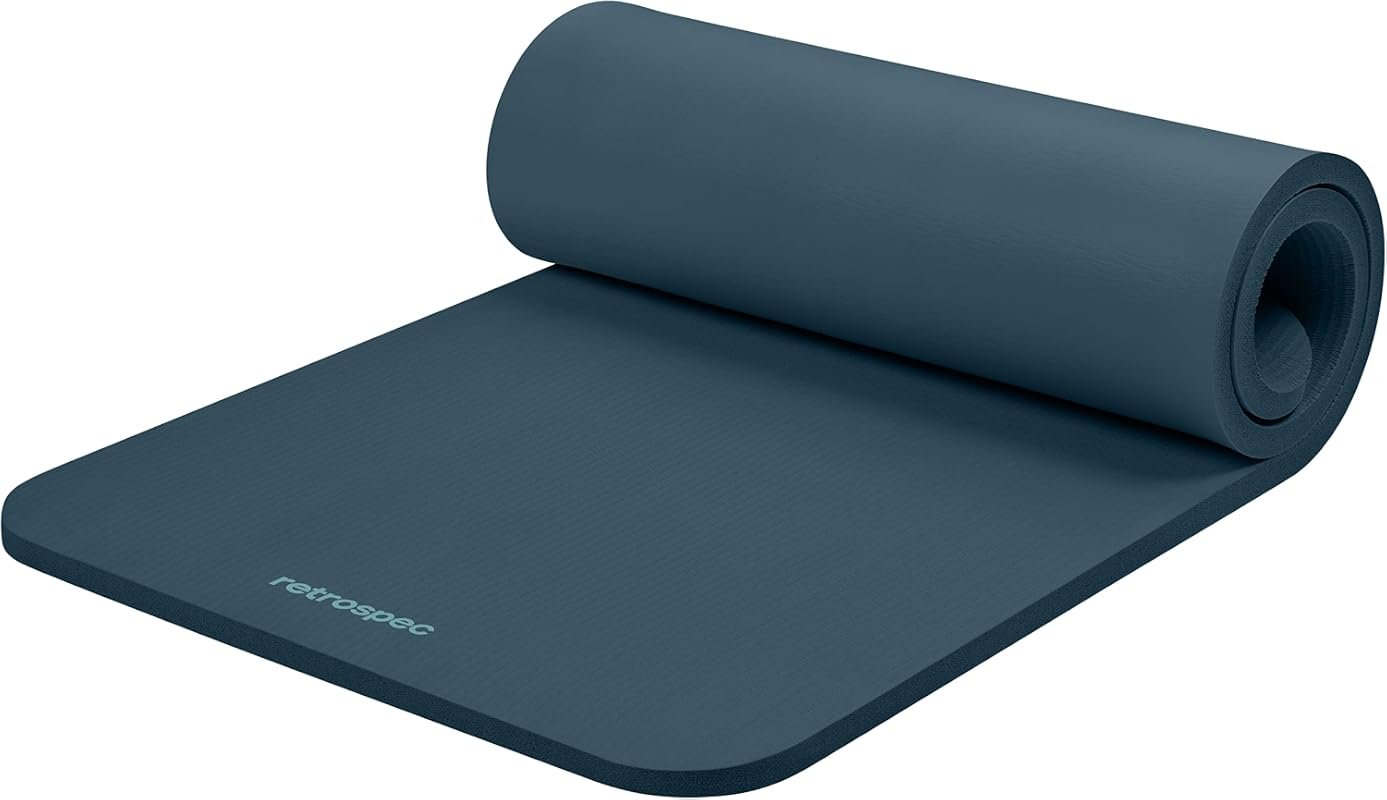 |
Retrospec Solana Yoga Mat | Joint support and comfort | View on Amazon |
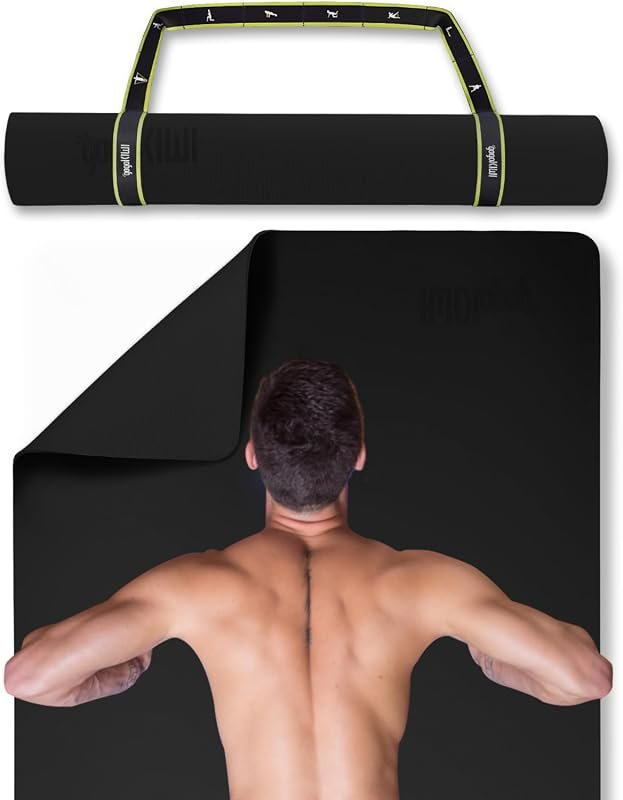 |
Gogokiwi Extra Wide Yoga Mat | Extra space and stability | View on Amazon |
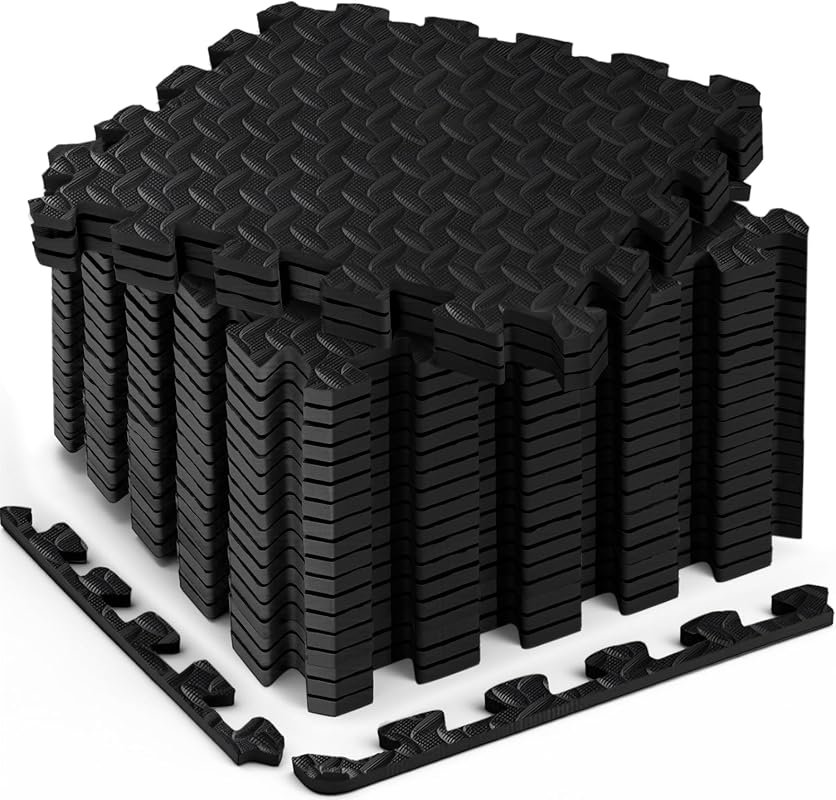 |
18 Pcs EVA Foam Floor Tiles | Home gym customization | View on Amazon |
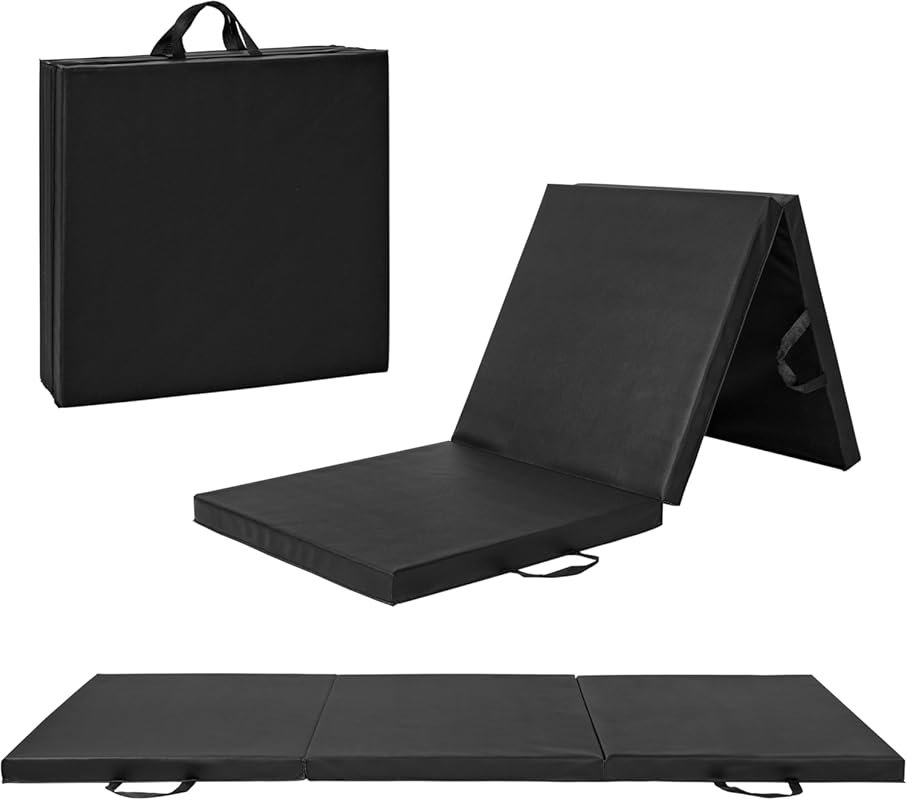 |
CAP Barbell Folding Fitness Mat | High-impact floor exercises | View on Amazon |
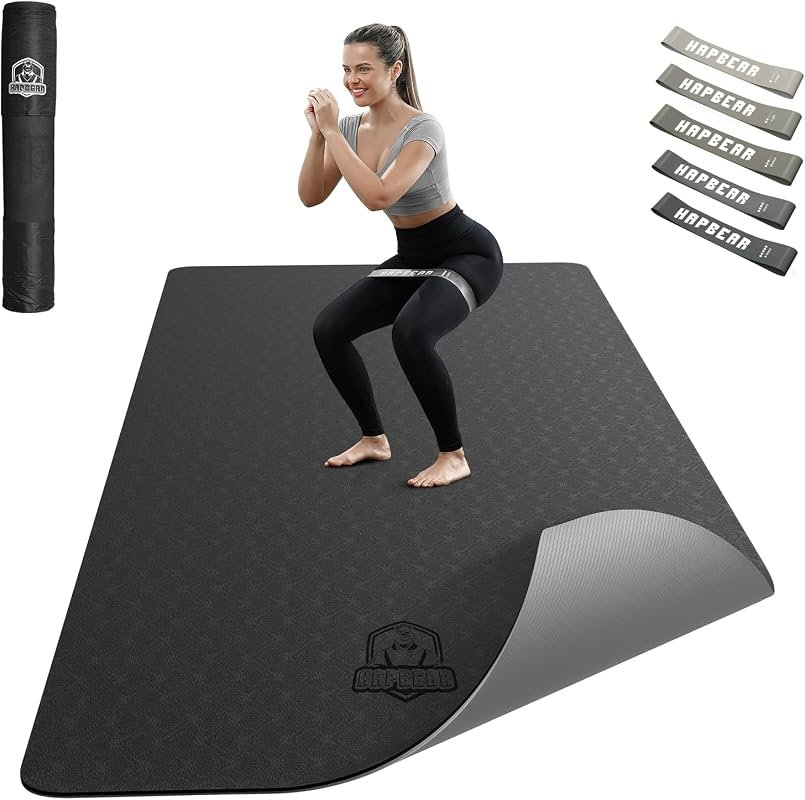 |
HAPBEAR Large Yoga Mat | Versatile home workouts | View on Amazon |
Our Top 6 Best Yoga Mats For Tile Floors Reviews – Expert Tested & Recommended
1. Amazon Basics Extra Thick Yoga Mat
When you are dealing with cold tile floors, you need a buffer that is both affordable and functional. This mat delivers on both, offering a half-inch of thickness that completely transforms a hard surface into a comfortable zone for your daily flow.
Key Features That Stand Out
✓ 1/2 inch extra thick cushioning for ultimate comfort.
✓ Textured surface that grips well on slick tiles.
✓ Includes a convenient carrying strap for portability.
✓ Lightweight design for easy storage.
Why We Recommend It
This is the ultimate entry-level mat that provides immediate relief for sensitive knees. It stays put on smooth tile surfaces and offers enough padding to keep you focused on your breath rather than the hardness of your floor.
Best For
Beginners and anyone who practices daily at home and needs a reliable, no-fuss setup.
Pros and Cons at a Glance
2. Retrospec Solana 1-Inch Thick Non-Slip Yoga Mat
If you find that standard yoga mats just aren’t cutting it for your joints, the Retrospec Solana is a game-changer. With an incredible 1-inch thickness, it feels more like a luxurious floor cushion, shielding your body from the rigid tile beneath.
Key Features That Stand Out
✓ Massive 1-inch thickness for superior joint protection.
✓ Non-slip grip keeps you steady even on slick tiles.
✓ Includes an easy-to-use nylon carrying strap.
✓ High-density foam retains its shape after repeated use.
Why We Recommend It
The extra thickness is perfect for people who struggle with knee pain or balance issues. Because it’s so firm and thick, it provides a stable, cushioned base that makes practicing on tile feel as soft as working out on a carpeted floor.
Best For
Those with joint sensitivities who need maximum cushioning during their practice.
Pros and Cons at a Glance
3. Gogokiwi Extra Wide Yoga Mat
If you feel cramped on a standard 24-inch mat, this extra-wide option is a lifesaver. At 36 inches wide, it gives you plenty of wiggle room, and the alignment marks help you keep your poses consistent on any surface.
Key Features That Stand Out
✓ Extra wide 36-inch surface for unrestricted movement.
✓ Dual-sided non-slip texture for maximum safety on tile.
✓ Made from 100% recyclable, premium materials.
✓ Includes useful alignment marks for better form.
Why We Recommend It
We love this mat because it is eco-conscious and incredibly spacious. It lays flat on hard tile without curling at the edges, and the dual-sided grip ensures you won’t slide around during your more intense yoga sequences.
Best For
Tall users or those who prefer extra personal space during their home workouts.
Pros and Cons at a Glance
4. 18-Piece Interlocking EVA Foam Floor Tiles
If you want to turn a portion of your room into a permanent yoga or exercise studio, these interlocking tiles are the best solution. They provide a wall-to-wall solution that stops slipping entirely on tile floors.
Key Features That Stand Out
✓ Interlocking design for customized floor layouts.
✓ High-density EVA foam protects against joint stress.
✓ Water-resistant, easy-to-clean surface.
✓ Quick assembly without any need for tools.
Why We Recommend It
These tiles offer a stable, cushioned base that won’t shift during your practice. They are great for creating a dedicated space where you don’t have to worry about rolling out a mat every single time you want to move.
Best For
Turning a home office or spare room into a permanent workout space.
Pros and Cons at a Glance
5. CAP Barbell Folding Fitness Mat
If you perform a mix of yoga, pilates, and high-intensity floor exercises, this folding mat is a versatile beast. It’s thick, anti-tear, and can be folded away in seconds when you’re done.
Key Features That Stand Out
✓ 2-inch high-density foam provides excellent support.
✓ Folding design with built-in handles for easy transport.
✓ Non-toxic material is safe for everyday skin contact.
✓ Anti-tear surface stands up to rigorous movement.
Why We Recommend It
This mat feels substantial and secure on tile. The extra thickness makes it perfect for jumping movements or floor-based strength training, and the folding mechanism makes it much easier to store than a standard, unwieldy rolled mat.
Best For
Athletes who combine yoga with high-intensity interval training or gymnastics-style movements.
Pros and Cons at a Glance
6. HAPBEAR Large Yoga Mat
The HAPBEAR mat is a fantastic balance of size, grip, and comfort. At 72 by 36 inches, it gives you a massive canvas to move on, and its textured design keeps you locked in place on slick tile flooring.
Key Features That Stand Out
✓ Massive 72×36 inch surface for total movement freedom.
✓ 6mm thickness offers a perfect balance of cushion and stability.
✓ Double-sided non-slip surface prevents sliding on tile.
✓ Lightweight enough to roll up and carry with the included bag.
Why We Recommend It
We appreciate the durability and size of this mat. It feels high-quality and performs consistently on hard surfaces. The thickness provides just enough “give” to protect your joints while remaining firm enough for balancing poses.
Best For
People who want a large, professional-feeling mat that is still easy to roll up and store.
Pros and Cons at a Glance
Complete Buying Guide for Best Yoga Mats For Tile Floors
Essential Factors We Consider
When selecting the best mat for a tile surface, the most critical factor is the grip of the bottom layer. You want a material that creates friction against the smooth tile, preventing the mat from sliding while you transition between poses. Furthermore, thickness is key; because tile provides zero shock absorption, choose a mat with at least 6mm (or up to 1 inch) of padding to protect your joints.
Budget Planning
You can find great mats at various price points, but avoid the thinnest, cheapest options, as they will not offer enough protection for your knees on a hard floor. Spending a little extra on a high-density foam mat will pay off in the long run, as it will likely retain its shape and support for much longer.
Final Thoughts
Your yoga practice should be a source of relaxation, not frustration. By investing in the right yoga mat for your specific flooring, you eliminate the distraction of sliding and pain, allowing you to focus entirely on your movement and mindfulness.
Frequently Asked Questions
Q: Can I use a thin travel yoga mat on tile floors?
A: Generally, no. Thin travel mats are designed for portability and often lack the density needed for hard surfaces like tile. You will likely feel the floor through the mat, which can lead to knee pain.
Q: Why does my mat slide on my kitchen tile?
A: Most mats slide because the surface is too smooth or the mat’s material doesn’t create enough friction. Look for mats with a rubberized or textured non-slip backing designed specifically to lock onto smooth surfaces.
Q: How do I clean my yoga mat after using it on my floor?
A: Wipe it down with a mixture of water and a few drops of mild dish soap after every session. This keeps the grip clean and prevents it from getting dusty, which is the main cause of slipping.