

Can a Tens Unit Strengthen Muscles? All About TENS & EMS
Many fitness enthusiasts and pain relief seekers wonder if a TENS unit can do more than ease discomfort. These small electronic devices send gentle electrical pulses through the skin, helping relax sore muscles and reduce tension.
Some users believe this stimulation might also enhance muscle tone or strength. The idea sounds promising, especially for those who want to recover faster or add support to their workouts. But understanding what a TENS unit actually does is important before expecting gym-like results.
TENS therapy mainly targets nerves to block pain signals, not to build muscle fibers. Confusion often arises because TENS units look similar to EMS (Electrical Muscle Stimulation) devices, which serve a different purpose.
Learning how these technologies differ helps reveal what benefits you can truly expect. This guide explores the real capabilities of TENS units and clears up the myths about muscle strengthening.
Can a Tens Unit Strengthen Muscles?
TENS units are small devices that use electrical signals to stimulate nerves. People mostly use them for pain relief, but some wonder if they can also make muscles stronger.
To answer this, we need to understand how TENS and EMS work, the differences between them, and the realistic effects on muscles.
Understanding TENS and EMS
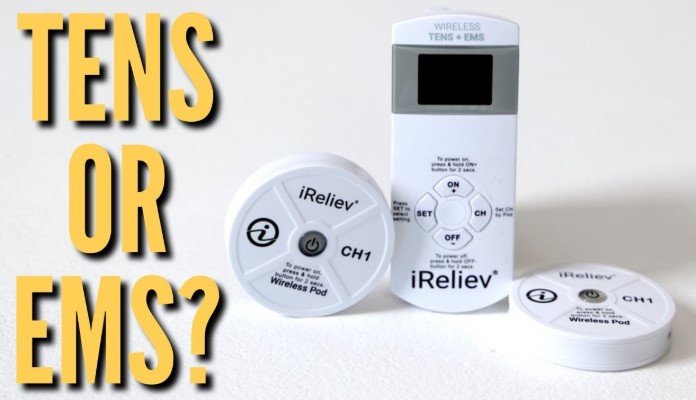
What is TENS?
TENS stands for Transcutaneous Electrical Nerve Stimulation. The device sends electrical pulses through electrodes placed on the skin. These pulses stimulate nerves, helping the brain block pain signals.
Key effects of TENS:
-
Reduces pain by triggering endorphin release
-
Slightly relaxes muscles
-
Improves local blood circulation
TENS is excellent for pain control but does not create significant muscle contractions.
What is EMS?
EMS stands for Electrical Muscle Stimulation. It uses a similar device but targets muscle fibers directly instead of nerves. EMS causes the muscles to contract in a controlled way.
Key effects of EMS:
-
Activates muscle fibers
-
Maintains muscle tone during inactivity
-
Improves circulation and muscle recovery
-
Supports coordination between nerves and muscles
How Muscles Respond to Electrical Stimulation?
Muscles grow stronger through resistance and load. During exercise, fibers tear slightly and repair, becoming thicker and stronger.
EMS can mimic low-level contractions, which:
-
Stimulate some muscle fibers
-
Maintain tone in inactive or recovering muscles
-
Help prevent atrophy after injury or surgery
TENS alone does not trigger strong contractions, so it cannot build significant muscle strength or size.
Can EMS Really Build Muscle?
EMS helps maintain muscle function, but the results are limited:
-
Strength gain: Minimal. EMS contracts muscles but cannot match voluntary lifting or resistance exercise.
-
Muscle size: Slight improvement in tone, but not true hypertrophy.
-
Endurance: EMS can improve local blood flow, supporting endurance slightly.
-
Rehabilitation: EMS is excellent for patients who cannot exercise due to injury.
Studies:
Research shows EMS activates more muscle fibers than voluntary movement at low intensity. Combining EMS with light exercises can enhance recovery and maintain strength, but EMS alone cannot replace gym workouts.
Using TENS/EMS for Muscle Support
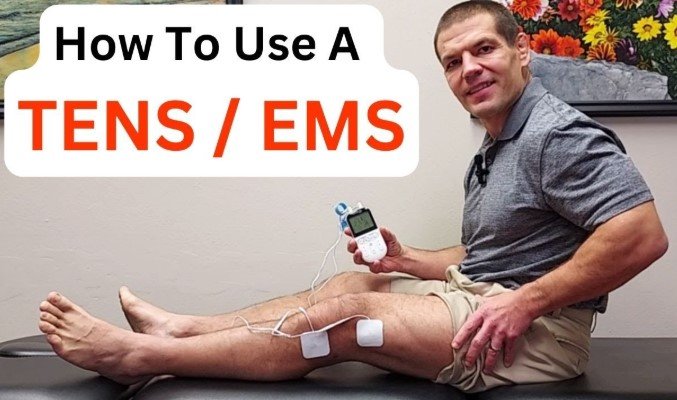
Electrode Placement
Proper placement is crucial. Place electrodes over the muscle belly, not joints or bones. Avoid sensitive areas like the chest, neck, or broken skin.
Examples:
-
Quadriceps: Electrodes above and below the middle of the thigh
-
Biceps: One electrode near shoulder, one near elbow
Session Duration and Frequency
-
Start with 10–20 minutes per session
-
Repeat 3–5 times per week
-
Adjust intensity gradually
-
Avoid overuse to prevent soreness
Safety Tips
-
Do not use if you have a pacemaker or heart condition
-
Stop if you feel sharp pain or discomfort
-
Keep skin clean and electrodes properly attached
Limitations of TENS and EMS
| Aspect | TENS | EMS | Exercise |
|---|---|---|---|
| Muscle contraction | Slight twitch | Mild contraction | Full contraction |
| Strength gain | None | Minimal | Significant |
| Muscle size | None | Slight tone | Noticeable growth |
| Blood flow | Improved | Improved | Significantly improved |
| Convenience | Easy | Easy | Time and effort required |
EMS is a support tool, not a replacement for traditional exercise. It helps maintain tone and prevents atrophy, but real strength and muscle size require progressive resistance training.
Practical Tips for Muscle Maintenance
-
Combine EMS with light movement if possible
-
Use EMS during rehabilitation to prevent muscle loss
-
Focus on nutrition and protein intake for muscle recovery
-
Track progress by noticing improved muscle tone and less stiffness
Realistic Expectations
-
EMS prevents muscle shrinkage in inactive muscles
-
EMS improves circulation and recovery
-
TENS only reduces pain, it does not strengthen muscles
-
Combining EMS with physical therapy or gym workouts gives best results
FAQs
1. Can TENS units strengthen muscles?
No. TENS focuses on pain relief. EMS can stimulate muscles but only mildly.
2. How often should I use EMS for muscle maintenance?
10–20 minutes per muscle group, 3–5 times per week.
3. Can EMS replace strength training?
No. EMS supports muscle tone but cannot replace exercise for real strength or size gains.
4. Is EMS safe for everyone?
Mostly safe for healthy adults. Avoid if you have a pacemaker or serious heart issues.
5. What is the difference between TENS and EMS?
TENS targets nerves for pain relief. EMS targets muscles for contraction and tone.
Conclusion
TENS units provide effective pain relief and support recovery. EMS can maintain muscle tone, improve blood flow, and help prevent atrophy after injury.
True muscle strength and size require exercise, proper nutrition, and active movement. Using TENS or EMS is a helpful addition to recovery or rehabilitation, but it cannot replace real workouts.