
Do You Need Carbs to Build Muscle? Here’s The Truth
Carbs often spark debate in the fitness world, especially for those trying to build muscle. Some athletes swear by high-carb diets, while others push low-carb approaches. The truth is that carbohydrates play a bigger role in muscle growth than most people realize.
They fuel intense workouts, support recovery, and help the body use protein more effectively. Muscles rely on stored glycogen, which comes from carbs, to power through heavy lifts and high-rep training sessions.
Without enough glycogen, performance drops, and workouts feel harder than they should. Protein gets most of the attention in muscle building, but carbs create the energy foundation that allows protein to do its job.
They also reduce muscle breakdown and speed up repair after tough training. Understanding the connection between carbs, energy, and recovery makes it easier to design a diet that truly supports strength and size goals.
Do You Need Carbs to Build Muscle?
Muscle growth is more than lifting heavy weights. Nutrition plays an equally important role. Carbohydrates often get a bad reputation, but they are essential for energy and recovery.
Many people wonder if they can build muscle without carbs. The truth is more complex. This article explains how carbs affect muscle growth, the best types of carbs, timing, and how much you need for optimal results.
What Are Carbs?
Carbohydrates are one of the three main nutrients, alongside protein and fat. The body converts carbs into glucose, which is the main fuel for muscles and the brain. Muscles store glucose as glycogen, which provides energy during exercise.
Types of Carbs
-
Simple Carbs
-
Found in sugar, candy, white bread, and soft drinks.
-
Provide fast energy but can spike blood sugar and insulin levels.
-
Not ideal for sustained energy during workouts.
-
-
Complex Carbs
-
Found in oats, brown rice, sweet potatoes, whole grains, and legumes.
-
Digest slowly and provide steady energy.
-
Help maintain stamina for long or intense workouts.
-
Carbs are not just fuel. They also influence recovery, hormone regulation, and nutrient delivery to muscles.
How Carbs Help Build Muscle?
1. Provide Energy for Workouts
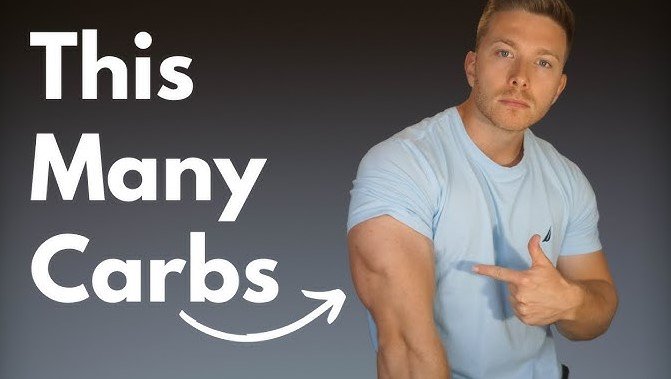
High-intensity exercises like weightlifting or sprinting require quick and sustained energy. Carbs act as the main fuel. Without enough carbs, muscles fatigue faster, reducing training performance and strength.
2. Protect Protein for Muscle Growth
Protein is essential for repairing and building muscle. If the body lacks carbs, it may break down protein for energy. Adequate carb intake allows protein to focus solely on muscle repair and growth.
3. Support Hormone Function
Insulin is a hormone that helps move glucose and amino acids into muscle cells. Eating carbs triggers insulin release, which supports muscle recovery and growth. Low-carb diets can reduce insulin spikes, slowing nutrient delivery to muscles.
4. Improve Recovery
Post-workout glycogen stores must be replenished for muscle recovery. Eating carbs after training helps muscles recover faster, reduces soreness, and prepares the body for the next session.
How Many Carbs Do You Need?
The amount of carbs depends on body weight, activity level, and training intensity. General guidelines:
-
Light exercise: 3–5 grams per kg of body weight per day.
-
Moderate exercise: 5–7 grams per kg per day.
-
High-intensity or athlete-level training: 6–10 grams per kg per day.
Example: A 70 kg person doing moderate training may need around 350 grams of carbs daily. Focus on whole foods:
-
Oats, brown rice, quinoa
-
Sweet potatoes, potatoes
-
Fruits and vegetables
-
Legumes like beans and lentils
Avoid too many processed foods or sugary snacks, as they can add calories without nutrients.
Carb Timing for Muscle Growth
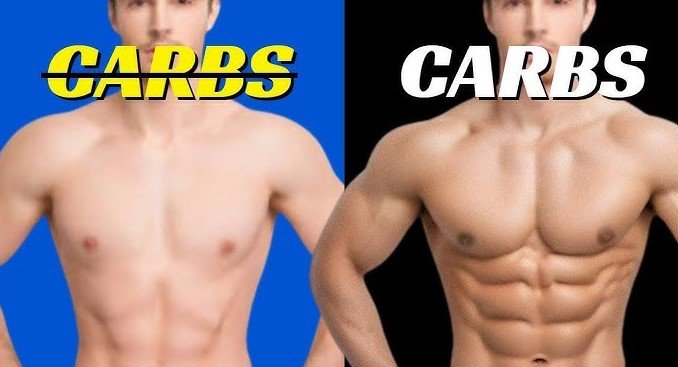
Eating carbs at the right time enhances energy and recovery.
Pre-Workout
A small meal 1–2 hours before training fuels energy. Combine carbs with protein for best results.
Examples:
-
Banana with peanut butter
-
Oatmeal with milk
-
Rice with chicken
Post-Workout
After training, carbs help replenish glycogen. Pair them with protein to repair muscles and reduce soreness.
Examples:
-
Sweet potato with grilled fish
-
Quinoa with beans and vegetables
-
Fruit smoothie with yogurt
Low-Carb Diets and Muscle Building
Low-carb diets focus on protein and fat. You can still build muscle on low-carb, but energy for workouts may drop. Recovery may be slower.
Tips for Low-Carb Muscle Gain:
-
Eat high-quality protein at each meal.
-
Include healthy fats like nuts, olive oil, and avocado.
-
Time carbs around workouts to maximize energy and recovery.
Signs You May Need More Carbs
-
Fatigue during workouts
-
Muscle cramps or weakness
-
Slow recovery
-
Difficulty gaining muscle or strength
Increasing carbs can help improve performance and muscle growth if these signs appear.
Carbs and Fat Gain
Carbs themselves do not cause fat gain. Eating more calories than the body needs leads to fat storage. Balance carb intake with activity level to support muscle without gaining excess fat.
Best Carb Sources for Muscle Building
| Carb Source | Benefits | How to Eat |
|---|---|---|
| Oats | Slow energy release | Breakfast with milk or yogurt |
| Brown rice | High in fiber, steady energy | With chicken or vegetables |
| Quinoa | Protein + carbs | Salad or cooked with vegetables |
| Sweet potatoes | Vitamin-rich, slow energy | Baked, boiled, or in mash |
| Fruits | Natural sugar + vitamins | Snack or smoothie |
| Legumes (beans) | Protein + fiber | Soup, salad, or side dish |
FAQs
1. Can I build muscle without carbs?
Yes, but it is harder. Protein and fat can fuel energy, but workouts may feel more difficult. Recovery may take longer.
2. Are all carbs bad?
No. Whole carbs like oats, rice, and potatoes provide energy and nutrients. Limit sugary and processed foods.
3. How do carbs affect fat gain?
Excess calories, not carbs, cause fat gain. Eating the right amount for your activity prevents unwanted weight gain.
4. Should I eat carbs at night?
Nighttime carbs are fine if total daily intake matches your energy needs. Timing matters less than overall intake.
5. What is the best carb source for muscle gain?
Complex carbs like oats, brown rice, quinoa, sweet potatoes, and fruits provide steady energy and nutrients.
Conclusion
Carbs play a crucial role in muscle building. They provide energy, protect protein, and support recovery. Proper carb intake, timing, and quality can improve performance and speed up muscle growth.
Balance carbs with protein and healthy fats for the best results. Muscle growth becomes easier, workouts feel stronger, and recovery is faster when you fuel your body correctly.