Does a Tens Unit Relax Muscles? How a TENS Unit Works?
Muscle tension can strike at the most inconvenient times, leaving discomfort that slows daily activities and workouts. TENS units, or Transcutaneous Electrical Nerve Stimulation devices, have grown in popularity as a non-invasive solution for pain relief and muscle relaxation.
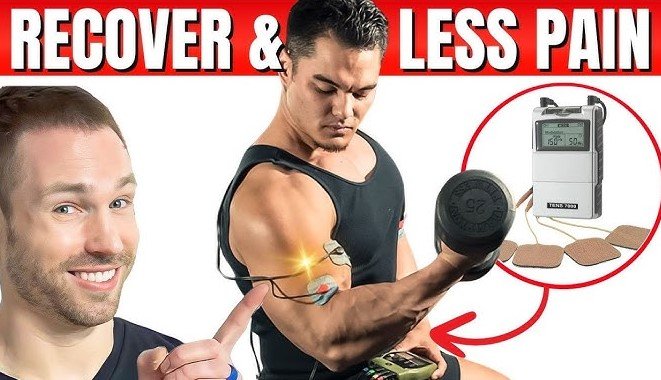
These small, portable devices deliver gentle electrical impulses through electrodes placed on the skin. The stimulation targets nerve pathways, which can help ease soreness, reduce spasms, and promote a feeling of relief in affected areas.
Users often report a soothing sensation as the muscles respond to the electrical signals, making tense muscles feel looser and more comfortable. Beyond immediate relaxation, consistent use of a TENS unit may improve circulation and support recovery after exercise or long periods of inactivity.
Understanding how these devices work offers insight into their potential benefits and helps determine whether they fit into a personal muscle-care routine.
Does a Tens Unit Relax Muscles?
Muscle pain and stiffness can happen after long work hours, exercise, or stress. Many people feel tightness in their neck, back, or legs.
A TENS unit, which stands for Transcutaneous Electrical Nerve Stimulation, can help with pain relief.
People also wonder if it can relax muscles and make them feel loose. This article explains how a TENS unit works, how it affects muscles, and tips for safe and effective use.
How a TENS Unit Works?
A TENS unit sends mild electrical pulses through the skin using adhesive pads called electrodes. These pulses reach the nerves and muscles. The signals do two main things:
-
Block pain signals: They stop some pain signals from reaching the brain.
-
Release endorphins: These are natural chemicals in the body that reduce pain.
The electrical pulses also make muscles contract slightly and then relax. This repeated action can reduce stiffness and help muscles feel softer.
Types of TENS Stimulation
TENS units usually have different settings:
-
Low-frequency stimulation: Causes gentle muscle contraction and helps with long-term pain relief.
-
High-frequency stimulation: Feels like tingling without strong contraction. It mainly blocks pain quickly.
-
Burst mode: Combines low and high frequencies to improve both relaxation and pain control.
How a TENS Unit Helps Muscle Relaxation?
A TENS unit can relax muscles in several ways:
1. Reduces Muscle Tension
Tight muscles often occur after exercise or stress. Electrical pulses from a TENS unit make muscles contract and release repeatedly. This loosens muscle fibers and reduces stiffness.
2. Improves Blood Flow
Better blood flow brings oxygen and nutrients to muscles. TENS stimulation increases circulation in the targeted area. Improved circulation can reduce soreness and speed up recovery.
3. Eases Pain and Spasms
Muscle pain can cause muscles to tighten more. Using a TENS unit reduces pain, which allows muscles to relax naturally. It can also help with minor spasms or cramps by calming overactive muscle fibers.
4. Promotes Relaxation of the Nervous System
Electrical stimulation can calm overactive nerves in sore muscles. This effect helps the muscles feel softer and more comfortable after the session.
Using a TENS Unit Safely for Muscle Relaxation
Step 1: Electrode Placement
Place electrodes on or near the sore muscles. Avoid broken skin, sensitive areas, or the heart region. Use the diagram in your TENS unit guide.
Step 2: Set the Right Intensity
Start with low intensity. Increase slowly until you feel tingling or mild muscle contraction. Do not make it painful.
Step 3: Choose the Right Mode
Use a mode designed for relaxation or muscle stimulation. High-frequency modes reduce pain quickly. Low-frequency modes work for longer-lasting muscle relaxation.
Step 4: Session Duration
Most sessions last 15–30 minutes. Do not use continuously for long hours. Short, regular sessions give better results than long sessions.
Step 5: Combine with Other Muscle Care
-
Stretch sore muscles before and after using TENS.
-
Massage or foam rolling can improve results.
-
Drink water to help muscles recover faster.
Extra Tips
-
Avoid TENS on the heart, neck, or head.
-
People with pacemakers or heart problems should consult a doctor first.
-
Pregnant women should avoid TENS on the abdomen or lower back.
-
Watch for skin irritation under electrodes. Stop if irritation occurs.
-
Consistency matters. Use TENS units regularly for better relaxation.
FAQs
Q1: Can a TENS unit replace exercise?
No. Exercise strengthens muscles and improves flexibility. TENS only helps relax muscles and reduce pain temporarily.
Q2: How often should I use a TENS unit?
Use it 1–3 times a day. Each session should last 15–30 minutes.
Q3: Can children use a TENS unit?
Only under medical supervision. Children have sensitive skin and nerves.
Q4: Will TENS cure muscle cramps?
It may reduce cramps temporarily. Stretching, hydration, and proper nutrition are more effective.
Q5: Is TENS safe for everyone?
People with pacemakers, heart problems, or pregnancy should consult a doctor. Do not use on broken skin or sensitive areas.
Q6: Can TENS help after sports or exercise?
Yes. It can reduce muscle soreness and help muscles relax faster. Using TENS after stretching is most effective.
Q7: How long before I feel muscle relaxation?
Some people feel relief immediately. Others may need a few sessions for noticeable relaxation.
Conclusion
A TENS unit can help relax muscles by reducing tension, improving blood flow, easing pain, and calming overactive nerves.
It works best as part of a routine that includes stretching, massage, and hydration. Using a TENS unit safely and consistently can make muscles feel softer, looser, and less sore.