Does Cardio Build Muscle? How Cardio Interacts with Muscles?
Many people think cardio only burns fat, but that’s not the full story. The right type of cardio can actually support muscle growth and improve overall performance. Exercises like rowing, sprinting, and cycling engage major muscle groups while increasing endurance and strength.
The secret lies in balancing intensity, duration, and recovery. Short, high-intensity cardio sessions can trigger muscle adaptation similar to resistance training. Proper nutrition and strength workouts make the results even stronger.
Too much cardio, though, can slow muscle gains by breaking down tissue for energy. The key is to find a smart mix that supports both stamina and size.
Understanding how different cardio styles affect muscle fibers helps build a lean, defined body without sacrificing strength. So, cardio doesn’t just shape the heart – it can also sculpt the muscles you work so hard for.
Can Cardio Build Muscle?
Many people think cardio only burns fat. Others worry it will stop muscle growth. Cardio burns calories, yes, but it also improves blood flow, endurance, and recovery.
These factors can help muscles grow when combined with strength training. Understanding how different types of cardio affect muscles helps you design smarter workouts.
How Cardio Interacts with Muscles?
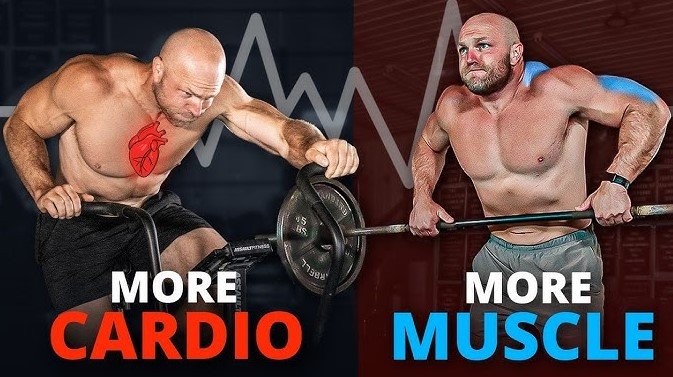
Muscle grows mainly through stress and recovery. Weight lifting creates tiny tears in muscle fibers. The body repairs them, making muscles bigger.
Cardio does not directly cause big tears like lifting, but it has other benefits.
-
Blood circulation: Cardio increases blood flow to muscles. More blood brings oxygen and nutrients. Muscles recover faster and can work harder in the next workout.
-
Hormone support: Cardio can improve hormones like testosterone and growth hormone in small amounts, which helps muscle repair.
-
Endurance: Stronger heart and lungs let you train longer with weights, indirectly helping muscle growth.
Types of Cardio and Their Effects on Muscle
Low-Intensity Steady State (LISS)
LISS includes walking, light jogging, swimming, or cycling at a steady pace.
Benefits for muscles:
-
Burns fat without stressing muscles too much.
-
Improves recovery by increasing blood flow.
-
Can be done after strength training without reducing performance.
Example:
-
30–45 minutes of brisk walking, 3–4 times per week.
High-Intensity Interval Training (HIIT)
HIIT alternates short bursts of intense effort with rest. Examples include sprints, jump rope, or cycling intervals.
Benefits for muscles:
-
Activates fast-twitch fibers used in explosive strength.
-
Can support leg and core muscle growth.
-
Burns fat while maintaining strength.
Example:
-
30 seconds sprint, 90 seconds rest, repeat 8–10 times.
Moderate Cardio
Moderate cardio includes running, swimming, or cycling at a moderate pace.
Benefits for muscles:
-
Improves heart and lung capacity.
-
Enhances endurance for weightlifting sessions.
-
Supports muscle maintenance during fat loss.
Combining Cardio with Strength Training
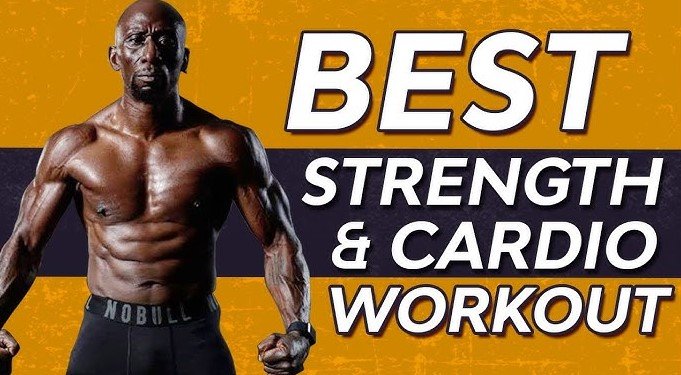
Muscle grows mainly from resistance exercises like lifting weights. Cardio helps but does not replace lifting.
How to Combine Workouts
-
Lift weights first when energy is high.
-
Do short cardio after lifting or on separate days.
-
Avoid doing very long cardio sessions on the same day as heavy lifting.
-
Focus on nutrition, especially protein, to repair muscles.
Recommended Weekly Plan
Example:
-
Monday: Weight training + 20 minutes LISS
-
Tuesday: HIIT 20 minutes
-
Wednesday: Rest or light walking
-
Thursday: Weight training + 15 minutes LISS
-
Friday: Moderate cardio 30 minutes
-
Saturday: Weight training
-
Sunday: Rest
Cardio’s Role in Different Fitness Goals
Muscle Maintenance
Short cardio sessions help keep muscles healthy without reducing size. LISS is best for this purpose.
Muscle Growth
Cardio can stimulate some fibers, especially fast-twitch muscles. Pair with heavy lifting for growth. HIIT works well for this.
Fat Loss While Preserving Muscle
Cardio helps burn extra calories. Doing it with resistance training and eating enough protein prevents muscle loss.
Nutritional Considerations
Muscles need fuel to grow. Cardio burns calories, so eating enough is important.
-
Protein: At least 1.6–2 grams per kg of body weight per day.
-
Carbohydrates: Provide energy for workouts.
-
Fats: Support hormone production.
Drinking water and resting are equally important. Muscles cannot grow without recovery.
Common Mistakes to Avoid
-
Doing long, high-intensity cardio daily without proper nutrition.
-
Skipping strength training.
-
Doing cardio before lifting heavy weights.
-
Not giving muscles enough time to rest and recover.
Signs That Cardio Is Helping Your Muscles
-
You can lift more weight without feeling tired quickly.
-
Muscles recover faster between workouts.
-
Body fat decreases while muscle size remains.
-
Energy levels improve throughout the day.
Final Thoughts
Cardio can support muscle growth indirectly. It improves endurance, blood flow, and recovery. Short HIIT sessions or moderate LISS help maintain or slightly grow muscles.
Pairing cardio with proper strength training and nutrition produces the best results. Balance is key. Too much cardio or poor diet can reduce muscle, but the right approach enhances strength and fitness.
FAQs
1. Can cardio build visible muscle?
Short HIIT can help small muscle growth, especially in legs and core. Large muscle growth requires weight training.
2. How much cardio is safe for muscle growth?
2–4 sessions per week, 20–40 minutes each, works well.
3. Can cardio cause muscle loss?
Yes, too much cardio without enough calories or protein can reduce muscle.
4. Should cardio come before or after lifting?
Lifting first is best for muscle growth. Cardio can follow or be on separate days.
5. What type of cardio builds the most muscle?
HIIT supports fast-twitch muscle fibers. Moderate LISS helps maintain endurance without harming muscle.