Does Cycling Build Muscle? The Truth Behind Pedal Power
Cycling does more than just burn calories and improve heart health. Every push of the pedal challenges your legs, core, and even upper body to some extent.
Many riders notice stronger quads, calves, and glutes after consistent training because cycling demands repetitive force that conditions these muscles over time.
Unlike heavy weightlifting, cycling focuses on endurance and lean muscle development rather than bulky growth. The resistance from hills, sprints, or increased gear levels makes your muscles adapt and grow stronger.
Pairing cycling with proper nutrition and recovery can maximize these results and help balance strength with stamina. Riders who mix cycling with strength training often see the best of both worlds: toned legs, improved performance, and overall fitness gains.
Exploring how cycling shapes muscle growth provides a clear picture for anyone who wants more than just cardio benefits from their rides.
Does Cycling Build Muscle?
Cycling is one of the most popular exercises worldwide. People ride bikes to stay fit, commute, or enjoy the outdoors. It is easy to start, good for the heart, and less stressful on the joints than running.
But an important question always comes up: does cycling build muscle? The answer is not simple. Cycling can change the body in many ways. It makes some muscles stronger, but it does not build size like heavy weightlifting.
To understand how cycling works for muscle, we need to look at the science, the muscles used, the type of cycling, and the role of food and extra workouts.
Muscles Worked During Cycling
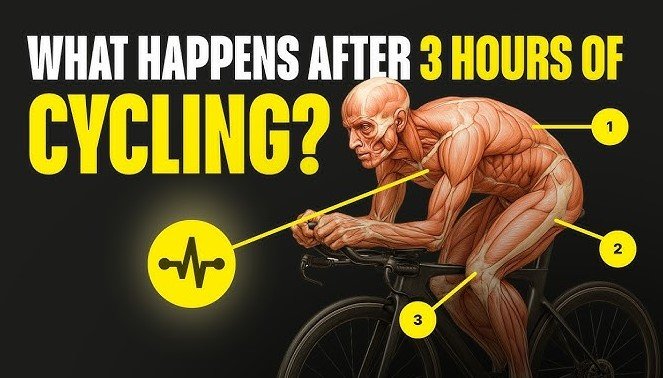
Cycling is not only a cardio workout. It is also a strength exercise for the lower body. Each pedal stroke uses many muscles:
-
Quadriceps (front thigh): push the pedal down
-
Hamstrings (back thigh): pull the pedal back
-
Glutes (buttocks): give power during downward stroke
-
Calves: stabilize and extend the ankle during pedaling
-
Core (abs and lower back): keep balance and posture on the bike
-
Arms and shoulders: support the body, especially during climbs
This means cycling trains the entire lower half of the body with every ride. Over time, the legs become stronger, more toned, and better at endurance.
Muscle Growth vs. Muscle Tone
Not all exercise makes muscles bigger. Some forms build size, others build stamina.
-
Muscle growth (hypertrophy): happens when muscles are loaded with heavy resistance, as in weightlifting
-
Muscle endurance: improves the ability to work longer without getting tired
-
Muscle tone: gives a defined look but not large size
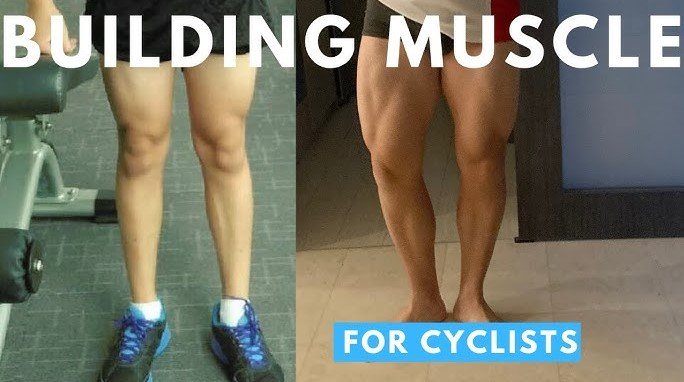
Cycling mostly helps with muscle tone and endurance. Big size increase is rare unless combined with strength training and special diet.
Types of Cycling and Their Effects
Road Cycling
Long-distance rides at steady pace improve endurance. Muscles adapt to last for hours, but growth in size is small.
Hill Cycling
Climbing requires more force with each pedal stroke. This type builds stronger quads, hamstrings, and glutes. It is similar to bodyweight squats done many times.
Sprint Cycling
Short bursts of speed increase power and activate fast-twitch muscle fibers. Sprinters on bikes often have more muscular legs compared to long-distance riders.
Indoor Cycling
Stationary bikes allow control over resistance. Turning up the resistance simulates climbing hills and helps with strength building.
Factors That Influence Muscle Building
Intensity of Training
The harder the ride, the more stress on the muscles. Low-resistance rides mostly improve stamina, while high-resistance rides help with strength.
Frequency of Training
Riding once a week is not enough to see major changes. A plan of three to five sessions per week brings better muscle tone and strength.
Duration of Sessions
Long rides burn more calories and build stamina. Shorter, high-intensity rides focus more on muscle stress and strength gains.
Nutrition
Muscles cannot grow without proper fuel. Protein helps repair and build tissue. Carbs provide energy for long rides. Healthy fats keep hormones balanced. A mix of these nutrients supports better results.
Recovery
Muscles need time to repair after stress. Rest days are important. Overtraining can stop muscle growth and even cause fatigue or injury.
Cross Training
Cycling alone will not give maximum results for size. Adding exercises such as squats, lunges, and leg presses improves both strength and appearance.
How to Use Cycling for Muscle Building?
Add Resistance
Increase resistance on indoor bikes or use harder gears on the road. This creates more force with each pedal stroke.
Include Hills
Riding uphill challenges the quads and glutes. Downhill rides give less work, but climbing builds strength.
Try Interval Training
Alternate between sprinting and steady pace. This method stresses muscles and improves both power and endurance.
Combine with Strength Workouts
Do gym exercises twice a week along with cycling. Focus on squats, lunges, and deadlifts to boost muscle growth.
Support with Good Diet
Eat enough protein for repair, carbs for fuel, and water for hydration. Without food balance, muscles cannot grow.
Benefits Beyond Muscle Building
Cycling does more than shape the legs. It also gives many health benefits:
-
Improves heart and lung health
-
Burns calories and helps control weight
-
Reduces stress and improves mood
-
Increases joint mobility
-
Builds overall stamina
These benefits make cycling a complete workout for body and mind.
Common Myths About Cycling and Muscles
Myth 1: Cycling makes legs bulky
Truth: cycling tones legs but does not create large muscles unless combined with heavy strength training.
Myth 2: Cycling only works legs
Truth: the core and arms also work to balance and stabilize the body.
Myth 3: More miles mean more muscle
Truth: very long rides train endurance, not muscle size. For strength, resistance and intensity are more important than distance.
Tips for Beginners Who Want Muscle Results
-
Start with three rides per week
-
Add one hill ride or resistance ride each week
-
Mix cycling with two short strength workouts
-
Sleep at least 7–8 hours for recovery
-
Eat balanced meals with protein in every serving
FAQs
Does cycling make legs bigger?
Cycling makes legs stronger and more toned. Bigger size usually needs weight training and a calorie surplus.
Can cycling replace leg day at the gym?
Cycling builds endurance and tone. It does not fully replace gym exercises for power and size.
Does cycling work the upper body?
The arms, shoulders, and core support balance. But muscle growth in the upper body is limited.
How long before results show?
With regular rides and good food, visible changes may show in two to three months.
Is indoor cycling effective for muscle?
Yes. High resistance settings can build strong quads, hamstrings, and glutes.
Conclusion
Cycling builds strong, toned legs and improves endurance. It does not create large muscle size like heavy lifting, but it develops lean muscle, stamina, and overall fitness.
For more growth, cyclists can add hills, resistance, sprints, and weight training. With the right mix of cycling, gym exercises, and healthy nutrition, the body becomes stronger, healthier, and more balanced.