Does Pilates Build Muscle? The Truth Behind Strength & Toning
Pilates has gained massive popularity for its ability to sculpt the body, improve posture, and increase flexibility. Many people wonder if this low-impact workout can actually build muscle or if it only focuses on stretching and balance.
The answer lies in how Pilates challenges the body. Each movement relies on controlled resistance, body weight, and precise form to target deep muscle groups that often go unused in traditional workouts.
By engaging the core, stabilizing muscles, and small supportive muscles, Pilates strengthens the body in a unique way. Unlike heavy weightlifting, it builds lean muscle definition rather than bulky size.
Over time, consistent practice develops strength, endurance, and improved muscle tone. Pilates also enhances mind-body connection, which boosts performance in other physical activities.
For anyone seeking strength without heavy lifting, Pilates offers a balanced approach that combines muscle conditioning with flexibility and control.
Does Pilates Build Muscle?
Pilates has become one of the most popular fitness practices around the world. It is known for improving flexibility, posture, and core strength.
But many people wonder, does Pilates build muscle the same way as lifting weights? The answer is yes, Pilates can build muscle, but the process and results are different from traditional strength training.
Pilates creates lean, toned muscles through controlled movements, resistance, and balance. Instead of focusing on lifting heavy loads, it emphasizes slow and precise motions that engage deep muscles. This makes it unique and effective in its own way.
How Pilates Builds Muscle?
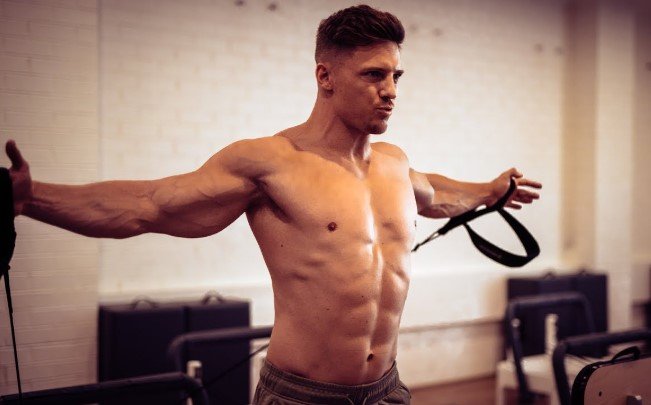
Muscle growth happens when the fibers inside a muscle face resistance. With repeated effort, the fibers repair and grow stronger. Pilates provides this resistance in several ways:
-
Body Weight: Many Pilates exercises use your own body as resistance. For example, planks, roll-ups, and leg lifts all engage multiple muscles.
-
Resistance Bands: Bands create extra tension, which forces muscles to work harder.
-
Reformer Machines: A reformer uses springs and pulleys to increase resistance, giving a strength-training effect.
Pilates also makes you hold positions for longer. Holding a plank or bridge, for example, creates muscle endurance. This constant time under tension helps build strength without heavy weights.
Pilates vs. Weight Training
Both Pilates and weightlifting build muscle, but they do so in different ways.
-
Weight Training: Focuses on heavy loads and progressive overload. It grows larger muscle fibers and creates bulk.
-
Pilates: Focuses on smaller, controlled movements. It strengthens stabilizer muscles and develops lean, toned muscles.
This is why bodybuilders grow larger muscles, while Pilates practitioners often look lean and athletic.
Quick Comparison
-
Weight Training = Big muscles, more power, faster muscle mass growth.
-
Pilates = Lean muscles, better flexibility, stronger stabilizers, less risk of injury.
Benefits of Muscle Growth Through Pilates
Pilates does more than build muscle size. It improves the quality of your strength and how you use it in daily life.
Core Strength
Pilates is famous for targeting the core. Strong abs, obliques, and lower back muscles improve balance, reduce back pain, and support every movement.
Posture and Balance
Pilates builds strength in muscles that support the spine and shoulders. This improves alignment and reduces slouching.
Flexibility with Strength
Unlike some forms of weight training, Pilates combines muscle building with stretching. The result is long, lean muscles that stay flexible.
Joint Safety
Pilates uses controlled, low-impact movements. This reduces stress on the joints and makes it safe for people with injuries or limited mobility.
Muscles Targeted in Pilates
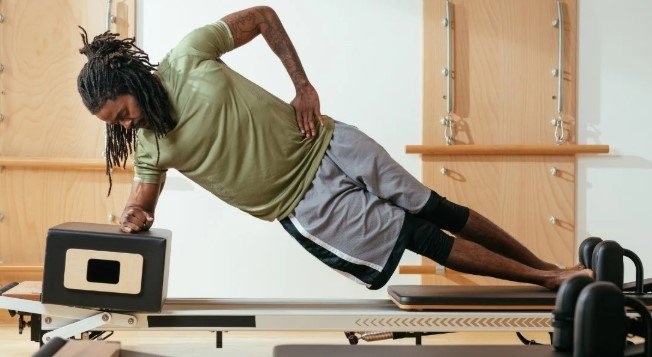
Pilates is a full-body workout. It does not just focus on one area.
Upper Body
Push-ups, arm raises, and Pilates ring exercises work the shoulders, chest, and arms. These build lean strength without bulk.
Core Muscles
Every Pilates move involves the core. Roll-ups, hundreds, and teasers target the abs, obliques, and deep stabilizers in the spine.
Lower Body
Bridges, side leg series, and reformer leg presses strengthen glutes, hamstrings, thighs, and hips. This improves stability and power in walking, running, and climbing stairs.
Who Can Benefit Most from Pilates Muscle Training?
Pilates is suitable for nearly everyone. But some groups benefit even more:
-
Beginners: Gentle entry into strength training without heavy equipment.
-
Athletes: Helps balance the body, prevent injuries, and improve flexibility.
-
Seniors: Low-impact exercise that keeps muscles and joints strong.
-
People with injuries: Safe way to build strength during recovery.
How Often to Do Pilates for Muscle Growth?
Consistency matters. For visible changes in muscle tone and strength, two to three Pilates sessions per week are recommended.
More advanced practitioners may train four to five times weekly, but rest days are important. Muscles need recovery time to grow.
Example Schedule
-
Day 1: Core and upper body focus.
-
Day 2: Rest or light walking.
-
Day 3: Lower body and flexibility focus.
-
Day 4: Rest or yoga.
-
Day 5: Full body Pilates with resistance bands.
FAQs
Does Pilates actually build muscle or just tone?
Pilates builds lean muscle while also improving muscle tone. You will not get bulky, but you will gain strength.
Is Pilates enough for strength training?
Yes, for lean strength and stability. For large muscle growth, weightlifting is needed.
How long does it take to see results from Pilates?
Most people notice more strength and muscle tone within 6 to 8 weeks of regular practice.
Can Pilates make arms and legs stronger?
Yes. Many Pilates exercises focus on arms, glutes, and legs, building lean strength across the body.
Do I need a reformer machine to build muscle with Pilates?
No. Mat Pilates also builds muscle, but reformers add extra resistance for faster results.
Conclusion
Pilates builds muscle, but in a unique way compared to heavy weightlifting. It strengthens deep stabilizer muscles, improves posture, builds core power, and creates lean, toned muscles.
While it may not give bulky size, it creates balanced strength and flexibility that helps in daily life and sports. For people who want a strong body without extra bulk, Pilates is one of the best choices.