Does Soreness Mean Muscle Growth? The Real Truth Behind the Burn
Muscle soreness often feels like proof that a workout paid off. The ache after a tough session can make anyone believe their muscles are growing stronger and bigger. That burning sensation is called DOMS (Delayed Onset Muscle Soreness), and it usually appears a day or two after exercise.
Many people take it as a sign of progress, but the truth is more complex. Soreness shows that the muscles experienced stress or micro-tears, yet it doesn’t always mean growth is happening.
Real muscle growth depends on consistent training, proper nutrition, and enough recovery time. A workout can build muscle even without soreness, while another can cause soreness without much progress.
Understanding the difference helps plan smarter workouts, avoid overtraining, and get better results in less time. Let’s explore what muscle soreness really means and how to tell if your body is truly growing stronger.
Does Soreness Mean Muscle Growth?
Feeling sore after a workout can feel like a badge of honor. Many people believe that sore muscles mean their workout was effective and that new muscle is forming.
The truth is more complex. Soreness and muscle growth are connected, but they are not the same thing.
Let’s break it down step by step so you can understand what muscle soreness really means for your fitness progress.
What Causes Muscle Soreness?
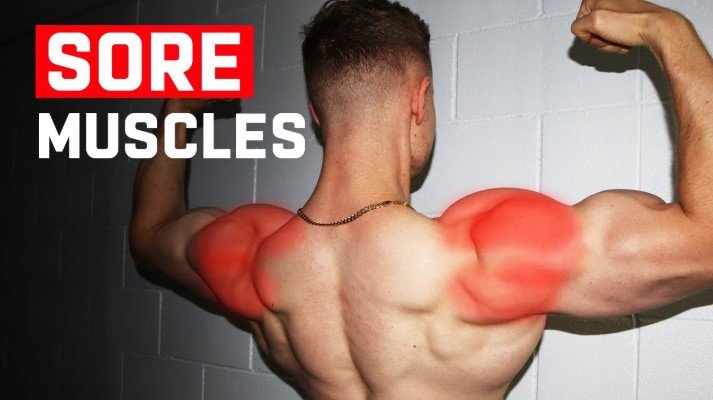
After a tough workout, your muscles may ache or feel tight. This soreness often appears a few hours later, sometimes even the next day. It’s called DOMS, short for Delayed Onset Muscle Soreness.
What Happens Inside Your Muscles?
During exercise, especially strength training, your muscle fibers experience tiny micro-tears. These tears are normal.
They occur when you push your muscles harder than they’re used to. As your body repairs these small damages, the fibers grow back thicker and stronger.
That’s why soreness often follows a hard or new workout. But not every sore muscle is growing and not every growing muscle feels sore.
Common Causes of DOMS:
-
Doing a new workout your body isn’t used to
-
Lifting heavier weights than usual
-
Doing extra sets or reps
-
Using slow, controlled movements (like slowly lowering a dumbbell)
-
Skipping warm-ups or cool-downs
-
Poor hydration or lack of rest
Each of these can trigger soreness, but they don’t always mean more muscle growth. Sometimes, they just mean your body is adapting to something new.
The Real Link Between Soreness and Muscle Growth
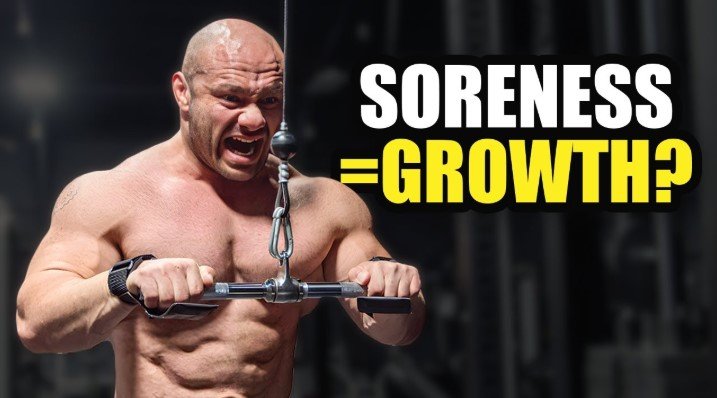
Soreness is a sign of muscle stress, not direct proof of growth. It shows that your muscles worked harder than before, but it doesn’t measure how much they grew. Real muscle growth, also called hypertrophy, happens during recovery not during soreness.
Let’s make this clear:
-
Soreness = Muscle damage or stress
-
Growth = Muscle repair and rebuilding
So, you might feel sore without gaining much muscle. Or you could gain muscle without feeling sore at all.
Why Soreness Isn’t a Reliable Sign
-
As your body adapts, you may feel less sore even if you’re still growing.
-
Some people naturally feel soreness more than others.
-
Soreness can increase if you train too hard or don’t recover properly which actually slows down growth.
The goal should be progress, not pain.
What Actually Builds Muscle?
Feeling sore is not the goal. The goal is muscle growth. And that comes from a mix of training, nutrition, and rest.
1. Progressive Overload
Muscles grow when you challenge them gradually over time. This means increasing the weight, reps, or intensity little by little. For example, if you can do 10 push-ups today, aim for 12 next week. Small progress signals your muscles to grow stronger.
2. Balanced Nutrition
Your muscles need the right nutrients to repair and grow. Protein plays a key role.
Eat foods like:
-
Eggs
-
Fish
-
Chicken
-
Beans
-
Greek yogurt
Carbohydrates give energy for workouts, and healthy fats help hormones that support muscle repair. Drink plenty of water, too dehydration slows down recovery.
3. Proper Rest and Recovery
Muscle fibers rebuild during rest, not while lifting weights. Sleep is vital for this process. Aim for 7–9 hours of sleep each night. Also, take rest days between tough workouts. Overtraining can lead to constant soreness and injury, which hurts your progress.
Signs You Are Building Muscle (Even Without Soreness)
Some people worry when they stop feeling sore. But that often means their body is adapting a good thing.
Here are true signs that your workouts are building muscle:
-
You can lift heavier weights than before.
-
Your body looks firmer or more toned.
-
You recover faster after workouts.
-
Your strength and stamina increase.
-
You feel more energetic and confident.
If these changes are happening, you’re growing even without the soreness.
How to Manage and Reduce Muscle Soreness?
Soreness is normal, but it shouldn’t control your training schedule. Mild soreness is fine, but deep pain means you pushed too far.
Ways to Ease Muscle Soreness
-
Warm up properly – Light cardio and stretching before workouts prepare your muscles.
-
Cool down afterward – Gentle movement helps blood flow and recovery.
-
Stay active – Light walking or stretching helps ease stiffness better than total rest.
-
Use heat or cold therapy – A warm bath or a cold pack can soothe sore muscles.
-
Massage or foam rolling – Helps relax tight areas and improve circulation.
-
Eat enough protein – Repair happens faster with proper fuel.
-
Get enough sleep – Rest lets your muscles heal and grow.
These habits reduce soreness and help your muscles recover stronger.
Can You Work Out While Sore?
It depends on how sore you feel. Mild soreness is fine just train different muscles. For example, if your legs hurt from squats, work your arms or shoulders next time.
But if the soreness is deep or painful, rest or do light activity until it fades. Forcing your body through pain can cause injury or delay recovery.
Myths About Muscle Soreness
Myth 1: No soreness means no growth
False. Muscles can grow even without soreness. Consistent training and proper recovery matter more.
Myth 2: More soreness means more muscle gain
Not true. Too much soreness can mean muscle strain, not muscle gain. It can even hurt your progress.
Myth 3: Stretching before workouts stops soreness
Stretching improves flexibility but doesn’t prevent DOMS. Warm-ups and cool-downs help more.
Myth 4: Pain equals progress
Pain is not progress. Growth happens through steady effort, not discomfort.
FAQs About Soreness and Muscle Growth
1. Why do muscles feel sore after working out?
Tiny tears form in your muscle fibers during exercise. The repair of these tears causes soreness.
2. Does soreness mean I had a good workout?
Not always. You can have an effective workout without feeling sore. Focus on gradual improvement.
3. Can I still train while sore?
Yes, but train a different muscle group or keep it light. Rest the sore area until it feels better.
4. How long should soreness last?
Most soreness lasts 1–3 days. If it lasts longer, you might need more rest, food, or hydration.
5. What helps muscles recover faster?
Protein-rich meals, proper hydration, light movement, and good sleep all speed recovery.
Conclusion
Soreness means your muscles worked hard, but it doesn’t always mean they are growing. Muscle growth depends on training consistency, proper nutrition, and enough rest.
Feeling sore is normal, but chasing soreness isn’t the goal. The real progress comes from small, steady improvements and listening to your body.
Stay consistent, eat well, rest well and your muscles will thank you with real, lasting strength.