

10 Inspiring Home Fitness Room Ideas for Every Space
A dedicated fitness space at home brings convenience, motivation, and a sense of achievement. Small apartments, spacious basements, or spare rooms can become energizing workout zones with the right approach.
Combining functionality with style ensures that every session feels inviting rather than a chore. Equipment, storage solutions, and decor play essential roles in making the room practical and motivating. Mirrors, lighting, and floor materials contribute to a professional feel while maintaining comfort.
Even minimal spaces benefit from clever organization and multi-purpose tools. Personalized touches, like wall art or a favorite playlist setup, create a space that reflects individual goals and tastes.
Planning the layout around daily routines enhances efficiency, while attention to ventilation and safety ensures long-term usability. From compact setups to fully equipped gyms, these ten home fitness room ideas show how any space can support health, energy, and consistency.
10 Home Fitness Room Ideas
A home fitness room can make workouts more convenient and enjoyable. It helps build a healthy routine without the stress of driving to a gym. A well-designed workout space can fit any home, large or small.
The goal is to make exercise feel easy, fun, and part of your daily life. Here are ten home fitness room ideas that balance comfort, motivation, and function.
1. Designate a Specific Workout Zone
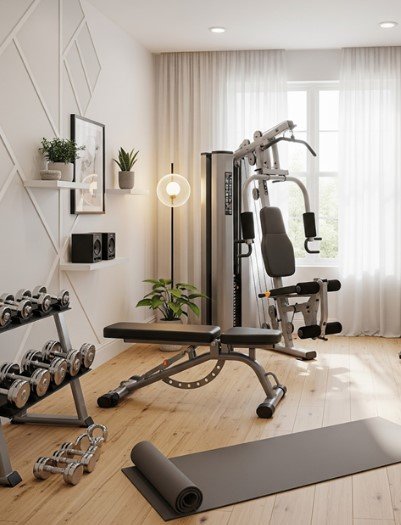
Every fitness room starts with a clear purpose. A dedicated zone keeps focus strong and distractions low. Pick a spot that feels open and bright. A corner of the living room, basement, or spare bedroom works well.
Use mats or rugs to define the area. This visual border helps the mind shift into workout mode. Keep only fitness-related gear in this space. A yoga mat, dumbbells, and resistance bands are good starting points. A clutter-free area gives energy and motivation.
Add good lighting. Natural light feels best, but bright LED lights work too. The goal is a space that feels active and awake, even early in the morning.
2. Add Mirrors for Better Form
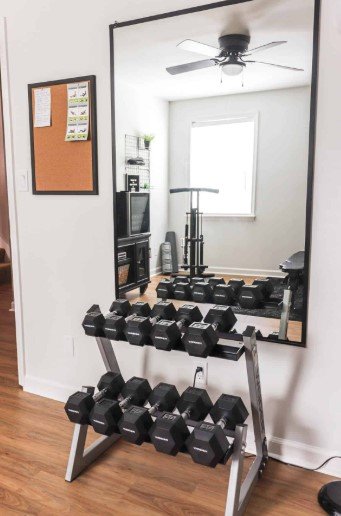
Mirrors do more than make a room look bigger. They help track posture and body alignment. Proper form prevents injuries and builds strength faster.
Install a large wall mirror or several smaller panels. A floor-to-ceiling mirror makes the space feel open and professional. For privacy, use a rolling mirror that moves easily.
Keep mirrors clean and at a height that matches your body frame. Glancing at your reflection while stretching or lifting helps you stay aware of movement. It also adds motivation, especially when progress becomes visible over time.
3. Invest in Multi-Purpose Equipment
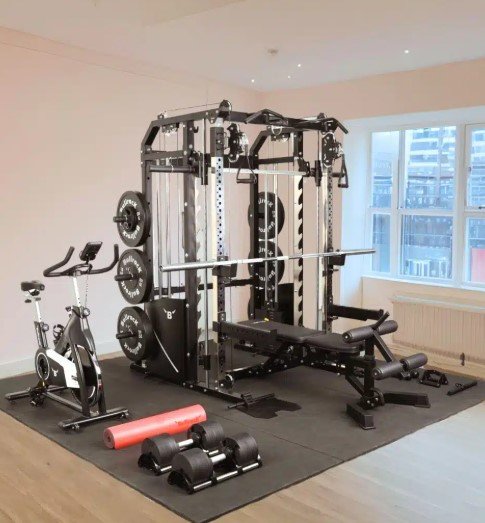
Smart equipment choices save space and money. A few versatile tools can handle many types of workouts. Adjustable dumbbells, resistance bands, and kettlebells fit almost any fitness plan.
Foldable benches or compact racks keep everything tidy. A stability ball can replace a bench for core training. Jump ropes add cardio options without needing machines.
Choose gear that matches your workout style. For example, yoga mats and blocks fit calm routines. Weight plates and bars suit strength goals. Functional pieces encourage regular use and easy storage.
4. Use Storage to Stay Organized
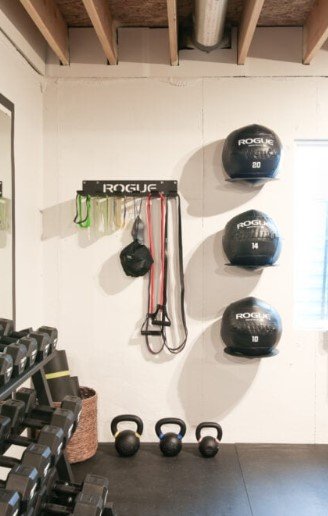
A messy room kills motivation. Organized spaces invite consistency. Wall shelves, baskets, or small cabinets work well for storing gear. Pegboards are great for hanging jump ropes and resistance bands.
Label bins by workout type: yoga gear, weights, or accessories. This makes setup quick and easy. Store heavier items at the bottom for safety.
Add a small laundry basket for towels or used clothes. A clean and neat space gives a sense of calm. It also saves time before and after workouts.
5. Choose Flooring That Protects and Supports
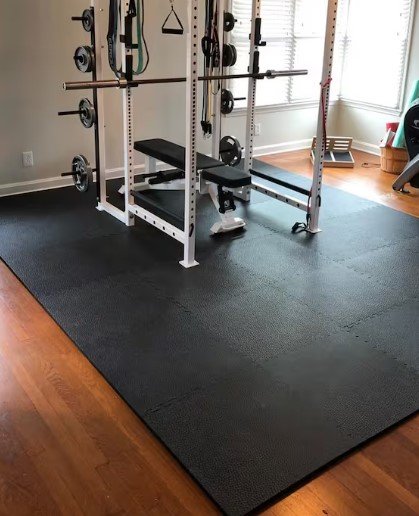
Flooring makes a big difference in comfort and safety. Hard floors can strain joints and damage equipment. Rubber mats or foam tiles give good grip and cushion.
They also protect the floor from dropped weights. Interlocking tiles are simple to install and move. Wood-like vinyl floors give a clean look but need mats on top for heavy training.
Avoid carpets. They hold dust and reduce stability. A firm, slightly soft surface improves performance and reduces injuries.
6. Include a Motivation Wall

Motivation keeps workouts consistent. A motivation wall builds energy before every session. Use it for quotes, photos, or personal goals.
Hang a whiteboard or corkboard. Write weekly targets or note improvements. Display small wins like longer runs or more reps. Seeing progress in front of you boosts confidence.
Color also matters. Warm tones like orange or red inspire action. Calm tones like blue or green work for yoga or stretching areas. The wall becomes a daily reminder of effort and growth.
7. Add a Sound System or Music Corner
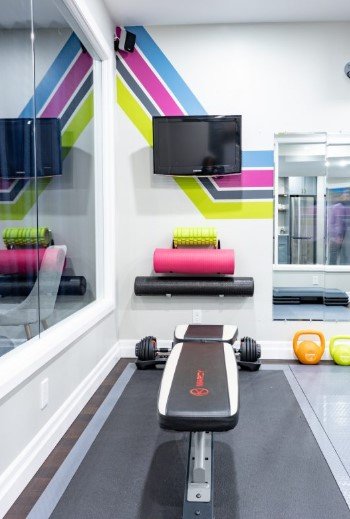
Music brings rhythm and focus. It sets the mood for movement. A small speaker or soundbar is enough for most home gyms.
Keep a playlist for different moods high energy for cardio, soft beats for yoga, steady tempo for strength sessions. Music keeps the body moving even when motivation feels low.
Wireless headphones help in shared spaces. They keep noise private and let others in the home relax. The goal is to make the environment feel motivating and personal.
8. Bring in Nature Elements
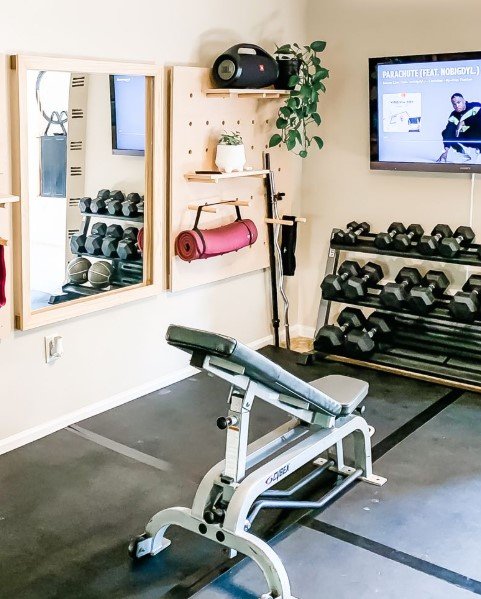
Nature adds calm and freshness. A plant or two brightens the space and improves air quality. Greenery connects the body and mind, helping stress fade during workouts.
Choose easy-care plants like snake plants or pothos. They thrive in many light levels and need little attention.
If there’s a window, let sunlight in. Natural air and light make workouts feel refreshing. A nature-inspired poster or mural can also give that outdoor vibe inside.
9. Add a Small Recovery Zone
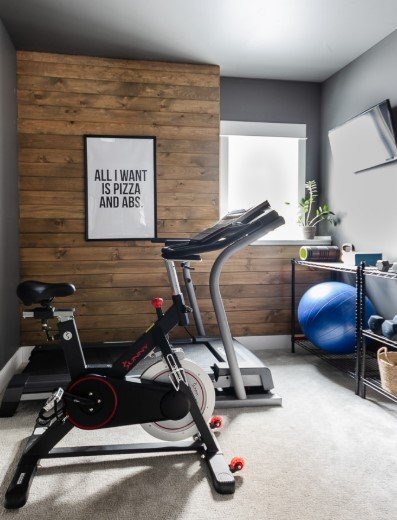
Recovery matters as much as training. A small rest area helps cool down and stretch safely. Place a comfortable mat, foam roller, and yoga blocks in one corner.
Add a chair or small bench for relaxing between sets. Keep a water bottle, towel, and maybe a small fan nearby. Recovery zones remind the body to slow down, breathe, and rest.
It’s also a good place for meditation or deep breathing after workouts. This helps the mind recharge along with the muscles.
10. Personalize the Room for Lasting Motivation
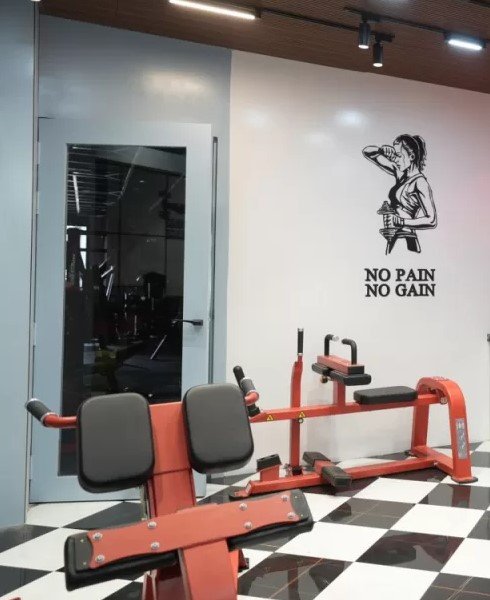
A personal touch makes the space feel like your own. Add items that inspire you a favorite quote, framed picture, or sports jersey. A personal element builds emotional connection to the room.
Keep decor simple but meaningful. A clean, uncluttered space helps focus stay sharp. Add scents like citrus or mint for freshness.
Paint the walls in colors that reflect energy and balance. White for calm, blue for focus, or yellow for warmth. Personal touches make the room feel special and encourage daily use.
Conclusion
A home fitness room doesn’t need to be large or expensive. The best setups fit your lifestyle, space, and energy. Start with what you have and grow over time. Small changes like good lighting, clear storage, or a mirror can make a huge difference.
Consistency and comfort matter more than fancy gear. A simple, inspiring room can help workouts become part of daily life. Step inside, move a little, and feel proud of the effort each day brings.