How to Build Glute Muscles? 7 Best Exercises for Glute Muscles
Strong glutes do more than shape your body they boost power, balance, and posture. Many people focus on abs or arms but forget that glutes are the foundation of total strength.
These muscles support your hips, spine, and legs, improving athletic performance and daily movement. A focused glute workout can tone your lower body and increase confidence in every stride. Squats, hip thrusts, and lunges are top moves for activating and growing glute muscles.
Nutrition and consistency play key roles too, as muscles grow through proper recovery and balanced meals. Each workout should target all three glute muscles: maximus, medius, and minimus.
Building glutes takes patience, but the results feel worth every effort. Start with simple exercises, lift progressively, and stay consistent. A strong, sculpted lower body is within reach just train smart and keep your focus on progress.
How to Build Glute Muscles?
Glute muscles are essential for overall strength, balance, and posture. They support the lower back, stabilize hips, and improve athletic performance. Well-developed glutes also enhance the body’s appearance.
Building glute muscles requires a combination of effective exercises, proper nutrition, and recovery. This guide explains everything in simple language, so beginners and non-native English speakers can follow easily.
Understanding Glute Muscles
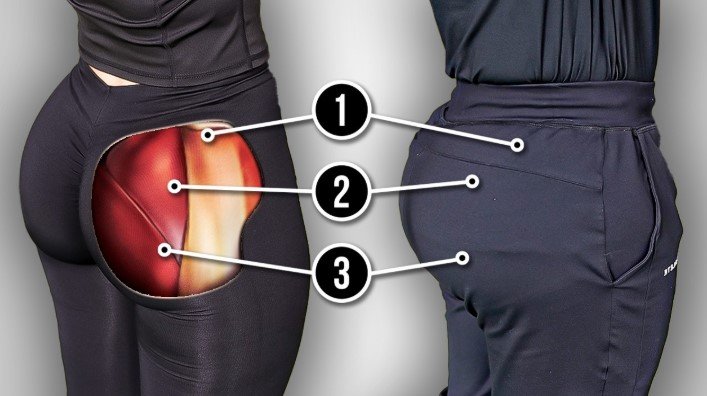
The glutes consist of three main muscles. Each plays a specific role:
-
Gluteus Maximus: The largest glute muscle. It helps extend and rotate the hip. Squats and hip thrusts target this muscle the most.
-
Gluteus Medius: Located on the outer side of the hip. It stabilizes the pelvis during walking, running, or single-leg movements. Side-lying leg lifts and lateral band walks focus on this muscle.
-
Gluteus Minimus: Lies under the gluteus medius. It assists hip rotation and stabilization. Targeting this muscle improves overall glute shape.
Building all three ensures a balanced, strong, and toned butt. Focusing only on one muscle can cause uneven hips or weaker stability.
Best Exercises for Glute Muscles
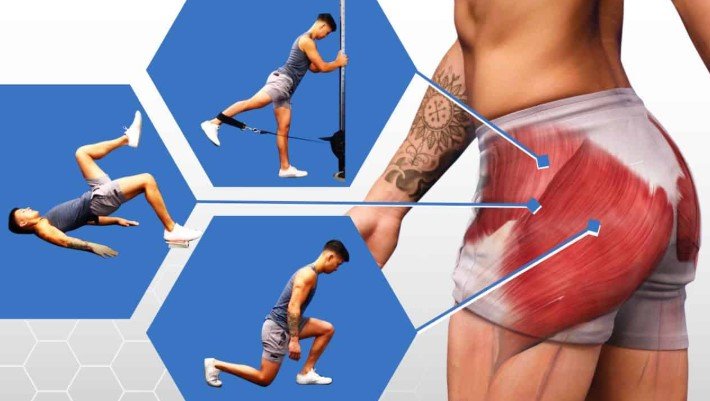
Targeting glutes requires a mix of compound and isolation exercises. Compound exercises involve multiple joints and muscles, while isolation exercises focus on the glutes specifically.
Squats: The Foundation Exercise
Squats activate the glutes, hamstrings, and quads. They are essential for glute growth.
Steps:
-
Stand with feet shoulder-width apart, toes slightly outward.
-
Engage your core and keep your chest up.
-
Push your hips back and bend knees as if sitting in a chair.
-
Lower until thighs are parallel to the floor (or slightly below if comfortable).
-
Press through your heels to return to standing.
Tips:
-
Keep weight on your heels to target glutes more.
-
Avoid letting knees collapse inward.
-
Add dumbbells or a barbell to increase intensity.
Variation: Goblet squats or sumo squats for different glute angles.
Lunges: Shape and Balance
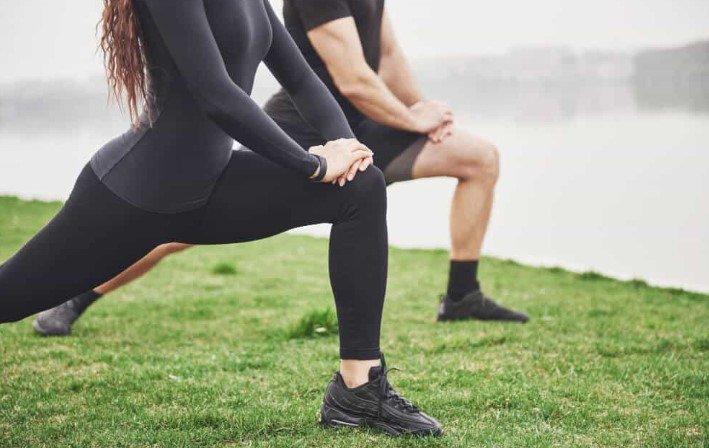
Lunges strengthen glutes and legs while improving stability.
Steps:
-
Stand upright with feet hip-width apart.
-
Step one leg forward and lower hips until both knees are at about 90 degrees.
-
Keep the front knee over the ankle.
-
Push through the front heel to return to standing.
Tips:
-
Focus on squeezing glutes as you stand.
-
Try reverse lunges for less knee strain and better glute engagement.
Variation: Walking lunges, side lunges, or Bulgarian split squats.
Hip Thrusts: Maximum Glute Activation
Hip thrusts are one of the best exercises for glutes. They isolate the gluteus maximus more than squats.
Steps:
-
Sit on the floor with upper back against a bench.
-
Place feet flat, hip-width apart.
-
Drive hips upward until shoulders to knees form a straight line.
-
Squeeze glutes at the top for 1–2 seconds.
-
Lower slowly.
Tips:
-
Use a barbell or weight plate for progression.
-
Focus on pushing through heels, not toes.
Variation: Single-leg hip thrusts for advanced focus.
Glute Bridges: Simple but Effective
Glute bridges strengthen glutes without heavy equipment.
Steps:
-
Lie on your back, knees bent, feet flat on the floor.
-
Push hips upward to form a straight line from shoulders to knees.
-
Squeeze glutes at the top for 2 seconds.
-
Lower slowly and repeat.
Tips:
-
Place a resistance band above knees to increase outer glute activation.
-
Combine with pulses at the top for extra burn.
Step-Ups: Functional Glute Strength
Step-ups strengthen glutes and improve balance.
Steps:
-
Stand in front of a bench or step.
-
Step up with one leg, pressing through the heel.
-
Bring the other leg up, then step down slowly.
Tips:
-
Keep torso upright to maximize glute engagement.
-
Add dumbbells for more resistance.
Side-Lying Leg Lifts: Glute Medius Focus
Side-lying leg lifts target the gluteus medius, improving hip stability.
Steps:
-
Lie on one side, legs stacked.
-
Lift the top leg slowly, keeping it straight.
-
Lower it without touching the bottom leg.
-
Repeat for 12–15 reps per side.
Tips:
-
Use ankle weights or resistance bands for progression.
-
Keep hips stacked to prevent rotation.
Resistance Band Walks: Outer Glute Engagement
Band walks strengthen the gluteus medius and help shape hips.
Steps:
-
Place a resistance band above knees or ankles.
-
Bend knees slightly and take small steps sideways.
-
Keep tension on the band throughout.
Tips:
-
Take 10–15 steps in each direction.
-
Maintain low squat position for better glute activation.
Tips for Faster Glute Growth
Progressive Overload
Increase weight, reps, or sets over time. Muscles grow when challenged beyond comfort.
Proper Form
Correct posture prevents injuries and ensures glutes do most of the work. Avoid leaning forward, letting knees collapse, or using momentum.
Nutrition
Muscle needs fuel. Eat protein-rich foods like eggs, chicken, tofu, or beans. Carbs provide energy for workouts. Healthy fats support hormone balance.
Rest and Recovery
Glutes grow during rest. Avoid training the same muscles on consecutive days. Sleep 7–8 hours for full recovery.
Mind-Muscle Connection
Focus on feeling glutes work during each exercise. Squeeze at the top of movements. This improves muscle activation.
Common Mistakes to Avoid
-
Relying on momentum instead of muscles.
-
Letting knees collapse inward during squats or lunges.
-
Not pushing through heels.
-
Skipping rest days.
-
Ignoring warm-up and stretching.
Sample 7-Day Glute Workout Plan
Day 1: Squats, Lunges, Hip Thrusts
Day 2: Rest or light cardio
Day 3: Step-Ups, Glute Bridges, Side-Lying Leg Lifts
Day 4: Rest
Day 5: Squats, Resistance Band Walks, Hip Thrusts
Day 6: Active recovery (stretching, yoga)
Day 7: Rest
Perform 3 sets per exercise, 10–15 reps, adjust based on level.
FAQs
1. How fast can I grow glutes?
Visible changes appear in 6–12 weeks with consistent workouts and good diet.
2. Can glutes grow with bodyweight only?
Yes, but weights speed up progress. Resistance bands can help at home.
3. How many times a week should I train glutes?
2–3 focused workouts per week work best. Give muscles time to recover.
4. Do squats make thighs bigger?
Squats engage quads, hamstrings, and glutes. With proper nutrition, glutes grow more than thighs.
5. Is cardio bad for glute growth?
No, moderate cardio helps reduce fat and reveal muscle definition. Avoid excessive cardio to prevent calorie deficits.
Conclusion
Strong glutes improve posture, stability, strength, and shape. A combination of squats, lunges, hip thrusts, and glute-specific exercises ensures balanced growth.
Proper form, progressive overload, good nutrition, and rest are essential. Patience and consistency lead to visible and lasting results.