How to Increase Speed of Fast Twitch Muscles?
Fast twitch muscles are the secret behind explosive movements sprinting, jumping, and powerful lifts all depend on them. Many athletes and fitness lovers aim to boost their muscle speed to gain an edge in performance and agility.
The process demands a smart mix of strength training, sprint drills, and proper recovery routines. Each workout should target short bursts of high intensity to activate these quick-response fibers effectively.
Nutrition and rest also play vital roles, helping muscles rebuild stronger and faster after every session. Progress shows up in faster starts, sharper reactions, and greater power output.
With consistent effort and the right training approach, the body learns to move quicker and strike harder. The goal isn’t just strength it’s speed, precision, and total control over muscle performance.
How to Increase Speed of Fast Twitch Muscles?
Fast twitch muscles generate short bursts of power and speed. Sprinters, football players, weightlifters, and many athletes rely on these fibers for performance.
Developing them improves sprint speed, jump height, and overall explosive strength. Fast twitch muscles fatigue quickly, so training must focus on intensity, speed, and recovery. This article explains how to train, fuel, and recover these muscles effectively.
What Are Fast Twitch Muscles?
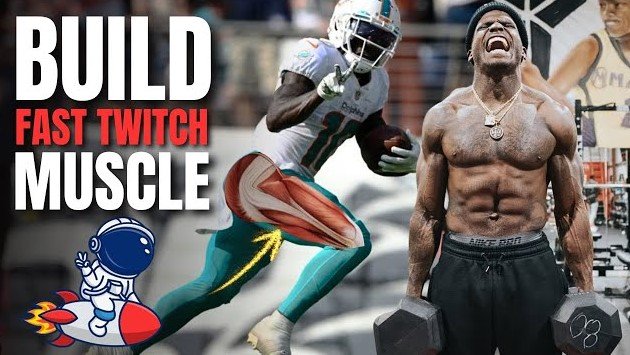
Muscles contain two main types of fibers:
Slow twitch fibers (Type I):
-
-
Work slowly but resist fatigue.
-
Support endurance activities like jogging, cycling, or long-distance swimming.
-
Fast twitch fibers (Type II):
- Work quickly and powerfully but tire fast.
- Ideal for sprinting, jumping, and explosive lifts.
- Subtypes:
-
Type IIa: Fast and somewhat resistant to fatigue.
-
Type IIb: Fastest and most powerful, but fatigue very quickly.
-
Training fast twitch fibers requires exercises that demand short, maximal effort. Proper targeting of these fibers improves speed, reaction time, and explosive strength.
Key Principles to Train Fast Twitch Muscles
1. High Intensity Over Volume
Focus on short bursts of maximum effort rather than long repetitions. Muscles respond better to high intensity than to long-duration, low-intensity training.
2. Explosive Movements
Exercises that force muscles to contract quickly trigger fast twitch fibers. This includes jumping, sprinting, or lifting weights rapidly.
3. Adequate Rest
Fast twitch fibers need more recovery because they fatigue quickly. Overtraining slows progress and increases injury risk. Rest periods between sets and workouts are crucial.
4. Progressive Overload
Increase intensity over time. This can include:
-
More weight in lifts
-
Higher jumps
-
Faster sprints
-
Shorter rest intervals (gradually)
Exercises to Increase Speed of Fast Twitch Muscles
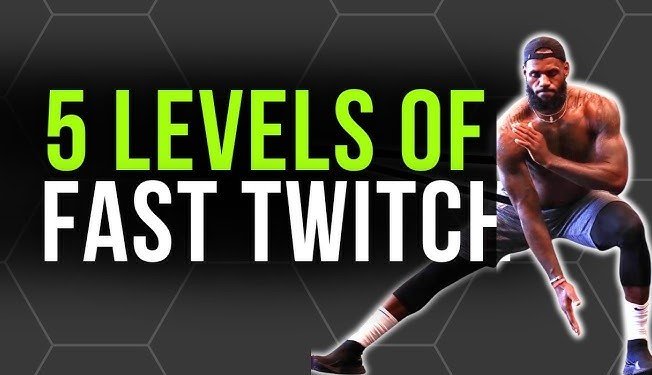
1. Sprint Training
Sprinting is one of the most effective ways to target fast twitch fibers. Tips for optimal sprint training:
-
Short sprints (20–100 meters): Focus on explosive start and maximum speed.
-
Full recovery between sprints: Rest 1–3 minutes to allow muscles to reset.
-
Hill sprints: Running uphill increases resistance and recruits more fast twitch fibers.
Technique Tips:
-
Lean slightly forward from the ankles.
-
Drive arms aggressively.
-
Lift knees high for maximum stride power.
2. Plyometric Exercises
Plyometrics develop explosive strength and speed. They train muscles to contract quickly and efficiently.
-
Jump Squats:
-
Stand shoulder-width apart.
-
Squat down, then jump as high as possible.
-
Land softly and immediately repeat.
-
-
Box Jumps:
-
Use a sturdy platform.
-
Jump from the ground onto the box using arms for momentum.
-
Step down carefully, then repeat.
-
-
Lateral Bounds:
-
Jump sideways from one foot to the other.
-
Focus on explosive push-off and controlled landing.
-
-
Depth Jumps:
-
Step off a low box, land, and immediately jump as high as possible.
-
Trains muscles to react quickly after stretching.
-
3. Strength Training
Strength supports fast twitch muscle performance. Heavy, low-rep lifting improves power.
-
Squats: Build quads, glutes, and hip muscles.
-
Deadlifts: Strengthen hamstrings, glutes, and lower back.
-
Power Cleans: Teach rapid full-body muscle contraction.
-
Lunges with Jump: Add explosive jump at the top for added fast twitch activation.
4. Agility and Coordination Drills
Fast twitch fibers also respond to agility drills. These improve reaction time and muscle coordination.
-
Ladder Drills: Step quickly through ladder rungs in different patterns.
-
Cone Drills: Sprint, zigzag, and change direction quickly around cones.
-
Shuttle Runs: Sprint back and forth over short distances.
5. Resistance Training
Adding resistance increases muscle fiber recruitment.
-
Weighted Sled Sprints: Push or pull sleds to increase sprint strength.
-
Resistance Bands: Attach bands to legs for added tension during sprints or jumps.
-
Weighted Jump Squats: Hold light weights to increase explosive strength.
Nutrition for Fast Twitch Muscles
Fast twitch muscles need fuel for performance and growth. Proper nutrition supports recovery, strength, and speed.
Protein
-
Essential for repairing and building muscles.
-
Sources: Chicken, eggs, fish, lean beef, beans.
Carbohydrates
-
Provide energy for short, explosive bursts.
-
Sources: Rice, oats, sweet potatoes, fruits.
Healthy Fats
-
Support hormone production and energy.
-
Sources: Nuts, seeds, olive oil, avocado.
Hydration
-
Fast twitch training causes high sweat loss.
-
Drink water before, during, and after workouts.
-
Consider electrolyte drinks for longer sessions.
Recovery Strategies
Fast twitch muscles fatigue quickly and need proper recovery.
-
Sleep: 7–9 hours per night.
-
Rest Days: Allow 48 hours between intense sessions.
-
Stretching: Maintain flexibility and reduce injury risk.
-
Foam Rolling: Helps release muscle tension and improve blood flow.
-
Cold Therapy: Ice baths or cold showers reduce inflammation after high-intensity workouts.
Sample Weekly Training Plan
| Day | Focus | Exercises |
|---|---|---|
| Monday | Sprint & Agility | 6x50m sprints, ladder drills, cone drills |
| Tuesday | Strength | Squats, deadlifts, bench press (4×6 reps) |
| Wednesday | Plyometrics | Jump squats, box jumps, lateral bounds, depth jumps |
| Thursday | Recovery | Light stretching, walking, or yoga |
| Friday | Sprint & Resistance | Hill sprints, sled pushes, weighted jumps |
| Saturday | Strength & Plyometrics | Power cleans, jump squats, box jumps, lunges with jump |
| Sunday | Rest | Focus on sleep and nutrition |
FAQs
Q1: Can I train fast twitch muscles every day?
No. They need 48 hours to recover. Overtraining reduces speed and increases injury risk.
Q2: Do genetics affect fast twitch muscle growth?
Yes. Some people naturally have more fast twitch fibers. Training still improves speed and power for everyone.
Q3: Should I combine fast twitch and slow twitch training?
Yes. Endurance training helps overall fitness, but keep fast twitch sessions high intensity and short.
Q4: Can fast twitch muscles grow after 40?
Yes. Muscle growth slows with age, but consistent training improves power and reaction time.
Q5: How long before I see results?
Most people notice improvements in speed, jump height, or strength within 4–8 weeks of consistent training.
Conclusion
Fast twitch muscles are key for explosive movements, speed, and power. Sprinting, plyometrics, strength, resistance, and agility drills target these fibers effectively.
Proper nutrition and recovery support muscle growth and prevent injury. Consistent training improves performance and reaction time, making the body faster and stronger over time.