
What Muscle Groups Does Slam Ball Work? Major Muscle Groups
Slam ball exercises deliver a full-body workout that challenges strength, power, and endurance all at once. Each slam requires explosive force, engaging the core to stabilize the body and protect the spine.
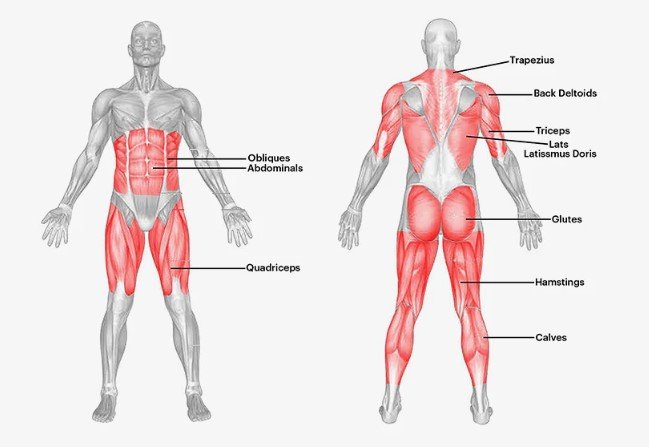
Shoulders and arms take the brunt of the motion, especially the deltoids, biceps, and triceps, as they drive the ball downward. Legs play a crucial role too, with quads, hamstrings, and glutes powering the initial lift and providing balance.
The back muscles, including the lats and traps, assist in control and posture, ensuring each slam hits with precision. Beyond strength, slam ball training boosts cardiovascular fitness and burns calories efficiently, making it a versatile tool for athletes and fitness enthusiasts alike.
Every repetition recruits multiple muscle groups simultaneously, improving coordination and functional strength. This dynamic workout proves that one piece of equipment can target almost every major muscle group, delivering results fast and effectively.
What Muscle Groups Does Slam Ball Work?
A slam ball workout looks simple: lift the ball high and slam it down hard. But this movement does far more than just burn calories. It’s a full-body exercise that strengthens your muscles, builds coordination, and boosts power from head to toe.
Every slam forces your muscles to move together from your legs that drive the motion, to your core that stabilizes, to your shoulders and arms that control the throw.
Let’s explore, in clear detail, which muscle groups a slam ball truly works and why this movement deserves a spot in your training routine.
What Is a Slam Ball?
A slam ball is a weighted rubber ball filled with sand or gel. It’s different from a medicine ball because it doesn’t bounce. The shell is thicker, which allows you to slam it on the ground with full force. The lack of bounce makes you control every movement lift, slam, squat, and recover.
That one simple change no rebound forces your body to handle the entire motion. You must pick it up again after each slam, which adds another layer of strength work for your legs, back, and core.
How a Slam Ball Exercise Works?
The slam ball movement begins from the ground up.
-
You pick the ball from the floor using your legs and hips.
-
You lift it overhead using your shoulders, back, and arms.
-
You brace your core, then slam it straight down with force.
-
You squat to pick it up again and repeat.
This pattern creates a chain reaction across your entire body. Almost every muscle contributes from your calves and thighs to your shoulders and abs.
The power starts from your legs, moves through your core, and finishes with your arms. That’s what makes the slam ball such an effective full-body exercise.
Core Muscles (Abs and Obliques)
The core is the engine of a slam ball movement. It keeps your body stable, protects your spine, and transfers power between your upper and lower body.
Main muscles used:
-
Rectus abdominis – The front part of your abs that bends your torso forward during the slam. It contracts hard when you bring the ball down.
-
Obliques – The muscles on your sides that rotate your trunk and control twisting. They play a big role in side slams or diagonal throws.
-
Transverse abdominis – The deep layer of your core that wraps around your abdomen. It works like a natural belt, tightening to keep your back safe.
-
Lower back (erector spinae) – These muscles stabilize your spine while you lift and lower the ball.
The fast, powerful motion of a slam works the core more effectively than many static exercises like crunches or planks. Your abs don’t just contract they control, stabilize, and absorb force. That builds real, usable strength.
Lower Body Muscles (Legs, Glutes, Hamstrings and Quads)
Most people think slam ball exercises are only for the upper body, but the truth is, your legs drive the whole movement. Without strong legs, you can’t generate the power to lift and slam the ball correctly.
Muscles worked:
-
Glutes – The biggest muscles in your body. They extend your hips as you stand up and lift the ball overhead. Strong glutes add power and protect your lower back.
-
Quadriceps – Located in the front of your thighs. They straighten your knees as you rise from the squat and stabilize your stance while you slam.
-
Hamstrings – These run along the back of your thighs. They control the lowering phase when you hinge at the hips to pick up the ball.
-
Calves – They help you stay balanced and push off the floor during the lifting motion.
Every time you squat down, lift up, and explode into a slam, your lower body muscles fire together. Over time, this builds strength, balance, and better coordination for daily activities like lifting or climbing stairs.
Upper Body Muscles (Shoulders, Arms, Chest and Back)
Once the power transfers from the legs and core, the upper body finishes the job. It raises the ball overhead and drives it downward with force.
Muscles worked:
-
Shoulders (Deltoids) – These handle most of the lifting phase. The front delts engage to raise the ball, while the rear delts stabilize during the slam.
-
Triceps – These muscles extend your arms at the elbow as you throw the ball down. They also help control the release.
-
Chest (Pectorals) – The chest muscles help push the ball away from the body, especially in forward slams or chest passes.
-
Lats (Latissimus Dorsi) – These large back muscles help pull the arms down quickly during the slam, adding power and speed.
-
Upper Back and Traps – These stabilize your shoulders and spine while controlling the heavy movement of the ball.
The combination of pulling, pushing, and stabilizing makes the slam ball excellent for both strength and endurance in the upper body.
Stabilizer Muscles and Coordination
Every slam ball movement recruits small stabilizer muscles throughout your body. These include:
-
Deep core stabilizers around your spine.
-
Shoulder stabilizers that keep your joints aligned.
-
Hip stabilizers that control balance during squats and rotation.
These smaller muscles don’t move the ball directly, but they keep your joints steady and aligned. This improves coordination, balance, and control things that translate to all kinds of sports and everyday movement.
Muscles Worked by Different Slam Ball Variations
Different ways of using a slam ball target slightly different muscle groups. Changing the direction or stance shifts which areas work hardest.
1. Overhead Slam
This is the classic version. You lift the ball overhead and slam it straight down in front of you.
-
Primary muscles: shoulders, triceps, lats, core, glutes.
-
Benefit: builds total power and strengthens the full chain of muscles from legs to arms.
2. Rotational Slam
You twist your torso to one side and slam the ball to that side.
-
Primary muscles: obliques, hips, legs, and shoulders.
-
Benefit: develops rotational strength useful for sports like tennis, baseball, or golf.
3. Side Slam
You swing the ball across your body and hit the ground beside you.
-
Primary muscles: obliques, lats, glutes, and arms.
-
Benefit: improves coordination and cross-body strength.
4. Lunge Slam
You step into a lunge while slamming the ball down.
-
Primary muscles: quads, glutes, core, and shoulders.
-
Benefit: improves leg stability and adds balance work.
5. Squat Slam
You perform a deep squat, lift the ball overhead, then slam as you rise.
-
Primary muscles: legs, hips, core, and shoulders.
-
Benefit: adds more lower-body strength and explosiveness.
6. Chest Pass Slam
You hold the ball at chest level and throw it forward or downward.
-
Primary muscles: chest, triceps, shoulders, and core.
-
Benefit: strengthens the upper body and mimics pushing motions used in sports.
Changing variations keeps your muscles guessing and prevents plateaus. It also helps you target specific areas if you want to emphasize core rotation, leg power, or arm speed.
Benefits of Working Multiple Muscle Groups
Slam ball training gives a lot of return for your time because it hits so many muscles at once.
-
Builds Functional Strength
The motion copies real-life movements: lifting, twisting, throwing. This helps your body get stronger in ways that actually matter in daily life. -
Improves Coordination
Each rep demands balance and timing between legs, core, and arms. You learn how to move your body as one solid unit. -
Enhances Core Stability
Every slam starts and ends with core control. Over time, your posture, balance, and back strength improve. -
Increases Explosive Power
Slamming is an explosive action. It trains your fast-twitch muscle fibers, which help you move quickly and with more force. -
Boosts Calorie Burn
Using large muscle groups together raises your heart rate. You burn more calories during and after your workout. -
Reduces Stress
There’s something deeply satisfying about slamming a heavy ball down. It releases tension and helps you focus your energy in a positive way.
Technique Tips for Better Muscle Activation
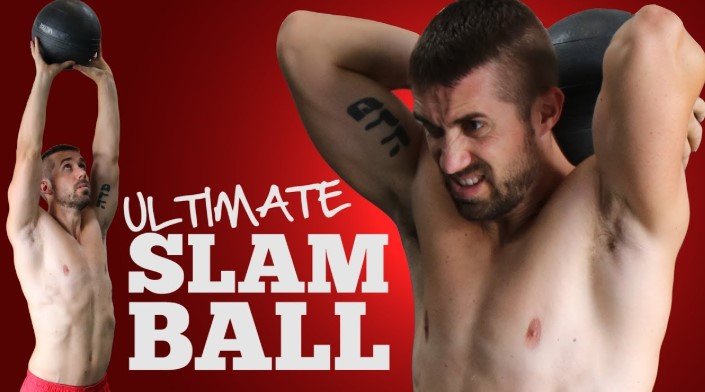
Form is key. Good technique ensures your muscles work hard while your joints stay safe.
-
Keep your feet shoulder-width apart.
-
Brace your core before lifting the ball. Imagine pulling your belly slightly in.
-
Use your hips and legs to power the motion, not just your arms.
-
Fully extend your body when raising the ball overhead.
-
Exhale sharply as you slam the ball down.
-
Pick it up with your legs, not your back.
-
Maintain control power without wild movement.
Proper breathing and control make a big difference in muscle engagement and safety.
Common Mistakes That Reduce Muscle Effectiveness
Avoid these errors to make sure your slam ball workout stays effective and safe.
-
Relying only on the arms – The power should come from the legs and core. Using only your arms limits strength and increases shoulder strain.
-
Not engaging the core – Without a tight core, your back takes the stress. Keep your midsection firm during every phase.
-
Using too heavy a ball – Heavy isn’t always better. A weight that’s too much will slow you down and reduce the speed you need for power.
-
Poor posture – Rounding your back or arching your neck can cause injury. Keep your spine neutral.
-
No warm-up – A short warm-up with dynamic stretches or light cardio prepares your joints and muscles for explosive movement.
-
Half range of motion – Lift all the way overhead and slam fully down. Cutting the movement short reduces the benefit.
How to Add Slam Ball Training to Your Routine?
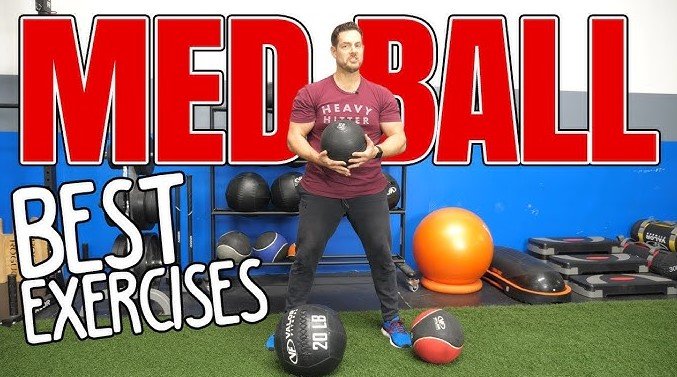
Slam balls fit into many types of training plans strength, cardio, or athletic conditioning.
As a Warm-Up
Do 2–3 sets of 8–10 light slams before your main workout. This wakes up your muscles and improves coordination.
As a Main Strength Exercise
Use a moderate to heavy ball. Perform 3–4 sets of 10–12 reps. Focus on full power and clean form. Rest 60–90 seconds between sets.
As a Finisher
End your workout with 3 rounds of 20–25 fast slams. This elevates your heart rate and challenges both strength and endurance.
As a Full-Body Circuit
Combine slam balls with other bodyweight exercises:
-
10 slams
-
10 push-ups
-
10 squats
-
10 mountain climbers
Repeat for 3–4 rounds with short rest breaks.
This routine targets all major muscle groups and keeps your heart rate high.
Ideal Slam Ball Weight
Picking the right weight ensures maximum muscle work without hurting form.
-
Beginners: 10–15 pounds (4–7 kg). Focus on technique first.
-
Intermediate: 20–30 pounds (9–13 kg). Enough resistance to build power.
-
Advanced: 35–50 pounds (16–23 kg). For high-strength, athletic training.
You want the ball heavy enough to challenge you but light enough to move quickly. Power depends on speed as much as strength.
How Often to Do Slam Ball Workouts?
Because slam ball exercises are full-body and explosive, two to three sessions per week is enough for most people.
Let your muscles recover between sessions. Overtraining can lead to fatigue and joint pain. On rest days, focus on stretching, mobility, or light cardio.
Real-World Benefits Beyond the Gym
The movement pattern of a slam ball exercise mimics many daily and athletic actions.
-
Improved lifting mechanics. Your legs, hips, and back work together safely, just like picking up heavy items at home or work.
-
Better sports performance. Rotational strength and explosive power transfer well into sports like basketball, boxing, baseball, and martial arts.
-
Enhanced endurance. Because so many muscles engage, your heart and lungs adapt, giving better stamina over time.
-
Stronger posture. A stable core and strong back reduce slouching and back discomfort.
It’s not just a gym movement. It’s practical strength you can feel in everyday life.
Recovery and Mobility After Slam Ball Workouts
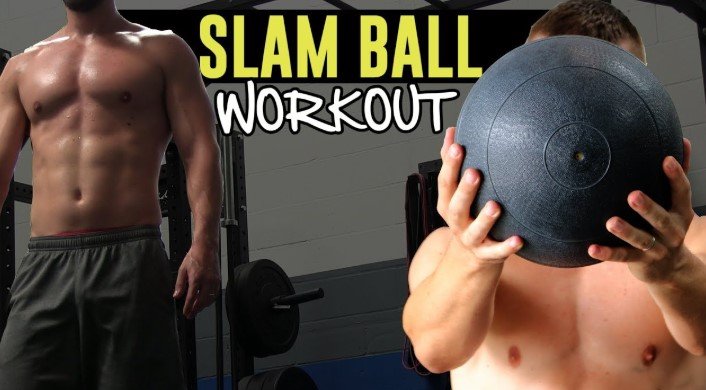
After your slam ball training, take a few minutes to recover properly. This helps your muscles heal and grow stronger.
-
Stretch your shoulders, hamstrings, and hips.
-
Use a foam roller on your quads and back to release tension.
-
Hydrate and eat a protein-rich meal to support muscle repair.
-
Rest at least one day before repeating heavy slam sessions.
Proper recovery is part of training not an afterthought. It keeps your performance high and prevents soreness from turning into injury.
Why Slam Ball Training Builds Real Power?
Power is different from simple strength. Strength is how much you can move slowly. Power is how fast you can move that strength.
Slam ball exercises train your muscles to fire quickly and forcefully. You build not only muscle tissue but also neuromuscular coordination your brain and muscles learning to work together faster.
That’s why athletes love this movement. It improves reaction time, speed, and control. But even for non-athletes, it’s an excellent way to keep the body agile, strong, and responsive.
Safety Notes
A few reminders for safe and efficient training:
-
Always use a non-bouncing slam ball, not a medicine ball.
-
Choose a flat, clear surface so the ball doesn’t roll or rebound unexpectedly.
-
Keep your back straight when lifting from the ground.
-
Don’t hold your breath; exhale during the slam.
-
If your lower back or shoulders feel strained, reduce weight and check your form.
Safety allows progress. Proper execution ensures your muscles not your joints do the work.
Summary of Muscles Worked
| Muscle Group | Main Muscles Used | Function During Slam |
|---|---|---|
| Core | Rectus abdominis, obliques, transverse abdominis | Stabilizes trunk, transfers power |
| Legs | Glutes, quads, hamstrings, calves | Drive power from ground up |
| Upper Body | Shoulders, triceps, chest, lats, upper back | Lift and throw the ball |
| Stabilizers | Hips, spine, shoulder stabilizers | Maintain balance and control |
Conclusion
A slam ball workout is one of the most complete body movements you can do. It trains almost every major muscle legs, glutes, core, shoulders, arms, chest, and back all in one powerful exercise.
Each slam begins from the ground up. Your legs drive the lift, your core transfers the force, and your upper body finishes the movement. The result is a blend of strength, power, and coordination that improves both athletic ability and daily function.
Whether you train at a gym or at home, the slam ball delivers big results with simple equipment. Focus on proper form, controlled breathing, and consistent effort. Over time, your whole body becomes stronger, faster, and more resilient.
Every slam builds strength. Every rep teaches control. Together, they shape a body that moves with power and purpose.