
What Muscles Do Bicycles Work? Discover the Pedal Power
Cycling engages the body in a way few exercises can match. Each pedal stroke activates a variety of muscles, building strength, endurance, and balance. The quadriceps and hamstrings work continuously to drive the pedals, while calves stabilize movements and support smooth rotations.
The glutes assist in powering uphill rides and maintaining proper posture, adding strength to the lower body. Core muscles, including the abs and lower back, remain active to stabilize the torso and improve balance.
Even the upper body benefits, as arms, shoulders, and grip muscles maintain control over the handlebars, especially on rough terrain. Regular cycling enhances muscle tone, improves circulation, and burns calories efficiently.
Riders often notice stronger legs, improved posture, and better overall fitness. Understanding which muscles cycling works helps design targeted workouts and track progress, making every ride not just enjoyable, but a full-body training session.
What Muscles Do Bicycles Work?
Cycling is one of the best ways to exercise your body. Many people ride bikes for fun, health, or transportation. But every push of the pedal works many muscles across the body not only the legs.
Understanding which muscles work while cycling helps improve performance and avoid injury. It also shows how cycling shapes your body over time.
This guide explains every muscle that gets used on a bike in simple detail. From the legs that drive the pedals to the core that holds you upright, each part plays an important role.
Leg Muscles — The Power Source
Legs do most of the work in cycling. Each stroke of the pedal calls several muscles into action. These muscles push, pull, and stabilise every movement from hip to toe.
Quadriceps
The quadriceps sit at the front of the thigh. This group has four main muscles: rectus femoris, vastus lateralis, vastus medialis, and vastus intermedius. They extend the knee and are most active as the pedal moves downward.
When you push the pedal, the quads create the main power that drives the bike forward. On flat roads they do steady work. On hills or when you speed up, they fire harder. Strong quads help maintain consistent speed without tiring too quickly.
Riders who train regularly often notice firm and toned thighs. This is because cycling constantly challenges these front-thigh muscles.
Hamstrings
The hamstrings lie at the back of the thigh. They bend the knee and help lift the pedal on the upward phase. The three muscles biceps femoris, semitendinosus, and semimembranosus work as a team.
During the pedal stroke, the hamstrings help pull the pedal back and up after the quads push it down. They also balance the strength of the front thighs, preventing joint strain.
Strong hamstrings support knee stability and reduce risk of knee pain. Without enough hamstring strength, a cyclist may overuse the quads, leading to muscle imbalance.
Gluteus Maximus
The gluteus maximus is the largest muscle in the body and forms the buttocks. It drives hip extension, which happens every time you push the pedal down.
The glutes activate most when you climb hills, sprint, or ride in a higher gear. They work closely with the quads to provide power from the hips down to the pedals.
Strong glutes improve posture, balance, and cycling efficiency. Weak glutes can cause lower-back pain and reduce stability, especially during long rides.
Hip Flexors
At the front of the hips lie the hip flexors, including the iliopsoas and rectus femoris. They lift the thigh during the upward part of the pedal stroke.
Although smaller than the glutes, these muscles are essential for smooth pedalling. Tight hip flexors can cause discomfort, while strong, flexible ones improve rhythm and power.
Cyclists often stretch these muscles to prevent stiffness, since they remain partly active for long periods during rides.
Calves — Gastrocnemius and Soleus
The calves control ankle motion during pedalling. The gastrocnemius sits on top and gives the calf its shape, while the soleus lies beneath.
These muscles help press the foot down at the bottom of the stroke, adding force and keeping the movement fluid. They also assist in balance when standing on the pedals. Strong calves help maintain good pedal technique and reduce fatigue during long rides.
Tibialis Anterior
This muscle runs along the front of the shin. It pulls the foot upward during the recovery phase of pedalling.
It balances the action of the calves, preventing cramps or uneven movement. A weak tibialis anterior can make the pedal stroke less efficient and cause tired ankles.
Core Muscles — The Stabilizers
Cycling doesn’t look like a core workout, but the muscles in your abdomen, sides, and lower back do plenty of work. They stabilize the body and transfer power from the legs to the pedals.
Abdominals
The abdominal muscles include the rectus abdominis and the obliques. These muscles hold your trunk steady as your legs move.
A strong core keeps your body from rocking side to side, which saves energy. It also helps you maintain good posture when leaning forward on the bike. Tight abs support the spine and prevent lower-back pain during long rides.
Obliques
Located on the sides of the waist, the obliques control rotation and balance. They work whenever you turn the handlebars, lean into a curve, or shift your weight while climbing. Even small side movements activate these muscles, helping maintain smooth control.
Lower Back Muscles — Erector Spinae
The lower back muscles run along both sides of the spine. They support your upper body and keep your posture correct.
A strong lower back reduces fatigue and discomfort. It helps you stay comfortable in a forward-leaning position on long rides. Cyclists who ignore these muscles often suffer from stiffness or pain in the lumbar region.
Hip Stabilizers
Muscles around the hips such as the gluteus medius and tensor fasciae latae prevent the hips from rocking while you pedal. They keep the knees tracking straight and reduce stress on joints. These small stabilizers are vital for smooth cycling motion and overall joint safety.
Upper Body Muscles — The Support System
Although the upper body doesn’t drive the pedals, it provides support and control. The muscles of the arms, shoulders, chest, and upper back help keep you steady and guide the bike.
Deltoids and Shoulder Muscles
The shoulders carry some of your body weight, especially when leaning forward. The deltoids help control the handlebar and stabilize your arms.
During climbs or sprints, your shoulders engage more as you pull against the handlebars. This keeps your balance and allows powerful downward strokes.
Biceps and Triceps
These muscles in the upper arms help with steering and handlebar pressure. The biceps pull the handlebars when you rise from the saddle, while the triceps push during steady riding. Though they do not get heavy work like leg muscles, they support posture and absorb road vibration.
Chest Muscles — Pectorals
The chest muscles help with handlebar movement and shoulder stability. They assist in maintaining a steady upper body while the legs move powerfully below. In rough terrain or mountain biking, these muscles become more active to absorb shocks and help maneuver the bike.
Upper Back — Trapezius and Latissimus Dorsi
The trapezius supports your neck and shoulders, while the latissimus dorsi connects the arms to the back.
Together, they keep the shoulders aligned and help control upper body motion. They also assist in pulling the handlebars during climbs.
How the Pedal Stroke Uses Muscles?
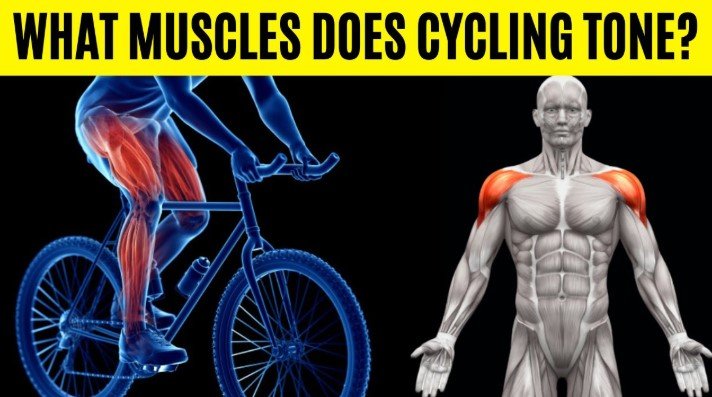
Each full turn of the pedals has different stages, and each stage calls on specific muscles.
Power Phase (Downstroke)
Starts from the top of the pedal stroke (around 12 o’clock) and continues to the bottom (about 6 o’clock).
The quadriceps, glutes, and calves work hardest here. They push the pedal downward with force. Most of your speed and power come from this phase.
Transition Phase (Bottom of Stroke)
This is the small part where your foot moves from pushing down to pulling up. The calves and hamstrings help pull the pedal backward slightly, preparing for the lift.
Recovery Phase (Upstroke)
This phase runs from the bottom (6 o’clock) to the top (12 o’clock). The hamstrings and hip flexors lift the pedal back up. The tibialis anterior raises the toes to prepare for the next push. This motion uses less force but balances the movement so the stroke stays smooth.
Top Transition
The top phase joins the upstroke and downstroke. The hip flexors and glutes work together briefly to change direction. When the transition is smooth, you waste less energy and keep your rhythm steady.
How Cycling Strengthens the Body?
Cycling is a form of resistance training, especially when you pedal against gears, wind, or slopes. It strengthens muscles, improves coordination, and builds endurance.
Leg Strength and Endurance
Regular rides develop stronger quadriceps, glutes, and calves. These muscles gain endurance over time, allowing you to ride longer distances. The steady motion also promotes blood flow and improves oxygen use in the muscles. This makes them more efficient, not just bigger.
Core Stability
Cycling trains your abdominal and back muscles without heavy strain. A strong core improves balance on and off the bike. It supports your spine, making you less likely to feel back pain.
Posture and Balance
The combination of core, back, and shoulder strength helps your body stay upright and stable. This improves overall posture even when you are not riding.
Joint Health
Cycling is gentle on the joints compared to running or jumping. The circular motion supports the knees and hips without sudden impact. The muscles around the joints strengthen, adding stability and reducing wear over time.
Coordination and Control
Pedalling smoothly while balancing and steering engages many muscles together. The brain and muscles learn to work in harmony. This improves coordination, which helps in daily activities too.
Fat Burning and Muscle Tone
Cycling uses both slow-twitch and fast-twitch muscle fibers. Over time, muscles become lean and firm. Regular rides also help reduce fat, giving legs and hips a toned look.
Training for Stronger Cycling Muscles
To make the most of cycling, muscle training off the bike also helps. Certain techniques improve power, balance, and endurance.
Ride on Different Terrains
Flat roads build endurance, while hills build strength. Riding uphill forces the glutes, hamstrings, and calves to push harder. Downhill rides improve control and stability.
Adjust Gear Resistance
Higher gears increase muscle strength because you push harder. Lower gears train cadence and speed, improving cardiovascular fitness. Mixing both styles develops a balanced set of muscles.
Include Strength Training
Off-bike exercises such as squats, lunges, leg presses, and planks strengthen the same muscles used in cycling. Core exercises like bridges and crunches help with posture and support.
Stretch After Every Ride
Stretching muscles like hamstrings, hip flexors, and calves prevents stiffness. Gentle stretches improve flexibility and help muscles recover. Common cycling stretches include standing quad stretches, seated hamstring stretches, and calf stretches against a wall.
Maintain Correct Bike Fit
A poorly adjusted bike can cause pain or reduce efficiency. The saddle height should allow a slight bend in the knee when the pedal is at the bottom. Handlebar height and reach should let you lean comfortably without strain on your neck or wrists. Proper fit helps each muscle work in the right range of motion.
Watch Your Cadence
Cadence means how many times the pedals turn in one minute. A smooth cadence between 80 and 100 revolutions per minute reduces stress on the joints and keeps the muscles working efficiently. Pedalling too slowly puts too much pressure on the knees, while pedalling too fast causes fatigue.
How Muscles Work Together on the Bike?
Cycling is a team effort among muscles. No single group works alone. Every movement needs cooperation between large and small muscles.
The quadriceps and glutes provide power. The hamstrings and calves balance the motion. The core stabilises the body. The shoulders and arms keep control. This teamwork allows smooth circular pedalling instead of choppy movement.
As the legs move, the core tightens slightly to prevent the body from swaying. The arms stay firm to keep the bike straight. This constant coordination makes cycling a full-body exercise that feels natural and rhythmic.
Physical Changes from Regular Cycling
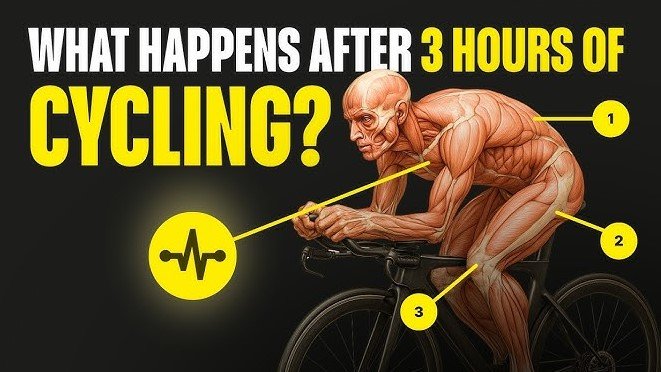
After some months of regular cycling, visible and internal changes appear.
-
Toned Legs and Hips: Quads, glutes, and calves become leaner and firmer.
-
Better Posture: The spine aligns better because of stronger back and core muscles.
-
Improved Stamina: Muscles use oxygen more effectively, delaying fatigue.
-
Increased Flexibility: Hips and knees move more freely due to repeated full-range motion.
-
Fewer Aches: Balanced muscles reduce tension in joints and lower back.
Even short daily rides create progress. The steady repetition builds strength without stressing the body too much.
Common Muscle Problems in Cyclists
Sometimes muscles ache or tighten due to overuse or poor technique. Knowing why helps prevent discomfort.
Tight Hamstrings
Long rides with limited stretching can shorten the hamstrings. Tight hamstrings pull on the pelvis, causing lower-back pain. Stretching and light yoga help release tension.
Sore Knees
Improper saddle height or weak glutes can overload the quads and knees. Adjusting bike fit and balancing strength between front and back thighs solves this issue.
Hip Pain
Weak hip stabilizers make the pelvis shift side to side. Strengthening the gluteus medius and maintaining even pedalling help avoid it.
Lower-Back Fatigue
A weak core or too much forward bending strains the lower back. Core strengthening and correct posture prevent fatigue.
Numb Hands or Arms
Too much pressure on handlebars may compress nerves. Adjusting hand position, relaxing shoulders, and strengthening upper back muscles reduce the problem.
Why Cycling Is Excellent for Overall Health?

Cycling benefits go beyond muscles. It improves the whole body’s system.
-
Heart Health: Muscles demand more oxygen, so the heart grows stronger.
-
Lung Capacity: Deep breathing improves oxygen flow.
-
Mental Clarity: Smooth motion and outdoor rides calm the mind.
-
Weight Management: Regular riding burns calories steadily.
-
Joint Care: Continuous motion lubricates joints and keeps them flexible.
Muscles play the main role, but every part of the body gains from cycling.
Quick Tips for Balanced Muscle Use
-
Warm Up First: Light pedalling before the ride wakes up the muscles and increases blood flow.
-
Keep Good Form: Maintain straight posture, relaxed shoulders, and even pressure on both legs.
-
Shift Gears Wisely: Use gears to keep cadence smooth rather than forcing heavy pedalling.
-
Alternate Sitting and Standing: Standing on pedals occasionally changes muscle use and relieves saddle pressure.
-
Cool Down: End each ride with light pedalling and stretches to reduce muscle stiffness.
Conclusion
Cycling works far more than just the legs. Every ride activates a network of muscles quadriceps, glutes, hamstrings, calves, hip flexors, abdominals, lower back, shoulders, and arms. Together, they power movement, maintain balance, and keep posture stable.
The legs create strength and drive. The core provides stability. The upper body guides and controls. Each muscle group supports the others in perfect rhythm.
Regular cycling strengthens the whole body while being gentle on joints. It tones muscles, improves coordination, and builds endurance. With proper form, correct bike fit, and good recovery habits, cycling becomes a safe and effective full-body workout.
A bicycle may look simple, but every turn of the wheel is a symphony of muscles working together strong, smooth, and steady.