What Muscles Do Lat Raises Work? Build Strong, Broad Shoulders
Lateral raises shape and define the shoulders, giving them a wider and more powerful look. This simple exercise targets key muscles that play a big role in upper body strength and aesthetics. Most of the work centers on the deltoids, especially the side or lateral head, which helps lift your arms outward.
The movement also activates supporting muscles like the trapezius and supraspinatus, adding stability and balance to every rep. Strong deltoids improve posture, enhance athletic performance, and make everyday movements easier.
Lateral raises may look easy, but proper form and control decide how effective they become. Even small adjustments in grip, angle, or weight can change which muscle fibers get the most work.
Understanding exactly what muscles lateral raises train helps you get better results and avoid unnecessary strain. This guide breaks down the anatomy, benefits, and best ways to maximize each lift.
What Muscles Do Lat Raises Work?
Lat raises are one of the best exercises for building strong, defined shoulders. They don’t require heavy weights or complex equipment, yet they deliver noticeable results.
This move focuses mainly on the outer part of your shoulders, giving your upper body a broader and more athletic look.
But many people don’t realize how many muscles actually work together during this simple movement.
Let’s break it down in detail so you understand exactly what’s happening each time you lift your arms.
Main Muscles Worked in Lat Raises

1. Lateral Deltoid
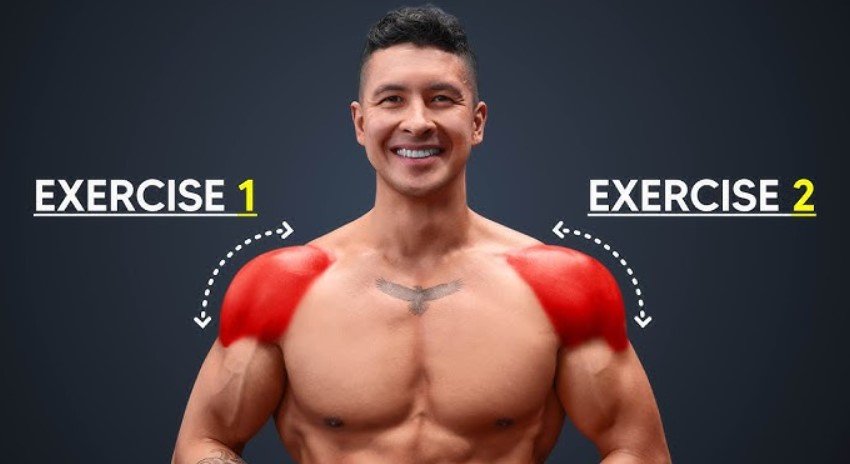
The lateral deltoid, also known as the middle deltoid, is the main muscle that works during a lateral raise. It sits on the side of your shoulder and is responsible for lifting your arm away from your body.
Every time you raise your arms to shoulder level, this muscle contracts to make that movement possible. A well-developed lateral deltoid creates that “rounded shoulder” look many people aim for.
It also helps stabilize your shoulder joint during daily activities like lifting grocery bags or carrying objects to the side. Without strong lateral deltoids, your shoulders may look narrower and less balanced.
To feel this muscle work, try doing lat raises with light weights and focus on slow, controlled motion. You’ll notice the burn right in the middle of your shoulder.
2. Anterior Deltoid
The front part of your shoulder, called the anterior deltoid, also works during lat raises, though not as strongly as the middle deltoid. Its main job is to assist in lifting and stabilizing the arm. It ensures that your shoulders move smoothly without shaking or tilting.
This muscle is also active in pushing or pressing movements, like the bench press or overhead press. By engaging it during lat raises, you develop balanced shoulder strength from all angles, not just the sides.
3. Posterior Deltoid
The rear deltoid sits at the back of your shoulder. It helps control your arm’s downward motion and stabilizes the shoulder joint as you lower the weights.
Even though it isn’t the primary mover in lat raises, it works together with the other deltoid heads to keep your shoulder joint aligned and strong.
Training all three deltoid heads the front, side, and rear helps you achieve full shoulder symmetry and reduces the risk of muscle imbalances.
4. Supraspinatus
This small but vital muscle lies at the top of your shoulder blade. It starts the first part of the arm lift before the lateral deltoid takes over. It also plays a key role in keeping the shoulder joint stable and preventing dislocation.
Many people ignore this muscle, but it’s crucial for healthy shoulder movement. Weakness in the supraspinatus can cause pain or strain during overhead exercises. Lat raises, done with proper form, help keep this muscle active and healthy.
5. Trapezius
The trapezius, or “traps,” is a large muscle that stretches from your neck down to your middle back. In lat raises, the upper traps help stabilize your shoulder blades. They stop your shoulders from dropping forward and give you a steady base for lifting.
But there’s a balance here. If your traps get too involved, they take away work from your lateral delts. This usually happens when the weights are too heavy, or you shrug your shoulders as you lift. To fix that, lower the weight and focus on moving your arms, not your neck or upper back.
6. Serratus Anterior
This muscle lies along the side of your ribcage, under the armpit area. It helps move and stabilize the shoulder blade. During lat raises, the serratus anterior ensures that the shoulder blades rotate properly, allowing a smooth lift.
A strong serratus anterior helps your arms move freely without pinching or stiffness. It also prevents shoulder injuries by supporting healthy shoulder mechanics.
How to Perform Lat Raises Correctly?
Proper form is more important than lifting heavy weights. Here’s how to do it right:
-
Stand with your feet shoulder-width apart.
-
Hold a dumbbell in each hand with palms facing your body.
-
Keep a slight bend in your elbows to reduce shoulder strain.
-
Raise both arms out to the sides until they reach shoulder height.
-
Pause for one second at the top to feel the contraction.
-
Slowly lower your arms back to the starting position.
Aim for 10 to 15 reps for 2 to 3 sets. Focus on smooth, controlled movements. Don’t rush.
Common Mistakes to Avoid
-
Using too much weight: This causes swinging and reduces muscle control.
-
Shrugging your shoulders: This overuses the traps instead of the delts.
-
Bending elbows too much: It turns the move into more of a front raise.
-
Lifting too high: Raising arms above shoulder level strains the joints.
-
Moving too fast: Quick motions reduce muscle tension and increase injury risk.
Benefits of Lat Raises
-
Builds broader, more defined shoulders.
-
Strengthens shoulder stabilizers for better posture.
-
Improves balance between front, side, and rear delts.
-
Helps prevent shoulder injuries.
-
Supports performance in sports and other workouts.
Lat raises also improve how your clothes fit and boost upper body confidence. Even a few sets per week can make a difference over time.
Variations of Lat Raises
Seated Lateral Raise
Sitting reduces body movement, forcing your shoulders to do all the work. This version improves isolation and control.
Cable Lateral Raise
Using a cable machine adds constant tension throughout the motion, keeping your muscles active from start to finish.
One-Arm Lateral Raise
Doing one arm at a time helps you focus better on each shoulder and corrects any strength imbalance.
Front-to-Side Combo Raise
This variation combines front and side raises, working both the front and middle delts for complete shoulder development.
Tips for Better Results
-
Warm up your shoulders before training.
-
Keep your spine straight and chest lifted.
-
Focus on feeling the shoulders move, not the arms.
-
Start light and increase weight slowly.
-
Perform each rep with control.
-
Train your rear delts too for overall balance.
FAQs
1. Do lat raises make shoulders wider?
Yes. The exercise targets the lateral delts, which are responsible for shoulder width. Regular practice gives your shoulders a rounder, broader shape.
2. Can I do lat raises every day?
No. Muscles need rest to recover and grow. Doing them two or three times a week is enough.
3. Should beginners do lat raises?
Yes, but start with very light dumbbells or even no weights. Focus on mastering the form first.
4. What should I feel during the exercise?
You should feel tension on the outer part of your shoulders, not in your neck or traps.
5. Can lat raises help posture?
Yes. Strong shoulder and upper back muscles help you stand taller and reduce shoulder rounding.
Conclusion
Lat raises mainly target the lateral deltoid but also work the anterior deltoid, supraspinatus, traps, and serratus anterior. Together, these muscles create strong, balanced shoulders that look great and move well.
With proper form and steady progress, lat raises can be a powerful part of your shoulder workout routine. They don’t need heavy weights just focus, control, and consistency.