What Muscles Do Upright Rows Work? Build Strong Shoulders Fast
Upright rows are a classic strength-training move that deliver serious results for your upper body. This exercise targets key muscle groups that shape your shoulders, improve posture, and add definition to your arms.
Each pull of the barbell or dumbbells activates your deltoids, traps, and biceps, giving your upper body a balanced and powerful look. Many lifters use upright rows to boost shoulder strength and stability, which supports better performance in presses and lifts.
Proper form keeps your joints safe and ensures full muscle engagement. The movement may look simple, but the muscle coordination behind it builds both strength and symmetry.
A few consistent sets each week can help you develop stronger shoulders and upper back muscles without fancy equipment. Discover which muscles work hardest in upright rows and how this move can become a key part of your workout routine.
What Muscles Do Upright Rows Work?
Upright rows are a powerful upper body exercise. They help strengthen shoulders, traps, and arms. This movement lifts a weight straight from your waist to chest height.
You can use a barbell, dumbbells, or cable machine. People often do upright rows to improve posture, shoulder strength, and arm definition. They also help with daily activities like lifting, carrying, and pushing objects.
This article explains exactly what muscles upright rows work, how to perform them safely, and tips to get better results.
Primary Muscles Worked by Upright Rows
Shoulders (Deltoids)
The deltoids are the main muscles used in upright rows.
-
Front delts (anterior deltoids): Lift the weight forward and upward.
-
Side delts (lateral deltoids): Lift the weight to the side, giving width to shoulders.
Strong delts improve daily lifting and make the upper body look wider and stronger.
Traps (Trapezius)
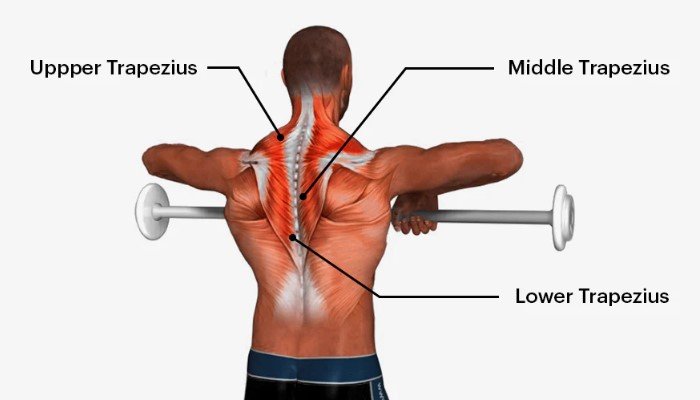
Trapezius muscles cover the upper back and neck. Upright rows activate the middle and upper traps.
-
Support the shoulder blades during lifting.
-
Improve neck and upper back posture.
-
Help prevent shoulder and neck pain.
Biceps
Biceps assist in bending the elbows during the movement. While not the main muscle, they receive a good workout. Upright rows can improve arm strength and assist in other pulling exercises.
Forearms
Forearms hold the weight throughout the exercise. Strong forearms improve grip strength, which helps in deadlifts, pull-ups, and other lifts.
Secondary Muscles Worked
Rear Delts
The rear delts stabilize the shoulder joint during upright rows. They balance the front and side delts to prevent shoulder injuries.
Core Muscles
Abs and lower back muscles work to keep the body upright. A strong core stops you from leaning backward or forward, making the lift safer and more effective.
Additional Benefits of Upright Rows
-
Posture Improvement: Strengthens shoulders and traps to support the upper back.
-
Upper Body Strength: Works multiple muscles at once.
-
Arm Definition: Biceps and forearms get extra toning.
-
Versatility: Can use barbell, dumbbells, or cables.
-
Time Efficiency: Works many muscles with one exercise.
How to Perform Upright Rows Correctly?
Using a Barbell
-
Stand with feet shoulder-width apart.
-
Hold the barbell with palms facing your body. Hands close together.
-
Lift the bar straight up to chest level. Keep elbows above hands.
-
Lower the bar slowly.
-
Repeat for 10–15 reps and 2–3 sets.
Using Dumbbells
-
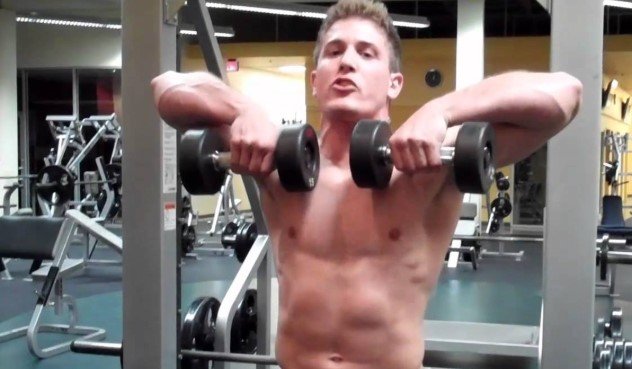
Hold a dumbbell in each hand at your sides.
-
Lift them straight up to chest height.
-
Keep elbows above hands.
-
Lower slowly.
Using Cable Machine
-
Attach a straight bar to a low pulley.
-
Hold with an overhand grip, palms facing down.
-
Pull the bar straight up to chest level.
-
Lower slowly and controlled.
Common Mistakes to Avoid
-
Raising elbows too high can hurt the shoulder joint.
-
Using too heavy weight and jerking the bar.
-
Leaning backward or forward while lifting.
-
Letting wrists bend excessively.
Tips for Maximum Results
-
Warm up shoulders and traps before lifting.
-
Keep back straight and core tight.
-
Use controlled motion; avoid swinging.
-
Start with lighter weight to learn proper form.
-
Include upright rows in a balanced shoulder routine with presses and lateral raises.
Variations of Upright Rows
-
Wide Grip Upright Row: Hands wider than shoulders. Focuses more on side delts and reduces stress on wrists.
-
Dumbbell Upright Row: Allows natural wrist rotation and may reduce shoulder strain.
-
Cable Upright Row: Constant tension on muscles throughout movement.
Final Thoughts
Upright rows work multiple muscles at once, especially shoulders, traps, and arms. They also engage the core for stability.
Proper technique ensures safety and effectiveness. Include upright rows in your workout for stronger, more defined shoulders and upper arms.
FAQs
1. Are upright rows safe for shoulders?
Yes, if elbows stay below shoulder height and you use moderate weight.
2. How often should I do upright rows?
Two to three times per week with rest days in between.
3. Can beginners do upright rows?
Yes. Start with light dumbbells and focus on proper form.
4. Will upright rows help improve posture?
Yes. Strengthening traps and delts supports upper back posture.
5. Can upright rows make my arms bigger?
They help tone arms and strengthen biceps and forearms. Combine with curls for bigger gains.