Will Muscle Turn Into Fat? The Truth Behind Body Changes
Muscle and fat are two different tissues with distinct functions in the body. Muscle provides strength, supports movement, and burns calories even at rest. Fat stores energy and cushions organs.
Many people fear that stopping workouts or gaining weight will cause their hard-earned muscle to turn into fat. Science shows this fear is a myth. Muscles cannot convert into fat because the two tissues consist of entirely different cells.
Losing muscle mass happens when exercise decreases, protein intake drops, or inactivity increases, while fat can accumulate simultaneously if calorie intake exceeds expenditure.
Body composition changes often create the illusion that muscle has turned into fat, but the reality involves losing muscle while gaining fat separately.
Understanding this distinction helps manage expectations, design effective fitness plans, and stay motivated without unnecessary worry about muscle loss turning into fat.
Will Muscle Turn Into Fat?
Many people worry that stopping workouts will turn their muscles into fat. This is a common gym myth. Muscle and fat are two different tissues. Muscle is active tissue.
It helps you move, keeps your body strong, and burns calories. Fat stores energy for future use. Muscle cannot turn into fat directly.
But the body can change if you stop exercising and continue eating the same amount of food. Understanding how muscles and fat work can help you keep a healthy body and prevent unwanted weight gain.
Understanding Muscle and Fat
What is Muscle?
Muscle is made of fibers that contract to produce movement. Muscles need regular exercise to stay healthy and strong. Lifting weights, push-ups, or resistance training increases muscle size and strength. Muscles also burn calories even at rest, helping control body weight.
What is Fat?
Fat stores extra energy in the body. Fat cells expand when you eat more calories than you burn. Fat does not burn calories actively. Its main job is energy storage. Muscle cells and fat cells are completely different. One cannot turn into the other.
What Happens When You Stop Exercising?
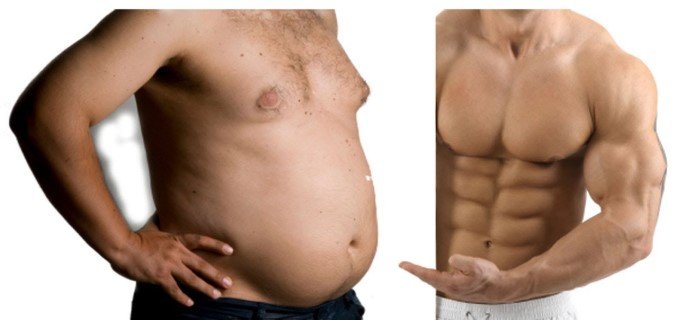
Muscle Shrinkage
Muscle shrinking is called atrophy. Muscles shrink when the body does not need as much strength. Protein breakdown increases, and protein building slows down. Muscles become smaller and weaker over time.
Timeline:
-
First 2-3 weeks: Muscle strength slightly drops. Muscle size may not change visibly.
-
4-8 weeks: Noticeable muscle loss occurs, especially without any movement.
-
After 8 weeks: Muscles become weaker and smaller.
Fat Gain
Stopping exercise may reduce the number of calories you burn. Eating the same calories as before can lead to fat gain. Fat gain depends on:
-
Calorie intake
-
Activity level
-
Genetics
Even if you lose muscle, fat can increase, making it seem like muscle turned into fat.
The Myth: Can Muscle Turn Into Fat?
Muscle cannot turn into fat. Muscle cells and fat cells are completely different.
-
Muscle cells shrink without use but stay muscle cells.
-
Fat cells grow when excess calories are stored.
The body may appear to gain fat and lose muscle simultaneously, creating the illusion that muscle has “turned into” fat. This is not true.
Why the Body Changes?
Several factors affect muscle and fat changes:
1. Age
Muscle mass naturally declines with age. The body burns fewer calories, so fat can increase if diet and activity are not adjusted.
2. Diet
Eating more calories than the body needs leads to fat gain. A low-protein diet accelerates muscle loss.
3. Hormones
Hormones like testosterone and growth hormone help build and maintain muscle. Low hormone levels can lead to faster muscle loss and easier fat gain.
4. Activity Level
Less physical activity reduces muscle stimulus and calorie expenditure. This combination leads to fat accumulation if diet remains the same.
How to Prevent Muscle Loss and Fat Gain?
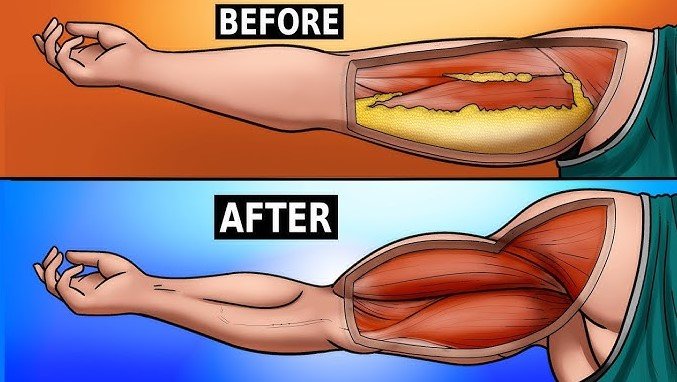
1. Keep Strength Training
Even 2-3 sessions per week maintain muscle. Resistance training can include:
-
Bodyweight exercises
-
Dumbbells or resistance bands
-
Gym machines
2. Stay Active Daily
Simple activities help maintain muscle and burn calories:
-
Walking or jogging
-
Climbing stairs
-
Stretching and yoga
3. Maintain Protein Intake
Protein is essential for muscle maintenance. Adults should aim for at least 1.2–1.6 grams per kg of body weight daily. Good sources:
-
Eggs
-
Chicken or fish
-
Beans and lentils
-
Dairy products
4. Monitor Calorie Intake
Avoid overeating if activity decreases. Adjust meals based on current activity level to prevent fat gain.
5. Rest and Recovery
Sleep affects muscle repair and metabolism. Poor sleep increases fat storage and reduces muscle maintenance. Adults need 7-9 hours of sleep per night.
Extra Tips for You
-
Avoid sudden exercise stops. Reduce intensity gradually.
-
Track body changes with measurements or photos, not just the scale.
-
Drink enough water for metabolism and muscle function.
-
Include resistance training even at home.
FAQs
Q1: Can muscles turn into fat?
No. Muscle and fat are separate tissues. Muscle can shrink, and fat can increase, but muscle never changes into fat.
Q2: How long does it take to lose muscle?
Muscles start shrinking after 2-3 weeks without exercise. Visible loss often occurs after 4-8 weeks.
Q3: Will I gain fat if I stop exercising?
Fat gain depends on diet and activity. Extra calories lead to fat accumulation.
Q4: How can I maintain muscle without gym workouts?
Bodyweight exercises, resistance bands, and protein intake help maintain muscles.
Q5: Does metabolism slow if I lose muscle?
Yes, slightly. Less muscle burns fewer calories, which may cause fat gain if calories remain high.
Conclusion
Muscle does not turn into fat. Muscle can shrink, and fat can grow if you stop training and do not adjust diet. Keeping muscles and avoiding fat gain requires:
-
Regular exercise, even light
-
Strength training
-
Adequate protein intake
-
Proper rest and sleep
-
Calorie management
Understanding the difference between muscle and fat helps prevent myths and supports a healthy body. Consistency and balanced nutrition are key.