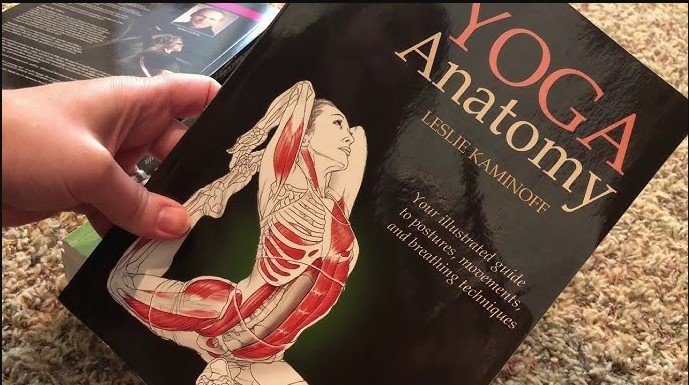
5 Best Yoga Anatomy Books (For Understanding & Better Practice)
Yoga anatomy books can help students and teachers understand how the body moves during different poses. They can explain muscles, joints, bones, connective tissues, breathing, and alignment in a way that connects anatomy with real yoga practice. Clear diagrams can make these topics much easier to understand.
Different books focus on different parts of the subject. Some explain basic anatomy for beginners, while others explore muscles and movement in greater detail. Books with detailed illustrations, pose examples, practical explanations, and information about body differences can provide more useful guidance for yoga students and instructors.
This guide covers five of the best yoga anatomy books. We focus on anatomical accuracy, clear illustrations, yoga pose coverage, movement explanations, readability, practical value, beginner-friendly content, and usefulness for instructors. These factors can help you choose a book that improves your understanding of the body and how it responds to yoga practice.
5 Best Yoga Anatomy Books
| Image | Title | Best For | Link |
|---|---|---|---|
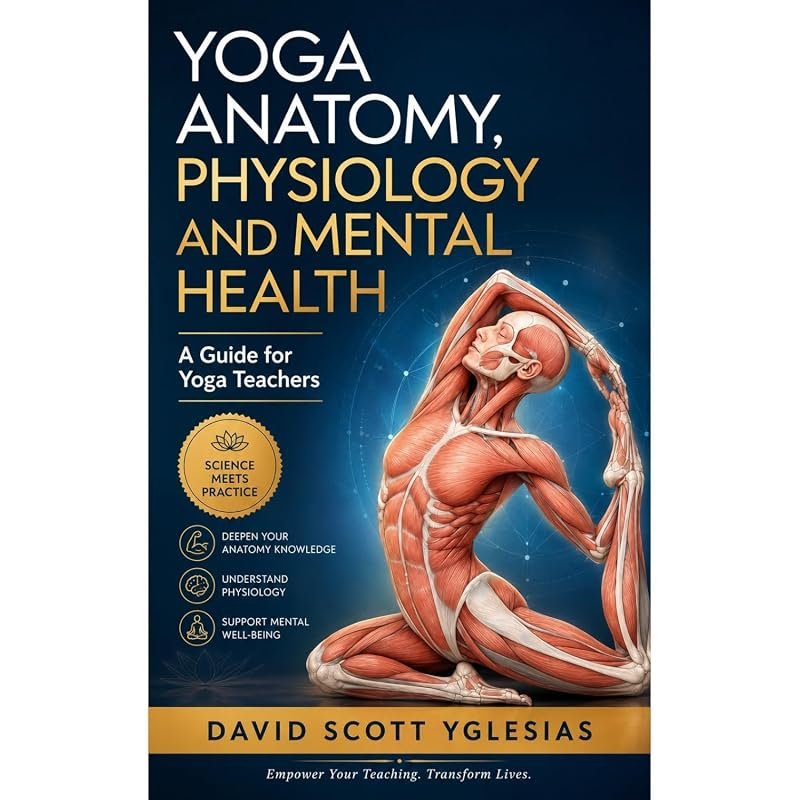 |
Yoga Anatomy, Physiology and Mental Health | Comprehensive evidence-based teaching guide. | View on Amazon |
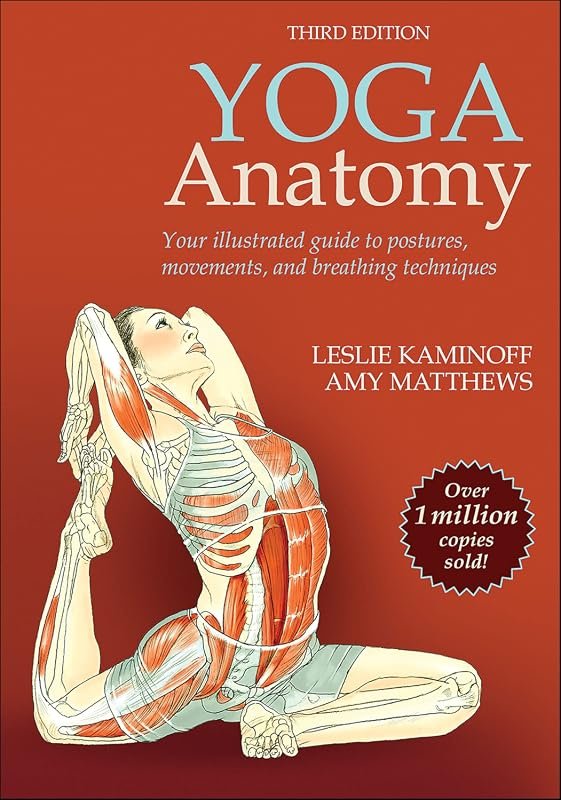 |
Yoga Anatomy | Essential illustrated guide for all levels. | View on Amazon |
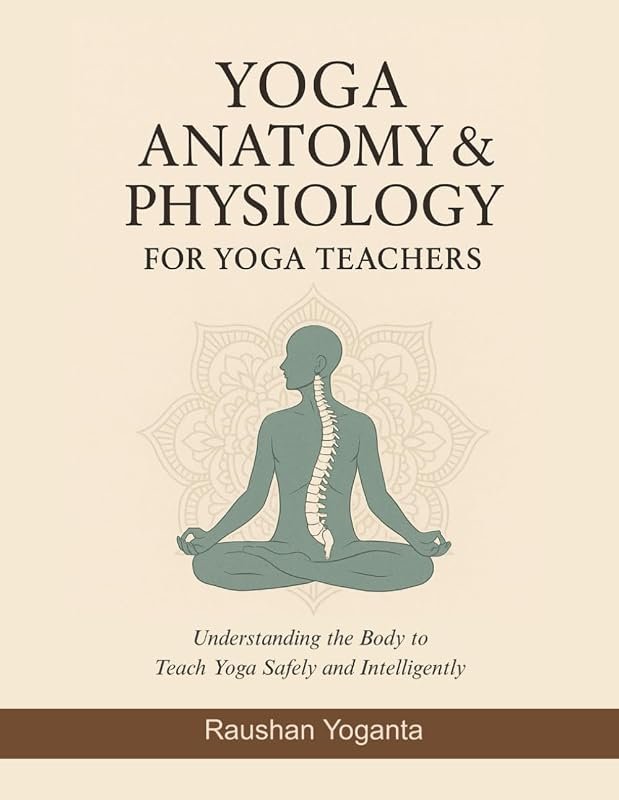 |
Yoga Anatomy and Physiology | Safe and intelligent teaching practices. | View on Amazon |
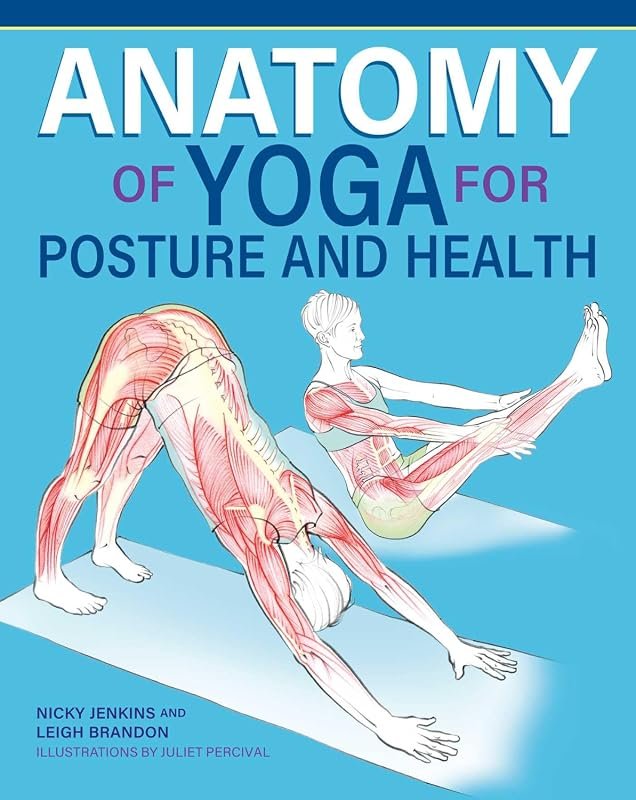 |
Anatomy of Yoga | Posture, alignment, and pain relief focus. | View on Amazon |
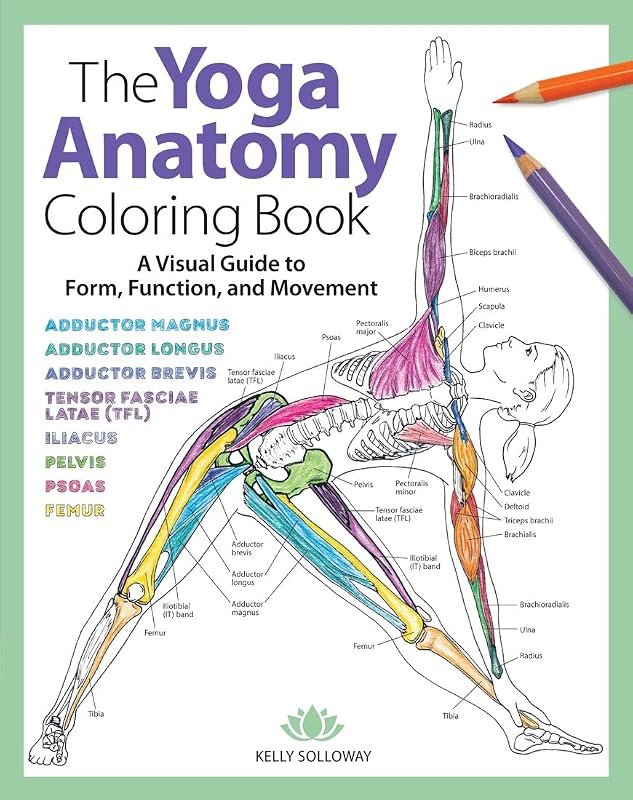 |
Yoga Anatomy Coloring Book | Visual learners and students of anatomy. | View on Amazon |
Our Top 5 Best Yoga Anatomy Books Reviews – Expert Tested & Recommended
1. Yoga Anatomy, Physiology and Mental Health
This book goes beyond just physical movement by integrating mental wellness with structural health. It serves as a bridge between the clinical side of anatomy and the spiritual practice of yoga.
Key Features That Stand Out
- ✓ Comprehensive evidence-based research for modern teachers.
- ✓ Clear integration of physiology and mental health principles.
- ✓ Practical application tips for daily studio use.
Why We Recommend It
We love this guide because it acknowledges that the mind and body are inseparable in yoga. It is a fantastic resource for anyone who wants to teach with more compassion and scientific accuracy.
Best For
Yoga teachers and dedicated practitioners looking to add depth and evidence-based logic to their classes.
Pros and Cons at a Glance
2. Yoga Anatomy
Often considered the gold standard for yoga teachers, this book provides incredibly detailed illustrations that show exactly which muscles are firing during specific poses.
Key Features That Stand Out
- ✓ Stunning, clear illustrations of body mechanics.
- ✓ Extensive coverage of breath-focused anatomy.
- ✓ Breakdown of the muscular effort needed for common asanas.
Why We Recommend It
It is nearly impossible to attend a teacher training program without seeing this book. Its ability to simplify anatomical complexity is unmatched.
Best For
Anyone who wants a foundational, high-quality reference book that serves as an essential companion for years.
Pros and Cons at a Glance
3. Yoga Anatomy and Physiology
If you need a cost-effective way to sharpen your teaching skills without sacrificing depth, this is an excellent choice for your home library.
Key Features That Stand Out
- ✓ Focused on safe, intelligent alignment.
- ✓ Budget-friendly price point for students.
- ✓ Simple explanations for complex physiological systems.
Why We Recommend It
It provides exactly what it promises—safety-focused, practical advice that helps teachers gain confidence when leading classes.
Best For
Students currently in teacher training programs or teachers seeking an affordable reference guide.
Pros and Cons at a Glance
4. Anatomy of Yoga
This book is fantastic if you struggle with back pain or want to improve your core alignment through specific yoga postures.
Key Features That Stand Out
- ✓ Targeted approach to relieving lower back discomfort.
- ✓ Great for building core strength through intentional alignment.
- ✓ Easy-to-follow visual guides for posture correction.
Why We Recommend It
It offers a practical solution to common physical issues, making it a great addition for anyone practicing at home to manage pain or improve posture.
Best For
Practitioners focusing on physical therapy benefits or those dealing with mild chronic aches.
Pros and Cons at a Glance
5. Yoga Anatomy Coloring Book
Sometimes the best way to learn is to get creative. This coloring book makes memorizing muscle groups and skeletal structures surprisingly fun.
Key Features That Stand Out
- ✓ Interactive way to learn anatomical form and function.
- ✓ Relaxing method to study complex systems.
- ✓ Excellent visual aid for visual learners.
Why We Recommend It
Active learning helps information stick! Coloring these pages forces you to pay attention to every detail of the body.
Best For
Visual learners, students, or anyone who wants a meditative, stress-relieving way to study anatomy.
Pros and Cons at a Glance
Complete Buying Guide for Yoga Anatomy Books
Essential Factors We Consider
When picking out the right anatomy book, consider your learning style. Do you prefer visual diagrams, scientific explanations, or interactive tools? We prioritize books that offer clear, accurate illustrations and practical tips for real-world application in a yoga studio setting.
Budget Planning
Anatomy books can range from affordable paperbacks to investment-level hardcovers. If you are just starting your journey, a more accessible, budget-friendly guide may be sufficient. However, if you are planning to pursue a career in teaching, investing in a comprehensive, high-quality reference book is well worth the cost.
Final Thoughts
Your practice is your own, and the best anatomy book is one that makes you feel more confident and connected to your body. Whether you choose a detailed scientific guide or a fun coloring book, the knowledge you gain will undoubtedly make your time on the mat safer and more fulfilling.
Frequently Asked Questions
Q: Do I need to be a medical professional to understand these books?
A: Absolutely not! These books are designed specifically for yoga enthusiasts and teachers, meaning they translate complex biological concepts into language that anyone can understand and apply to their practice.
Q: How often should I refer back to these books?
A: Keep them handy as a reference. You might find yourself checking them when you want to refine a specific pose, understand a recurring pain, or plan a new class sequence.
Q: Can these books help me avoid injuries?
A: Yes. By learning about your biomechanics and understanding how your muscles and joints work together, you will be much better equipped to practice safely and avoid strain or injury.